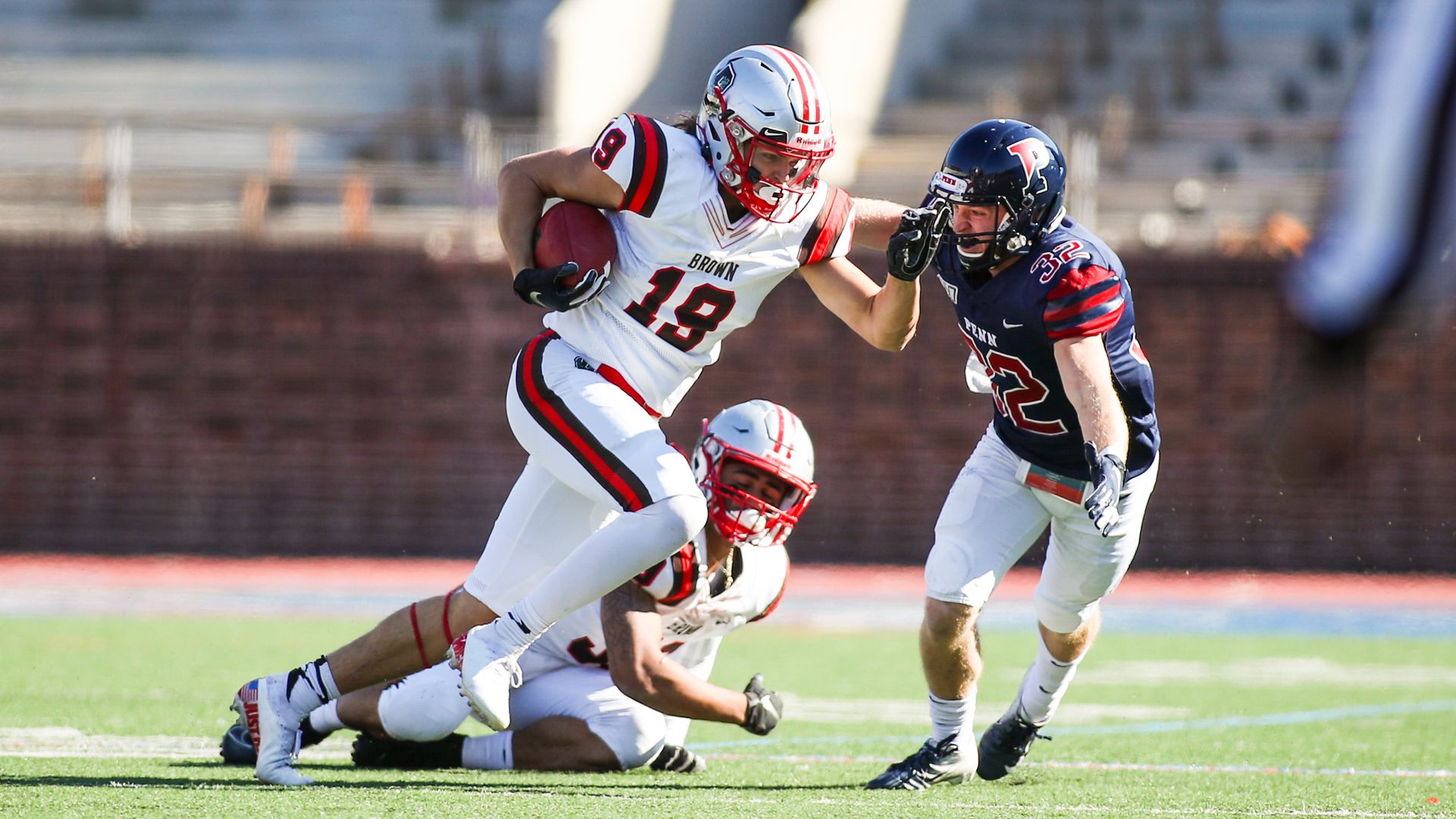
The Ivy League conference announced Wednesday it will cancel sports because of the coronavirus pandemic and will not reconsider resuming athletic programs until at least Jan. 1, 2021, the New York Times reports.
Why it matters: The conference — consisting of Harvard, Yale, Princeton, Cornell, University of Pennsylvania, Dartmouth, Columbia and Brown — was the first to cancel its athletic programs this spring and is now the first Division I conference to call off football.
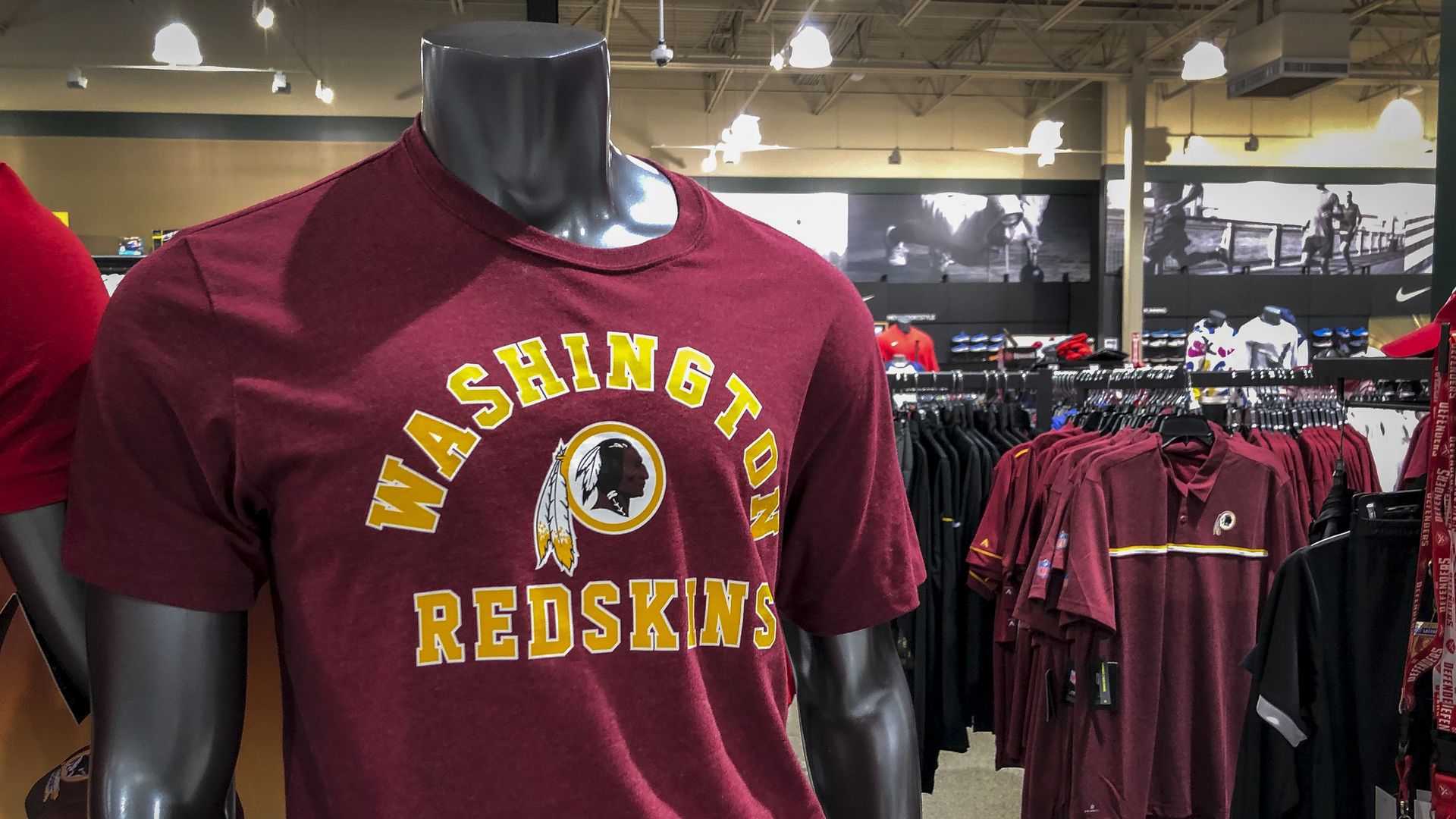
Amazon is removing all products with the Washington Redskins' team name and logo from its stores, effective immediately, CNBC first reported and Axios has confirmed.
Driving the news: The team announced last week that it will review its name after mounting pressure from the public, and after investors and shareholders collectively worth $620 billion asked Nike, FedEx and PepsiCo to cut ties with the Redskins unless the name was changed.
The XFL, a pro football league that went bankrupt in April, received several indicative takeover offers last month, Axios has learned from a source close to the process.
Between the lines: One reason that there may be greater-than-expected interest is that any buyer could have extra runway to relaunch given that established sports leagues remain either closed or diminished due to the coronavirus pandemic.
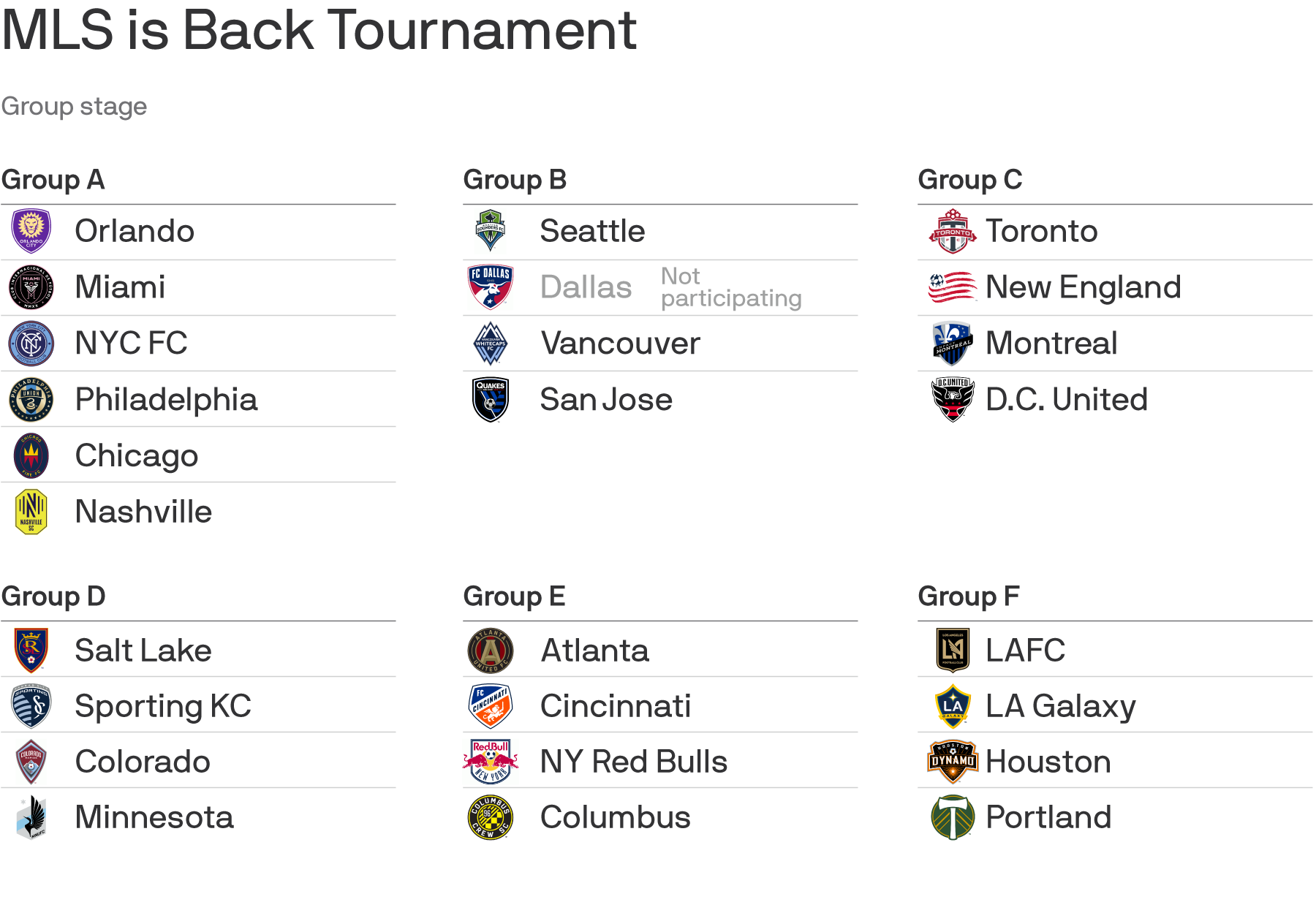
The Major League Soccer is Back Tournament kicks off Wednesday at Walt Disney World with a hometown clash between Orlando City, which played its home games there in 2014, and first-year franchise Inter Miami.
Worth noting: Though all 26 teams were slated to participate, FC Dallas has withdrawn due to nearly a third of the team testing positive for coronavirus.
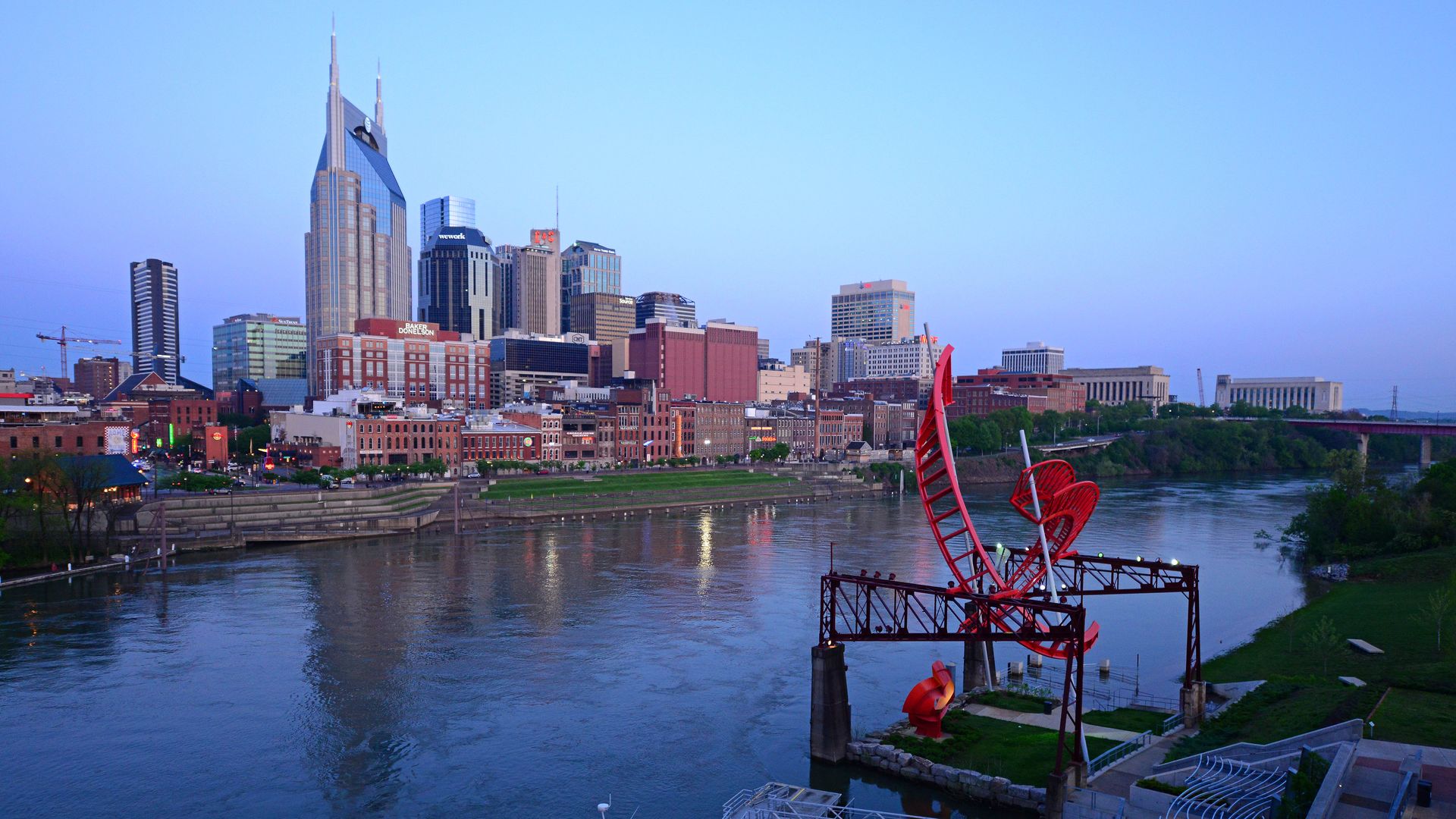
MLB wants to eventually expand to 32 teams, and Nashville, Tennessee, has emerged as a potential landing spot.
Driving the news: The Music City Baseball group, which hopes to bring a team to Nashville through expansion or relocation, gained considerable clout Monday when former GM Dave Dombrowski joined the effort, USA Today reports.
American sports leagues are back, and COVID-permitting, we're finally entering the period of uninterrupted sports bliss we've been anticipating for months.
The question: Given the unusual circumstances, it's worth considering how each season will be remembered years from now. So we pose the question: Do sports in 2020 need an asterisk?
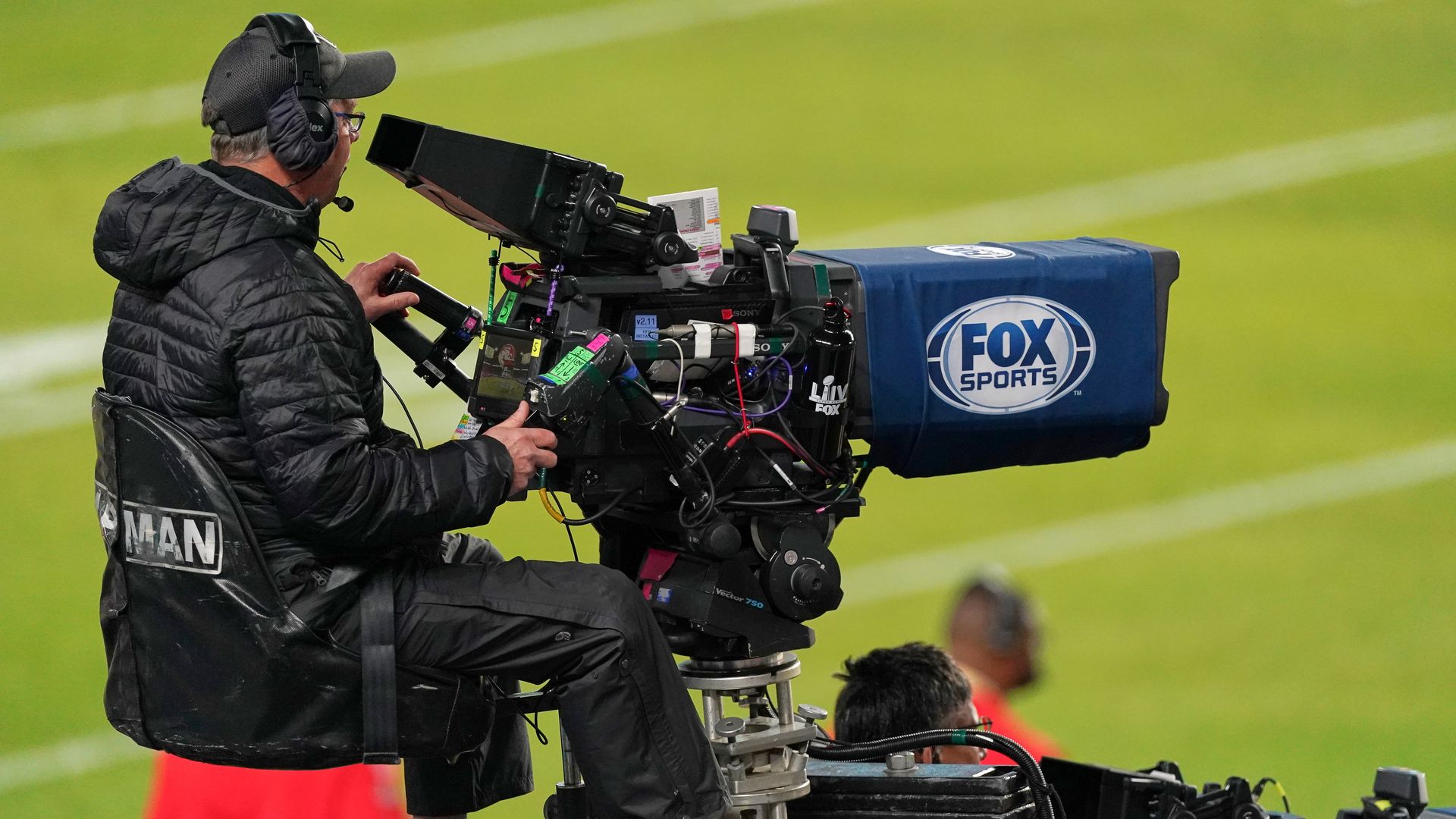
While all major sports scramble to rescue their seasons, the networks are fixated on the NFL, which accounted for 41 of the 50 top-rated telecasts of any kind in 2019, per the Washington Post.
Why it matters: The NFL made up 39% of all ad revenue for Fox last year, 24% for CBS, 21% for NBC and 17% for ESPN (including ABC playoff simulcasts). "It’s practically the only thing on the minds of the networks," John Kosner, a former ESPN executive who is an industry consultant, told the Post. "If you lost an NFL season, you’re looking at a financial hemorrhage."
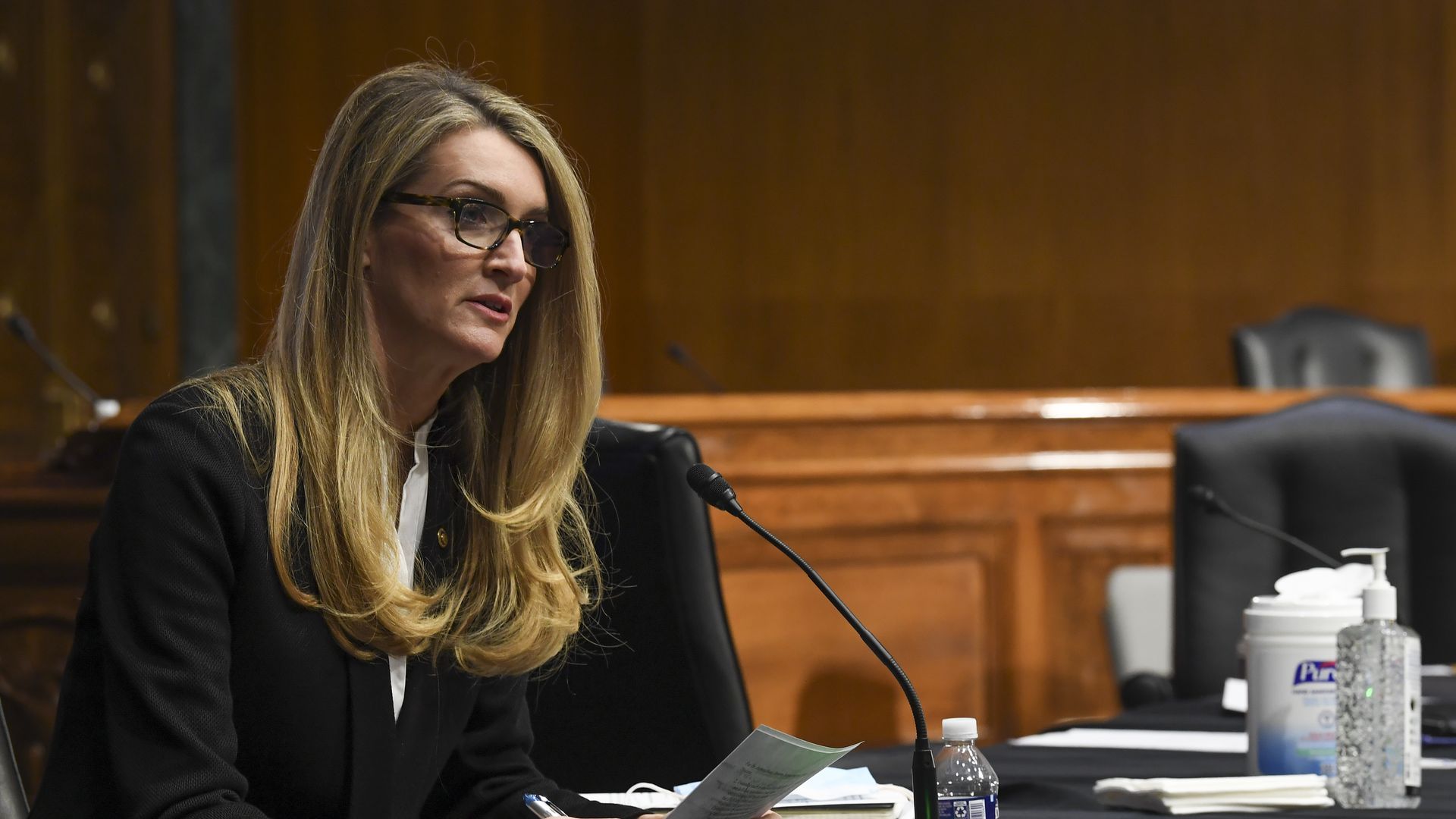
Sen. Kelly Loeffler (R-Ga.) urged the WNBA to reconsider its decision to allow players to wear warmup jerseys reading "Black Lives Matter" and "Say Her Name," the Atlanta Journal-Constitution reports.
What she's saying: The Georgia senator, a co-owner of Atlanta's WNBA franchise, told Commissioner Cathy Engelbert in a letter that the move "undermines the potential of the sport and sends a message of exclusion."
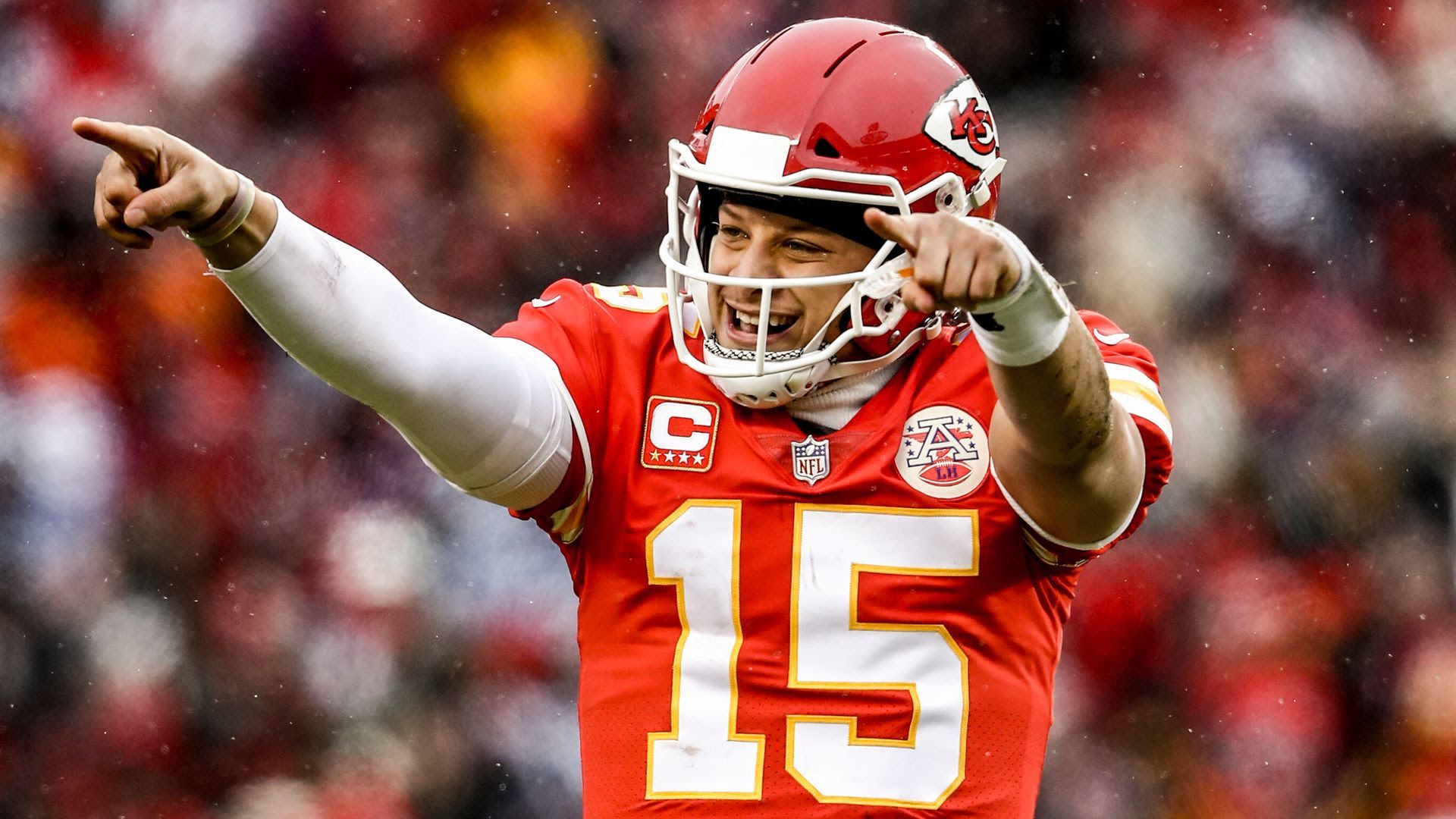
Kansas City Chiefs quarterback Patrick Mahomes signed a 10-year contract extension on Monday worth up to $503 million, ESPN reports.
Why it matters: It's the largest contract in the history of American sports and almost double the career earnings of Eli Manning, the highest-paid player by salary in NFL history.
While MLB struggles with testing delays ahead of its shortened season, Japan's Nippon Pro Baseball (NPB) — the world's second-best league behind MLB — has not only resumed play, but will soon allow fans at games.
The national conversation about systemic racism has found its way to the sports media world, forcing companies to address their shortcomings around coverage of race and their own internal diversity.
Why it matters: Sports leagues, teams and athletes have been thrust into the cultural spotlight in recent weeks, as they often are. Now, the publications that cover sports have turned the camera on themselves.