Abu Dhabi — which pioneered TAMM, an AI-driven app that eases citizens' day-to-day interactions with government — is launching TAMM Global, a new company that will make TAMM's technology and operating model available to governments worldwide.
Other governments now can modernize service delivery by licensing and deploying "bespoke versions of TAMM, adapting the platform to their own laws, policies, public services and citizen needs," the announcement says.
Today at 9:00am CT, tune in to conversations with HudsonAlpha Institute for Biotechnology president Neil Lamb, Cummings Research Park executive director Erin Koshut and University of Alabama in Huntsville Biological Sciences chair Jerome Baudry on the scientific innovation, investment and workforce driving Huntsville's growth as a biotech hub.
The program will also include a sponsored View from the Top segment featuring Eli Lilly and Company Huntsville site head and vice president Graciela M. Romero and PhRMA senior vice president of public affairs Alex Schriver.
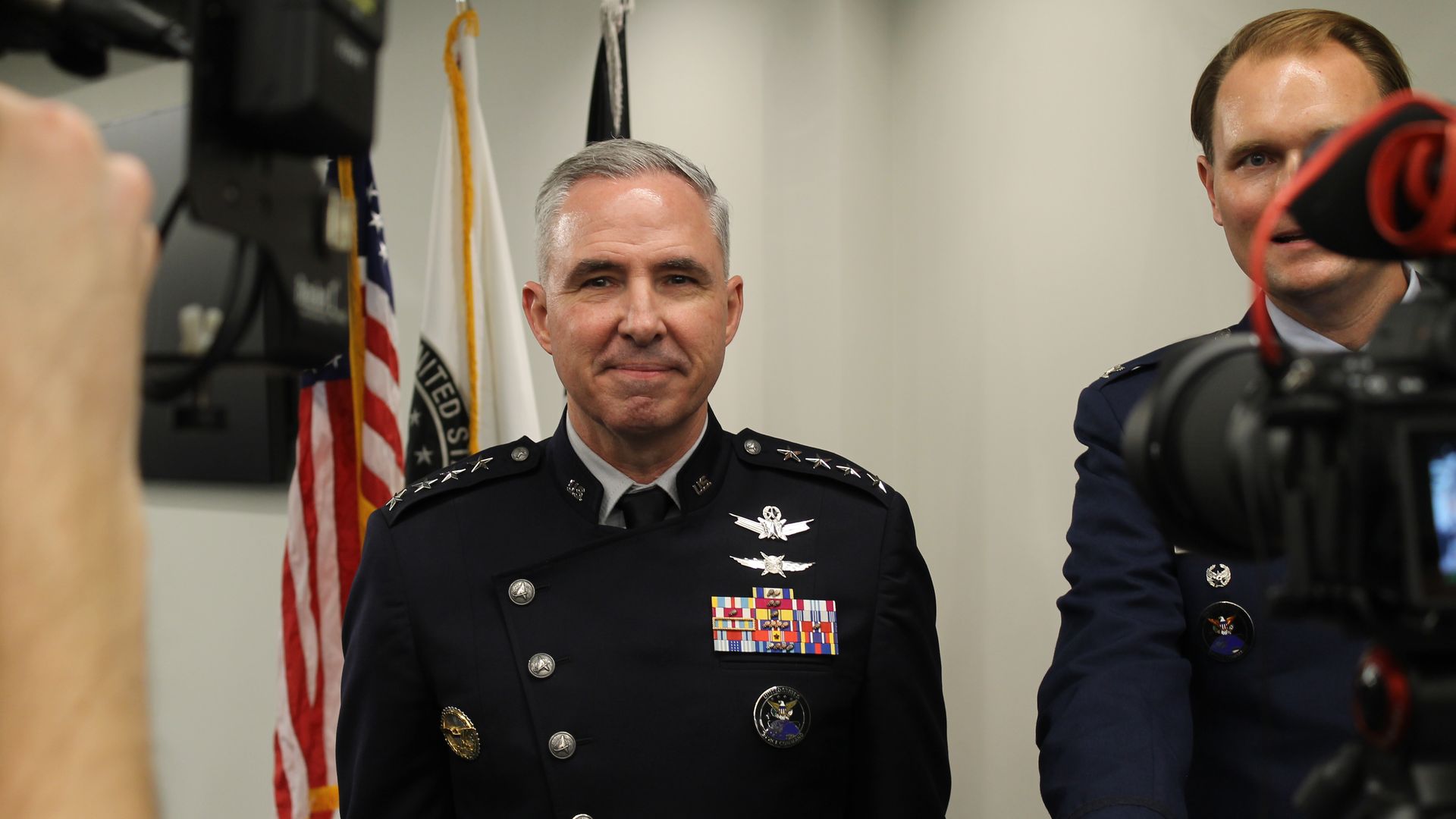
The four-star general leading the military's high-stakes space missions sees critical gaps in the nation's arsenal to counter China's and Russia's emerging threats.
Why it matters: Gen. Stephen Whiting, head of U.S. Space Command, has seen orbital threats evolve rapidly during his 37-year military career. In an exclusive chat with Axios, he said the command needs more investment and capabilities.
The ongoing war in Iran has revealed that U.S. adversaries are targeting ground-based radar systems to gain an advantage. Whiting said the same logic now applies to the nation's military assets orbiting Earth.
The future of war is in outer space — and the U.S. is unprepared for the fallout.
Why it matters: An outbreak of space warfare would cripple the global economy by disrupting satellites used for everything from worldwide financial transactions to maritime navigation. It would also hinder the U.S. military's ability to conduct some of its key missions on Earth.
Eve Air Mobility, backed by Embraer, plans to land certification for its electric vertical takeoff and landing aircraft by December 2028.
Why it matters: With one of the world's largest aircraft manufacturers in its corner, Eve has a potentially significant advantage in the race to commercialize electric air taxis.
Cities and researchers are using AI to map and predict extreme heat risk, but new research suggests it's used far more to identify where people are in danger than to help officials respond.
Why it matters: As climate change intensifies extreme heat, better predictions won't protect vulnerable communities unless governments can turn them into action.