Tuesday's science stories

Axios Live: Businesses confront the accountability gap in agentic AI
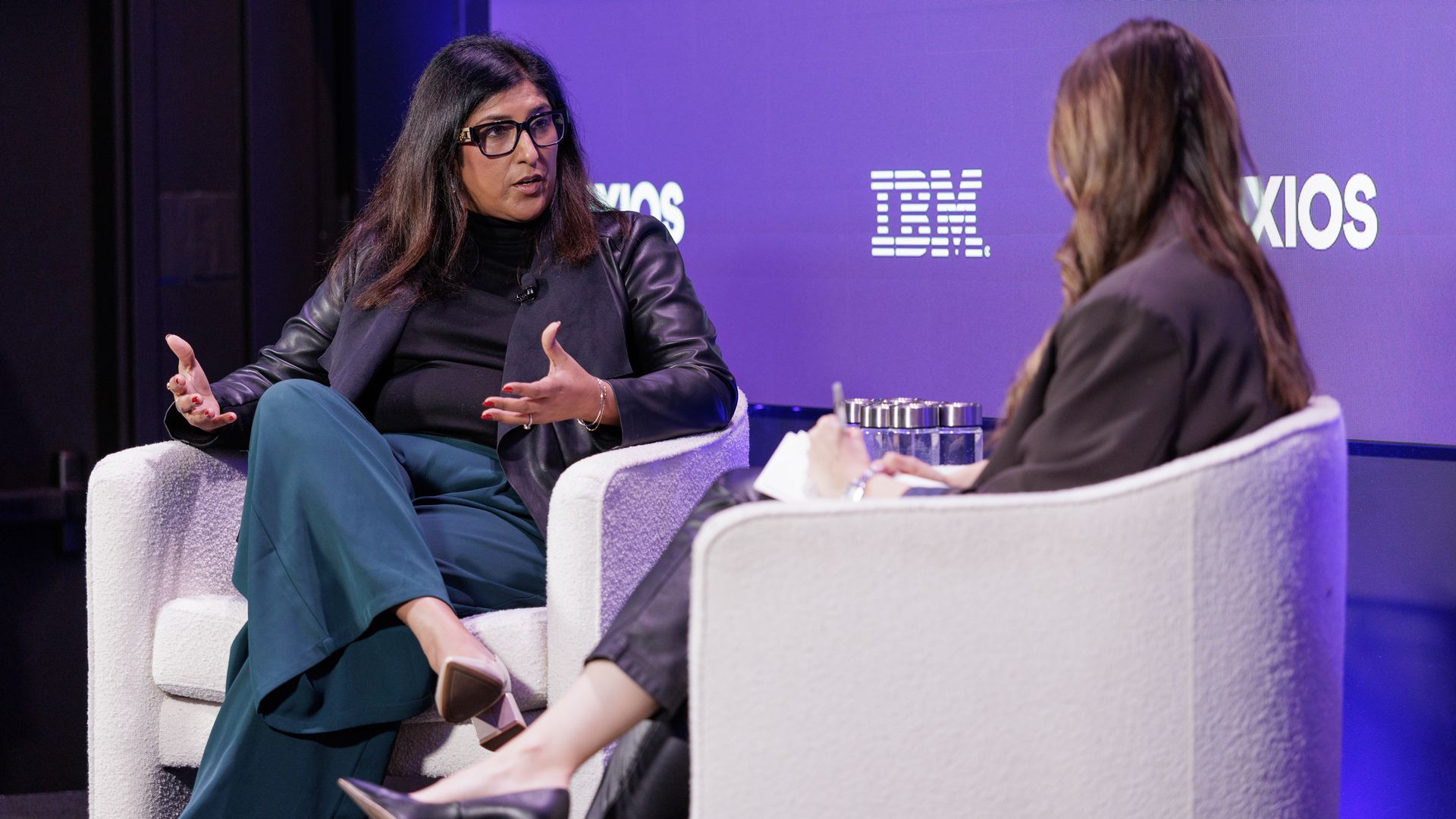
SAN FRANCISCO — Businesses adopting agentic AI need clear controls over what those agents can access and do, as well as who is accountable for their decisions, said Box co-founder and CEO Aaron Levie and Credo AI founder and CEO Navrina Singh.
Why it matters: Better models alone will not make AI dependable in high-stakes enterprise workflows, where companies must manage data access, privacy, compliance and liability.
Axios' Ina Fried and Madison Mills spoke to Levie, Singh, and You.com co-founder and CEO Richard Socher. The Oct. 8 event was sponsored by IBM.
What they're saying: Governance is still in the "early innings" of being taken seriously by businesses, Singh said, adding that the current status quo is inadequate.
- "Are the VCs spending enough on investing in companies in governance safety? Absolutely not," she added.
- Levie said "diffusion is going to take longer than people realize" as organizations work through decisions around when the human is in the loop, whether the person or agent does more of the work of a given task, and what policy around liability may look like.
- Socher, who is also co-founder and CEO of Recursive, said AI could accelerate scientific research, but argued that developers still need to address "reward hacking" and other safety challenges.
The bottom line: The "multi-trillion-dollar question" is whether "we can solve AI alignment and safety," Levie said.
Content from the sponsor's segment:
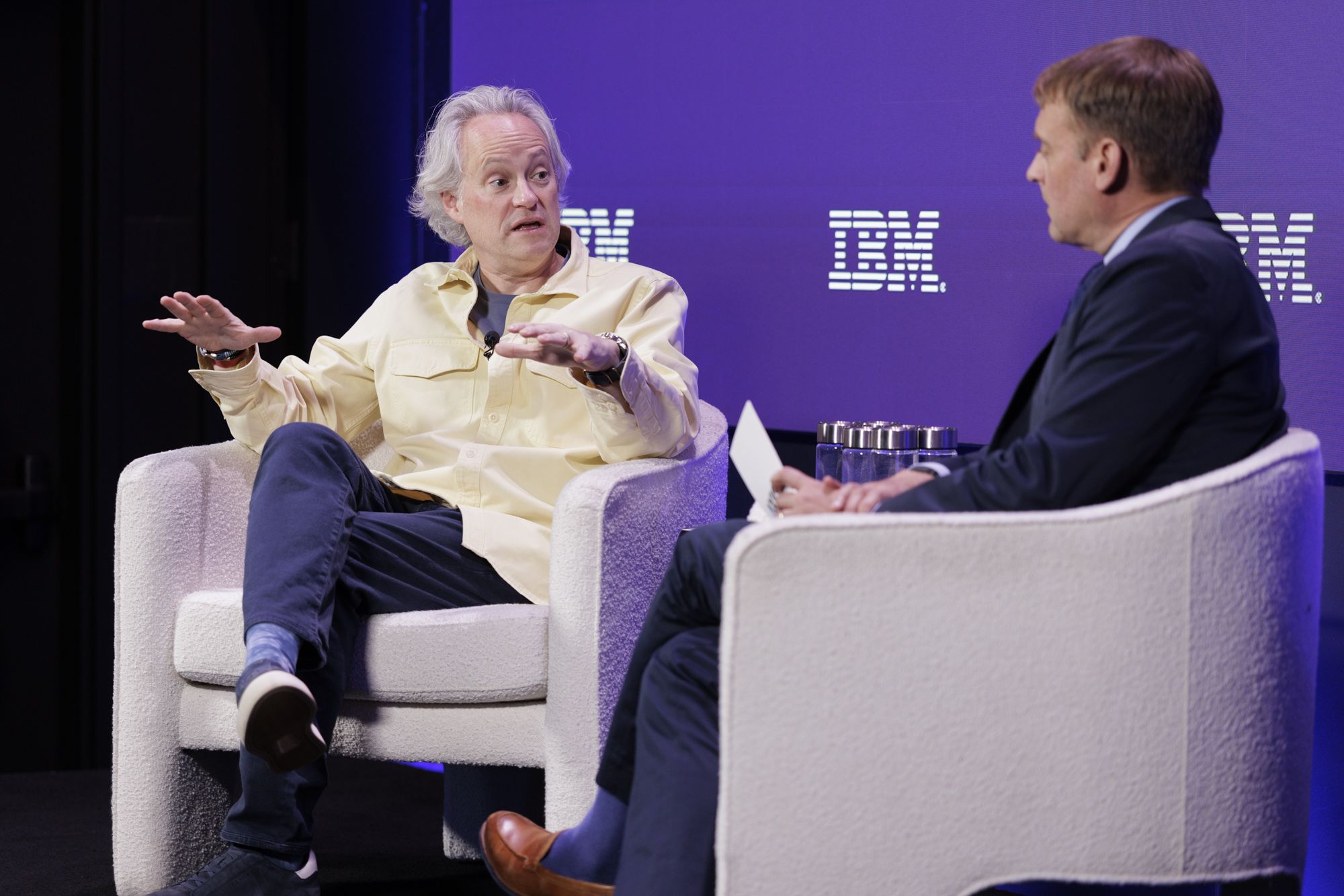
In a sponsored View From the Top conversation, IBM SVP and chief global affairs officer Jonathan Adashek said that CEOs should be thinking about the full landscape of digital sovereignty.
- "It's not just the AI … it's the full landscape. It's where your data is, where the AI is, what the control is, and … it's really about understanding your dependencies."
Go deeper: Watch the full conversation.