Several futuristic space experiments involving orbital data centers and high-tech energy transfers launched into orbit aboard a SpaceX Falcon 9 rocket Thursday afternoon.
Driving the news: Among the 130 payloads aboard the Transporter-18 "rideshare" mission:
Protostar, a satellite from startup Star Catcher meant to transmit energy to another satellite — to bear out the idea of an orbital power grid.
Reason-1, a satellite from startup Cowboy Space designed to collect solar energy in space and beam it to Earth.
What they're saying: Cowboy Space founder and CEO Baiju Bhatt tells Axios that the idea is to provide power in places without an existing power grid — a kind of Starlink for energy — while also working toward orbital data centers.
There are also potential military applications, Bhatt adds — powering high-endurance surveillance drones, for example.
Reality check: It's early days for all of these concepts, which have long existed on drawing boards and in sci-fi novels but have yet to be borne out.
The bottom line: It's a boom time for intriguing commercial efforts in Earth orbit, though SpaceX's plan to wind down its workhorse Falcon 9 rocket has left the space industry scrambling for launch alternatives.
The Trump administration on Wednesday is launching an effort to reimagine the way clinical trials are designed, with a goal of drastically reducing the time and money it takes to develop new drugs.
Why it matters: The program, shared first with Axios, could provide a template for reconfiguring the drug development process and boosting U.S. competitiveness in the global biotech race.
President Donald Trump nominated a new general to lead U.S. Space Command, just weeks after officials revealed the military has orbital weapons ready for battle.
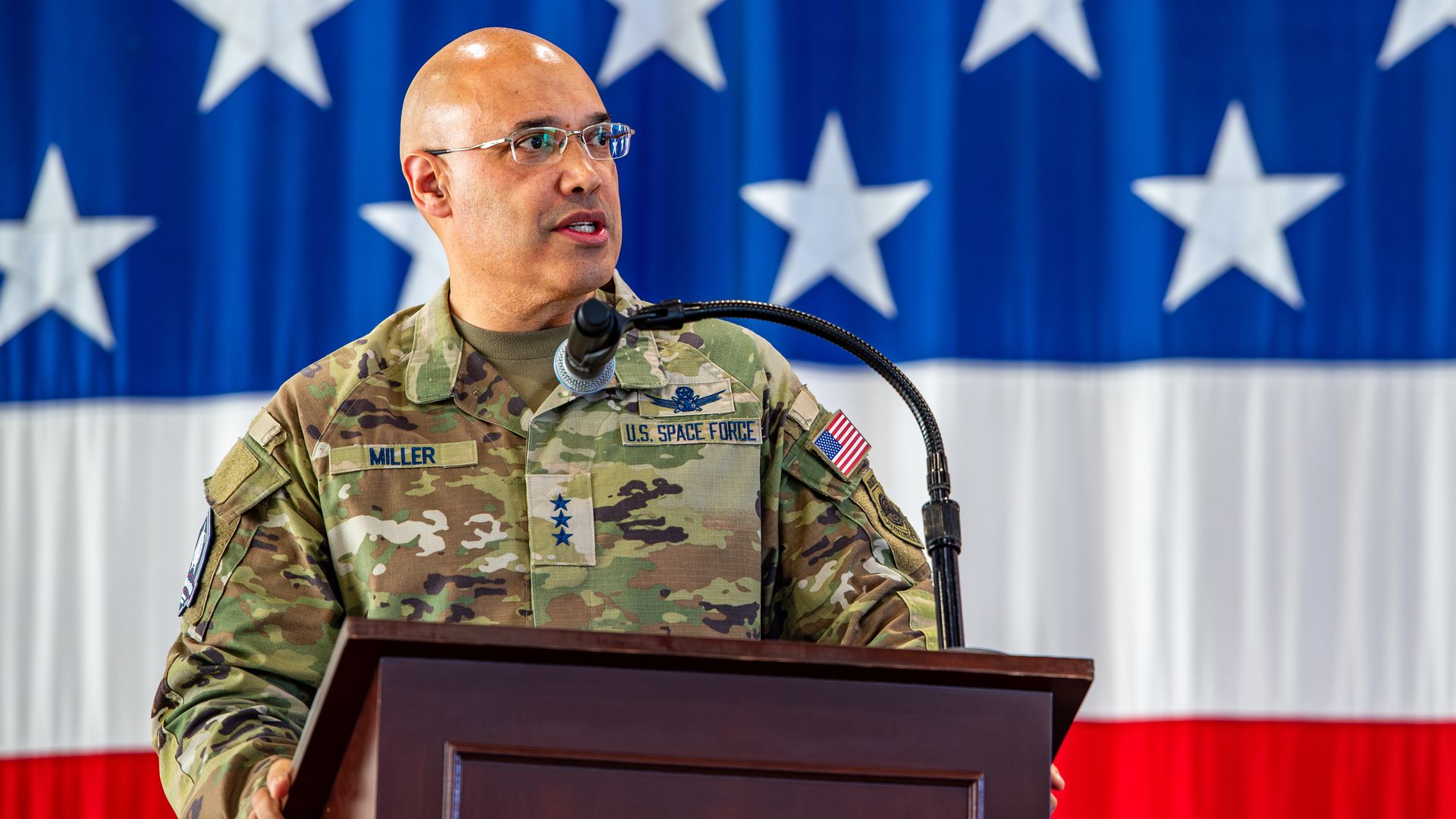
Why it matters: U.S. Space Command oversees all military operations in space. If confirmed, Trump's new pick, Space Force Lt. Gen. David Miller Jr., will be tasked with navigating a growing orbital arms race and the combatant command's move from Colorado Springs, Colorado, to Huntsville, Alabama.
The U.K. military is building up its space arms and is readying troops to use them, a move leaders said is needed to prevent growing enemy interference with its satellites.
Why it matters: After the United States' bombshell revelation that it has "on-orbit space control weapons," a key ally is advertising its growing space arsenal to deter Russia's aggressive space posture.
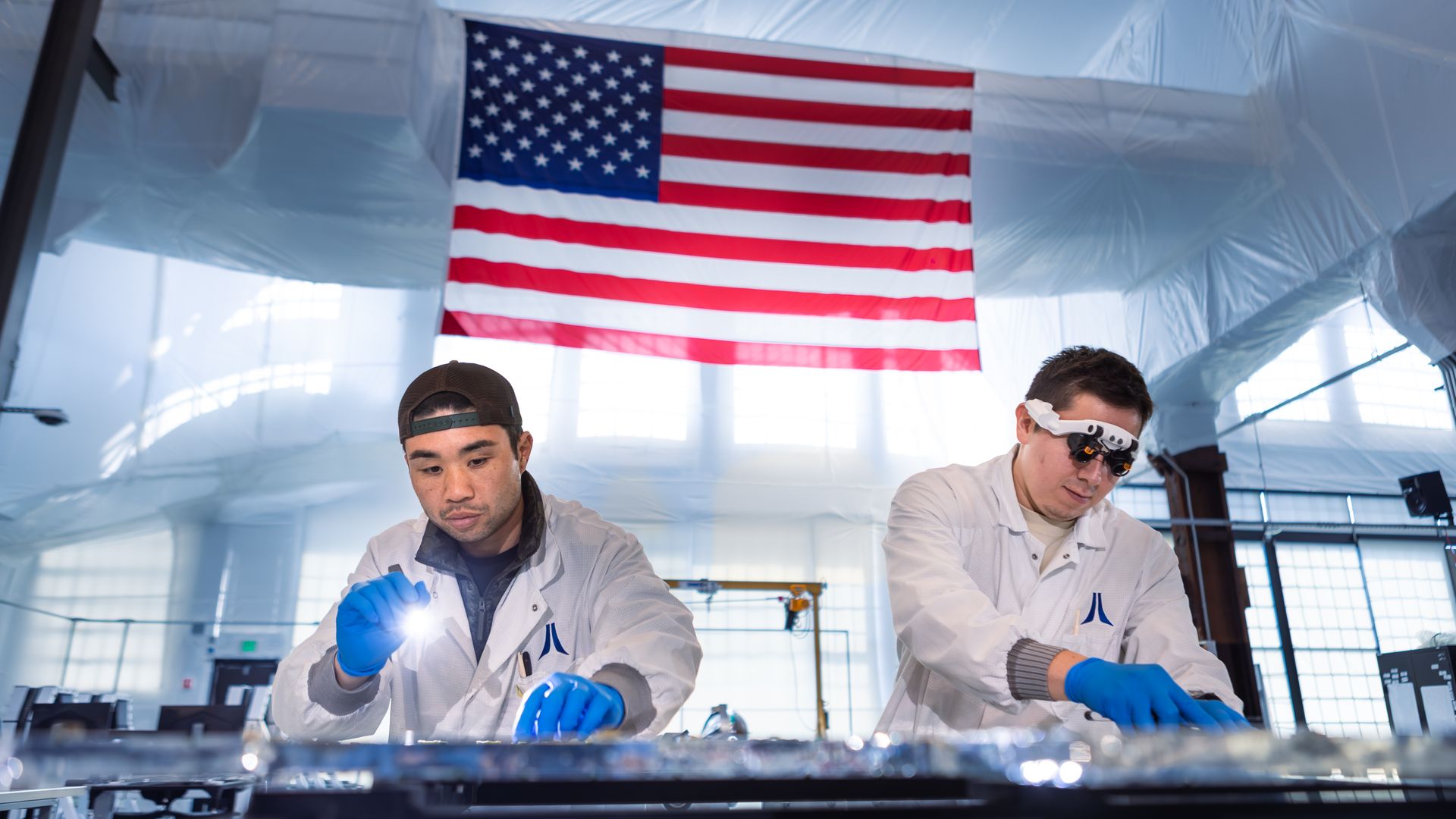
The U.S. Export-Import Bank has approved a nearly $500 million loan for Astranis to boost its domestic satellite production, Axios has first learned.
Why it matters: Astranis has contracts stateside and abroad, with customers in Oman, Saudi Arabia, Taiwan and Thailand. More funding is needed to meet the growing international demand for sovereign satellite capabilities.
EXIM approved the $468 million credit facility last week to grow "Astranis' capacity to manufacture and operate satellites," the bank said in a statement.
The Alliance for Critical Infrastructure, a recently formed CEO-led coalition, has added dozens of new members and will focus on preparedness.
Why it matters: Growing concern about the prospect of AI-powered attacks on public infrastructure, financial institutions and essential businesses is fueling momentum for action.