Tuesday's science stories

Cyberattacks target water systems in at least 12 states: report

At least a dozen states are reportedly responding to cyberattacks against local water systems.
Why it matters: This appears to be one of the broadest known coordinated cyber campaigns against U.S. municipal water systems to date, validating years of warnings that poorly secured utilities could become attractive targets.

SpaceX rocket debris will hit the Moon tomorrow
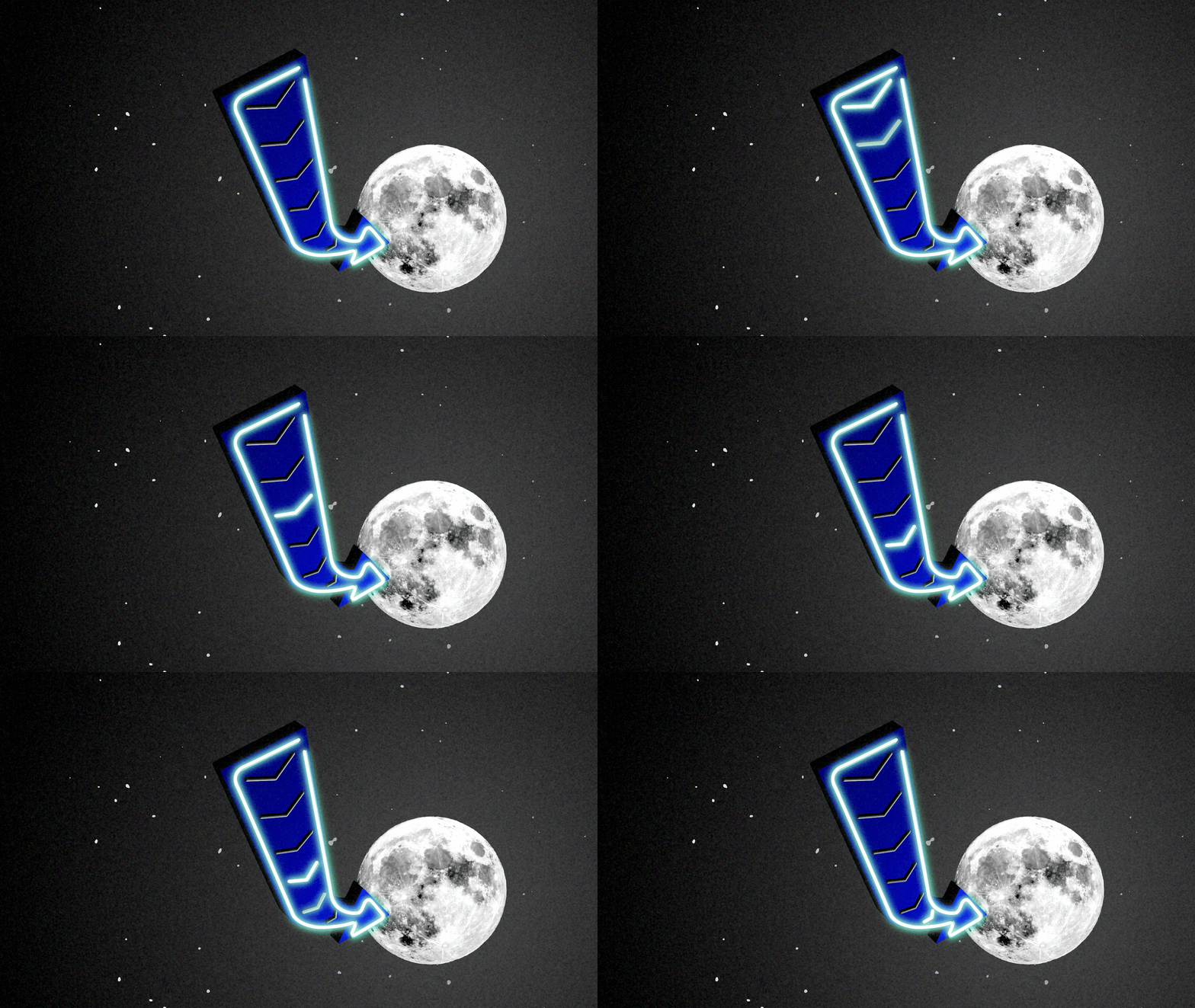
The upper stage of a SpaceX rocket will unintentionally crash into the Moon early Wednesday morning.
Driving the news: The Falcon 9 rocket launched in 2025, carrying a pair of privately-funded lunar rovers.
- The upper stage was left in a high Earth orbit that occasionally crosses the Moon's path. Gravity and other forces then sealed its fate.
- The resulting crater could be about 90 feet across and about 16 feet deep, scientists estimate — too small to directly observe from Earth, but viewable by orbiting spacecraft.
How it works: SpaceX typically de-orbits Falcon 9 upper stages, letting them burn up in Earth's atmosphere.
- There wasn't enough fuel left to do that after this particular high-orbit launch.
The big picture: The inevitable collision is a reminder that our celestial neighborhood is getting busier by the day, with nearly 30,000 active satellites and trackable bits of space junk (dead satellites, spent rocket segments, etc.) now orbiting Earth.
- SpaceX's Starlink internet constellation accounts for more than half of all active commercial satellites, per Orbital Radar.
- Advocates lament the ever-busier night sky, which compromises both recreational stargazing and scientific observations.
Yes, but: Many astronomers are actually looking forward to this particular event as a chance to collect valuable data about Moon collisions.
- It's not every day you can predict when something will smack into our nearest celestial companion.
- NASA says it'll take pictures of the impact site from lunar orbit, offering key visual data.
Flashback: Rocket segments have pelted the Moon before — most recently in 2022 with the upper stage of China's Long March 3C rocket, but also back during NASA's Apollo era.
- The Moon is also constantly being bombarded by asteroids, without a thick atmosphere to burn them up before impact.
What's next: SpaceX says it's working on better ways to handle spent rocket segments from high-orbit launches.
- That's a key step if the Trump administration's lunar colony dreams are to be realized. Life on the Moon would be hard enough without worrying about rocket bits raining down from above.

AI is stress-testing your foundation

By Drew Garner, chief AI officer, Smartsheet
For two decades, the most valuable parts of enterprise software sat behind a barrier: workflows built around how the organization actually ran, automations eight steps deep, judgment calls baked into every exception. That's real depth, the kind serious work depends on and the kind that took weeks, months or longer to master.

SpaceX is testing market gravity

Elon Musk's galactic AI rocket-social media company faces two big tests this week: reporting its first financials as a public company and potentially coping with a flood of unlocked stock.
Why it matters: Investors aren't exactly eager to scoop up shares. Judging by the SpaceX stock price, Musk's power to drive investor excitement is already fading.

New Yorker: China races to own the industries of the future

America has been napping or distracted by trivialities while China is racing toward the future, in part by taking advantage of President Trump's trade, immigration and budget policies.
- That's the eye-opening reality that Evan Osnos unfurls in a 12-page piece for The New Yorker, "The Future, Made in China."
Why it matters: China could beat the U.S. to the future on a host of fronts, including engineering a cure for cancer.
How America is adapting to climate extremes
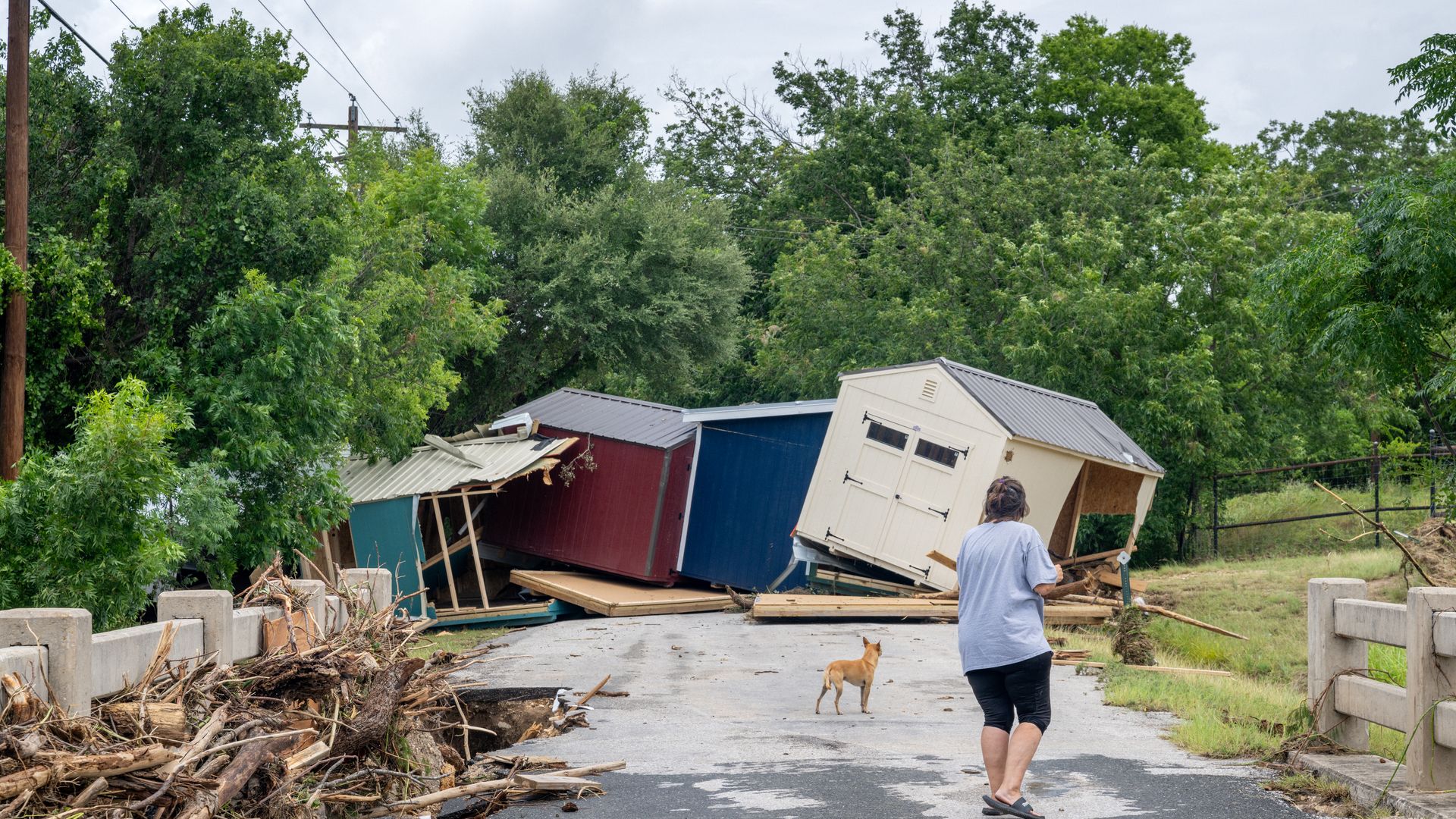
Climate adaptation is increasingly moving from planning to real-world action as heat waves, droughts, wildfires, floods and hurricanes test communities across the U.S.
Why it matters: Even if greenhouse gas emissions decline, many communities are already facing more frequent or intense climate extremes, prompting officials to invest in infrastructure designed to reduce future damage.
U.S. wildfire season exceeds 10-year average
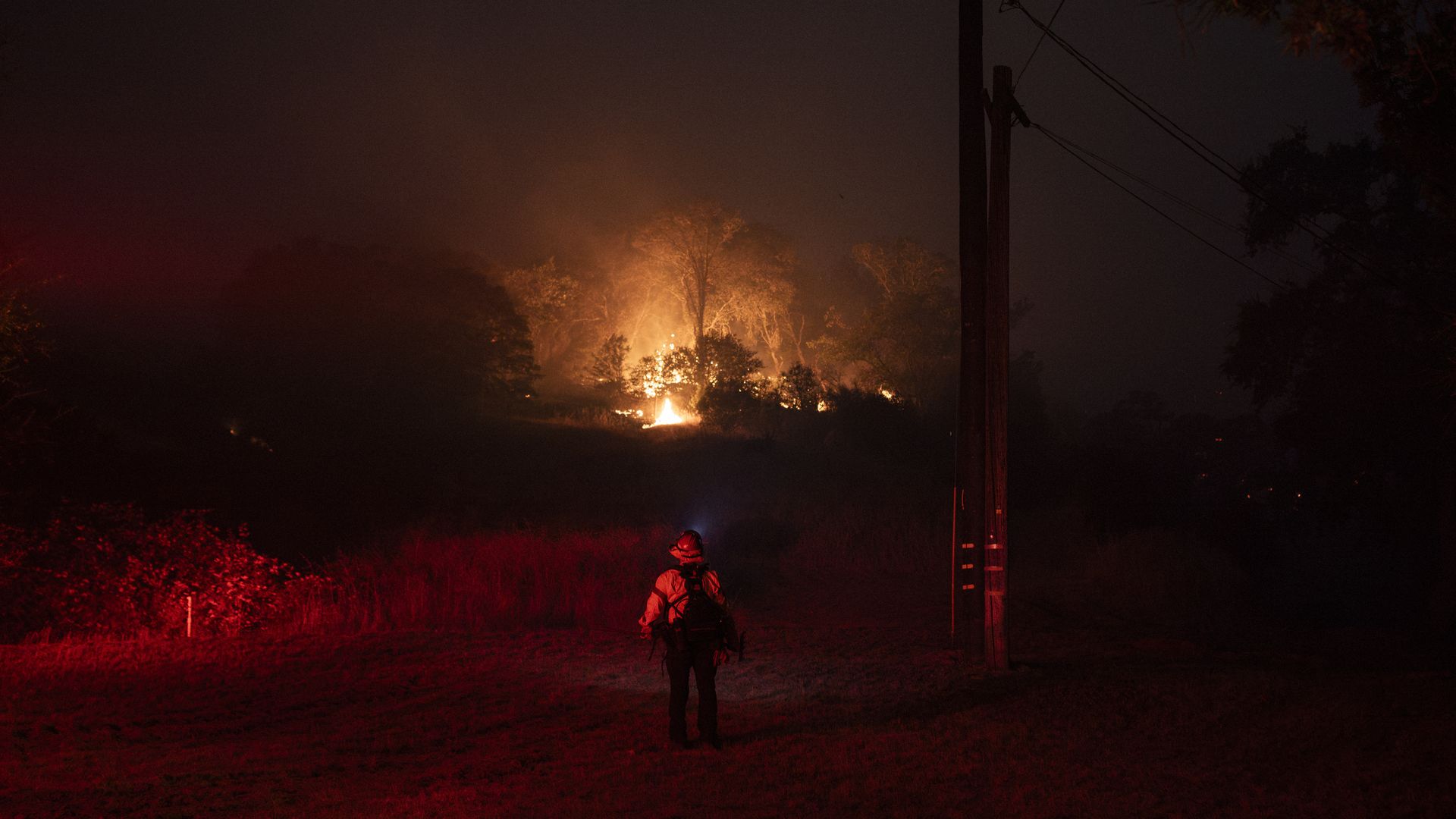
Wildfires in Washington and Oregon have forced evacuations, caused power outages, and burned hundreds of thousands of acres as firefighters battle dozens of massive fires across the Pacific Northwest.
Why it matters: The blazes are among 99 active large fires burning across the U.S. as this year's wildfire season exceeds the 10-year average for both the number of fires and the acres burned, according to the National Interagency Fire Center.