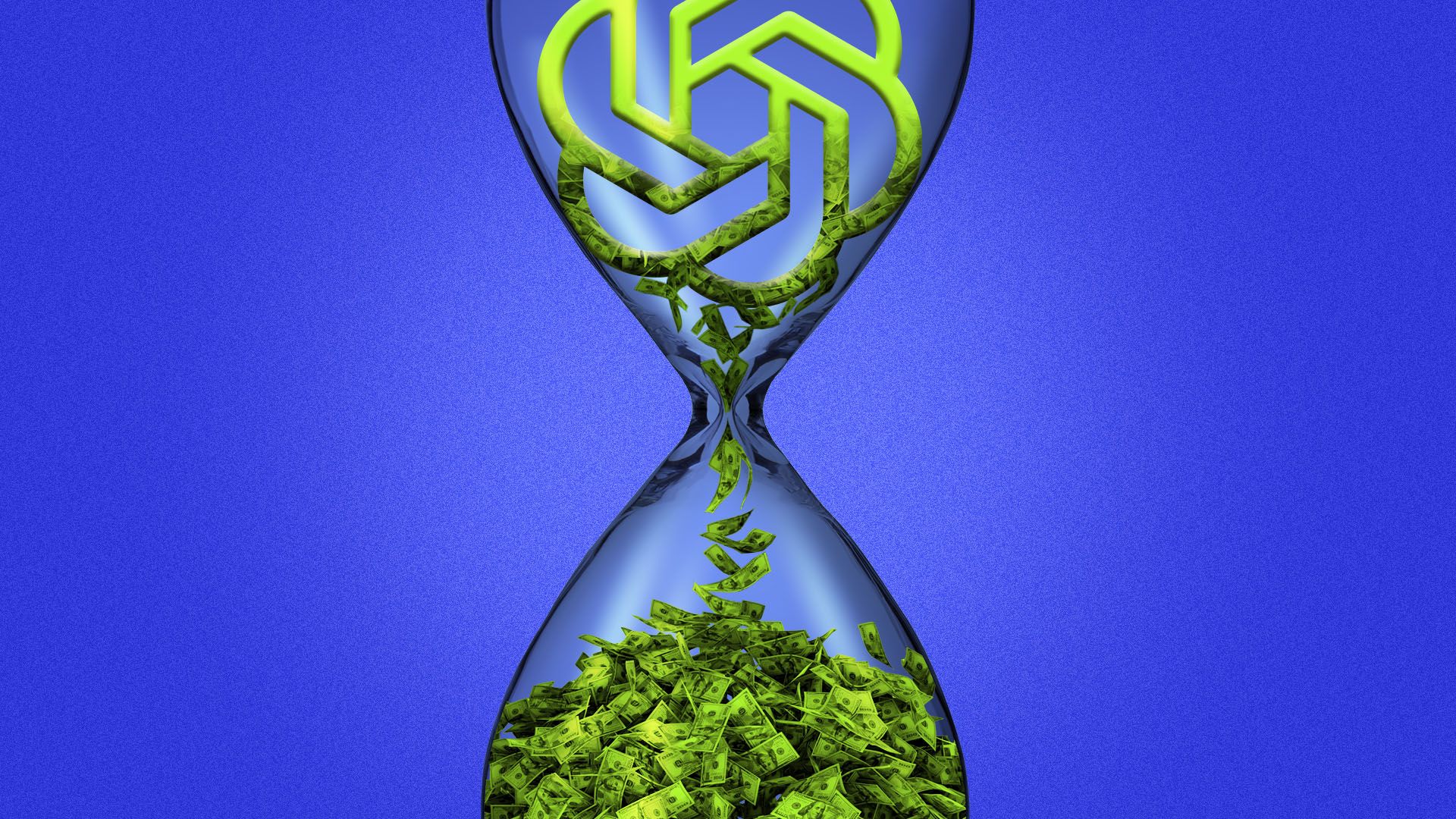
Amazon.com is in talks to invest as much as $50 billion into OpenAI, per reports late Thursday, in a sign that the funding frenzy for AI shows no signs of stopping.
Why it matters: The potential deal comes as Wall Street has been shunning the stocks of companies that have already partnered with OpenAI (see Microsoft's decline on Thursday) as investors worry whether the AI upstart behind ChatGPT will ultimately be able to pay off all its backers.
An annual gathering of top government officials and tech executives is scheduled for March 24 in Washington, D.C., according to a news release shared first with Axios.
Why it matters: The Hill & Valley Forum serves as a meeting for policymakers and private sector leaders to chart out tech and national security priorities.
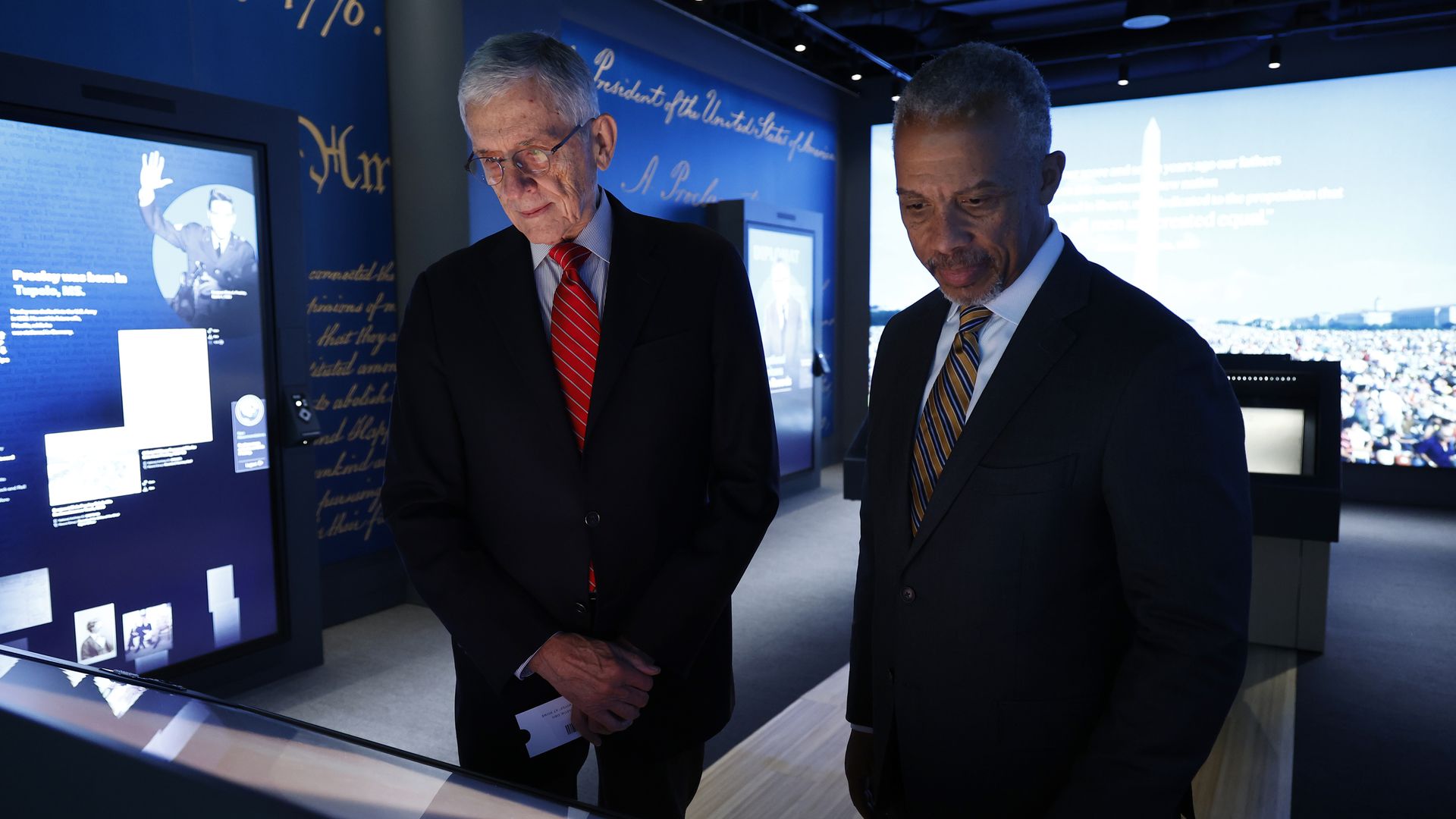
The National Archives' newest permanent exhibit uses machine learning to make America's historical records more accessible to the public.
Why it matters: AI's biggest superpower is tagging, organizing and presenting massive amounts of data, a growing challenge for institutions like the National Archives.
My son doesn't say many words yet, but he often yells "Ba!" while pointing up to birds, ceiling fans, light bulbs and the sky.
I think the loose translation is: "Look up, Mom!"
Why it matters: When the news feels heavy and screensdemand our attention, he's a reminder that curiosity — and gazing upward — can offer some steadiness and connection.
Tesla is discontinuing the Model S sedan and Model X crossover — luxury vehicles that put the company on the map but which have become long in the tooth by automotive standards.
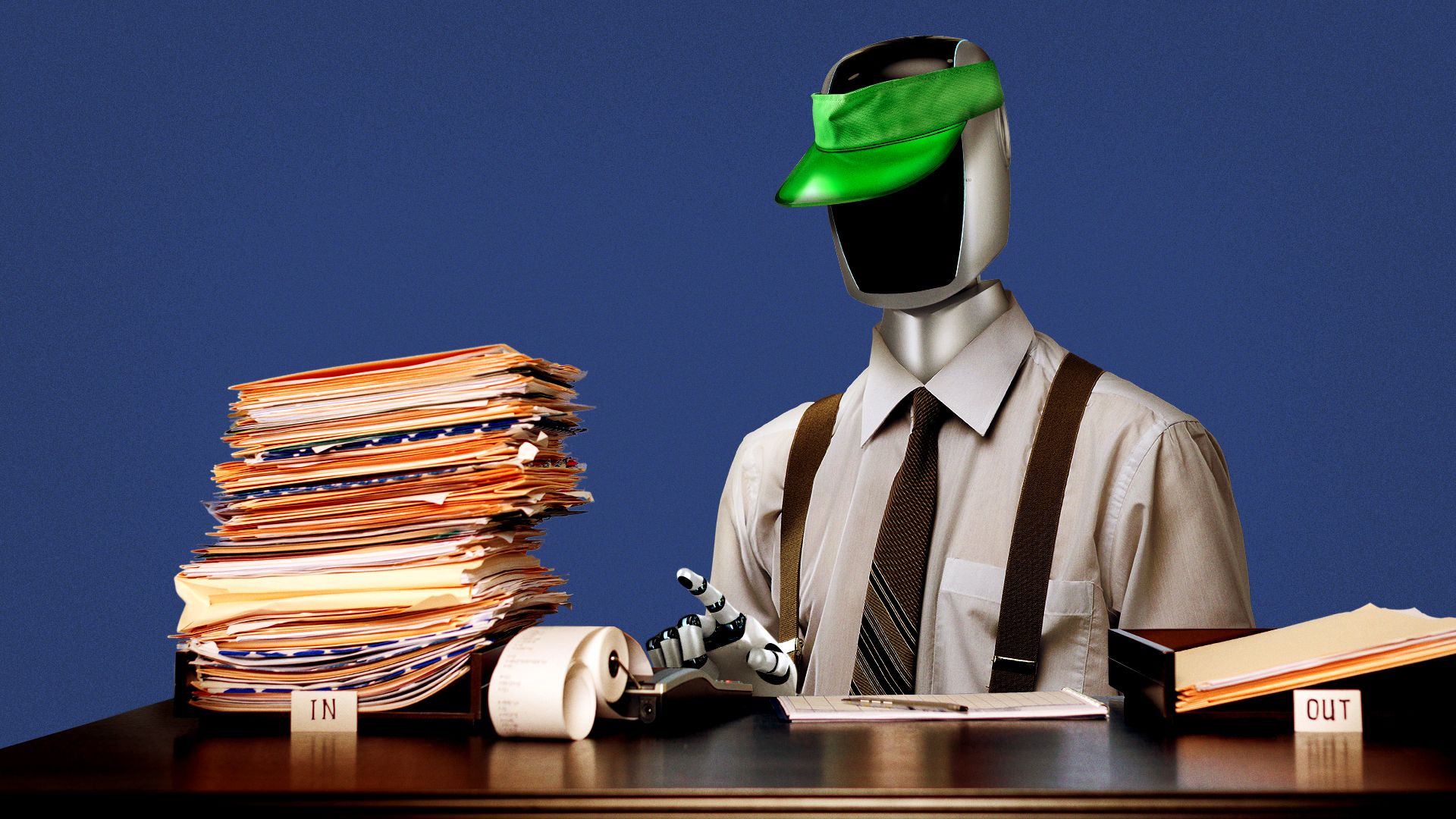
ServiceNow is deepening its existing partnership with Anthropic, further integrating the AI startup's Claude models to power its own offerings, according to a company memo reviewed by Axios.
Why it matters: A recent funding target valued Anthropic at $350 billion in part due to these kinds of deals: Businesses want access to Anthropic's technology, which puts the Claude-maker further ahead in the AI race.
DAVOS, Switzerland — Organizations and corporations should adapt to withstand shifting geopolitical headwinds and insulate themselves from the turbulence,CoreWeave co-founder and CEO Mike Intrator said at the World Economic Forum last week.
The big picture: As geopolitical uncertainty increases and alliances fray, top officials need to build business strategies that diversify portfolios and ensure long-term economic stability.
Axios' Ina Fried and Dave Lawler spoke to Intrator and Ray Dalio, Bridgewater Associates' founder and Dalio Family Office's founder and mentor. The conversations were sponsored by Mubadala Investment Company and MGX.
Driving the news: Chip developer Nvidia announced it would be investing $2 billion in CoreWeave, further solidifying the cloud company's central role in the AI boom.
What they're saying: "We are building our infrastructure in response to signed contracts with long-term demand," Intrator said.
We look at "inference," Intrator explained — a signal that shows an AI model is being actively used — to confirm there's demand before moving forward.
Yes, but: "I'm not buying GPUs until Microsoft or Meta or Nvidia … comes and signs a contract with me," Intrator added.
Relying on the creditworthiness of the organization helps "insulate my company" from pockets of risk, he said.
What's next: "The geopolitical order is changing," Dalio said.
"Whoever wins the technology war will win the military [and] geopolitical war. They're going to win the economic war."
Content from the sponsor's segment:
In View from the Top conversations, Marc Antaki, Mubadala's deputy chief strategy and risk officer, and MGX CIO of artificial intelligence Ali Osman spoke to AI Leadership Lab moderator and host Ryan Heath.
"Resilience at Mubadala comes from three things: a resilient strategy … a resilient portfolio … [and] resilient institutions," Antaki said.
"Making sure that you have compute, the right geographies, the right scale, backed by the right hyperscalers, built by the right developers … is critical to the success of the industry," Osman told Heath.
Covering the energy demands of AI while increasingly using AI feels like a strange form of immersion therapy.
Why it matters: We're all humans first, and only then journalists, founders, philanthropists or experts. And AI is fast reshaping how we work, think and find meaning.