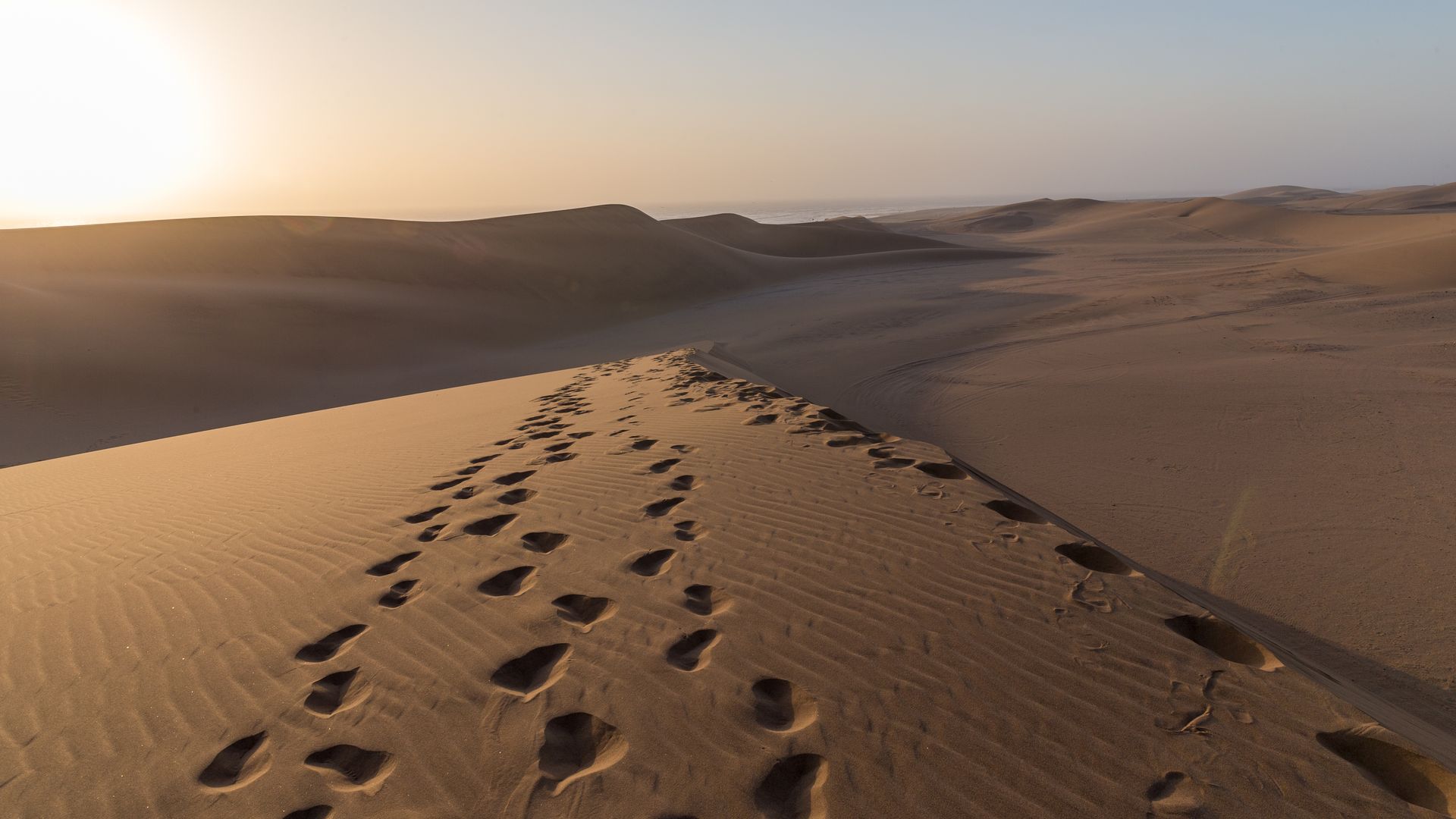
Scientists reported Thursday that human footprints found in White Sand National Park in New Mexico appear to date back about 23,000 years – making them the oldest known footprints in the Americas.
Why it matters: The finding renews the debate on when humans first spread across the Western Hemisphere.
Now is a crucial time to lay the groundwork to quash future threats from pathogens, top science advisers in the U.S. and U.K. said this week.
Why it matters: Governments, industries and organizations are trying to bolster early warning systems, improve manufacturing supply chains for vaccines and treatments, and build infrastructure to be able to better contain future outbreaks — all while the current pandemic is still raging.
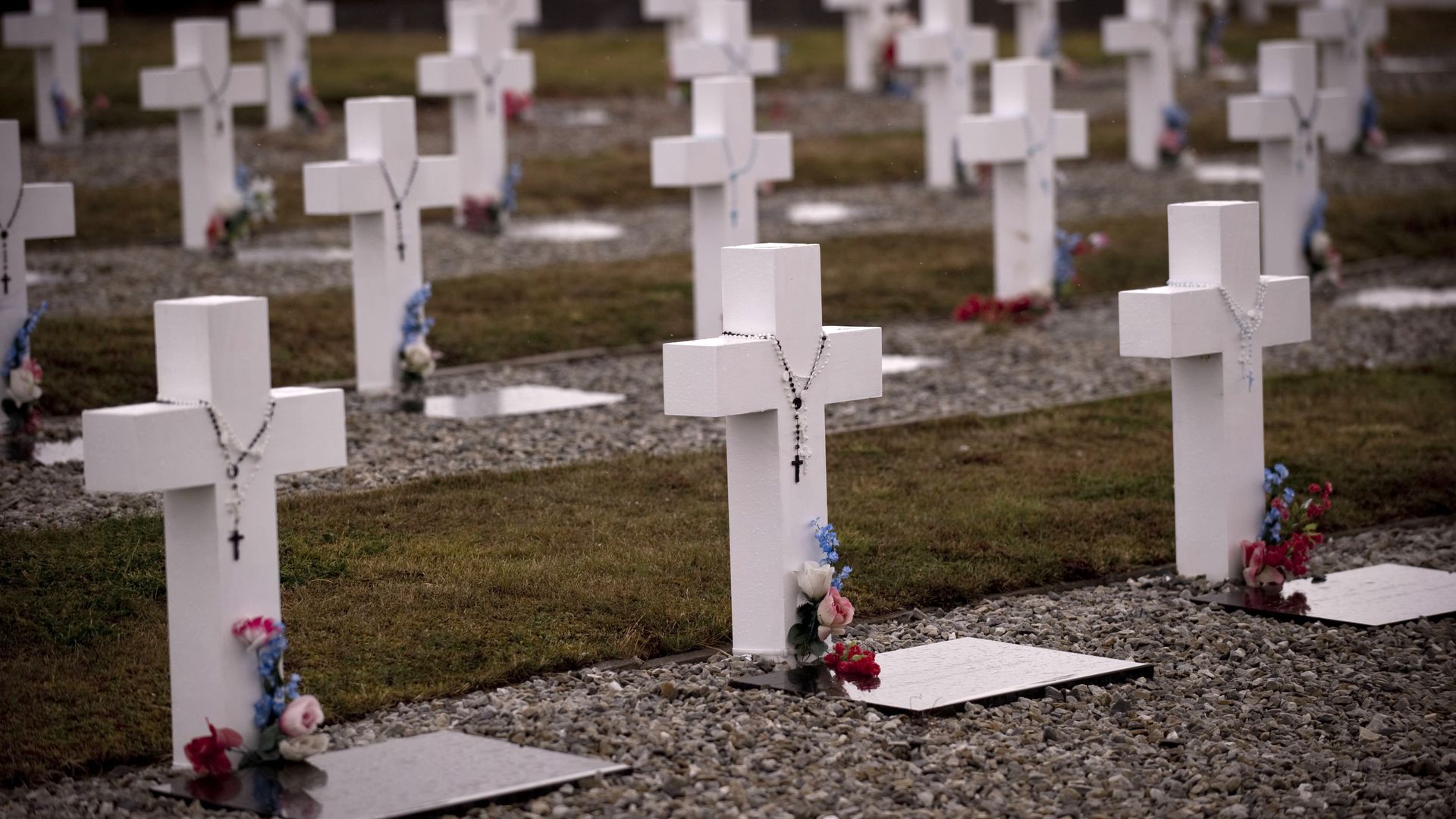
Latin Americans lying beneath unmarked tombstones and in mass graves across the region are recovering their names, decades after the conflicts that took their lives.
Driving the news: Last week six Argentine soldiers who died during the 1982 Falklands War were ID'd through forensic anthropology and genetic testing, as part of an international project supported by the Red Cross.
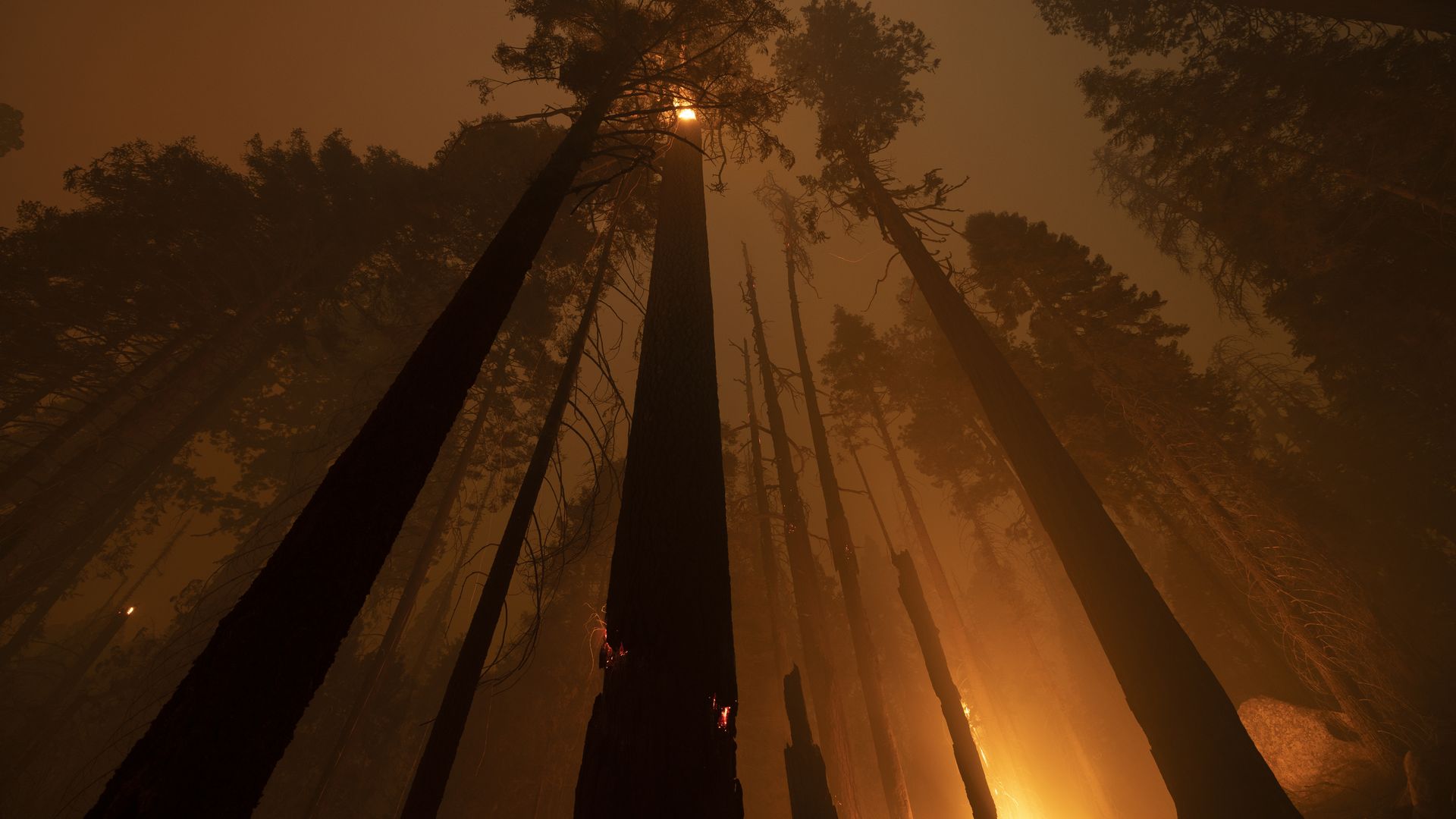
Two wildfires were threatening California's sequoia trees overnight — hours after authorities issued fresh evacuation orders and warnings, along with air quality alerts.
The big picture: Air quality alerts were issued Wednesday for the Bay Area and the San Joaquin Valley as smoke from the Windy and KNP Complex fires resulted in hazy, "ash-filled" skies from Fresno to Tulare, the Los Angeles Times notes.
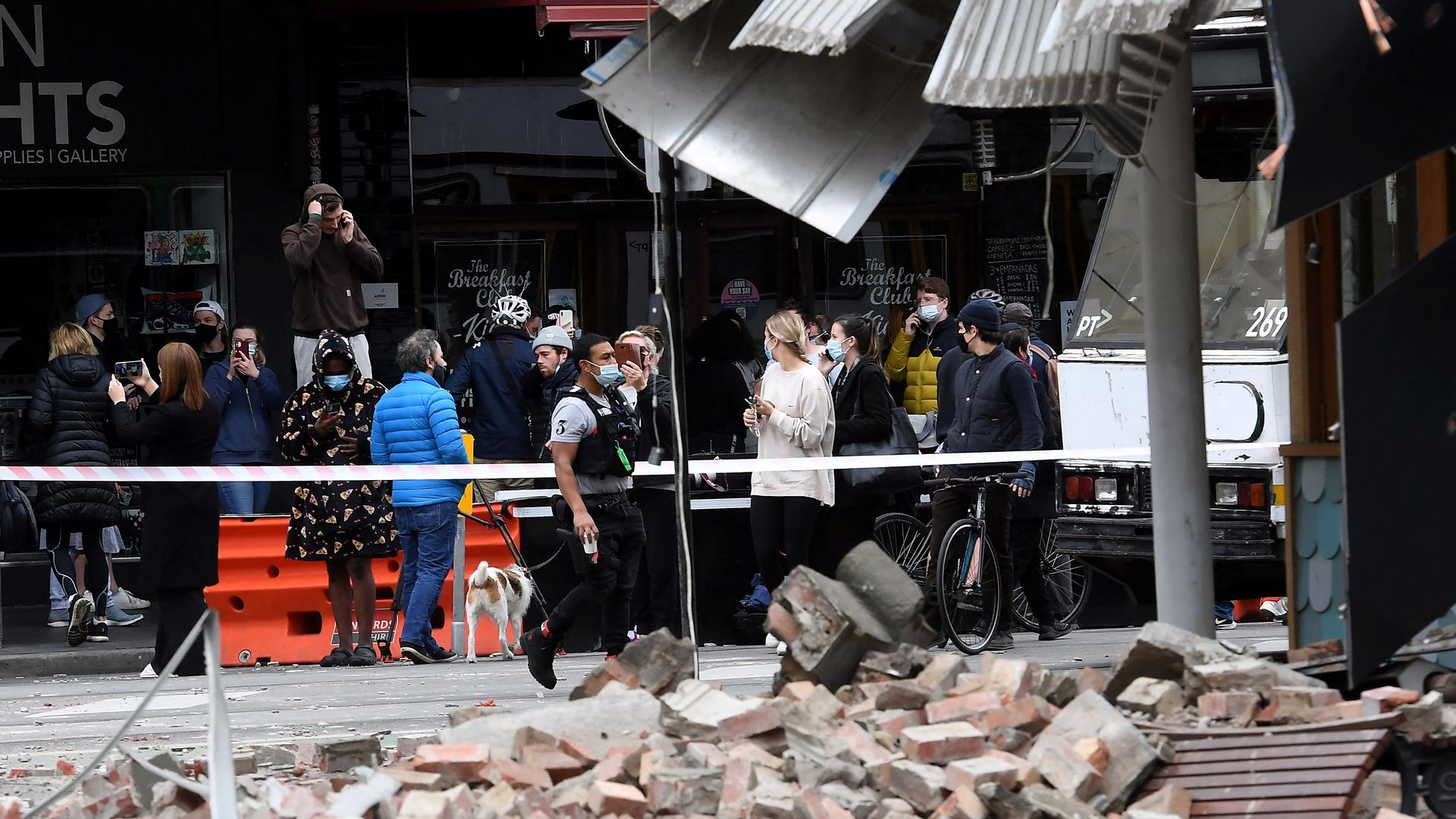
A magnitude 5.9 earthquake struck northeast of Melbourne, Australia, on Wednesday, causing buildings to shake over 300 miles away in the national capital, Canberra, per the Canberra Times.
Why it matters: Australian Prime Minister Scott Morrison noted at a briefing that earthquakes are "very rare events in Australia." It was one of seven quakes to strike the state of Victoria Wednesday, with tremors felt across four states, the Australian Broadcasting Corporation notes.