At some point in Earth's history, the planet's crust began to move, eventually giving rise to continents, mountains and volcanoes and supplying the surface with life-sustaining nutrients and elements. New research points to that movement starting in at least some places more than 3 billion years ago.
Why it matters: Earth is the only planet known so far to show plate tectonics. One of the biggest questions in geoscience is when and how tectonic activity began and changed, and answers could also guide the search for signs of similar processes — and potentially life — on far-away worlds.
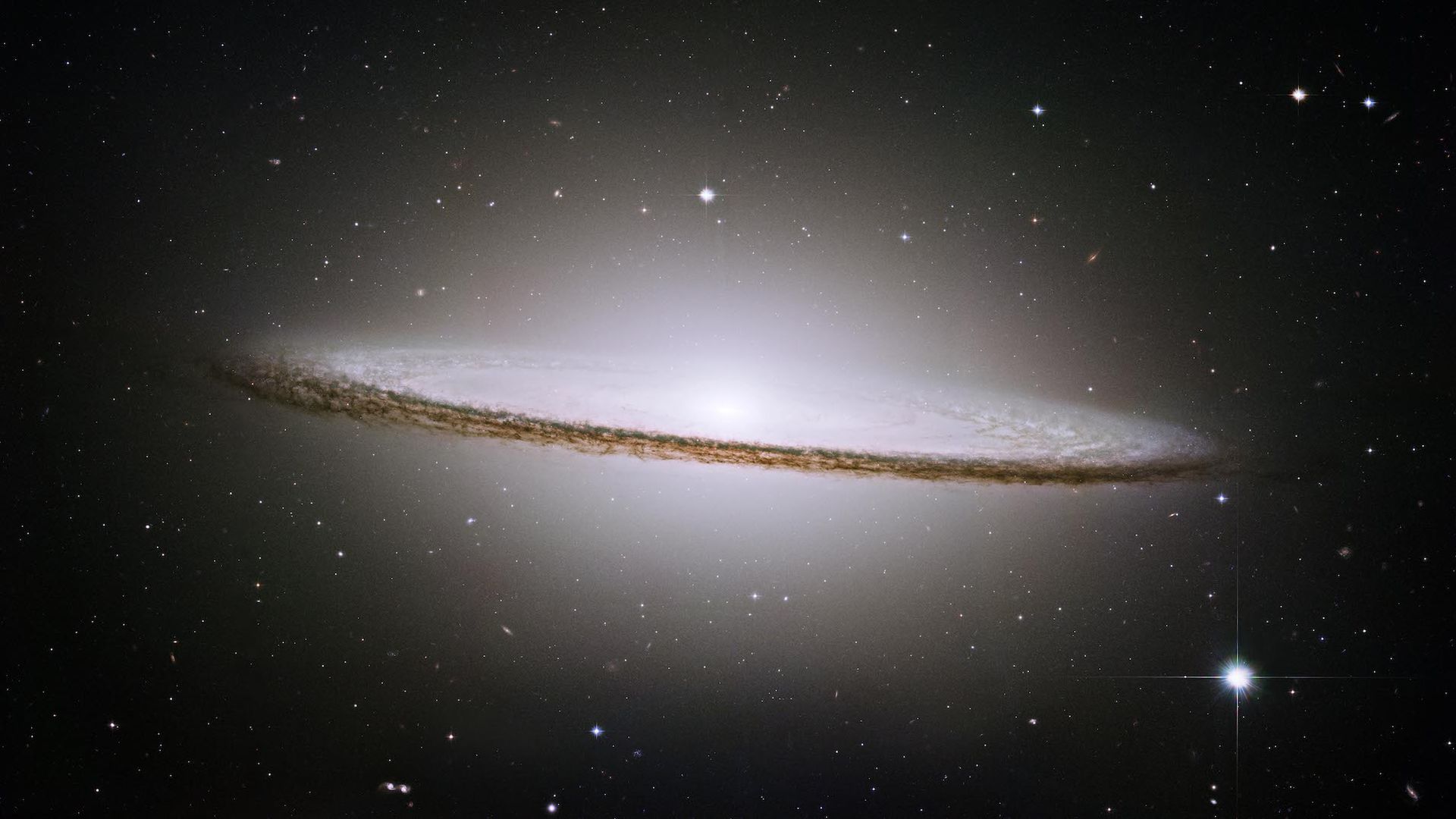
A spiral galaxy similar in shape to our Milky Way may have formed just 1.4 billion years after the Big Bang, far earlier than these types of galaxies were expected to emerge, according to a new study.
Why it matters: Understanding how galaxies formed and evolved into what we see now is one of the enduring mysteries in astronomy, and this study takes astronomers one step closer toward solving it.
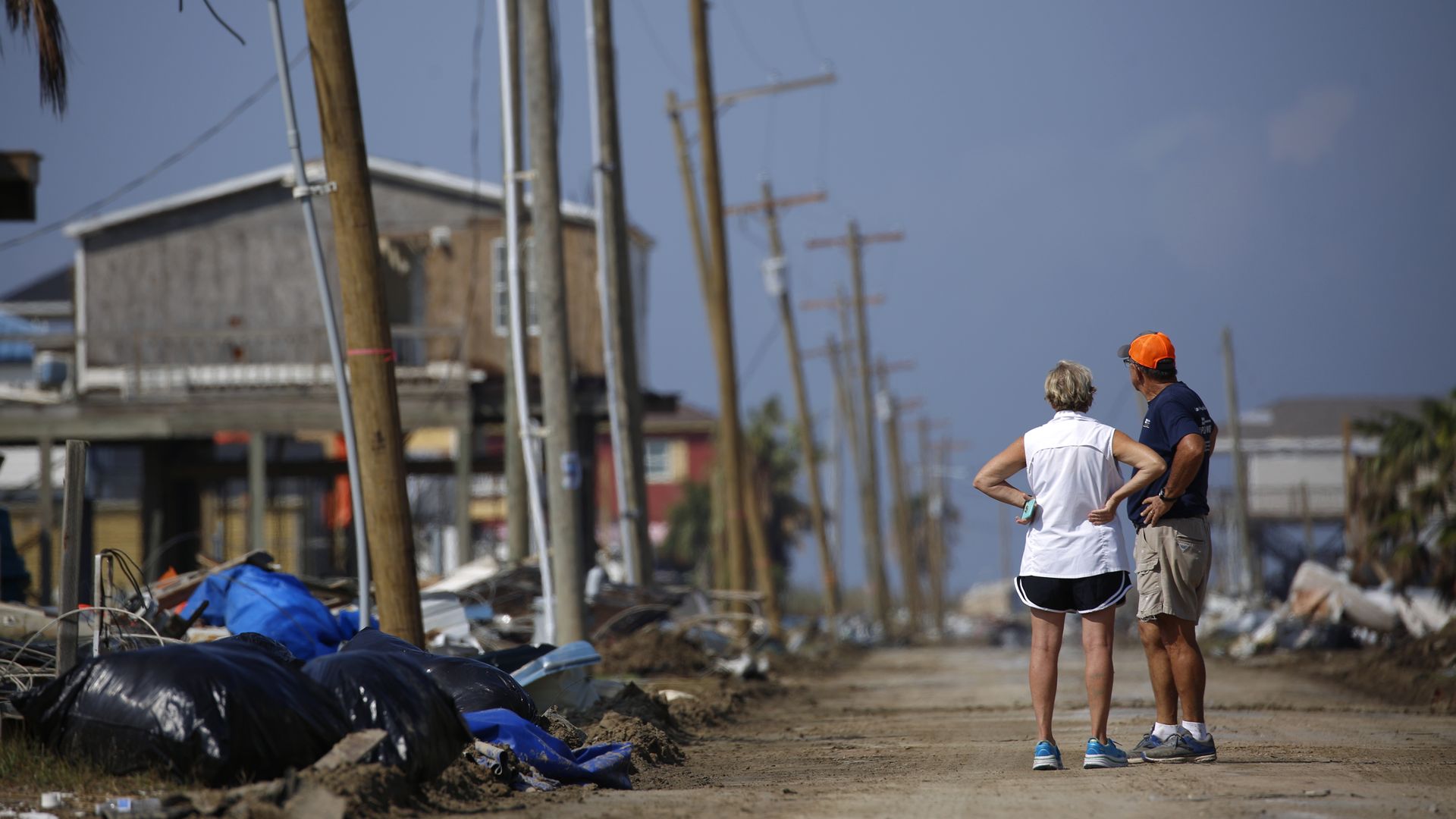
The National Oceanic and Atmospheric Administration (NOAA) is out with their official Atlantic hurricane season outlook, and it calls for above average storm activity, which would make this the sixth unusually active season in a row.
Why it matters: This hurricane season comes in the wake of the North Atlantic Basin's most active season on record, with 30 named storms occurring in 2020, 12 of which struck the U.S., setting a benchmark.
No matter the size of a black hole, they all appear to feed the same way, according to a new study.
Why it matters: Black holes are some of the most extreme objects found in our universe. By studying the way they grow, scientists should be able to piece together more about how they work.
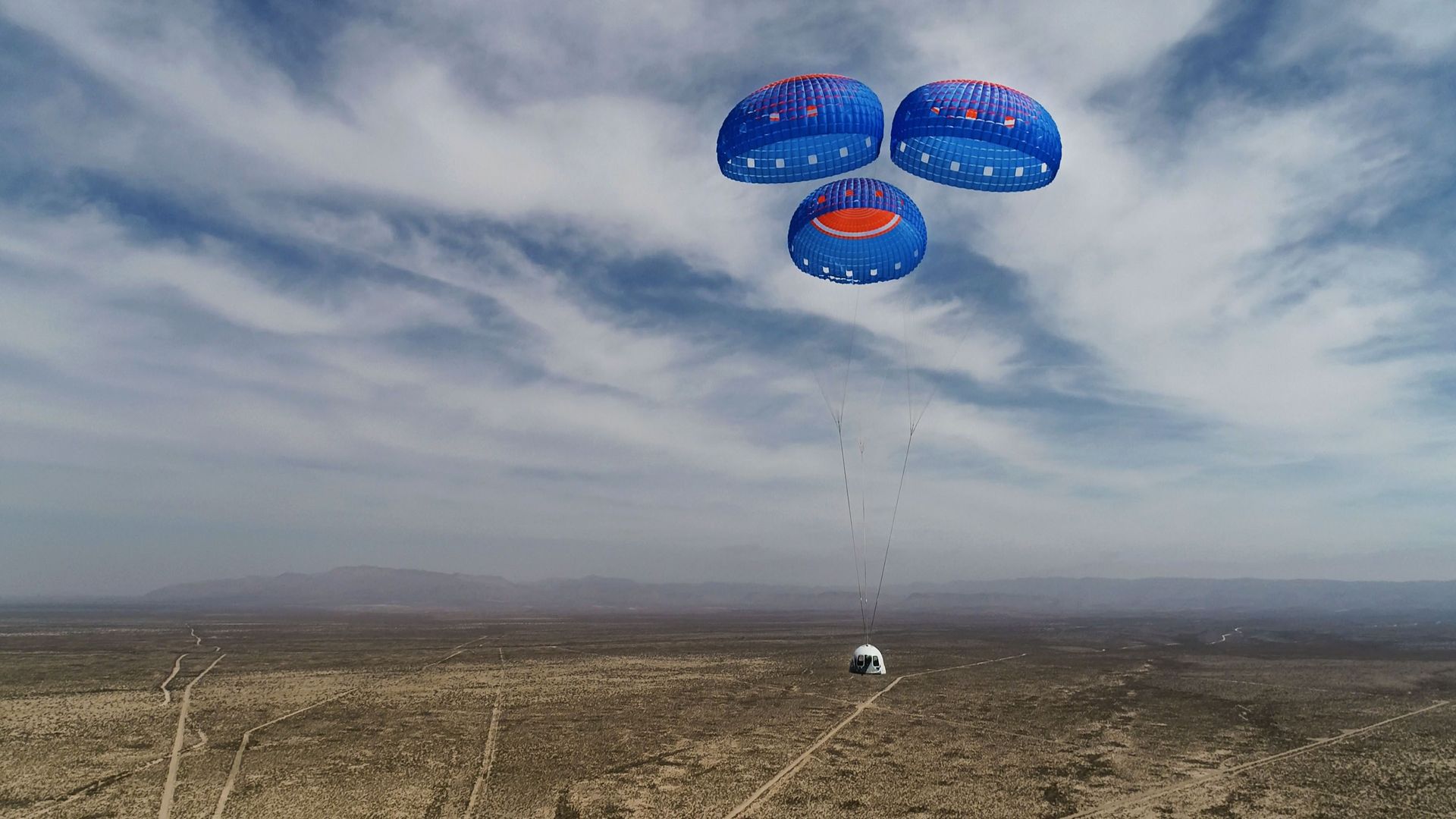
Blue Origin has unsealed the bidding for a seat aboard its suborbital space system. The current high bid is $2.6 million.
Why it matters: The Jeff Bezos-founded space company hasn't yet revealed a price per seat for rides aboard its New Shepard system, but this auction could help clarify demand in the market for these types of rides to the edge of space.
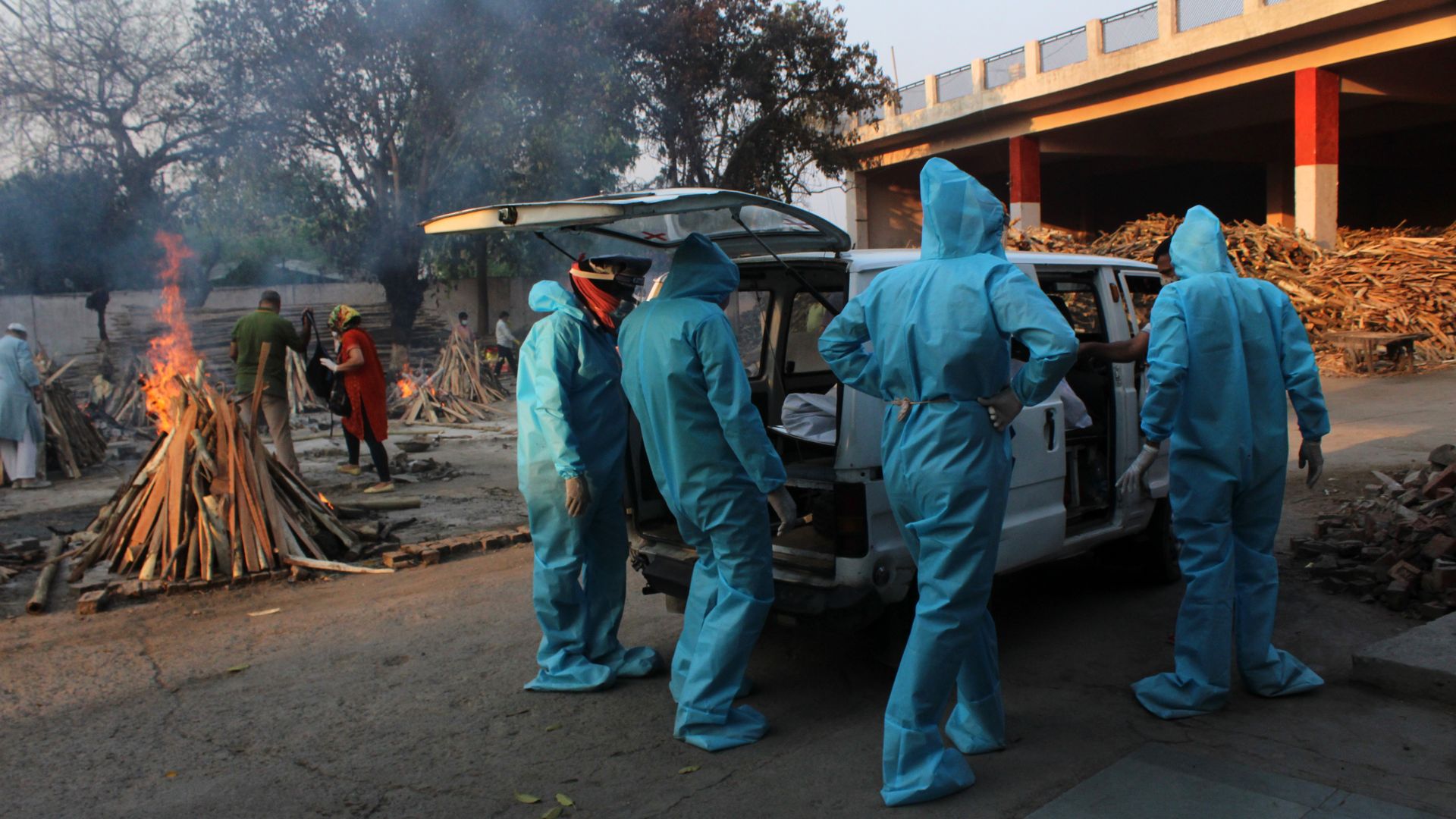
India's health ministry reported 4,529 deaths from COVID-19 in a single day on Wednesday and another 267,122 new cases.
Why it matters: It's the most number of deaths from the coronavirus reported by a country in a 24-hour period since the pandemic began, per the Washington Post, citing Johns Hopkins data.
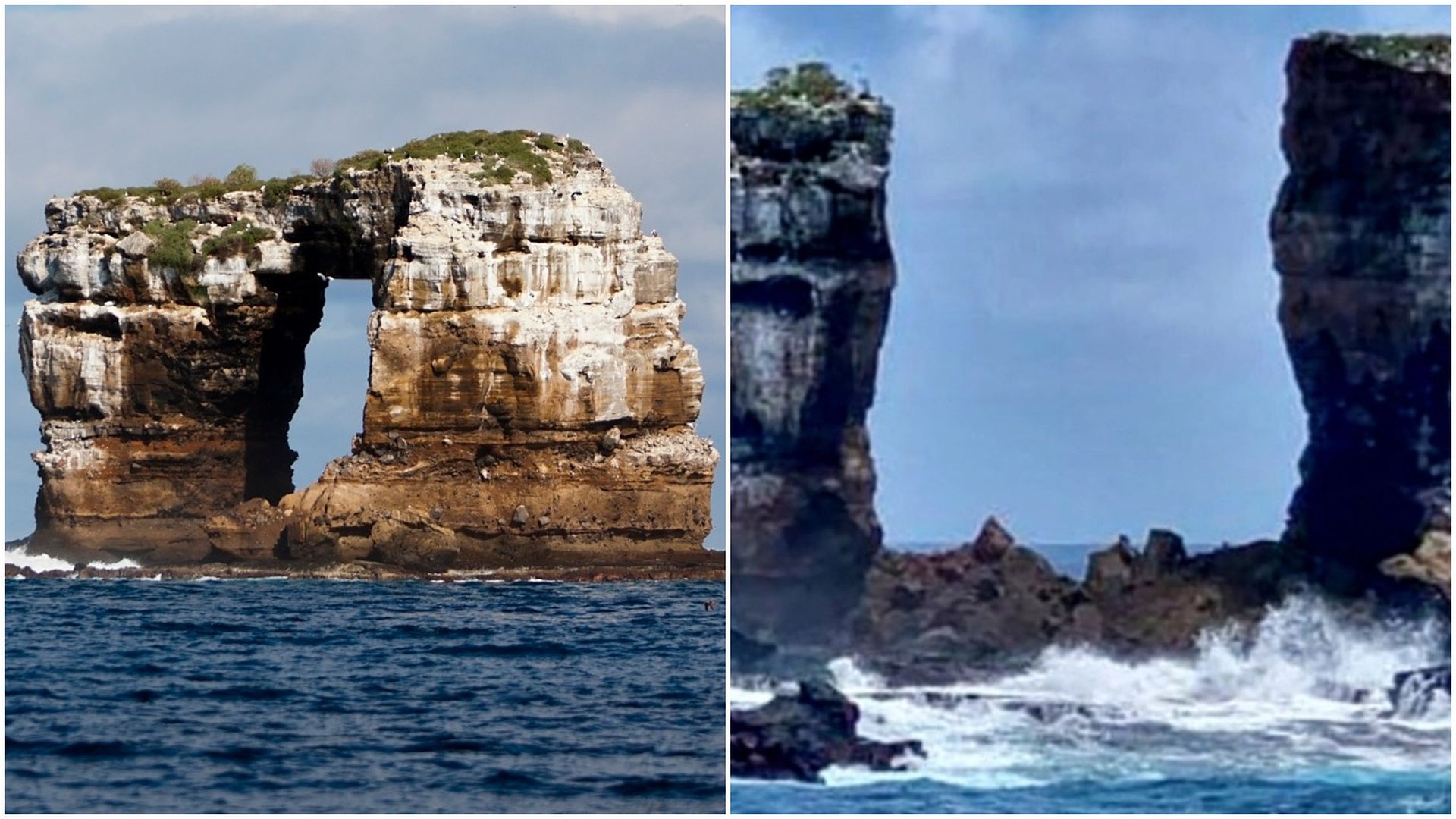
Darwin's Arch in the Galápagos Islands, "considered one of the best places on the planet to dive" and observe marine species, has collapsed, the Ministry of Environment for Ecuador has announced.
Why it matters: Although the ministry said the collapse of the 140-feet-high rock formation Monday was due to natural erosion, it casts a spotlight on a region that the United Nations has classified as "one of the world's most vulnerable places to the effects of climate change," per the New York Times.

/2021/05/20/1621478320571.gif?w=3840)