Drought is tightening its grip on the West, and that could spell fresh trouble for the region’s power grids.
Driving the news: Data released Thursday shows “exceptional drought,” the worst category, now extends across Napa, Sonoma and parts of the East Bay region. All of California is in at least "moderate" drought after an unusually dry winter, despite having entered the wet season without severe short-term drought outside of the northern reaches of the state.
At some point in Earth's history, the planet's crust began to move, eventually giving rise to continents, mountains and volcanoes and supplying the surface with life-sustaining nutrients and elements. New research points to that movement starting in at least some places more than 3 billion years ago.
Why it matters: Earth is the only planet known so far to show plate tectonics. One of the biggest questions in geoscience is when and how tectonic activity began and changed, and answers could also guide the search for signs of similar processes — and potentially life — on far-away worlds.
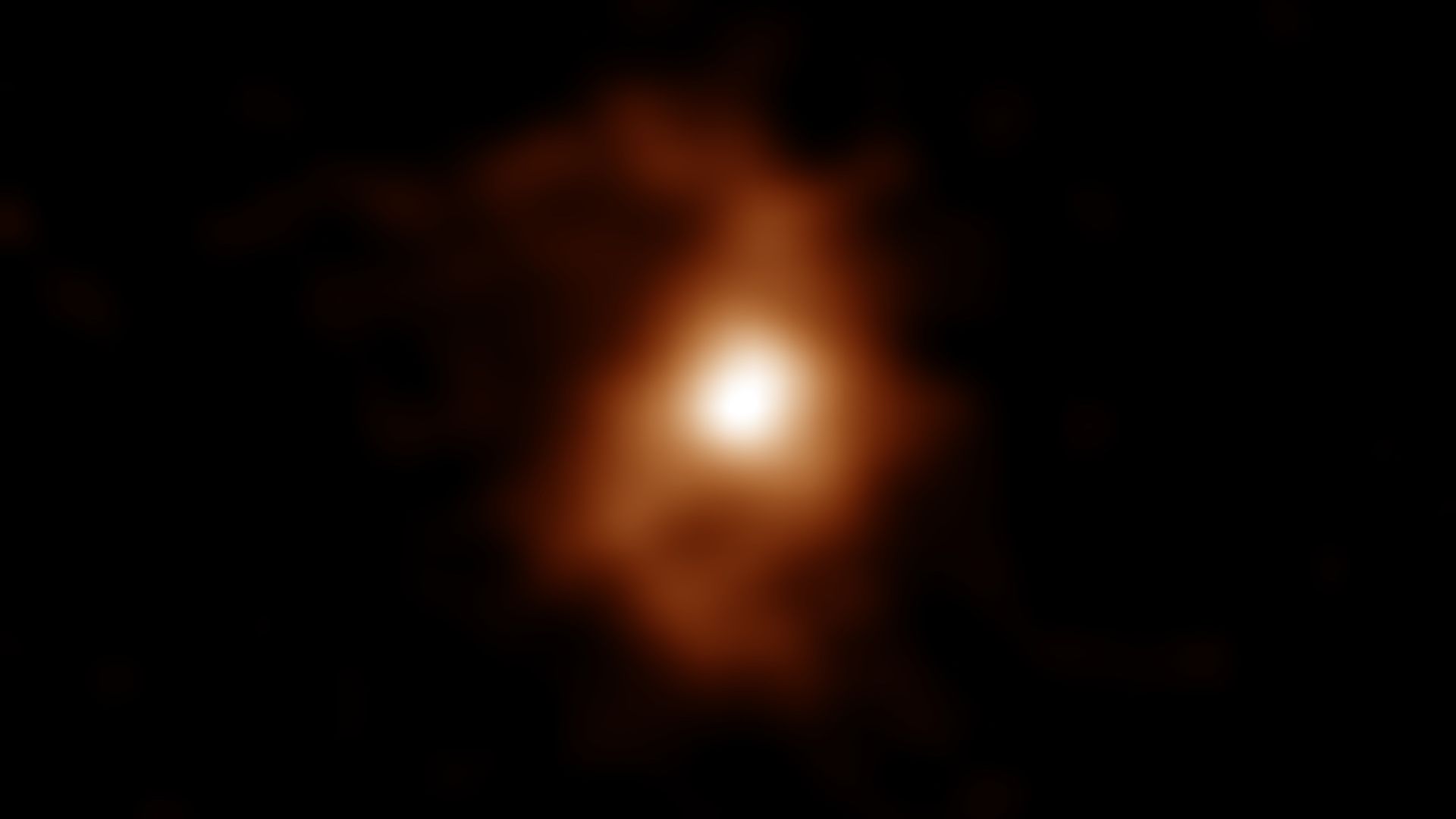
A spiral galaxy similar in shape to our Milky Way may have formed just 1.4 billion years after the Big Bang, far earlier than these types of galaxies were expected to emerge, according to a new study.
Why it matters: Understanding how galaxies formed and evolved into what we see now is one of the enduring mysteries in astronomy, and this study takes astronomers one step closer toward solving it.
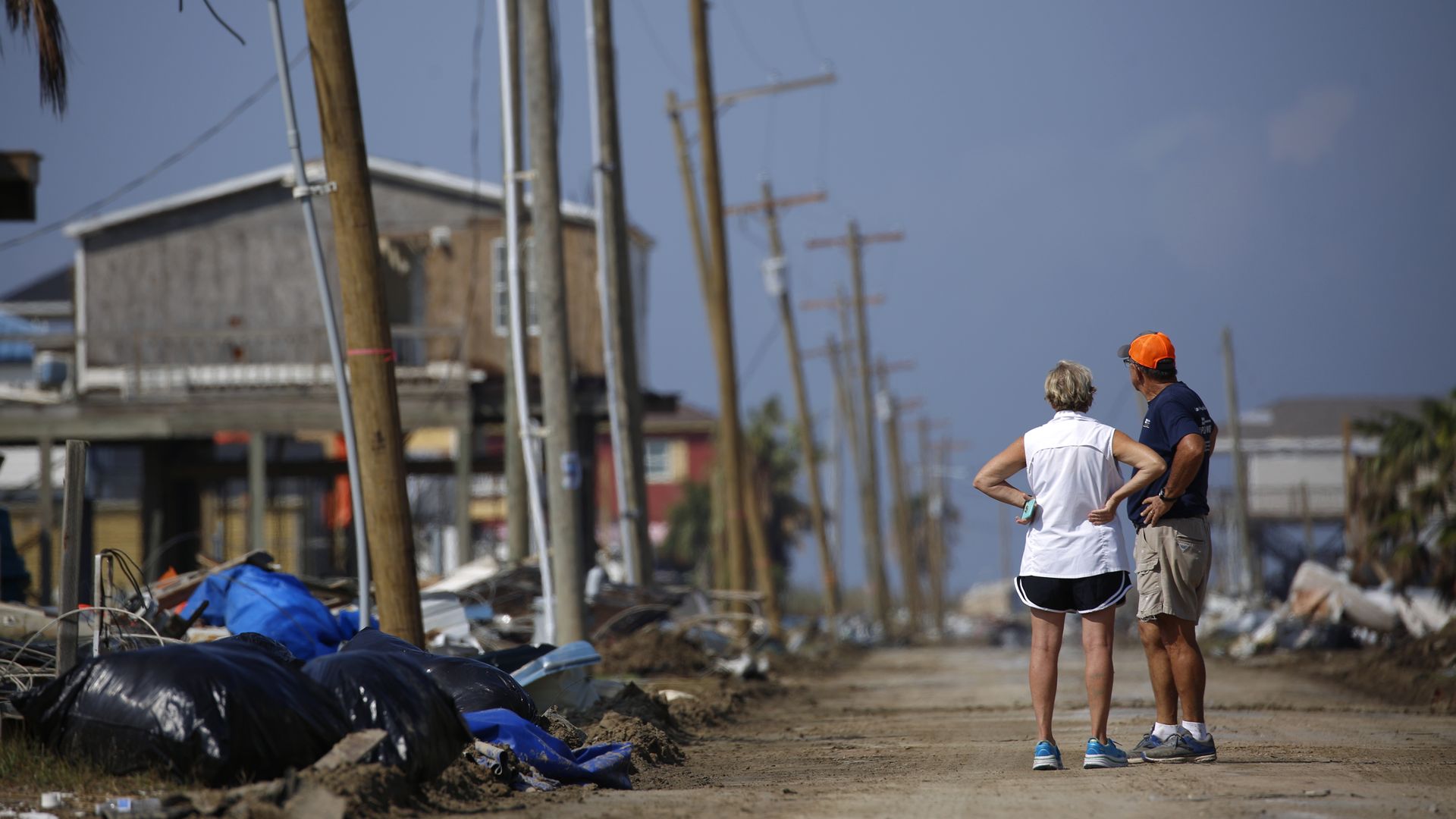
The National Oceanic and Atmospheric Administration (NOAA) is out with their official Atlantic hurricane season outlook, and it calls for above average storm activity, which would make this the sixth unusually active season in a row.
Why it matters: This hurricane season comes in the wake of the North Atlantic Basin's most active season on record, with 30 named storms occurring in 2020, 12 of which struck the U.S., setting a benchmark.


/2021/05/20/1621478320571.gif?w=3840)