In many areas, the Brood X cicadas that are emerging across a 15-state region are spottier in their prevalence than they were 17 years ago. Some neighborhoods have been inundated with the insects, while others are seeing only a few.
Why it matters: The 17-year periodical cicadas are one of nature's wonders, but the patchiness of the emergence, particularly in suburbia, points to one of the key threats to these unique insects: urbanization.
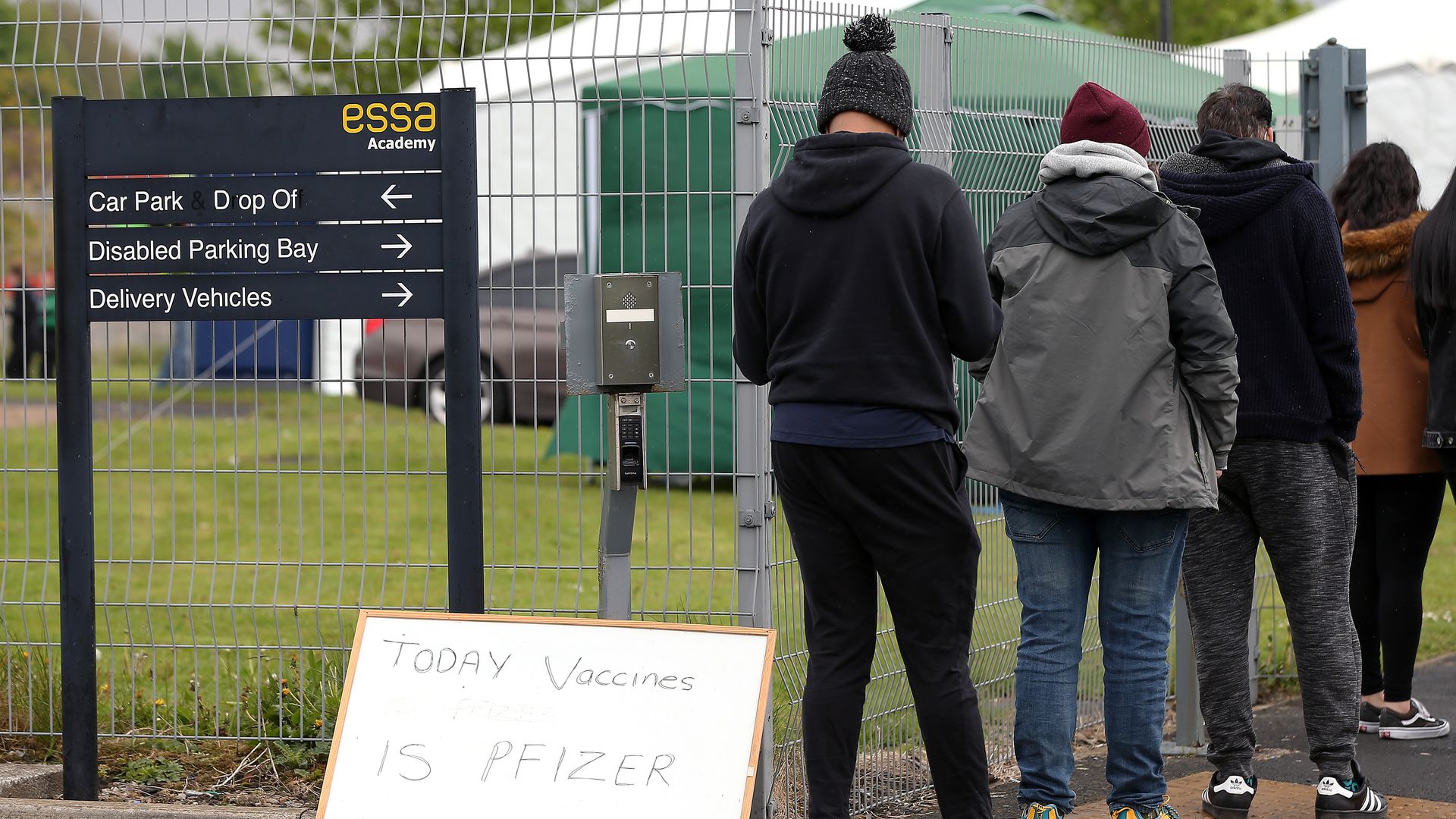
Two doses of the COVID-19 vaccines made by Pfizer-BioNTech or AstraZeneca are "highly effective" against variants first detected in India and the United Kingdom, health officials in England announced Saturday.
Why it matters: Some health experts have expressed concerns that contagious new variants could be more resistant against coronavirus vaccines, potentially prolonging the pandemic.
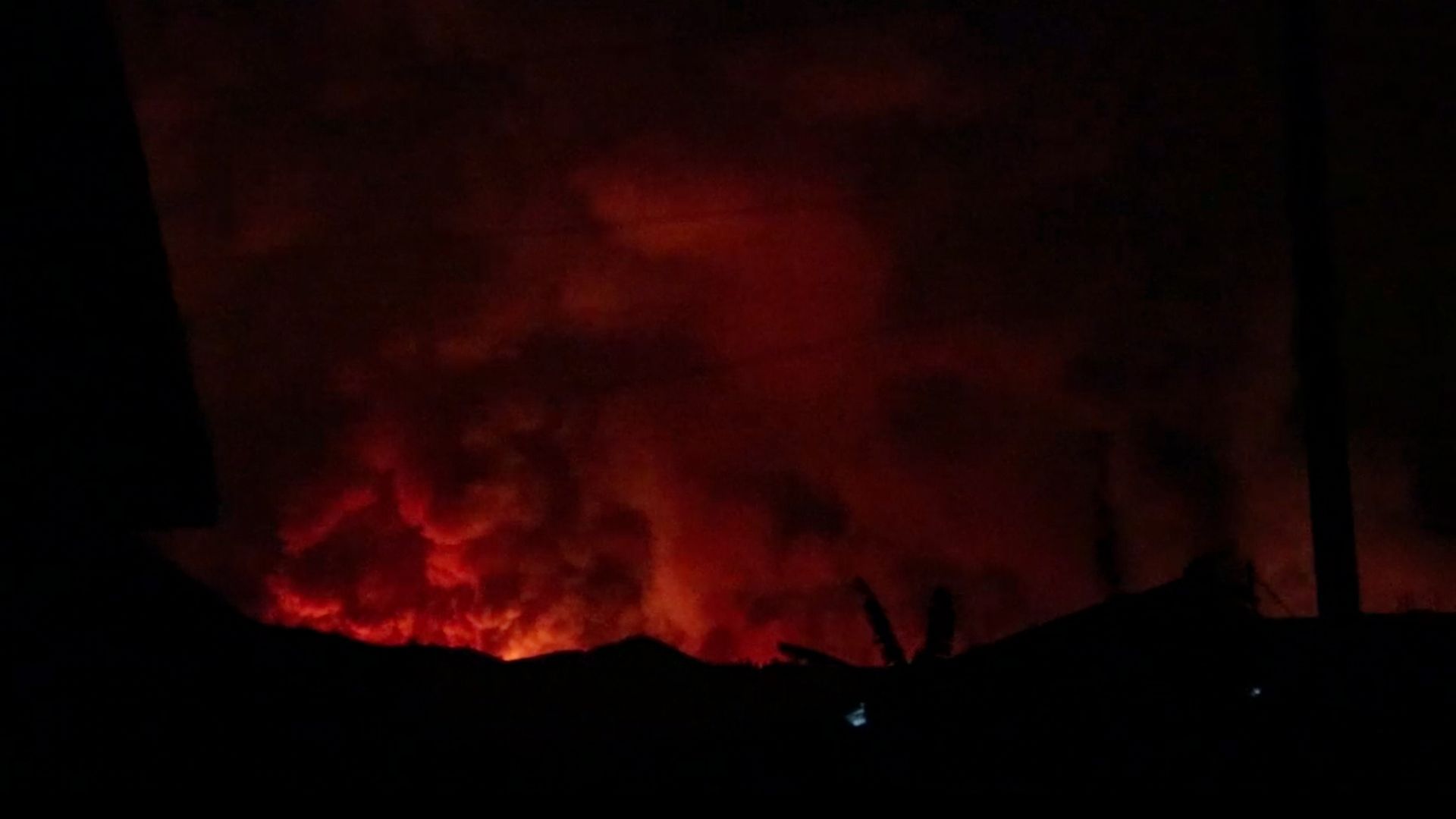
Mount Nyiragongo in the eastern Democratic Republic of Congo erupted on Saturday, forcing thousands of people to evacuate the nearby city of Goma, per Reuters.
The state of play: Witnesses told AP that lava had "engulfed" a highway connecting Goma with the city of Beni and Reuters reports that lava has reached an area near Goma's airport, on the outskirts of the city, which has a population of about 2 million.
Virgin Galactic, founded by British billionaire Richard Branson, completed its third rocket-powered flight into space on Saturday after taking off from New Mexico, the company announced.
Why it matters: The flight is a step toward the company being able to offer commercial trips to suborbital space.
The revival of the "lab leak" theory of COVID-19 — that it started with a virus that originated in a laboratory — is drawing new attention to the dangers of scientific experiments that enhance pathogens to study them.
Why it matters: So-called "gain-of-function" research can be invaluable in predicting future pandemic threats, but it can also generate risks by introducing new, potentially more dangerous viruses.

/2021/05/21/1621614625099.gif?w=3840)