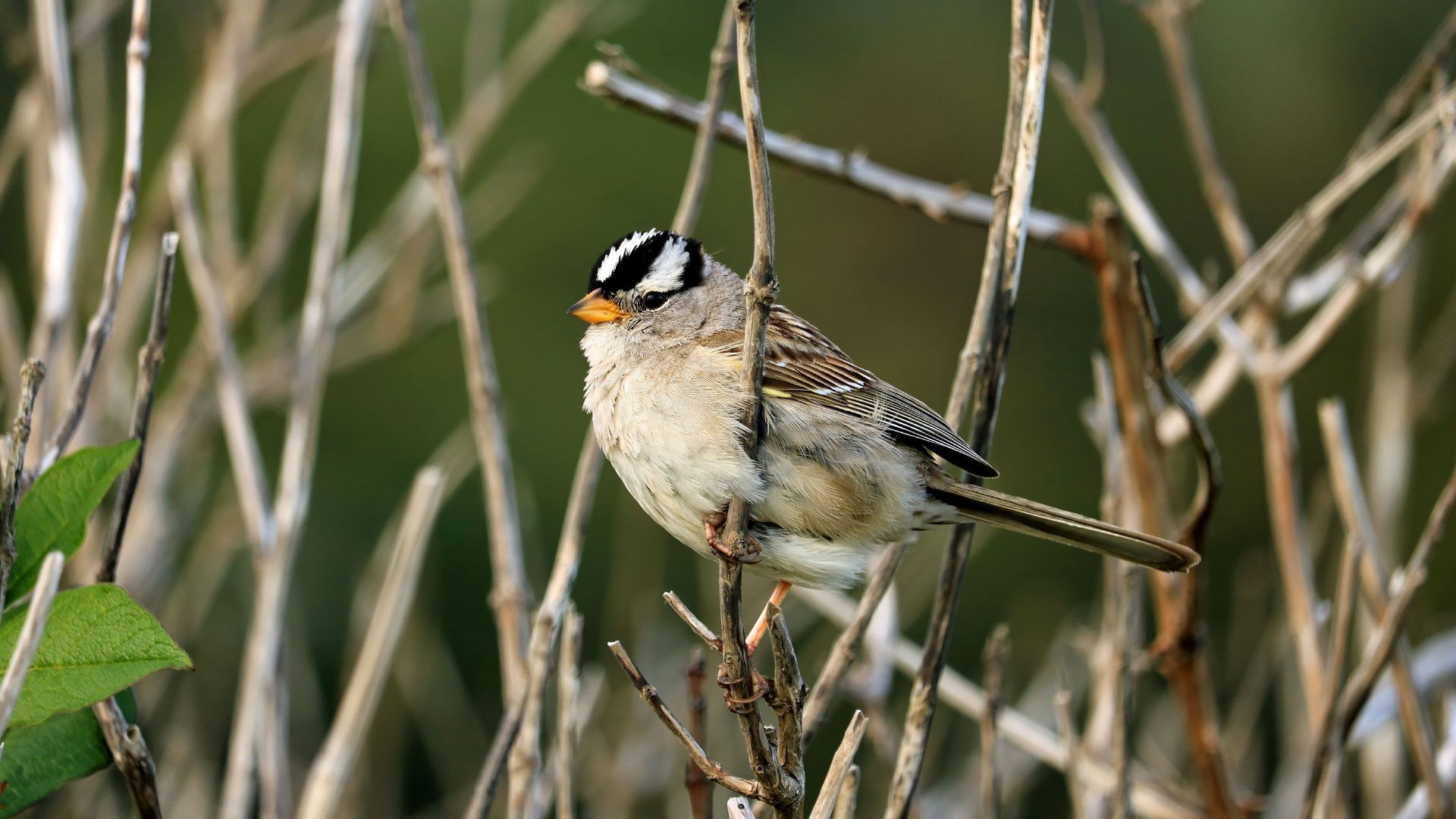
When San Francisco hushed during coronavirus shutdowns earlier this year, a common songbird responded by changing its tune.
Why it matters: Earlier work found birds alter their songs to compensate for urban noise. This study suggests they are "adaptable enough to shift back if noise pollution is removed," says Ken Otter, an ornithologist at the University of Northern British Columbia who wasn't involved in the study.
How sick a person gets from a virus can depend onhow much of the pathogen that person was exposed to and how much virus is replicating in their body — questionsthat are still open for the novel coronavirus.
Why it matters: As people try to balance resuming parts of their daily lives with controlling their risk of COVID-19, understanding the role of viral load could help tailor public health measures and patient care.
A new study finds that the physical and cognitive ability of older people has improved meaningfully over the past 30 years.
Why it matters: With the population of the elderly set to boom over the next several decades, their health and well-being are more important than ever. New research shows that rapid decline isn't a given.
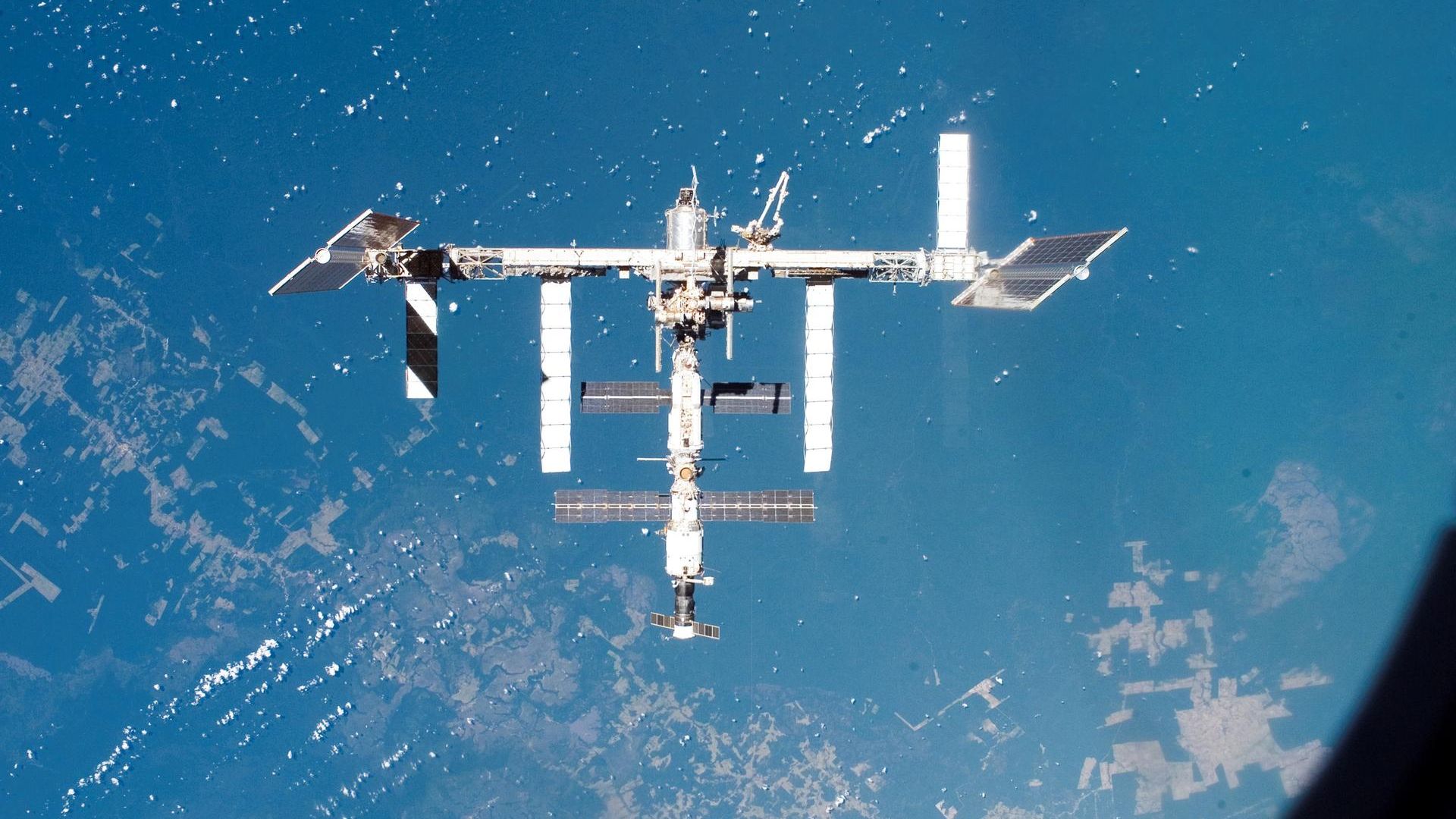
The International Space Station is openfor business and private companies are making expensive plans to capitalize on it.
Why it matters: This commercialization effort by NASA is part of the agency's broader goals to welcome a broad swath of private enterprises to space to boost an economy in low-Earth orbit that will make NASA a buyer among many users instead of a sole provider.
Scientists have found pieces of asteroid Vesta on asteroid Bennu's surface.
Why it matters: The new finding — detailed in the journal Nature Astronomy — gives researchers some insight into the origins of Bennu, a space rock that's actually a collection of rubble that came together after a huge collision, NASA said.
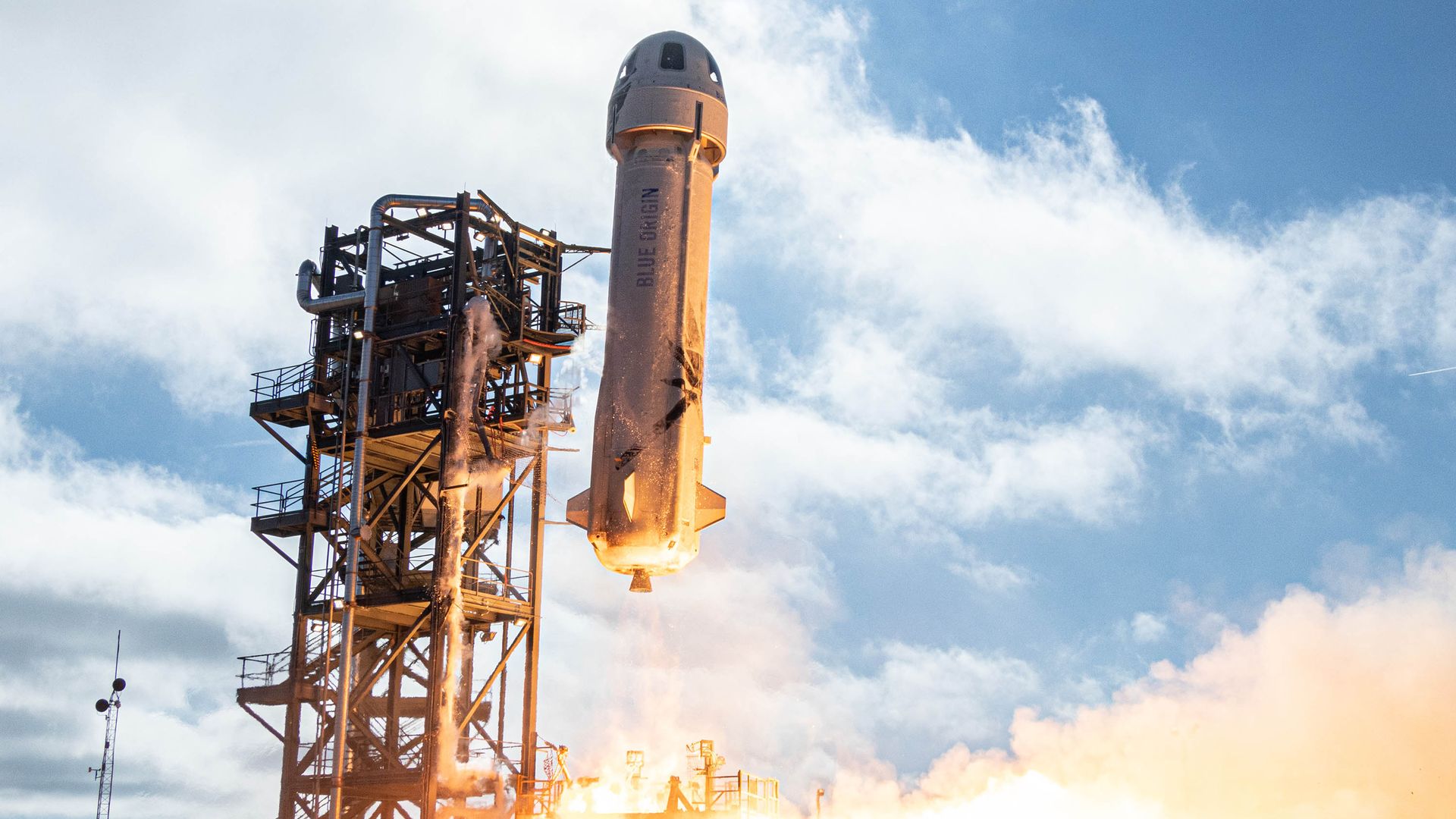
The private spaceflight industry isn't just interested in being the manufacturing and infrastructure workhorse in space — some want in on exploration.
Why it matters: Studying planets from close range has long been the realm of governments able to fund and fly missions to distant locations like the Moon, Mars and Venus. Now, private companies are shooting for those destinations and they're prioritizing science at the same time.
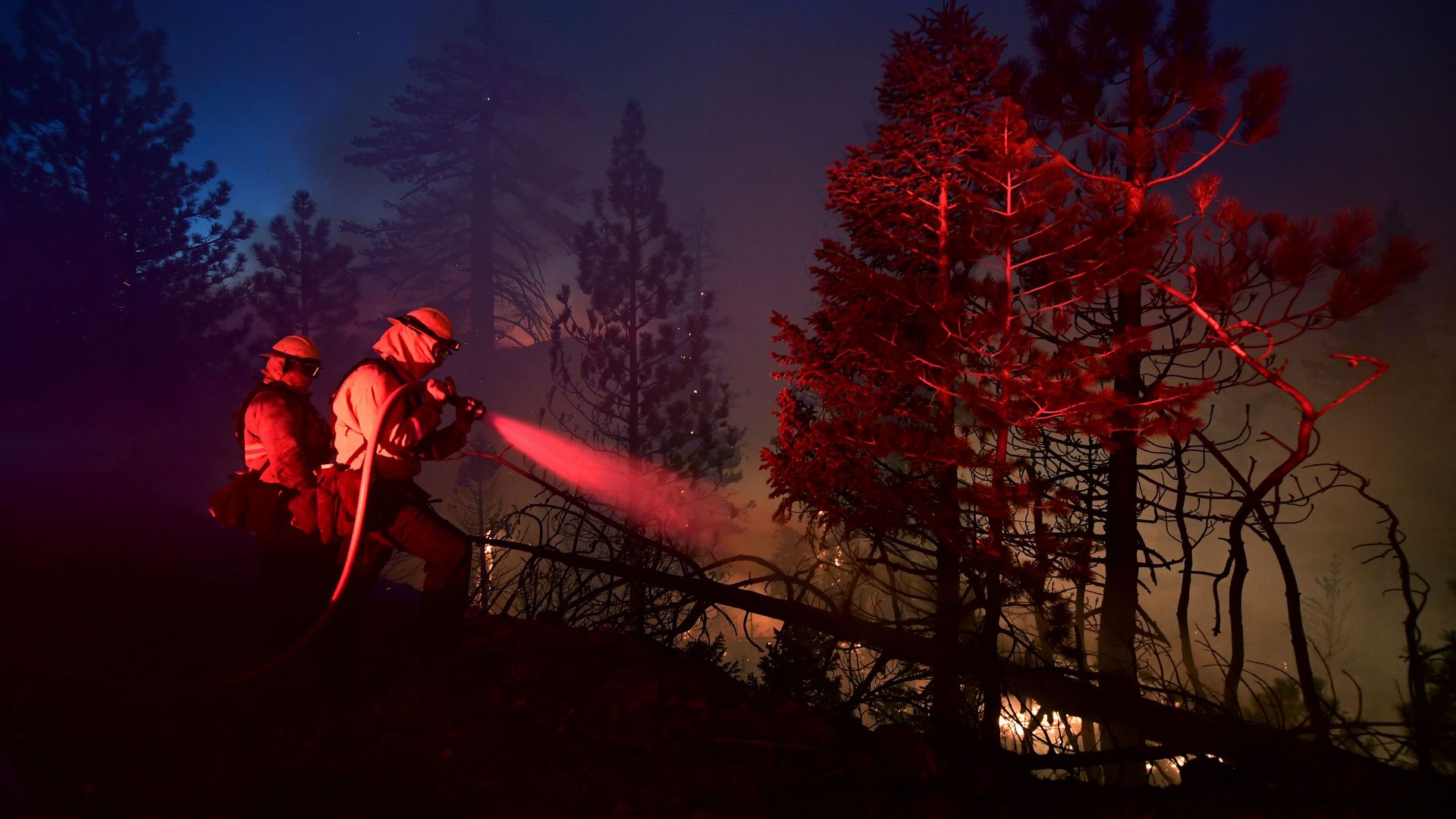
The big picture: 75 large wildfires were burning in the U.S. Tuesday, the first day of fall, as cooler weather provided relief to firefighters and improved air quality across the West.The mega-fires have killed at least 36 people and charred more than 5 million acres in Oregon, Washington and California — where 26 people have died, over 7,1000 structures have been destroyed and more than 3.6 million acres have been razed.