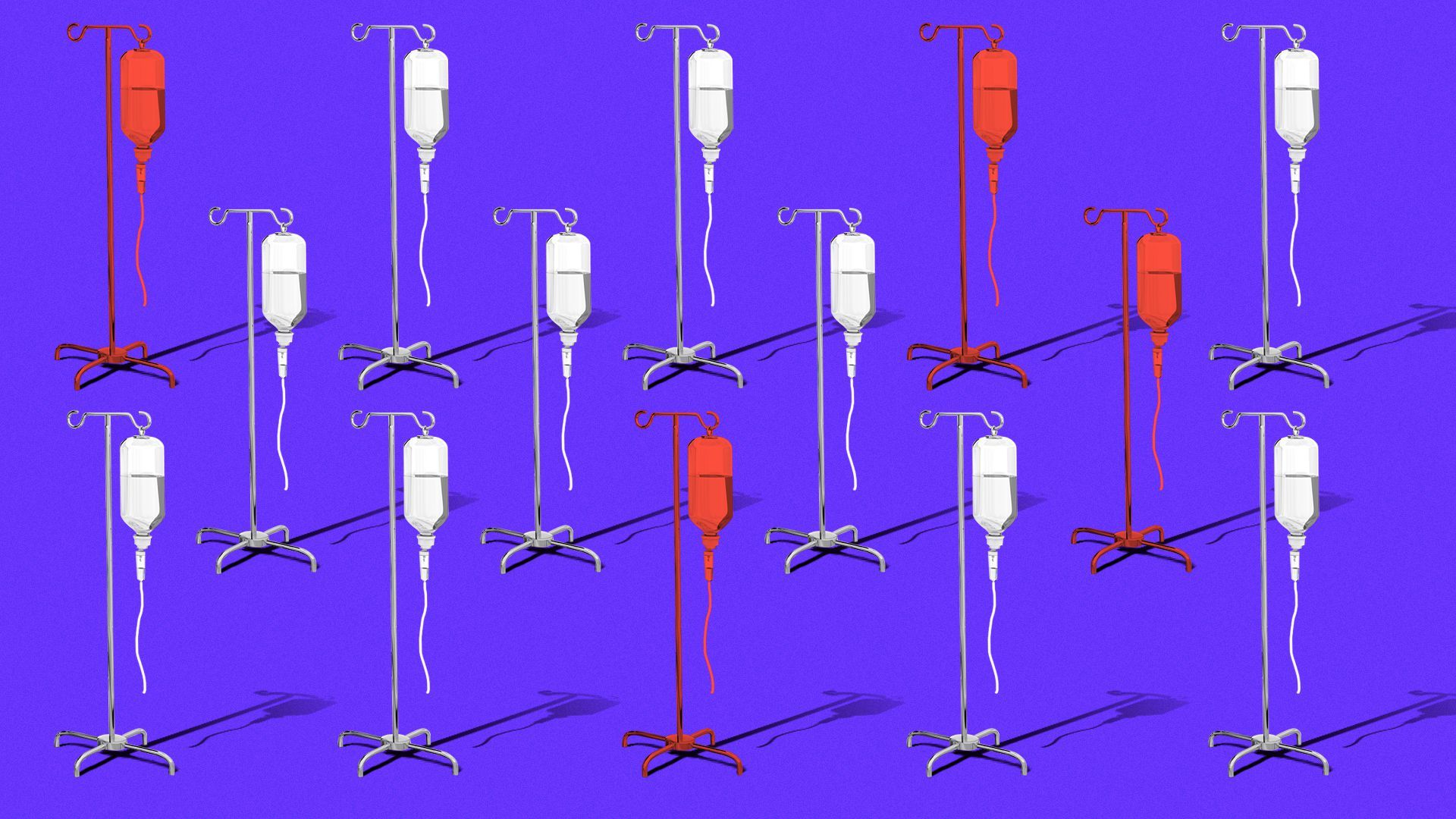
There's some good news in 2020: Cancer death rates have been falling overall, and the gap between racial and ethnic groups has been narrowing.
Yes, but: Decades of systemic racism and the structures developed under it continue to limit the ability of Americans to benefit equally from cancer advances, some medical experts tell Axios, as seen by Black Americans who've had the highest death rate from cancer for 40 years. And the pandemic is expected to exacerbate the problem further.
Doctors are concerned the coronavirus pandemic is going to lead to an uptick in cancer incidence and deaths — and exacerbate racial, ethnic and socioeconomic disparities seen with the disease.
Why it matters: The U.S. has made recent advances in lowering cancer deaths — including narrowing the gap between different race and ethnicities in both incidence and death rates. But the pandemic could render some of these advances moot.
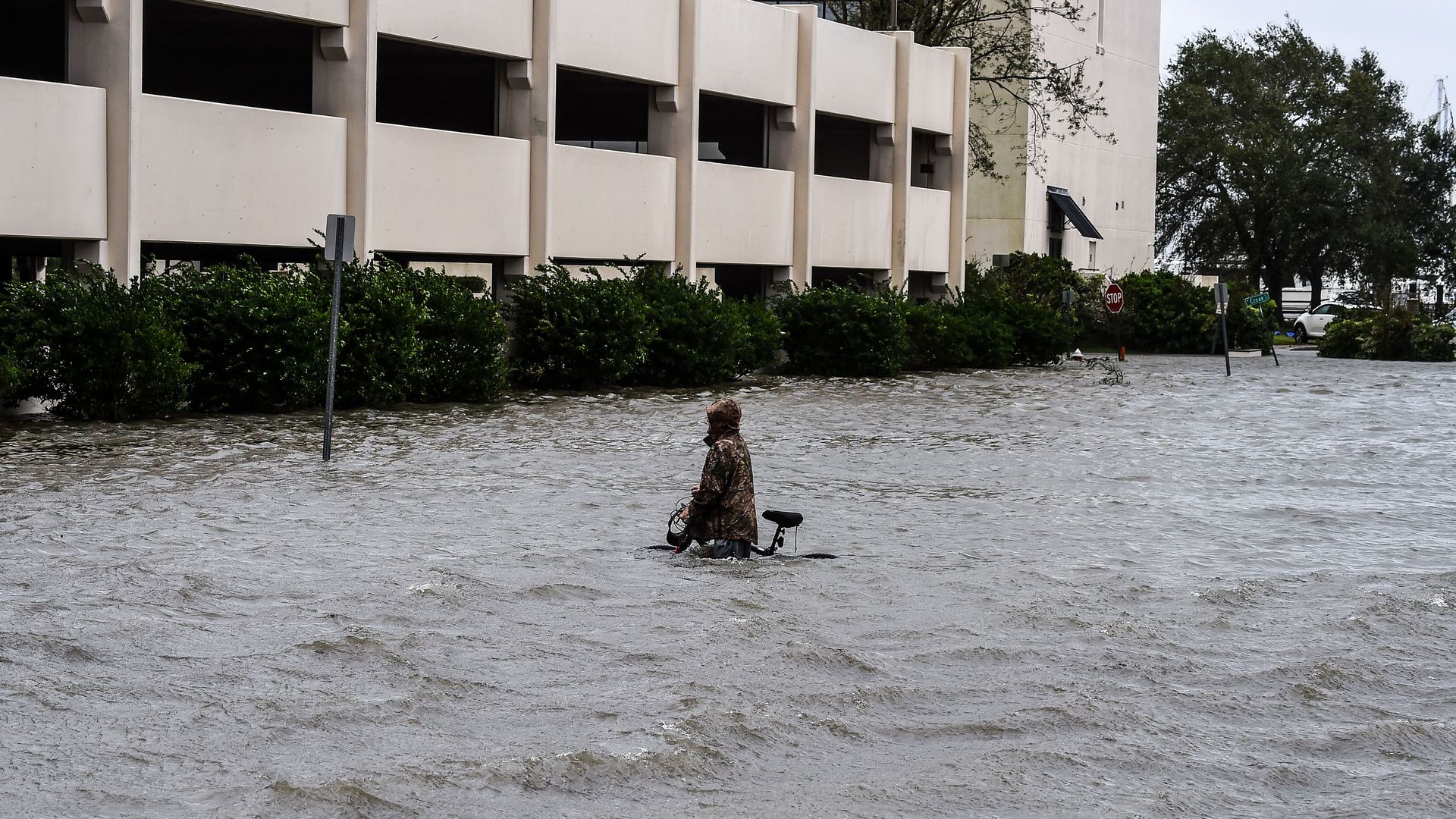
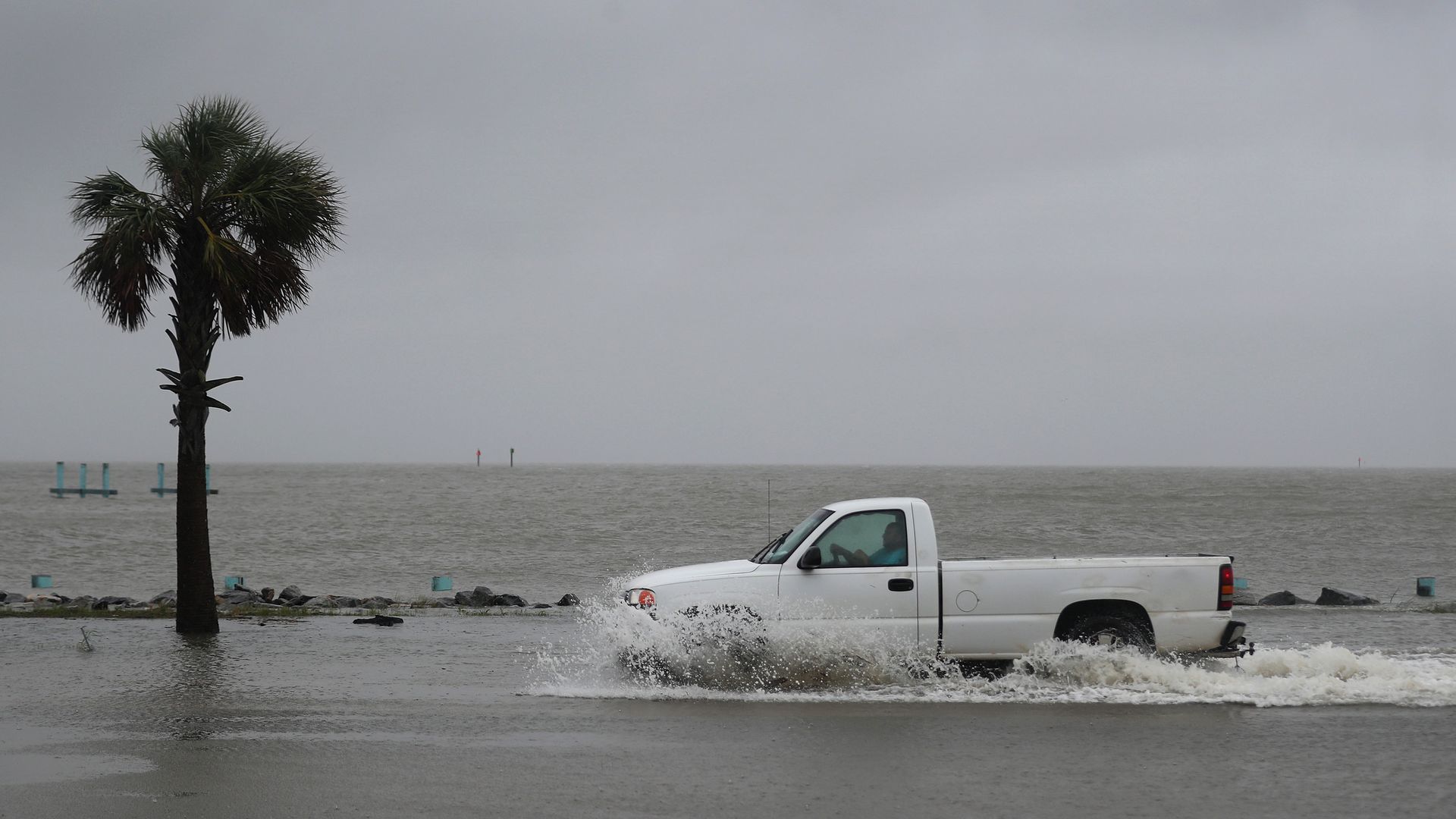
"Catastrophic" flooding from Tropical Depression Sally spilled inland across eastern Alabama and southwestern Georgia on Wednesday, bringing peak winds down to 45 mph winds, per the National Hurricane Center.
Why it matters: The mayor of Orange Beach, Ala., said one person died in the storm and hundreds of others have been rescued, per AP. Sally made landfall as a Category 2 hurricane near Gulf Shores, before later being downgraded to a tropical storm and later a depression. But the NHC warned late Wednesday it's "still causing torrential rains over eastern Alabama and western Georgia."
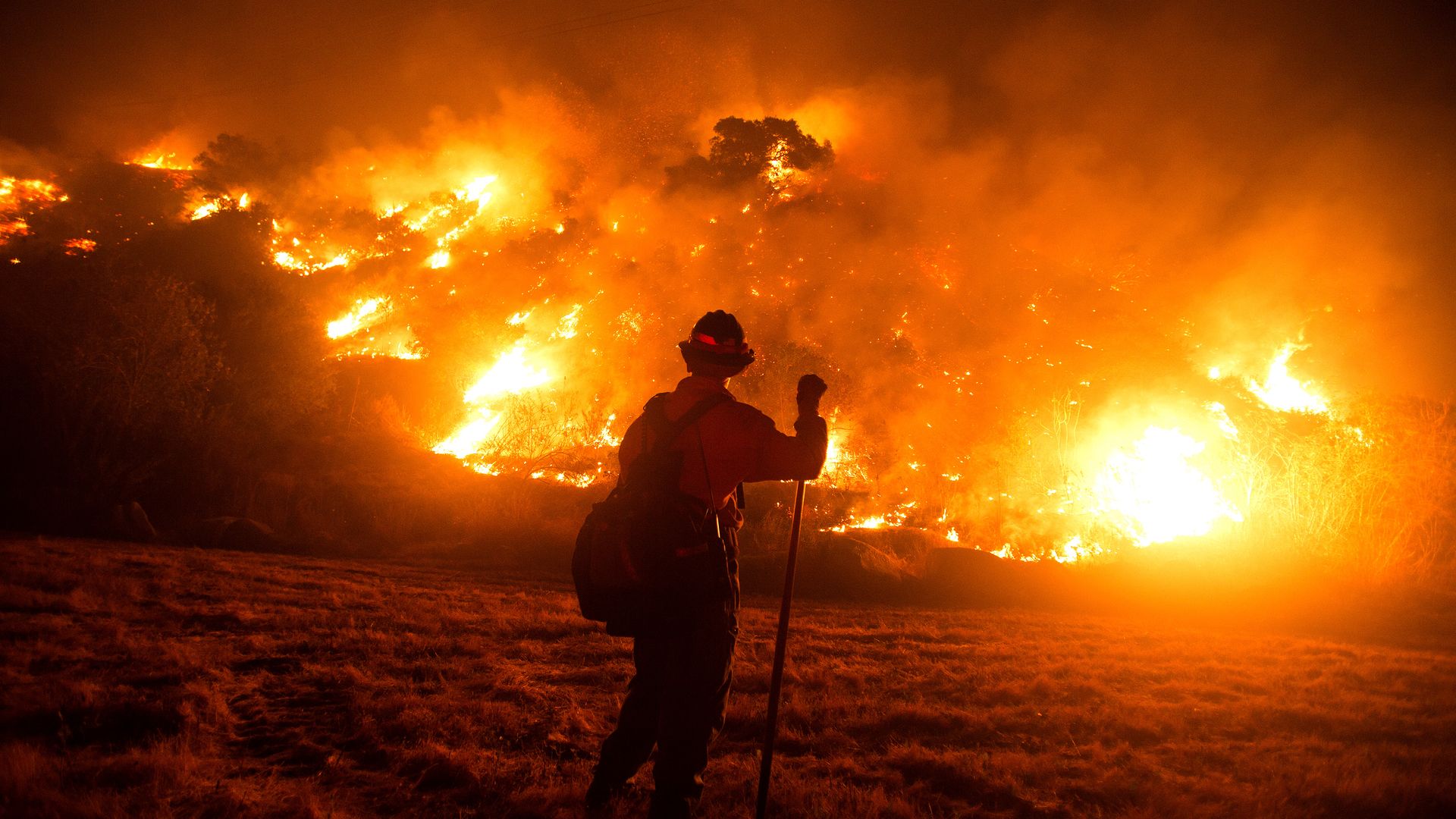
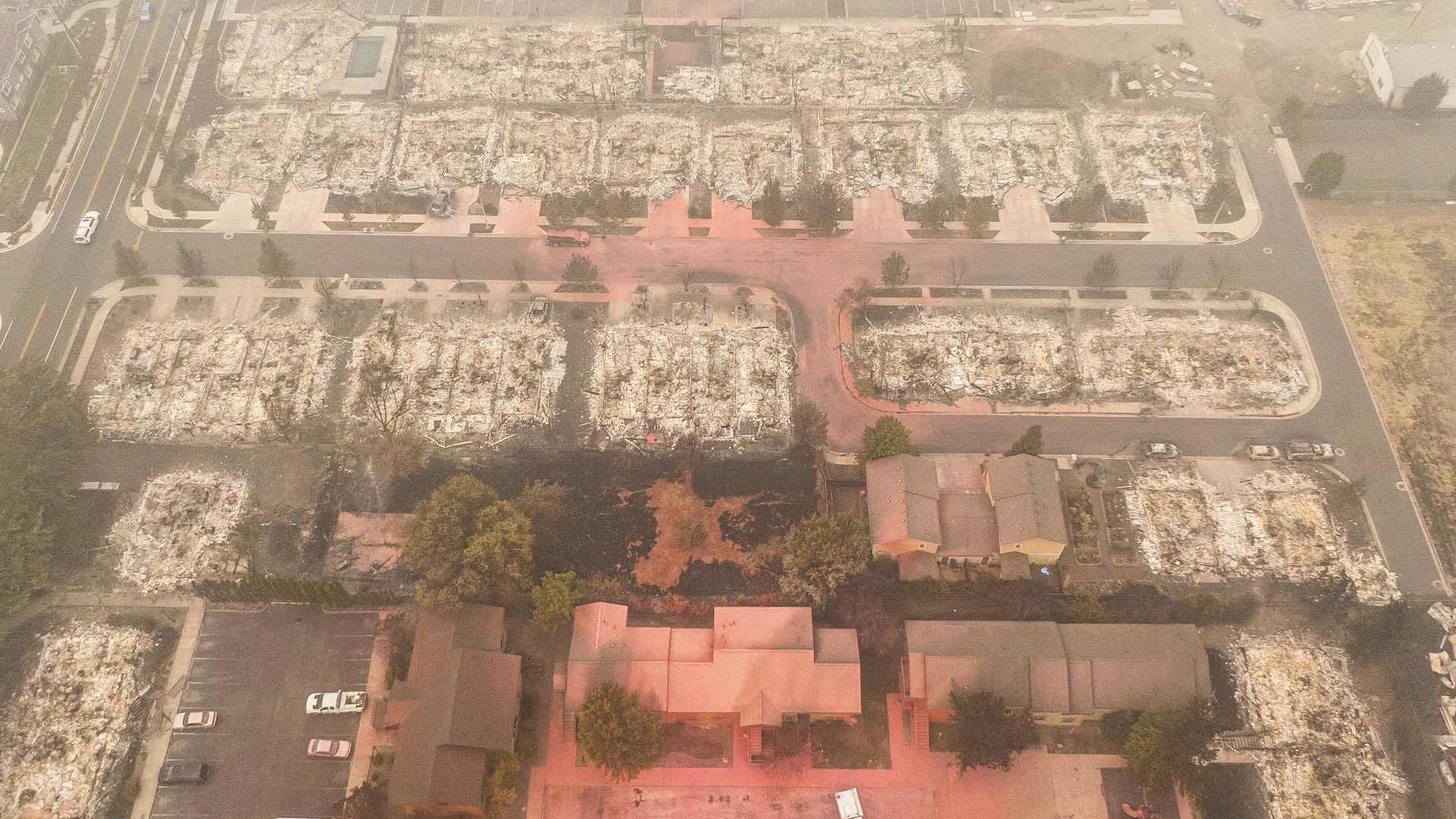
Smoke from the historic wildfires ravaging the U.S. West was observed over the United Kingdom and other parts of Europe this week, and it will return to the continent this weekend, per European scientists' research.
Why it matters: "The fact that these fires are emitting so much pollution into the atmosphere that we can still see thick smoke" some 5,000 miles away "reflects just how devastating they have been in their magnitude and duration," said Mark Parrington, senior scientist at the European Commission's Copernicus Atmosphere Monitoring Service (CAMS), which studied the data, in a statement.
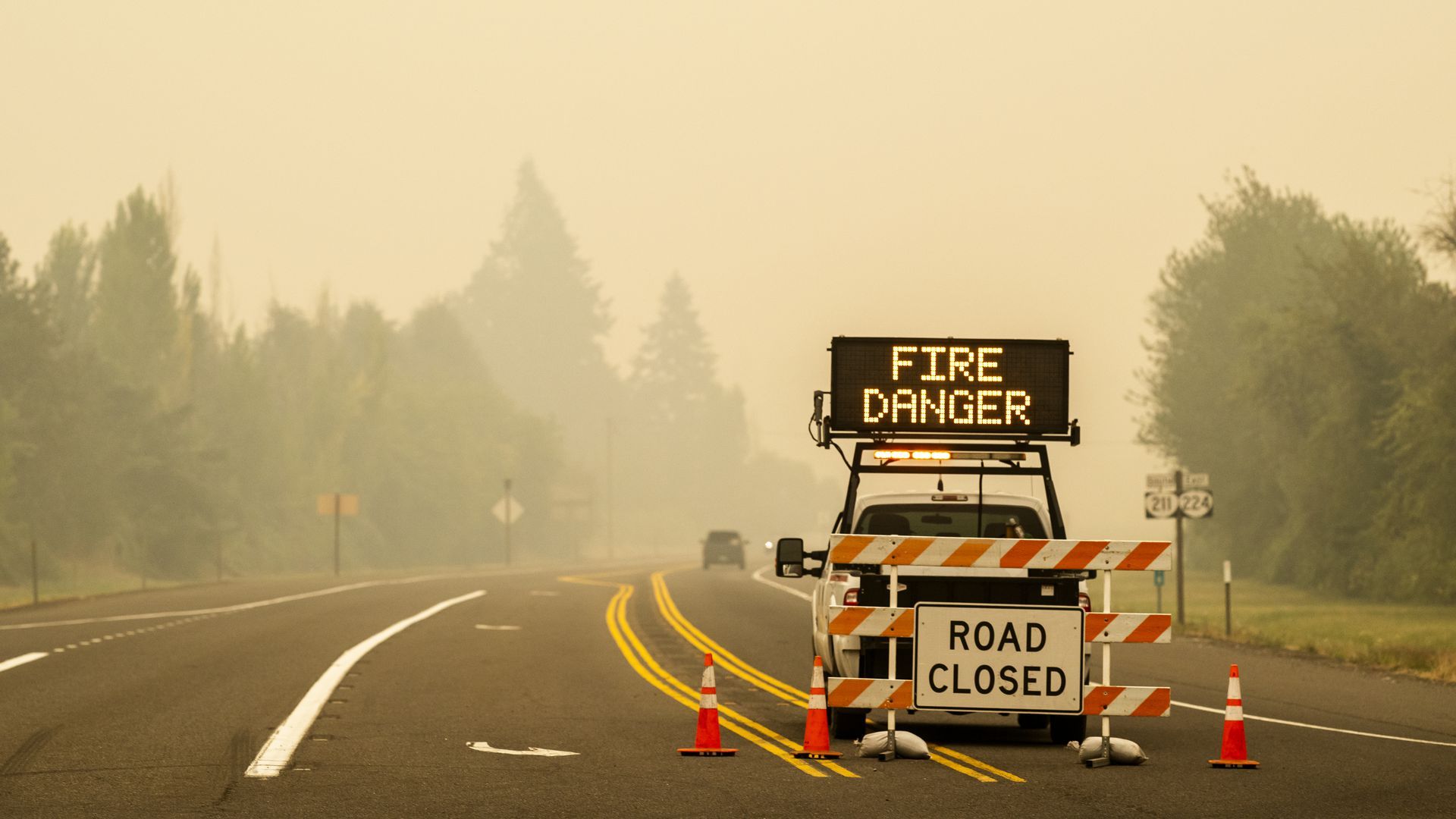
The wildfires raging in the West are obviously horrendous on their own, but they're also raising the risk of further coronavirus spread, the Wall Street Journal reports.
Between the lines: It's harder for people to take appropriate coronavirus precautions when they're being forced from their homes, or when the air quality is as bad as it is.
Hurricane Sally made landfall near Gulf Shores, Alabama, as a Category 2 storm on Wednesday morning, packing maximum sustained winds were 105 mph.
What's happening: "Historic and catastrophic flooding is unfolding along and just inland of the coast, from Tallahassee, Florida, to Mobile Bay, Alabama," the National Hurricane Center said, as the storm's eyewall was moving across the coast.