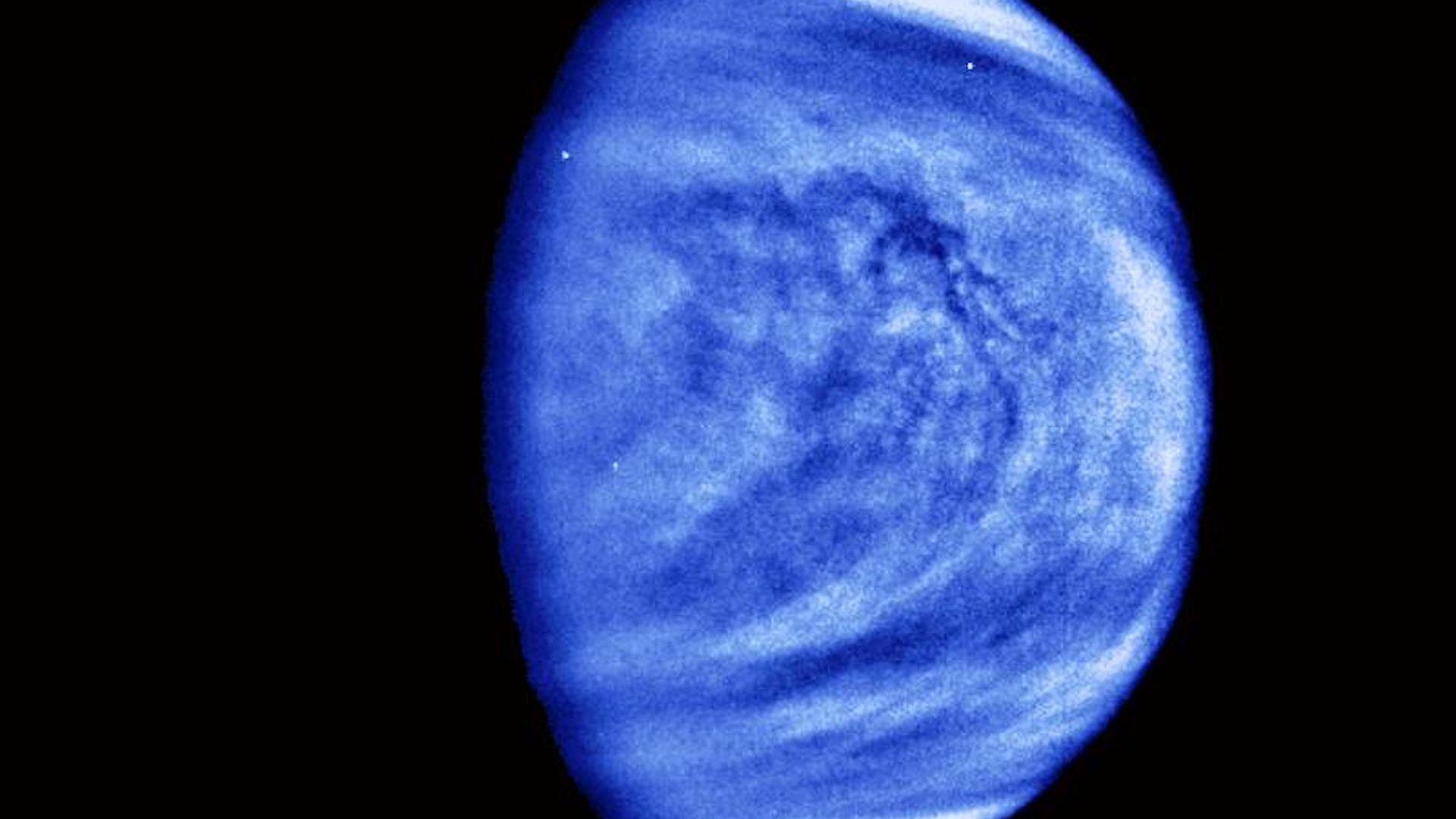
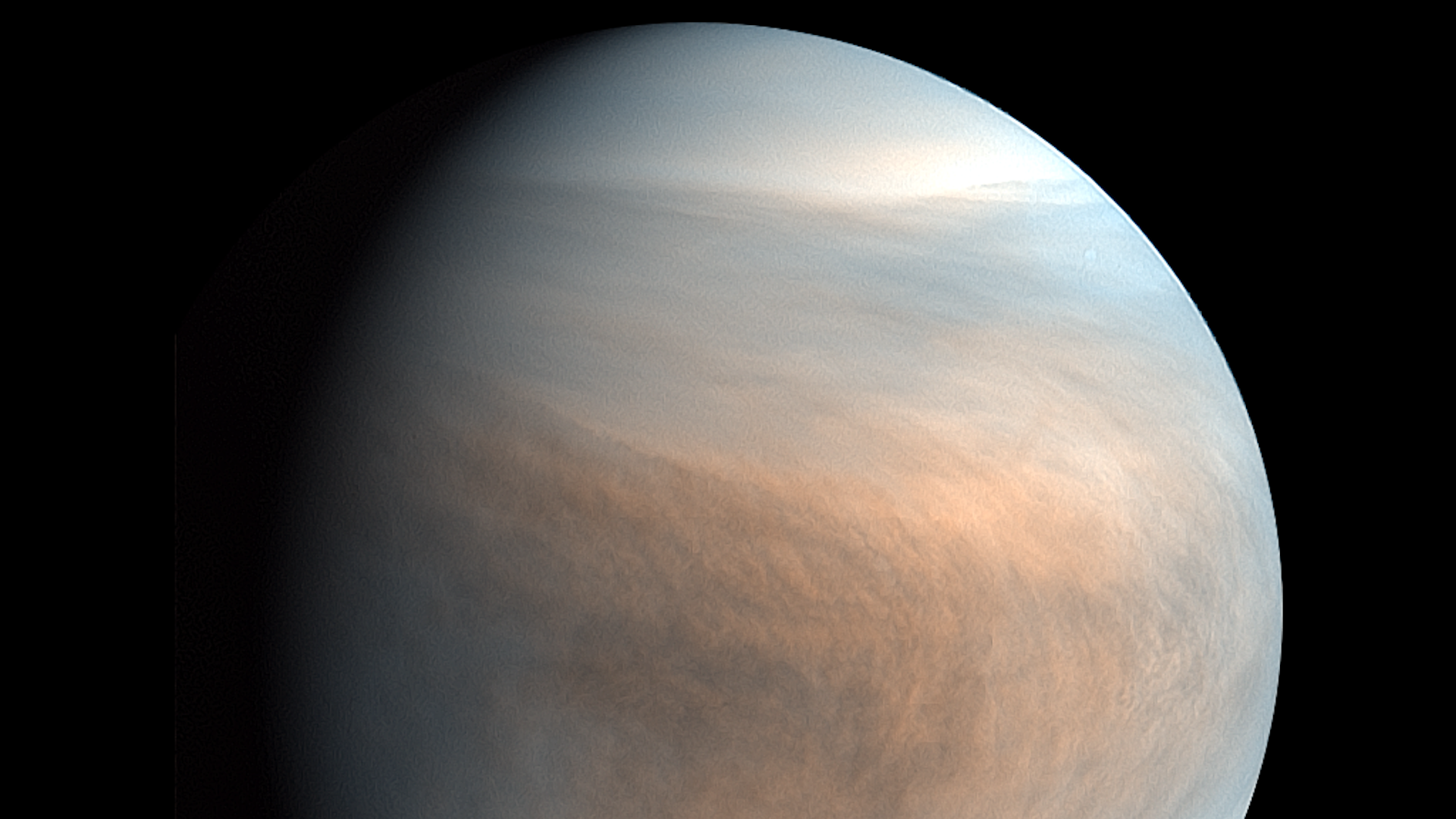
Scientists still have a long way to gobefore they can say definitively what’s creating the phosphine — a possible signature of life — detected on Venus.
The big picture: Science is an iterative process, and this discovery is no exception.
The discovery of possible sign of life on Venus is buoying a push by many in the planetary science community to get NASA and other space agencies to send missions to Venus that could sniff out if there really is life there.
Why it matters: NASA hasn't sent a dedicated spacecraft to study Venus from close range in about 30 years, with much of the hunt for life in the solar system focusing instead on Mars.
Scientific American backed former Vice President Joe Biden for president on Tuesday — marking the first time the publication has made a presidential endorsement in its 175-year history.
The big picture: The magazine's editors excoriated President Trump's response to the coronavirus pandemic in an op-ed — arguing that he "rejects evidence and science," contributing to the country's death toll of nearly 200,000.
The devastating West Coast wildfires have, at least for now, put a hot glare on the role of climate change in the 2020 presidential election.
Catch up fast: Joe Biden called President Trump a "climate arsonist" Monday in a speech that argued his dismissal of consensus climate science is a threat to people nationwide.
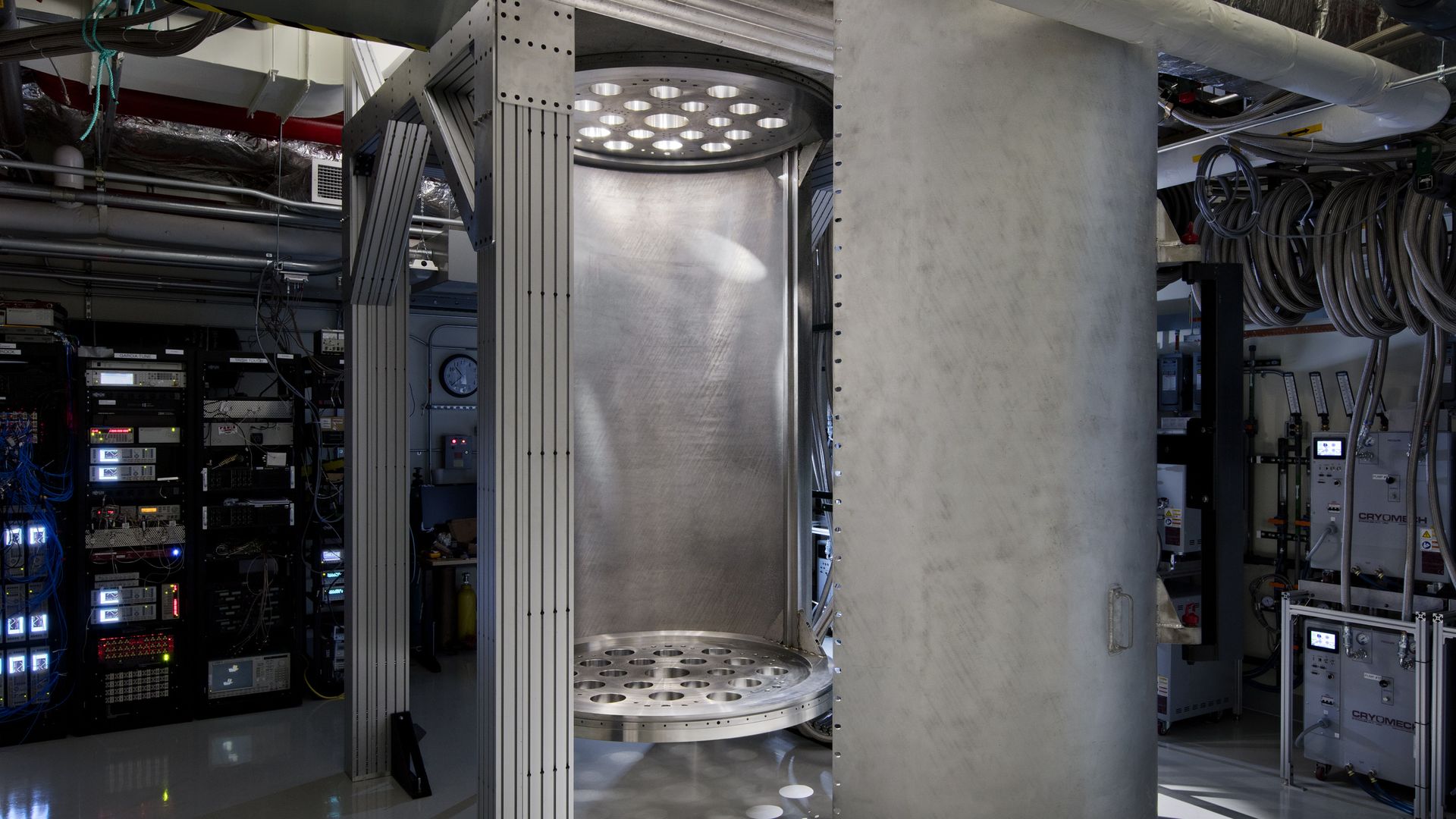
IBM thinks it can deliver a quantum computer that would marry enormous computing power with a tough-to-achieve low rate of errors by 2023, per a technical timeline the company published today.
Why it matters: Companies, most notablyIBM and Google, are investing heavily in a race to commercialize quantum computers that ultimately may be able to solve some problems much faster than a classical computer. IBM's stake in the ground represents what the firm says is an "inflection point" after which the rate of progress in the field will rapidly increase.
Scientists think they may have found an indicator of life in Venus’ clouds — a discovery that, if confirmed, will cause them to re-examine everything they thought they knew about how life evolves.
The big picture: If life does exist within a small niche of habitability in Venus' temperate layer of clouds, it might mean that life could be even more ubiquitous in the universe than previously expected. The discovery is already fueling calls from scientists who want a mission sent to the nearby world.
Joe Biden on Monday called President Trump a "climate arsonist" and warned that another four years of Trump's policies would expose suburbs to more deadly wildfires.
Why it matters: Biden's speech addressing the record-setting wildfires in the West sought to cast Trump — who rejects consensus climate science — as a threat to the safety and livelihoods of people nationwide, rather than just an environmental issue.
Traces of a gas in Venus' clouds could indicate some form of life may exist there, according to a study published today.
Why it matters: Scientists have been musing about the possibility that life exists in Venus' temperate clouds for decades. If confirmed as a sign of life, the finding would open up a new era of science.