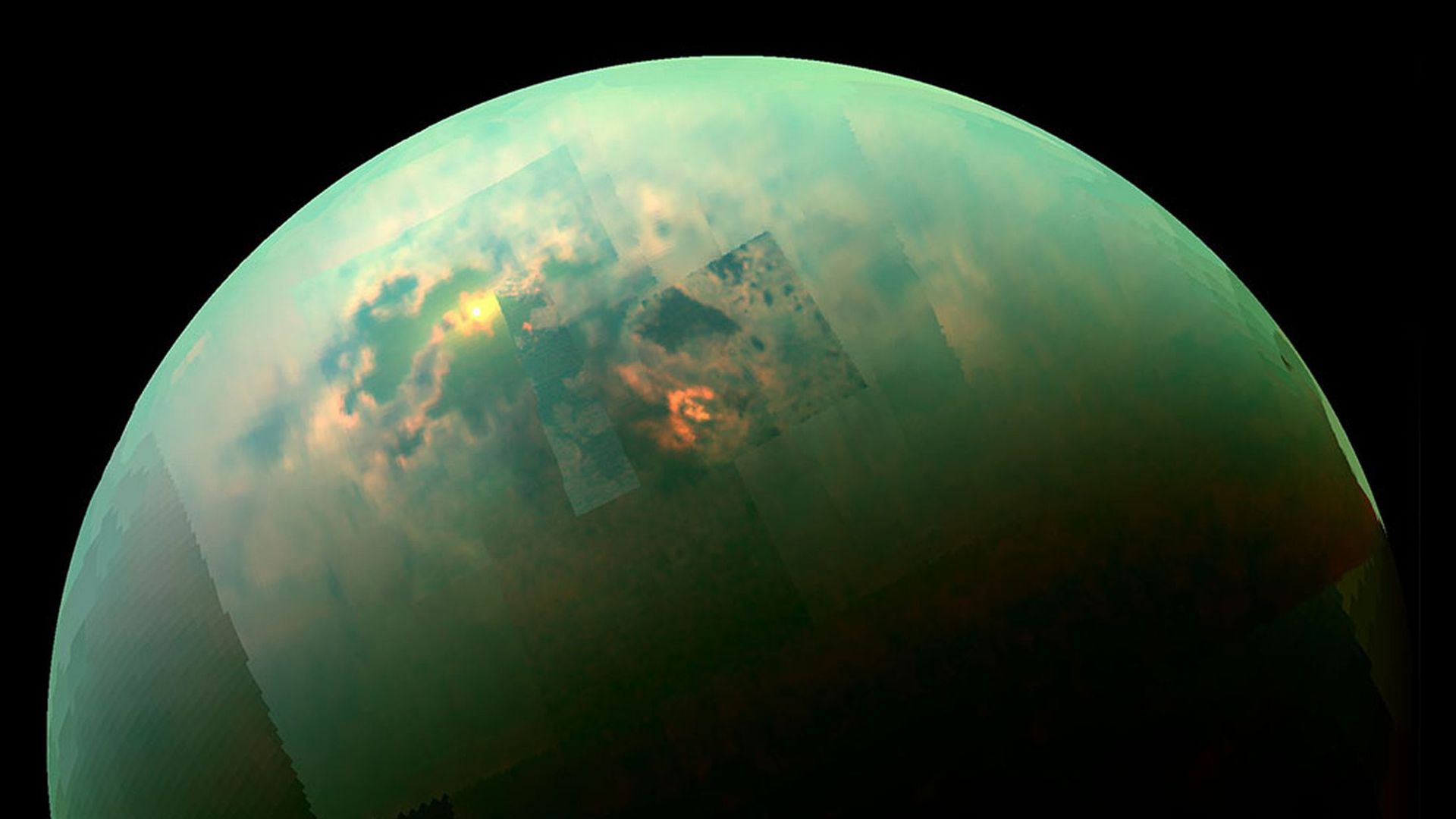
Saturn's moon Titan is eerily familiar and yet wholly unlike our own.
The cosmic picture: The large moon boasts a hazy atmosphere and rains methane onto its surface. Now, thanks to the long-dead Cassini spacecraft, we know that some of its lakes are more than 300 feet deep.
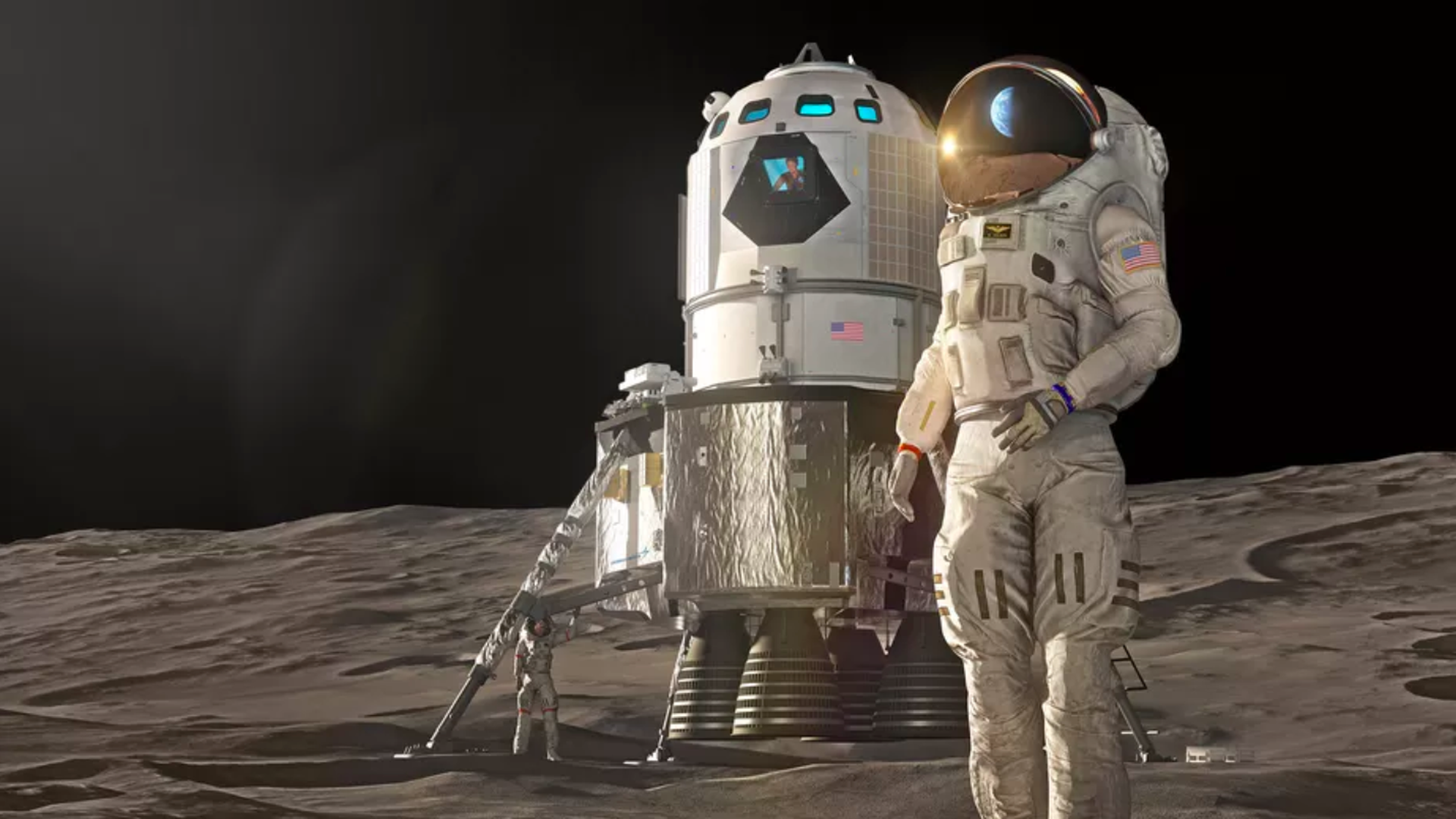
Lockheed Martin has a plan to get NASA astronauts back to the surface of the moon by 2024, the company revealed during the National Space Symposium in Colorado last week.
The bottom line: The plan would take its Orion Multi-Purpose Crew Vehicle — which the government contractor has been developing for the better part of a decade for previous space exploration plans — and direct it to the moon.
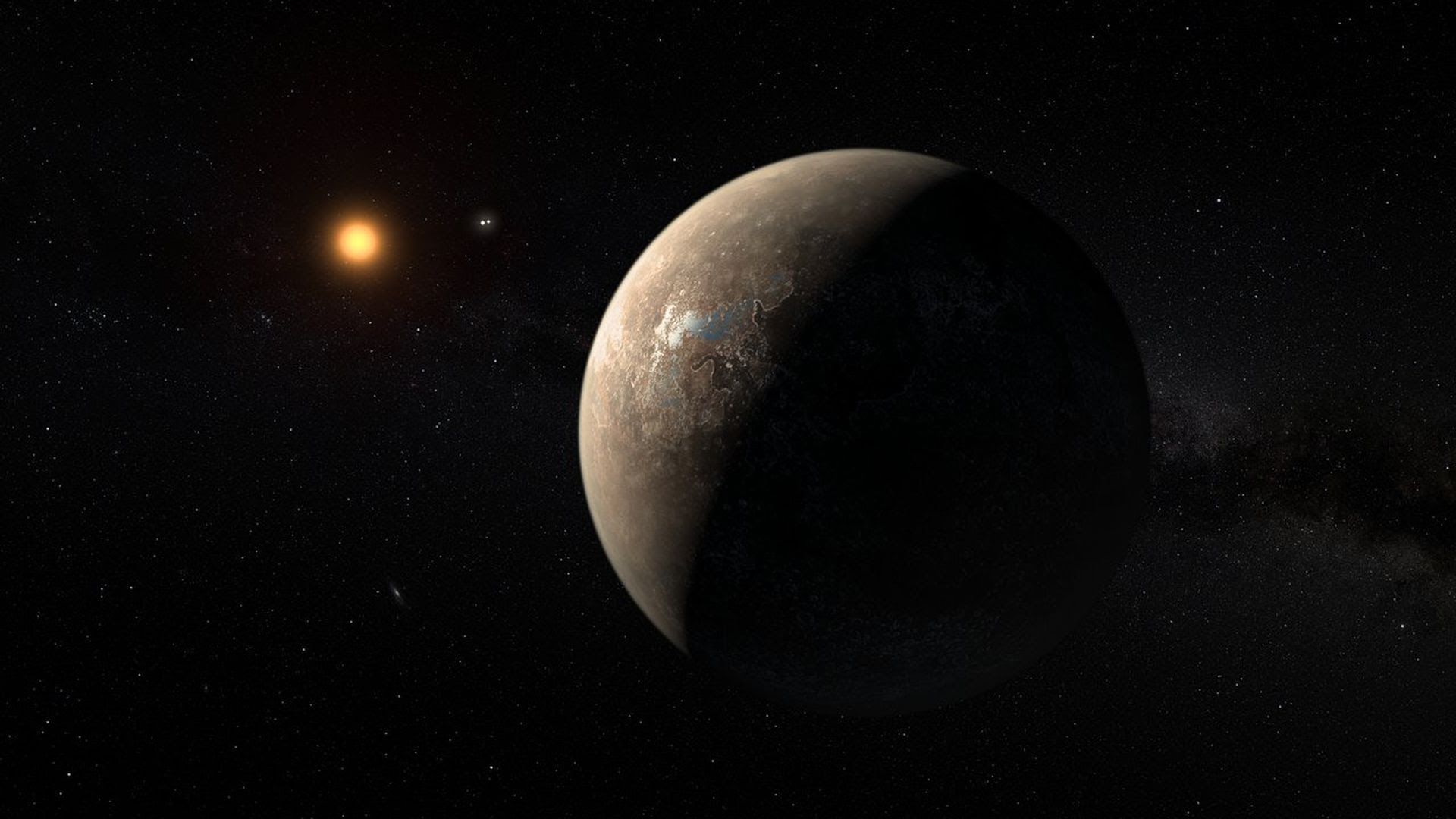
Proxima-b, a planet orbiting Proxima Centauri, a red star only 4 light-years from Earth, could support life despite being bombarded by high levels of radiation, according to new research.
What they found: While the amount of radiation bathing Proxima-b today is extreme by our current standards, that may not have been the case for Earth 4 billion years ago. Early in its history, our planet was blasted with more radiation than Proxima-b, and life still managed to develop.
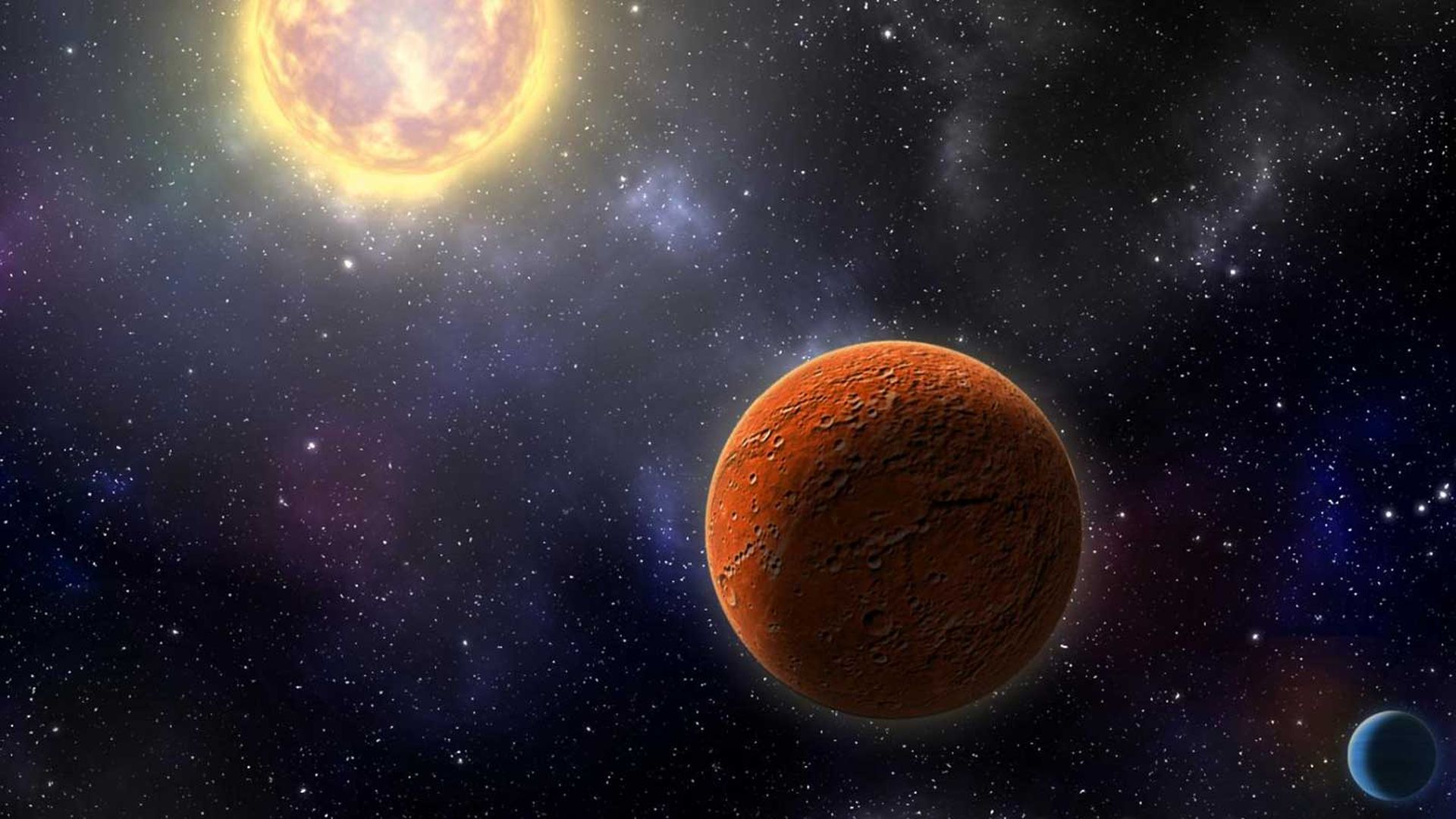
NASA's new planet-hunter — the Transiting Exoplanet Survey Satellite (TESS) — has found its first confirmed Earth-sized world after launching to space in April 2018.
Background: TESS is designed to detect the small dips in a star's light created when a planet passes in front of its sun. The telescope uses that "transit" to piece together how large (or small) the planet might be.
The Event Horizon Telescope (EHT) collaboration — a group of 9 radio observatories around the globe that together effectively create an Earth-sized telescope — is just getting started after revealing the stunning first-ever photo of a black hole on April 10.
What's next: The international collaboration, funded in part by the National Science Foundation, plans to add two more telescopes to the mix by 2020, and scientists hope to one day launch a space-based observatory as well.
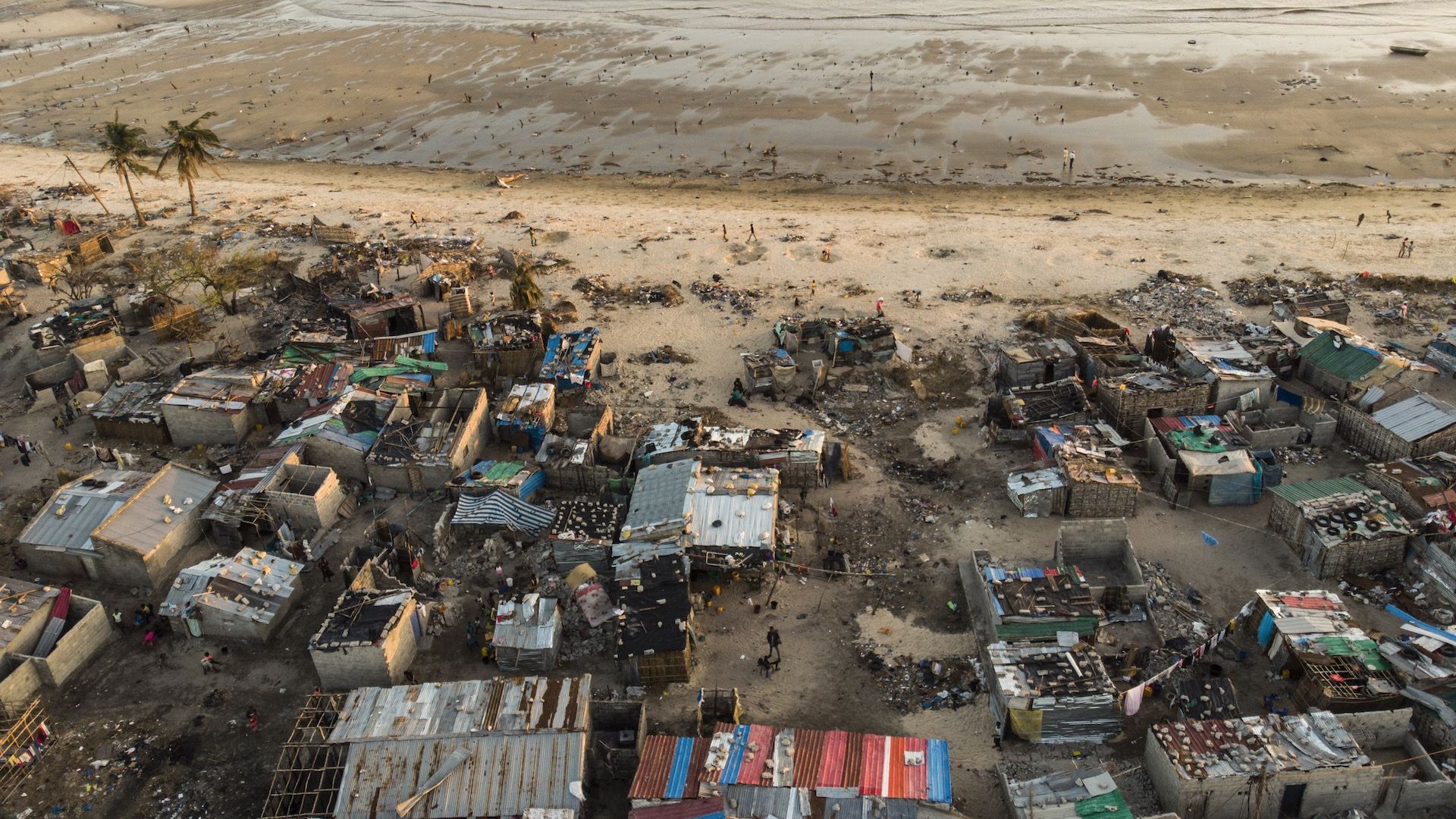
The death toll from Cyclone Idai, which struck the coast of Mozambique near the port city of Beira on March 14, has climbed above 1,000, with more than 2 million affected by the storm, Reuters reports.
The big picture: Cyclone Idai was the equivalent of a Category 3 storm when it struck Africa's coast, destroying much of Beira and flooding a vast inland region, turning rivers into an inland sea. In addition to Mozambique, the rains also affected Zimbabwe and Malawi. The World Bank estimates rebuilding may cost more than $2 billion.
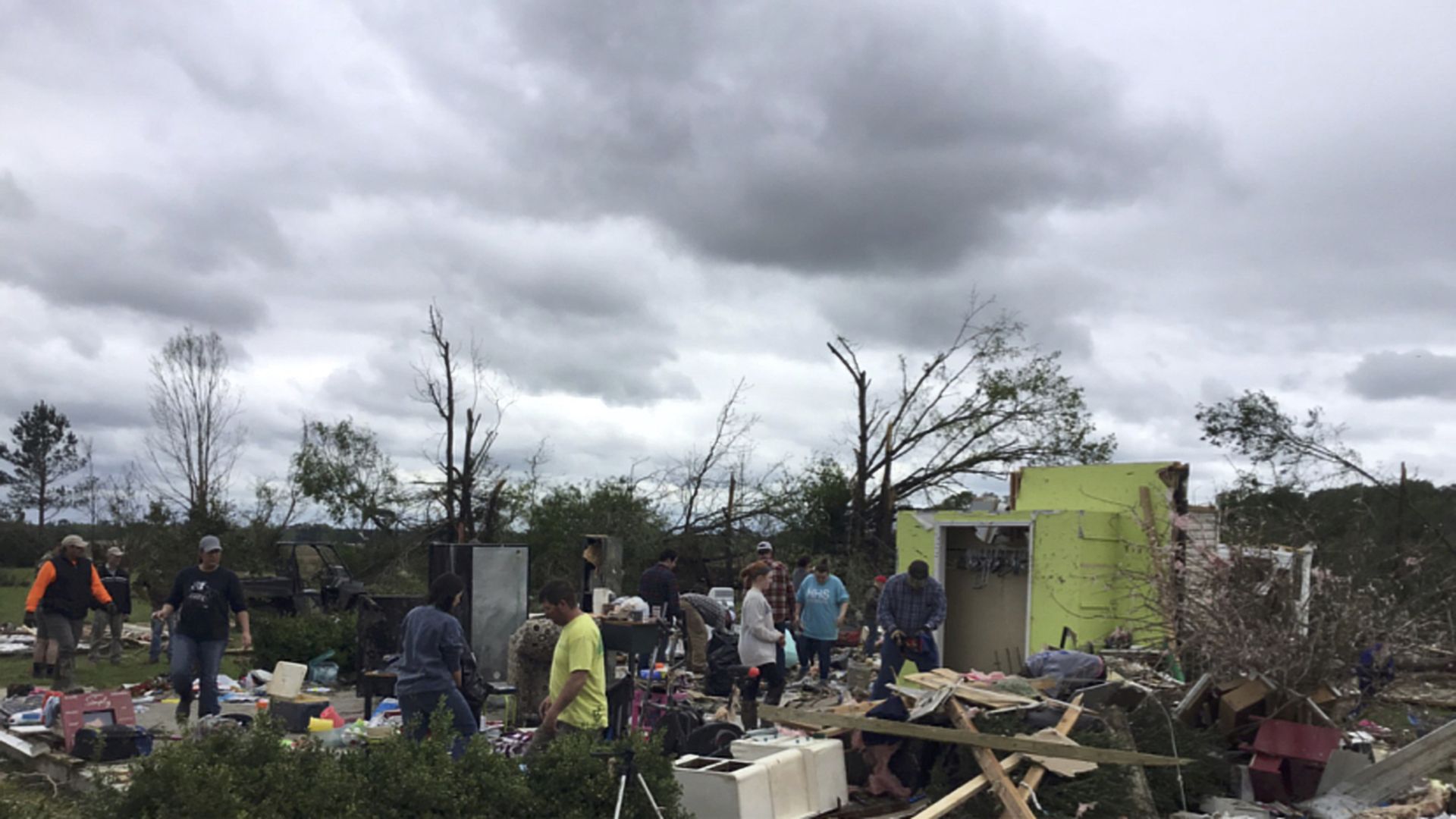
Powerful storms brought hail, gusty winds and confirmed tornadoes to communities in the South, killing at least 9 people — including 3 children — before moving northeast and toward parts of the Midwest, Mid-Atlantic and Northeast over the weekend and into early Monday morning.
The latest: The National Weather Service issued numerous severe thunderstorm and tornado warnings and watches early Monday, as a strong cold front pressed across the eastern states. Affected communities were in New York — including New York City — Virginia, Maryland, Pennsylvania, New Jersey and Connecticut. Severe thunderstorms and heavy rainfall from the Northeast to the Carolinas continued into early Monday, before giving way to fall-like weather and strong winds behind the front.