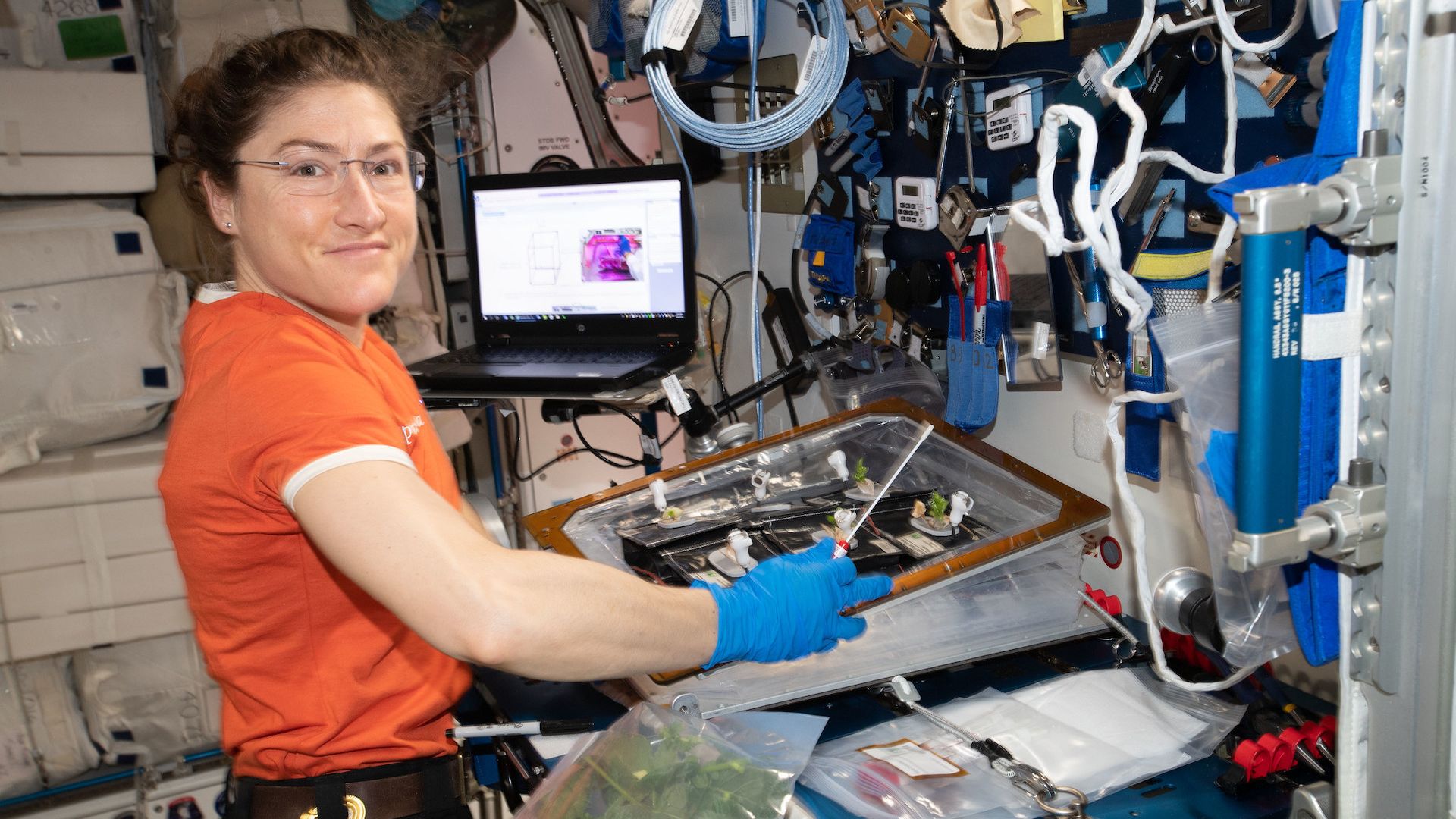
Astronaut Christina Koch will spend nearly a year on the International Space Station, NASA announced Wednesday.
When Koch comes back to Earth in February 2020, she will hold the record for the longest spaceflight ever by a woman at 328 days. Koch arrived onboard the Space Station on March 14.
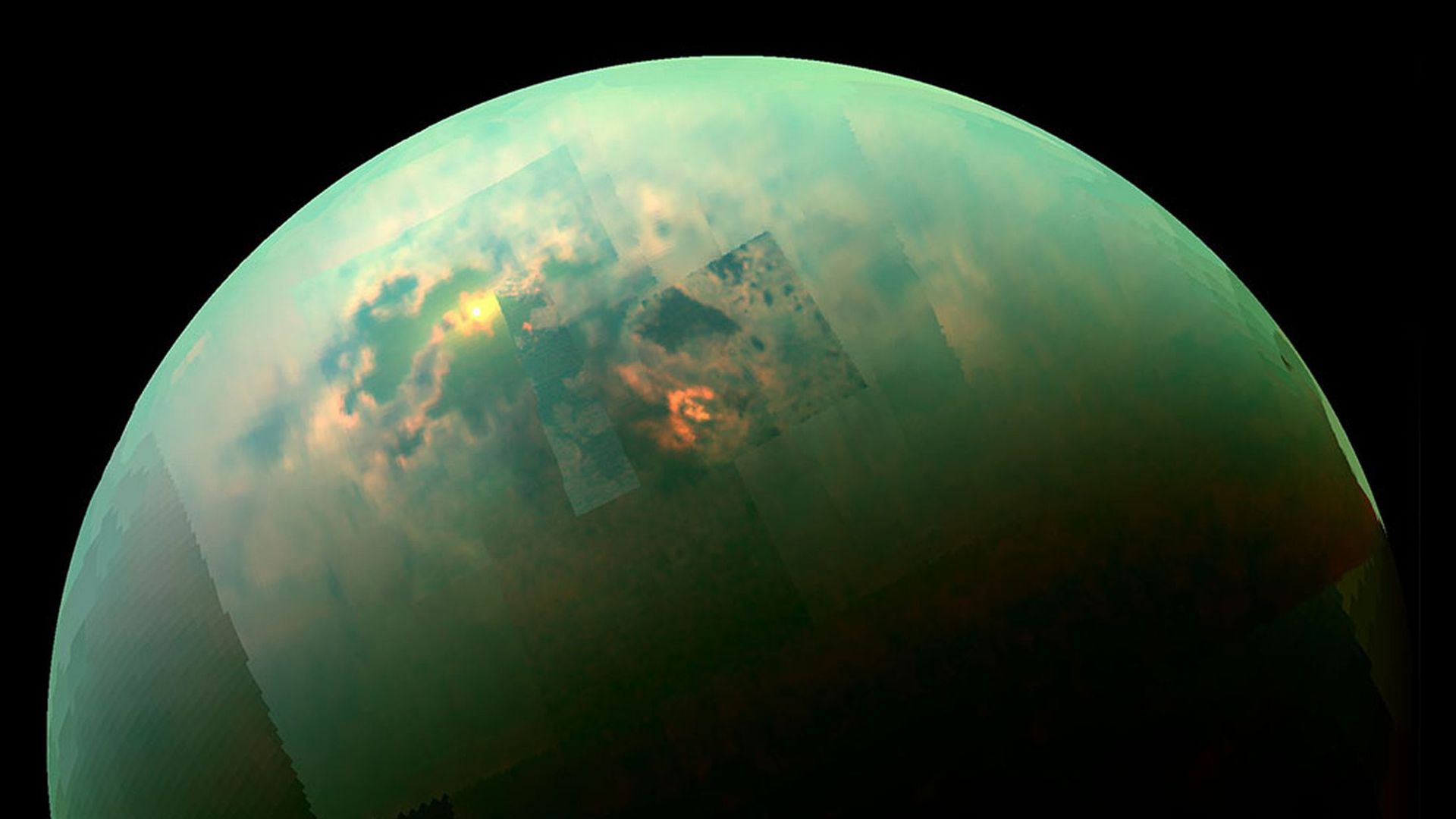
Saturn's moon Titan is eerily familiar and yet wholly unlike our own.
The cosmic picture: The large moon boasts a hazy atmosphere and rains methane onto its surface. Now, thanks to the long-dead Cassini spacecraft, we know that some of its lakes are more than 300 feet deep.
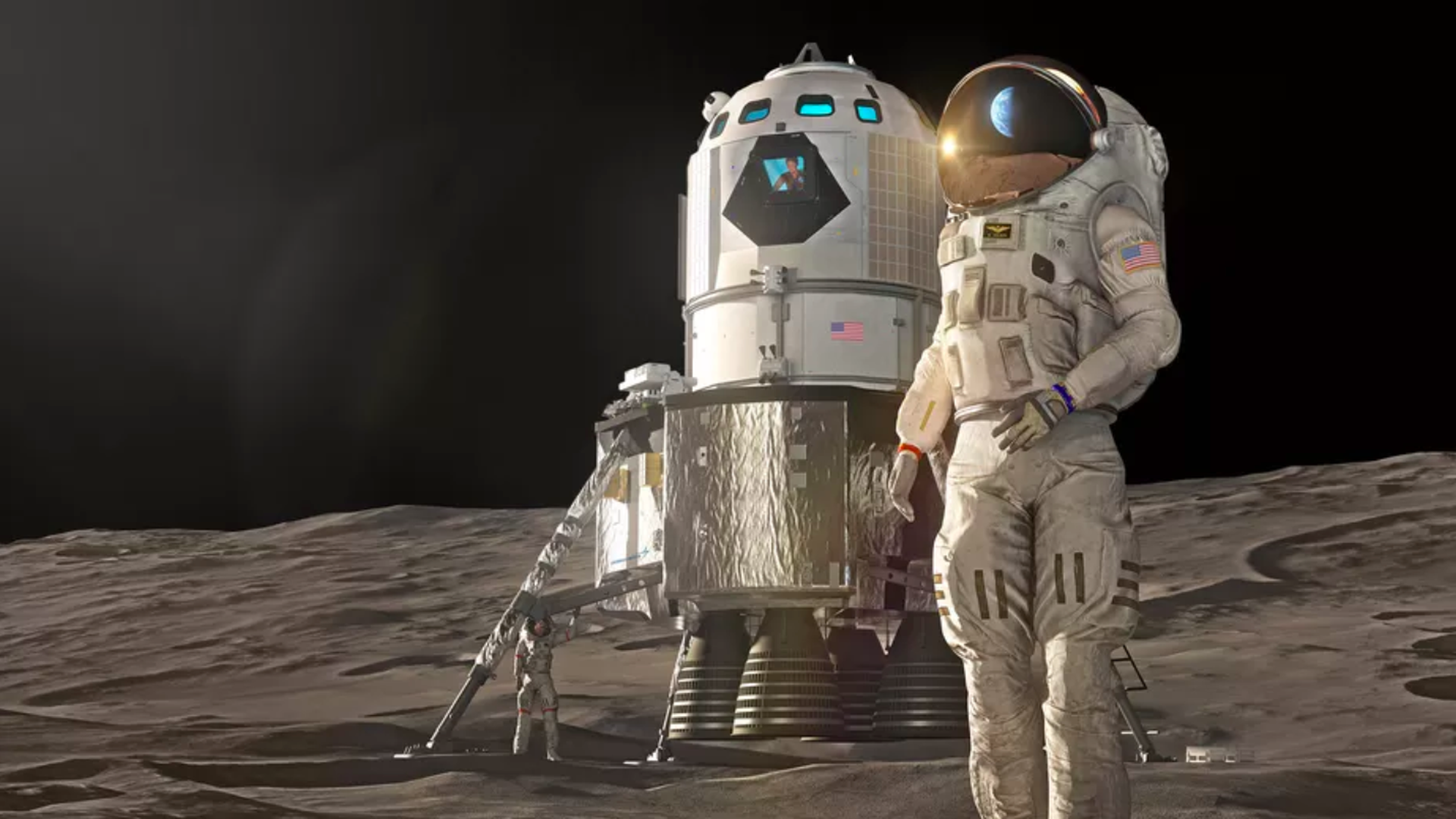
Lockheed Martin has a plan to get NASA astronauts back to the surface of the moon by 2024, the company revealed during the National Space Symposium in Colorado last week.
The bottom line: The plan would take its Orion Multi-Purpose Crew Vehicle — which the government contractor has been developing for the better part of a decade for previous space exploration plans — and direct it to the moon.
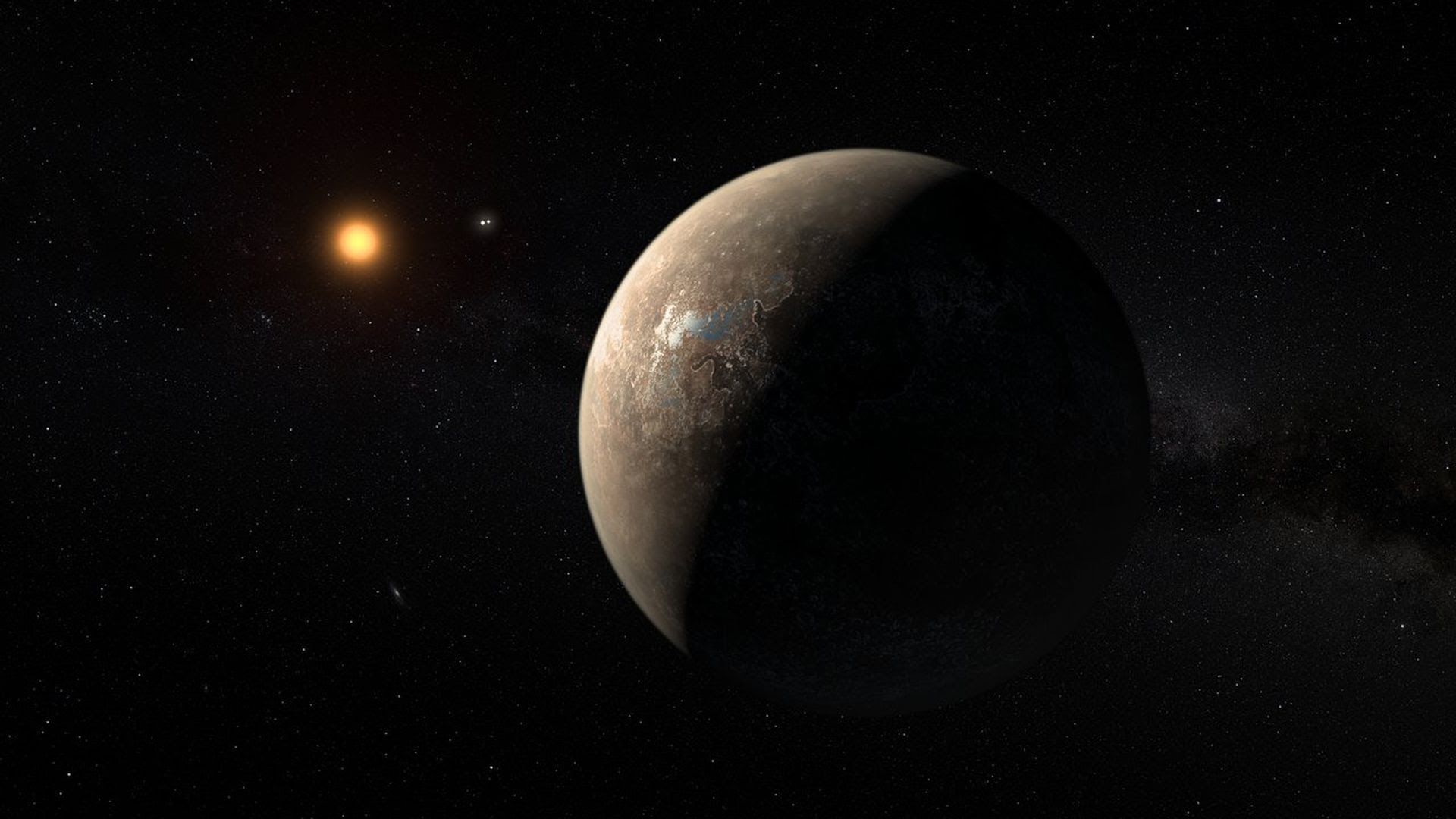
Proxima-b, a planet orbiting Proxima Centauri, a red star only 4 light-years from Earth, could support life despite being bombarded by high levels of radiation, according to new research.
What they found: While the amount of radiation bathing Proxima-b today is extreme by our current standards, that may not have been the case for Earth 4 billion years ago. Early in its history, our planet was blasted with more radiation than Proxima-b, and life still managed to develop.
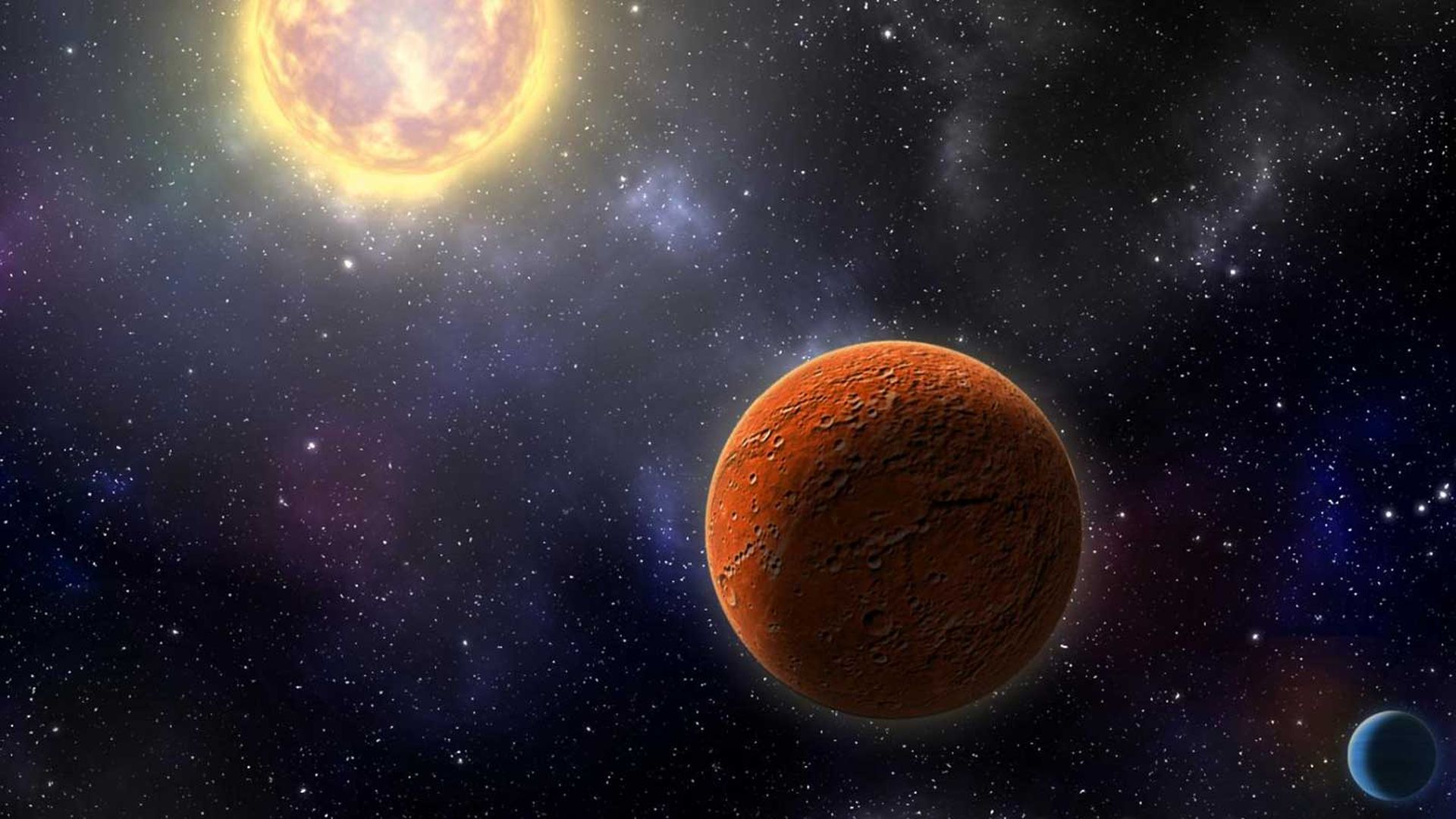
NASA's new planet-hunter — the Transiting Exoplanet Survey Satellite (TESS) — has found its first confirmed Earth-sized world after launching to space in April 2018.
Background: TESS is designed to detect the small dips in a star's light created when a planet passes in front of its sun. The telescope uses that "transit" to piece together how large (or small) the planet might be.
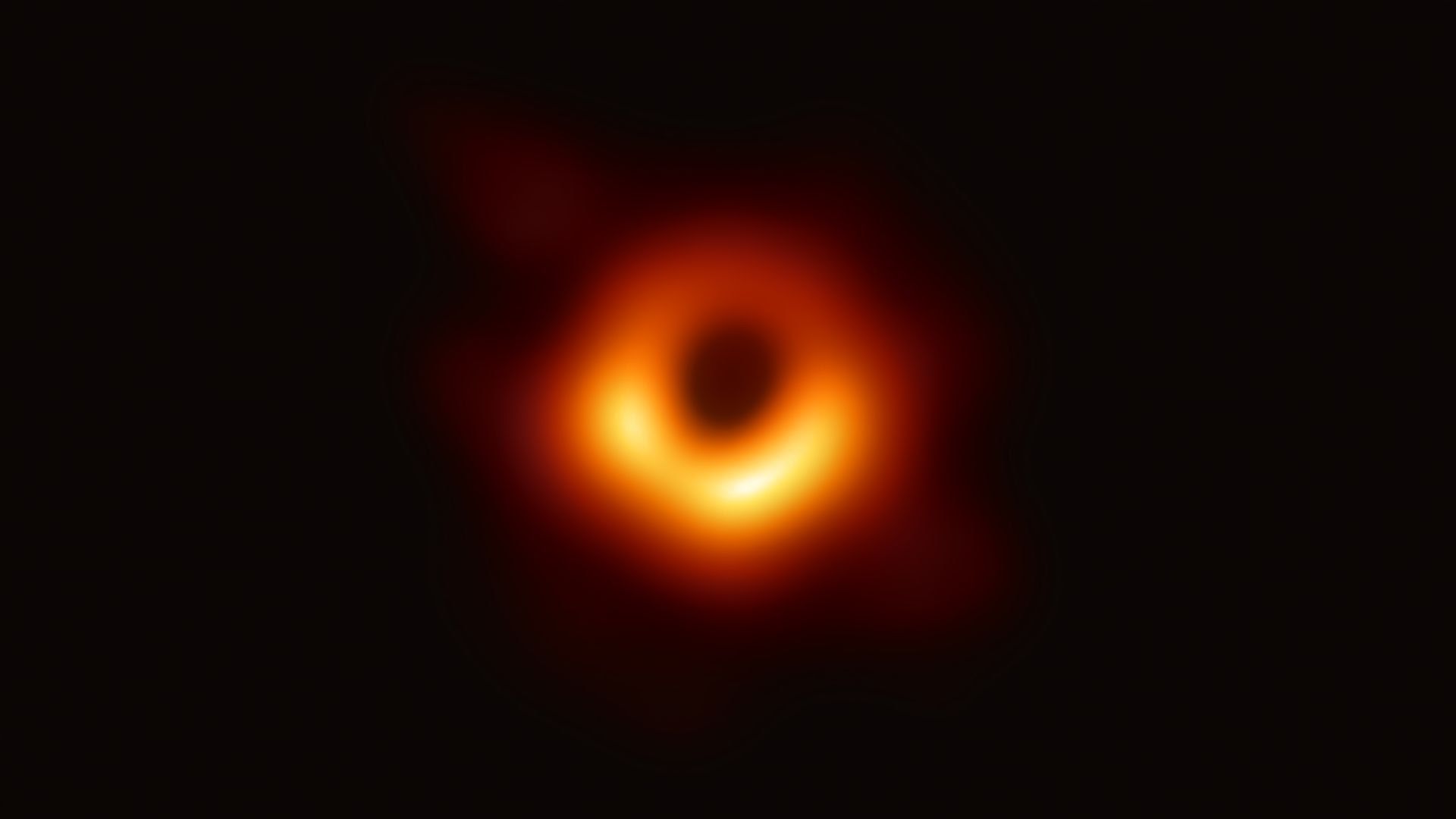
The Event Horizon Telescope (EHT) collaboration — a group of 9 radio observatories around the globe that together effectively create an Earth-sized telescope — is just getting started after revealing the stunning first-ever photo of a black hole on April 10.
What's next: The international collaboration, funded in part by the National Science Foundation, plans to add two more telescopes to the mix by 2020, and scientists hope to one day launch a space-based observatory as well.