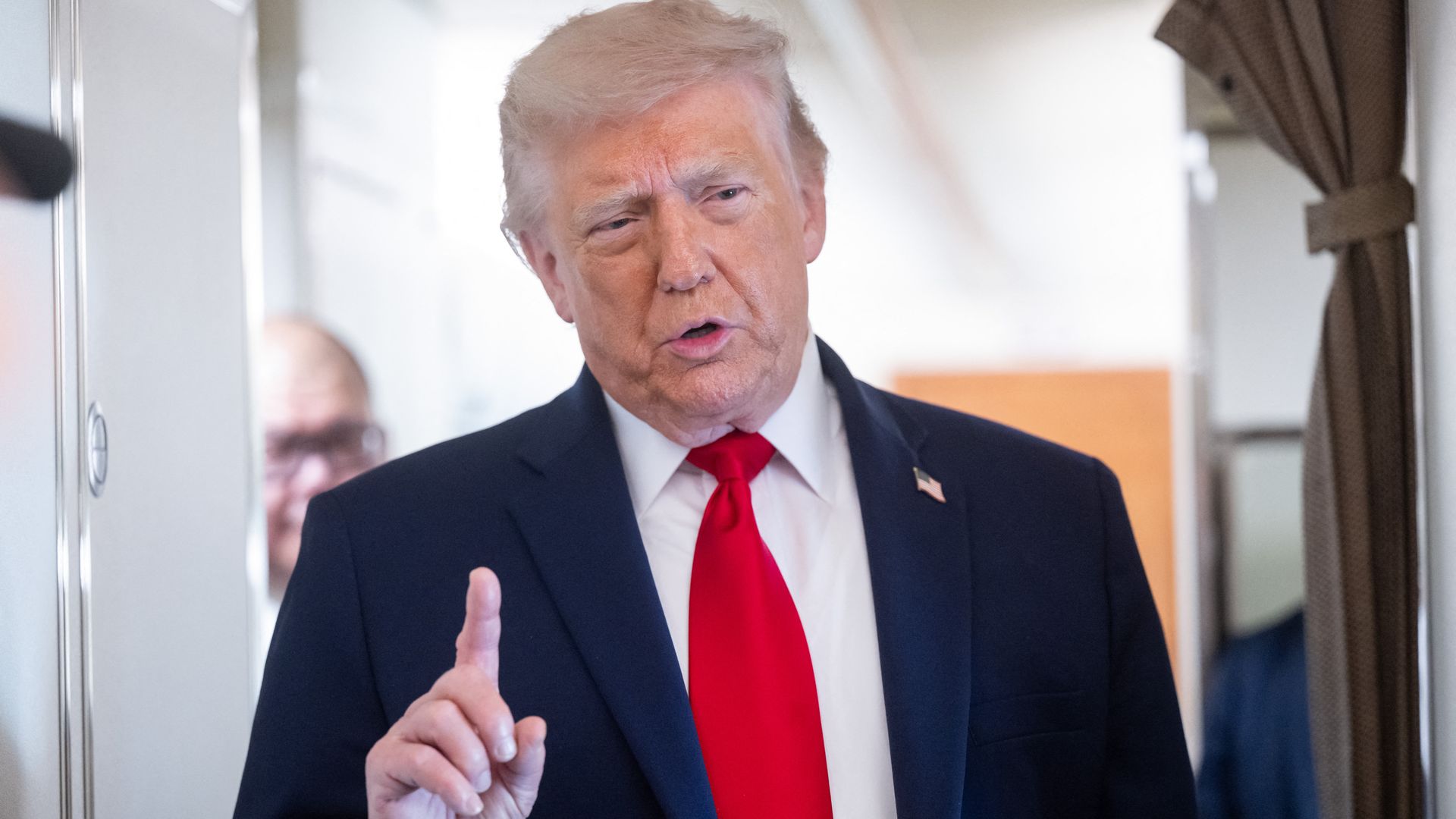
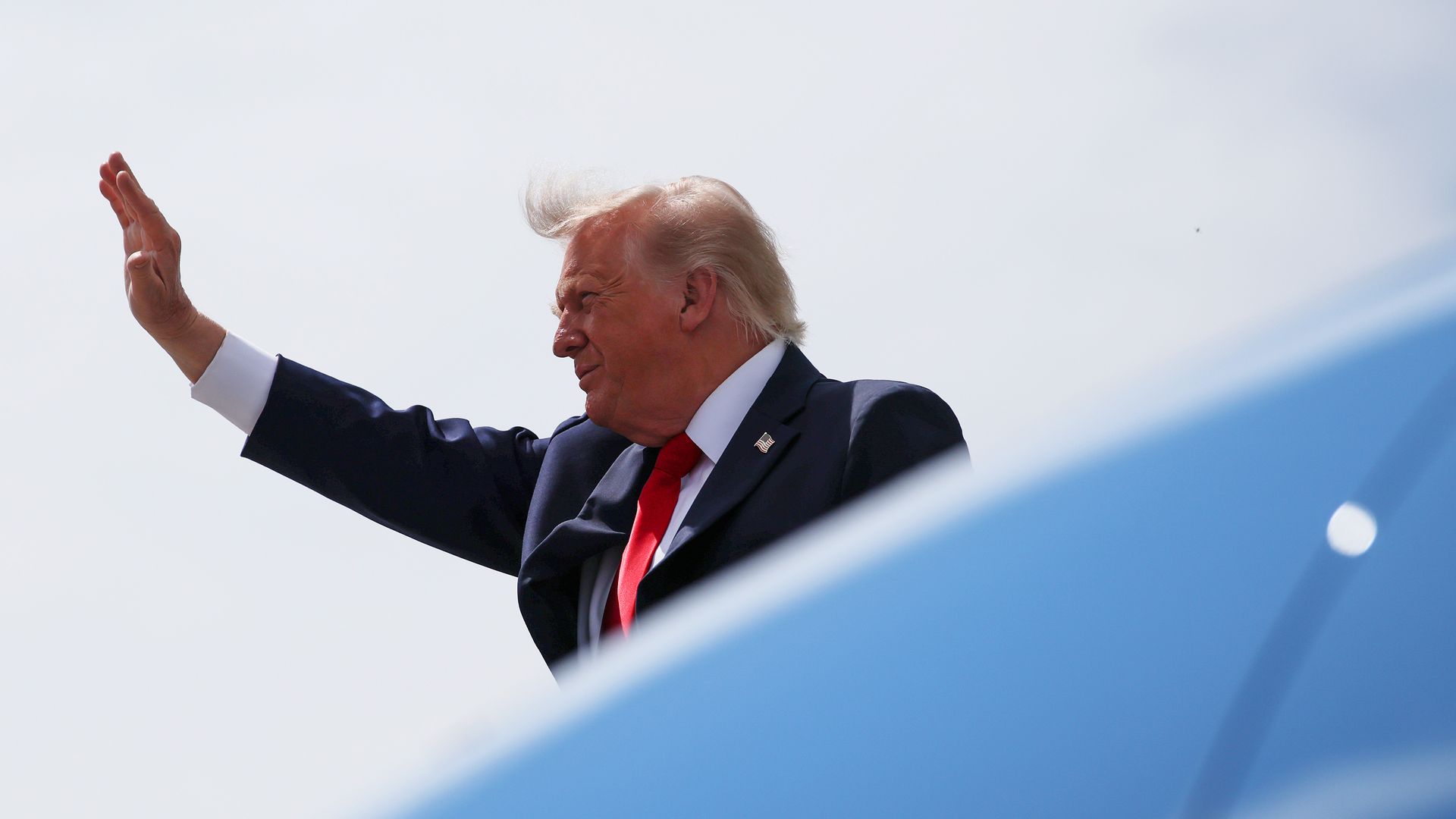
President Trump told Israeli Prime Minister Benjamin Netanyahu Sunday not to retaliate against Iran's missile attack and allow more time for diplomacy, according to a senior U.S. official and an Israeli source familiar with details of the call.
Why it matters:Trump's effort to restrain an Israeli response signals his administration's push to keep escalating Israel-Iran tensions from derailing ongoing U.S. negotiations with Tehran.
A growing number of Jewish Democrats tell Axios they feel shunned — like unwelcome strangers in their own party.
Why it matters: They warn that the constant and escalating hostilities over Israel's actions in Gaza have at times veered into hostility toward Jewish Americans that could hurt Democrats in 2028.
Democrats in mostly blue Maine are threatening to retaliate if Republican-led Nebraska changes how it awards Electoral College votes for the 2028 presidential election.
Why it matters: It's the latest example of tit-for-tat election politics that have come to define the Trump era, and that could help determine who wins the race for the White House.
President Trump will call Israeli Prime Minister Benjamin Netanyahu and press him not to retaliate for Iran's missile attack, Trump tells Axios.
"I am going to call Bibi right now and tell him not to retaliate. Each of them had their fun. Israel had its strike, and Iran had its strike. We don't need another one," Trump said.
Why it matters: The ceasefire in the Middle East is teetering after Israel struck Beirut and Iran fired multiple waves of missiles in response.
Iran launched missiles at Israel on Sunday in retaliation for an Israeli strike in Beirut earlier in the day, marking the first direct Iranian missile attack since the April 8 ceasefire.
Why it matters: This marks a major regional escalation and threatens to unravel U.S.–Iran negotiations and reignite the war.
Israel struck Beirut's southern suburbs Sunday in retaliation to a Hezbollah missile attack on northern Israel, Israeli officials said.
Why it matters: Iran threatened last week to launch a missile attack against Israel if it attacks Beirut, while the U.S. has backed Israel's right to self-defence. Such a move could unravel U.S.–Iran negotiations and reignite the war.
President Trump abruptly ended a wide-ranging "Meet the Press" interview Sunday after defending potential payouts for people prosecuted over Jan. 6 and warning slow Iran talks could restart U.S. military action.
Why it matters: The NBC interview captured two fights likely to follow Trump this week: the scope of his Iran operation, and whether taxpayer money should go to people he casts as victims of political prosecutions.
Republican-led states have redrawn enough congressional districts to force Democrats to outperform their 2024 national results by nearly 5 percentage points if they want to retake the majority in the 2026 midterms.
Why it matters: Control of the House will shape whether President Trump will be allowed to govern largely unchecked during his final two years, or left facing a chamber armed with subpoenas and oversight.
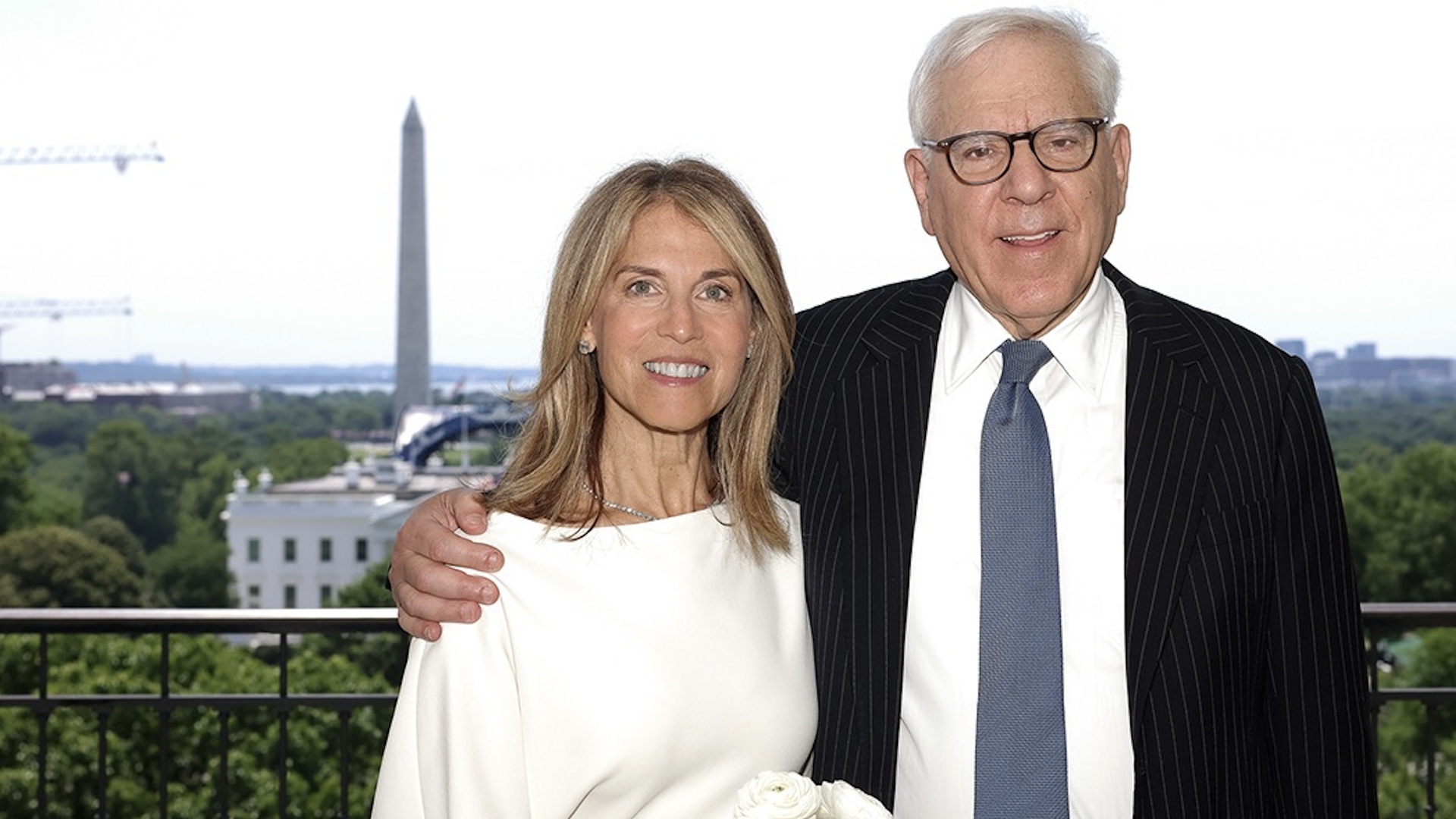
Chief Justice John Roberts officiated Friday's secret wedding of David Rubenstein, the investor and patriotic philanthropist, to Caryn Zucker, who's active on the boards of several New York City cultural institutions.
Rubenstein is co-founder and co-chairman of The Carlyle Group, owner of the Baltimore Orioles, and an author and interviewer. He was awarded the Presidential Medal of Freedom, the nation's highest civilian honor, for his lavish support for preserving and restoring historic landmarks and artifacts.
Zucker worked at "Saturday Night Live" early in her career.