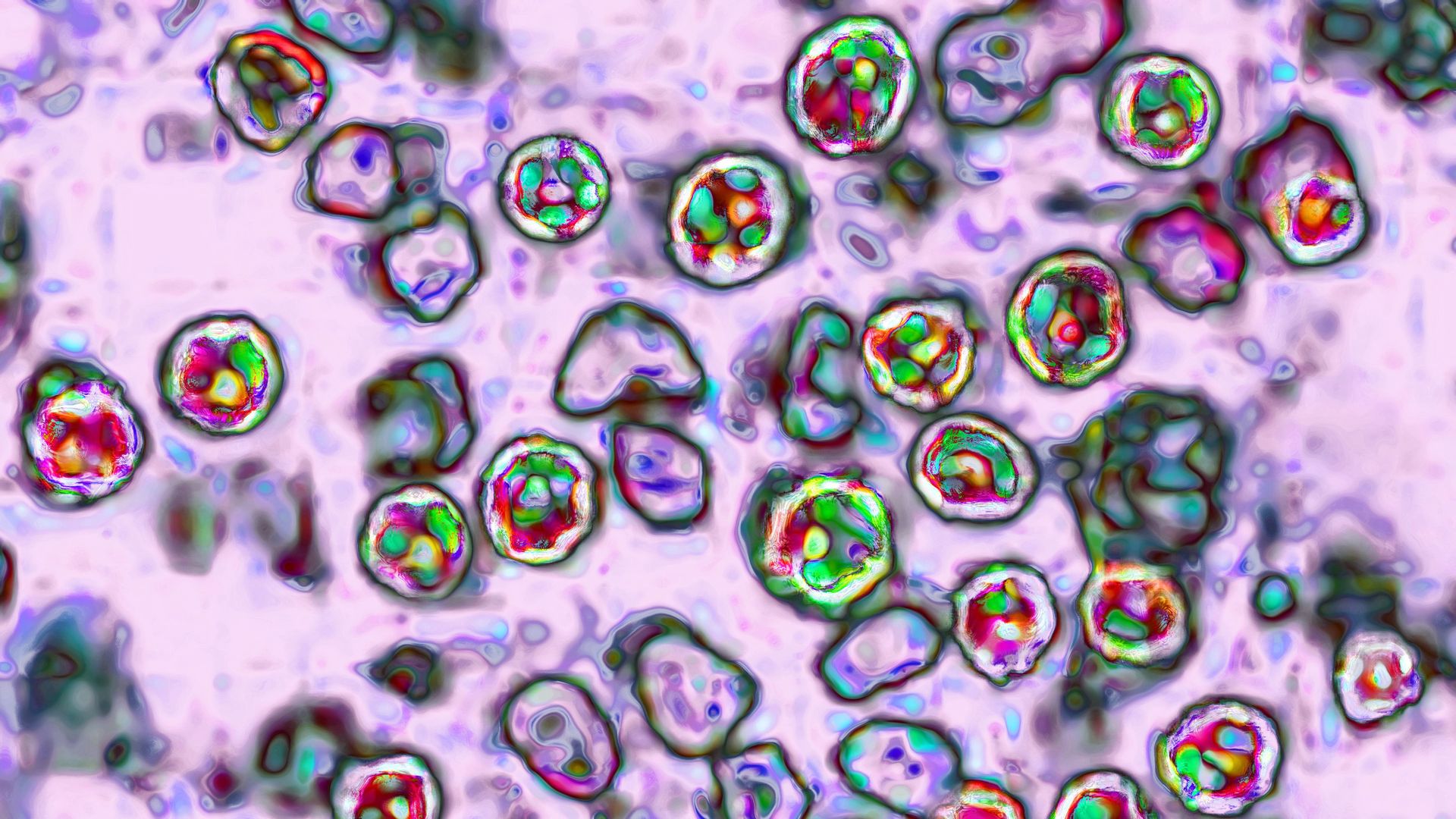
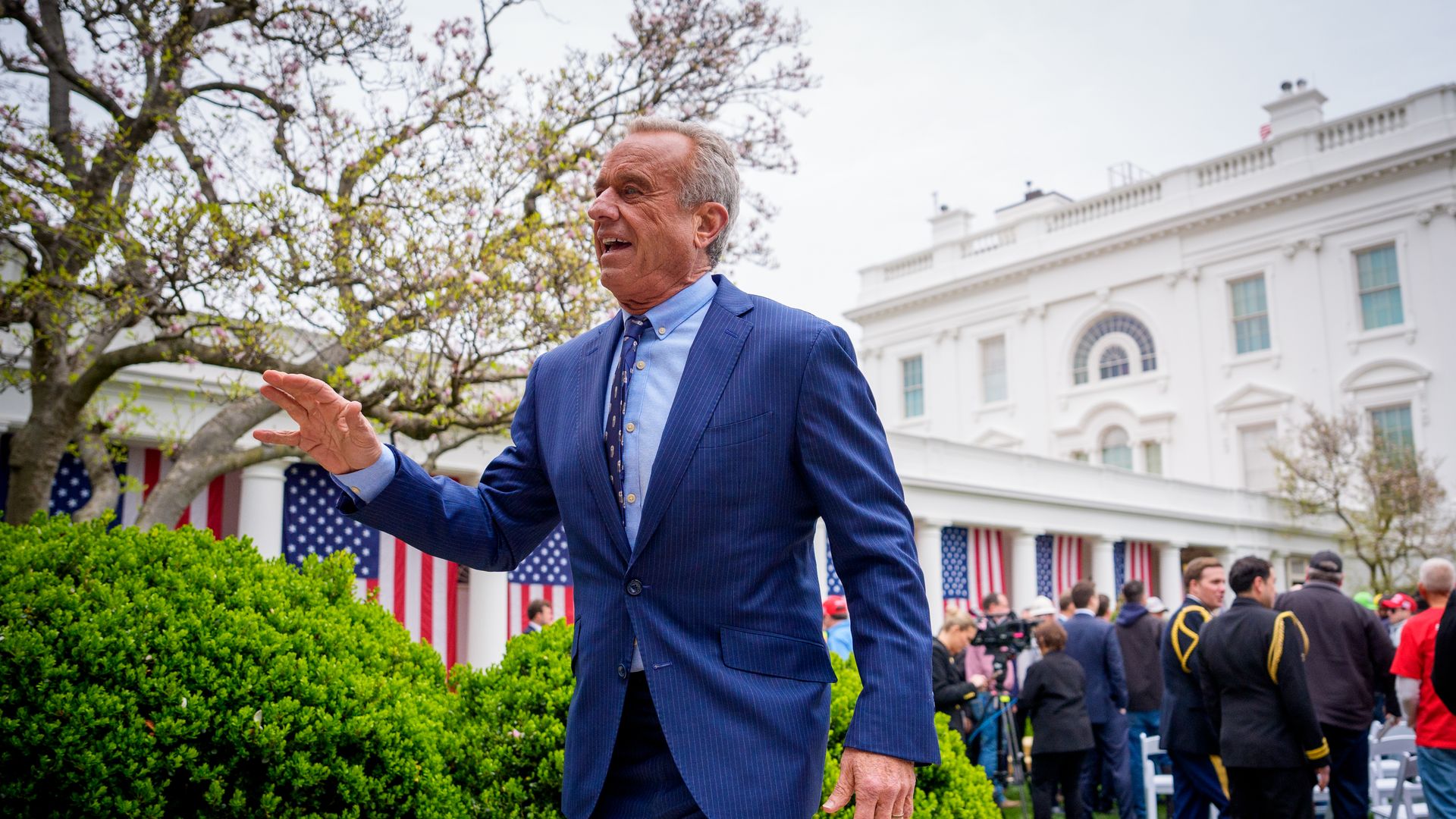
The growing measles outbreak in the U.S. has since January infected 642 people in 22 states, per Health and Human Services Secretary Robert F. Kennedy Jr.. That's more than the number of total cases in the country last year.
Why it matters: The outbreak comes at a time of dropping vaccination rates and declining trust in public health institutions. It's an early test of how President Trump's administration — and Kennedy — will handle public health emergencies and infectious disease surveillance.
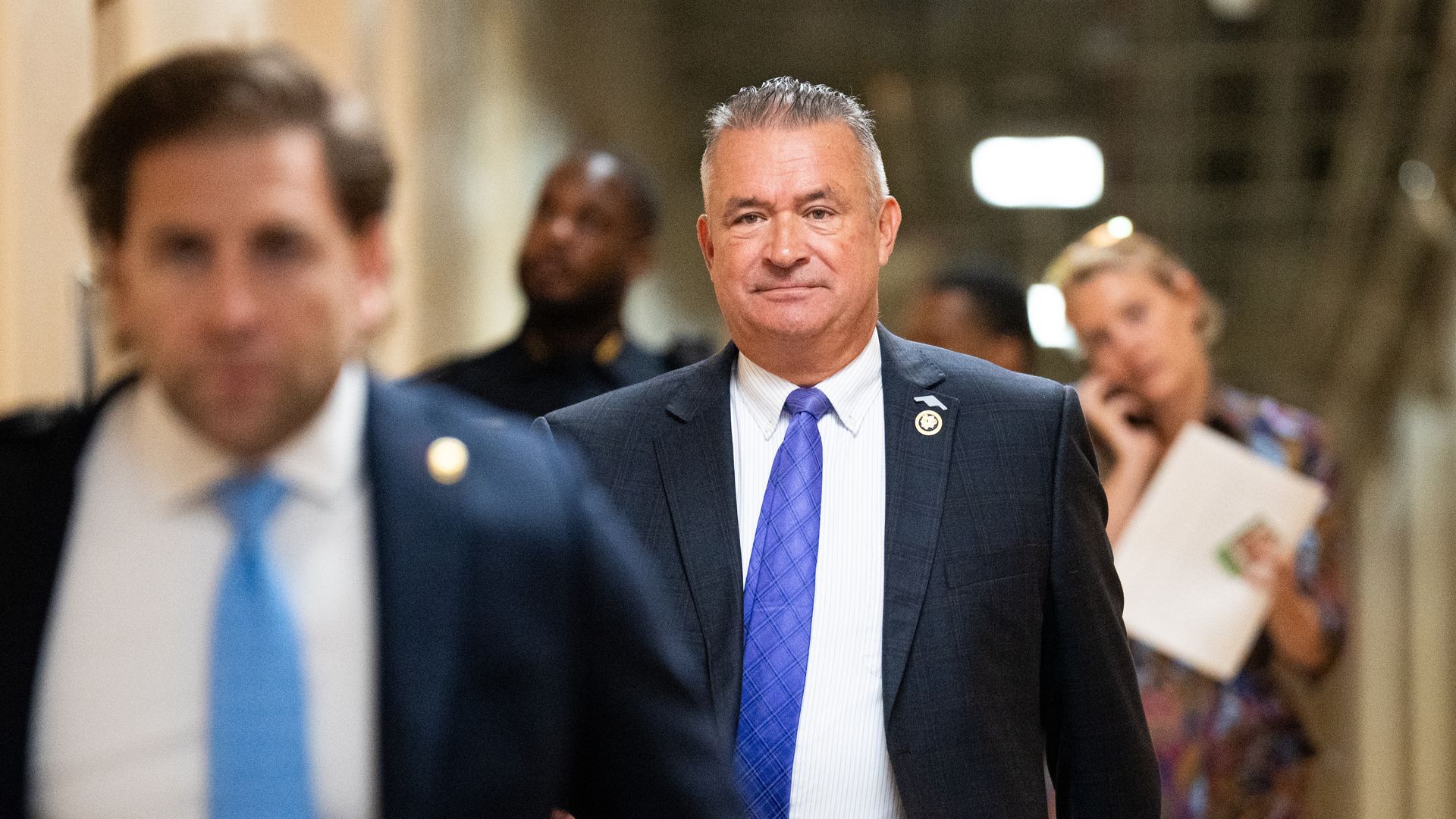
Rep. Don Bacon (R-Neb.) slammed the decision to fire Gen. Timothy Haugh, the National Security Agency director and head of U.S. Cyber Command, without any explanation as "heartbreaking" Sunday.
The big picture: Haugh, along with his civilian deputy Wendy Noble, was fired Thursday, the same day that several members of President Trump's embattled National Security Council were ousted.
The big picture: The government's shocking admission that Kilmar Armando Abrego Garcia, who was legally living in Maryland, was erroneously deported has sparked further concern about the questionable tactics the government has used amid its immigration crackdown.
If there was one consistent message from Trump administration economic officials Sunday morning, it was this: We're not worried about the stock market plunging, and the cavalry isn't coming to save you from tariffs, either.
Why it matters: Investors lost more than $6 trillion Thursday and Friday as stocks sank on President Trump's sweeping new tariff plan.
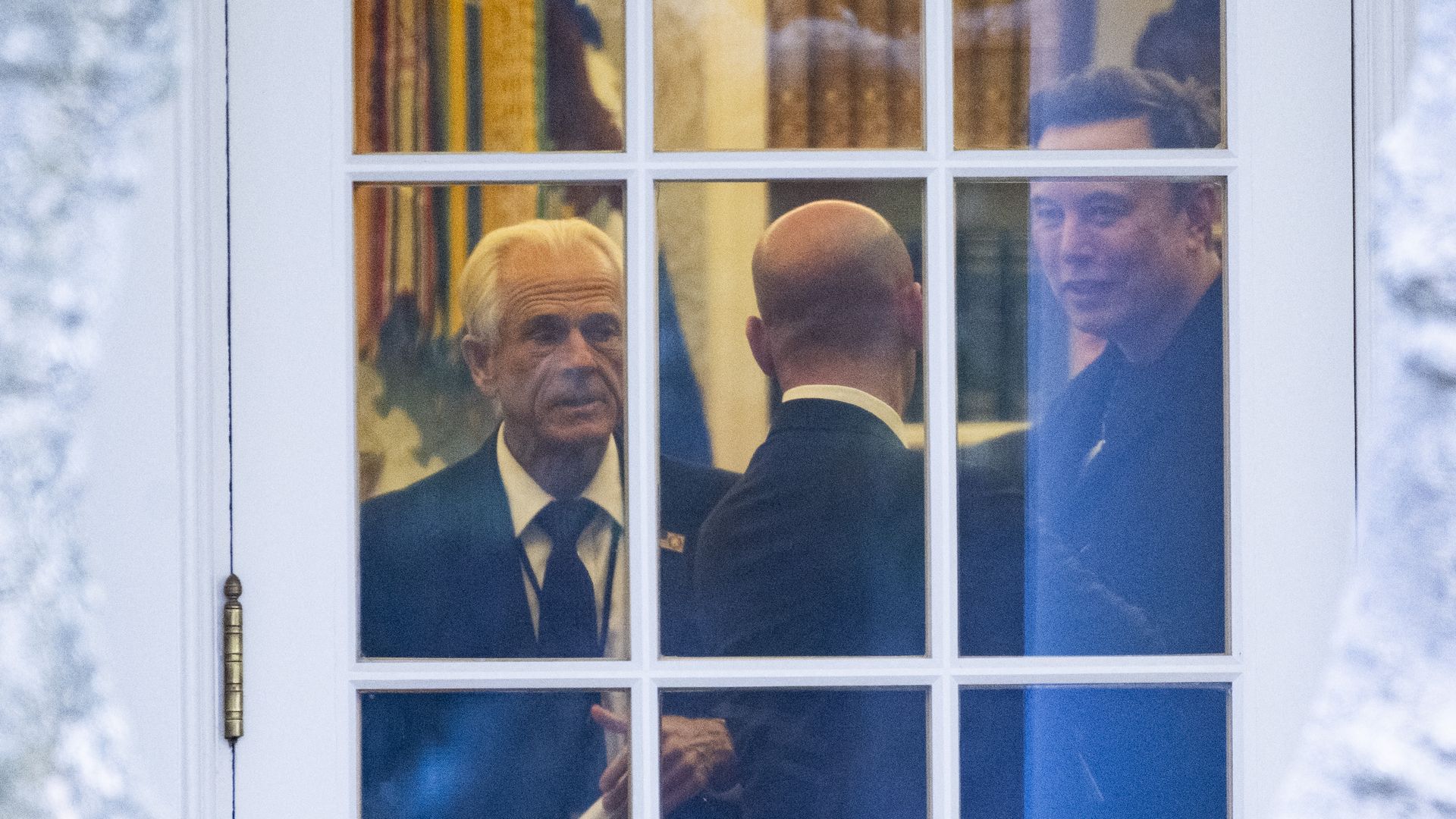
Elon Musk "doesn't understand" the mechanics of other countries cheating the U.S. on trade, Trump trade counselor Peter Navarro said Sunday.
Why it matters: Musk blasted Navarro on Saturday and said he'd prefer a world with free trade, setting up a confrontation with one of the architects of Trump's sweeping tariff regime.
The formula used by the Trump administration to levy reciprocal tariffs contains a serious math error that over-inflates the impact by about a factor of four, economists at the American Enterprise Institute said.
Why it matters: The conservative think tank says the error led to tariff rates massively higher than they should have been to achieve the goals the administration sought.
If you watched or read any legacy media outlets last week, President Trump's firings at the National Security Council and National Security Agency after an Oval Office meeting with conspiracy theorist Laura Loomer were hard to miss.
If you only paid attention to MAGA media, the news was hard to find.
Why it matters: There was plenty of big news last week, chiefly Trump's tariff plan. But taking staffing advice on national security from a 9/11 truther also qualifies as news. Coverage around it was one of the starkest examples of the different media universes that exist for different parts of the country.
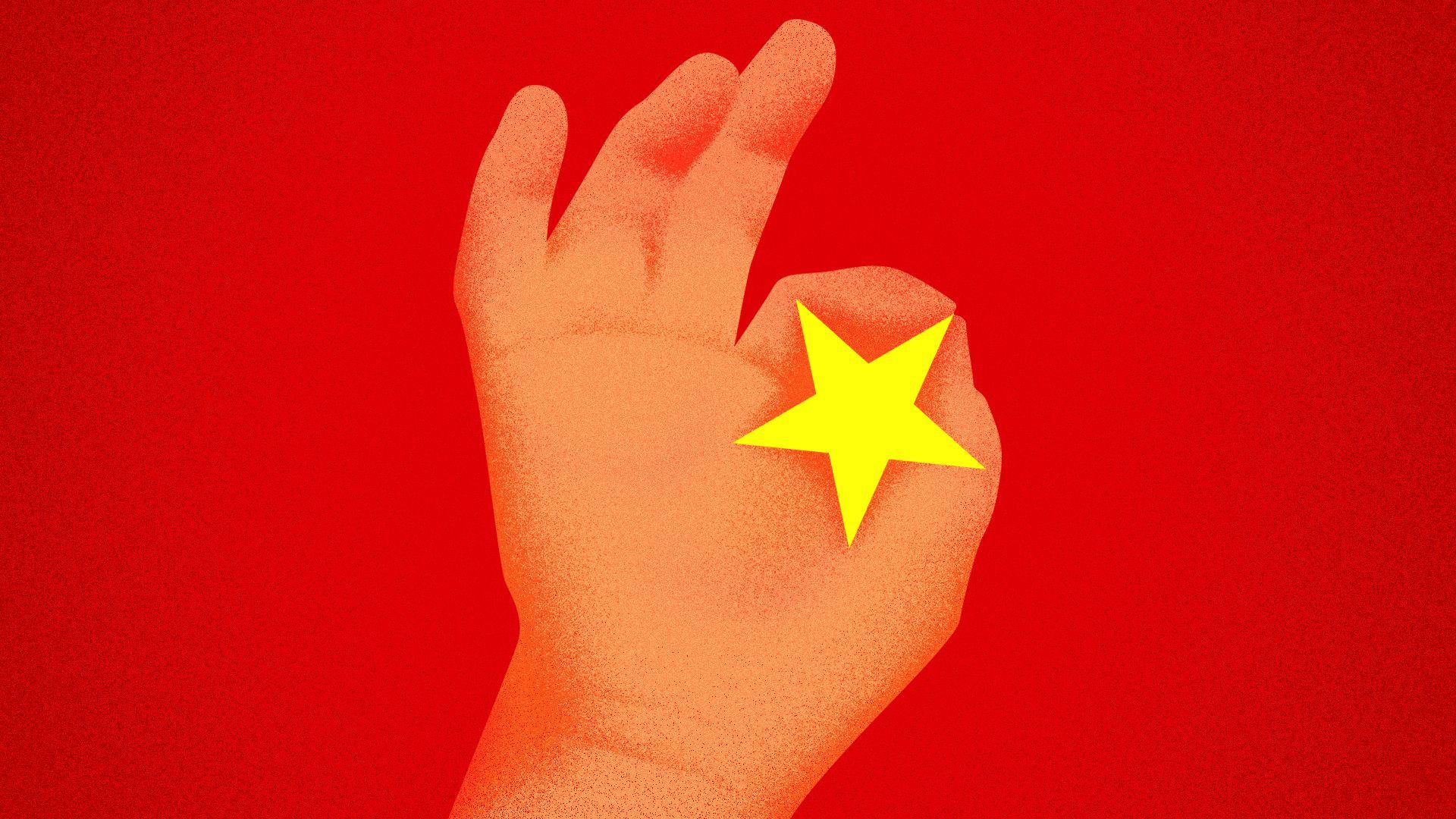
A bipartisan consensus on how to compete with China that took shape in President Trump's first term has exploded at the start of his second.
Why it matters: Nearly everyone in Washington agrees that to win the battle for the 21st century, the U.S. needs to strengthen its alliances in Asia, shift supply chains to friendlier countries, and convince the world Washington is a more dependable partner than Beijing. Nearly everyone, that is, except Donald J. Trump.
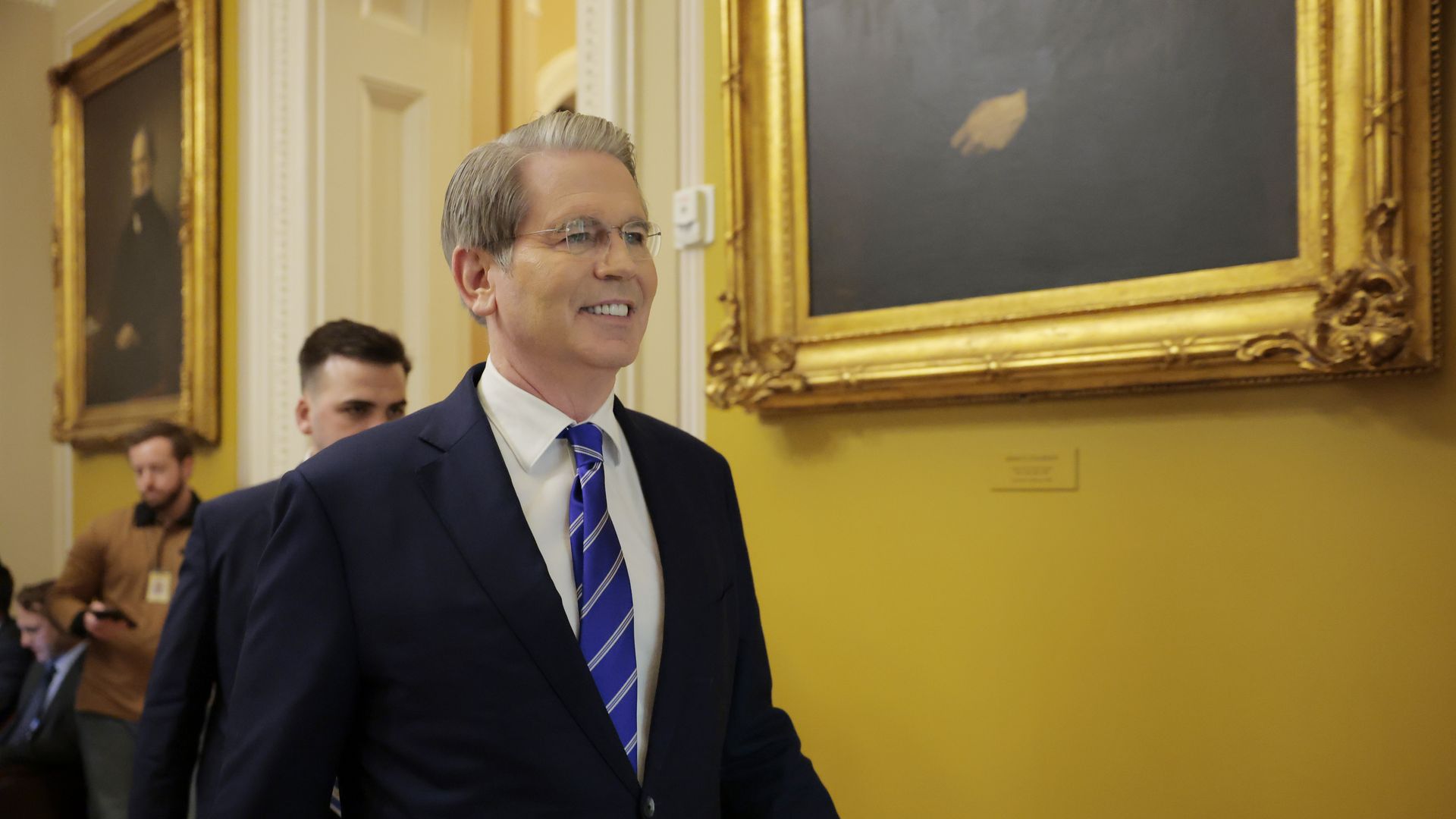
Americans will benefit more from lower energy prices and interest rates than they will be hurt by falling stock prices as a result of President Trump's tariffs, Treasury Secretary Scott Bessent said Sunday.
Why it matters: Economists broadly fear a global recession, perhaps even a dire stagflationary environment of rising prices and slowing growth, after Trump's sweeping attempt to re-order the world's economy.
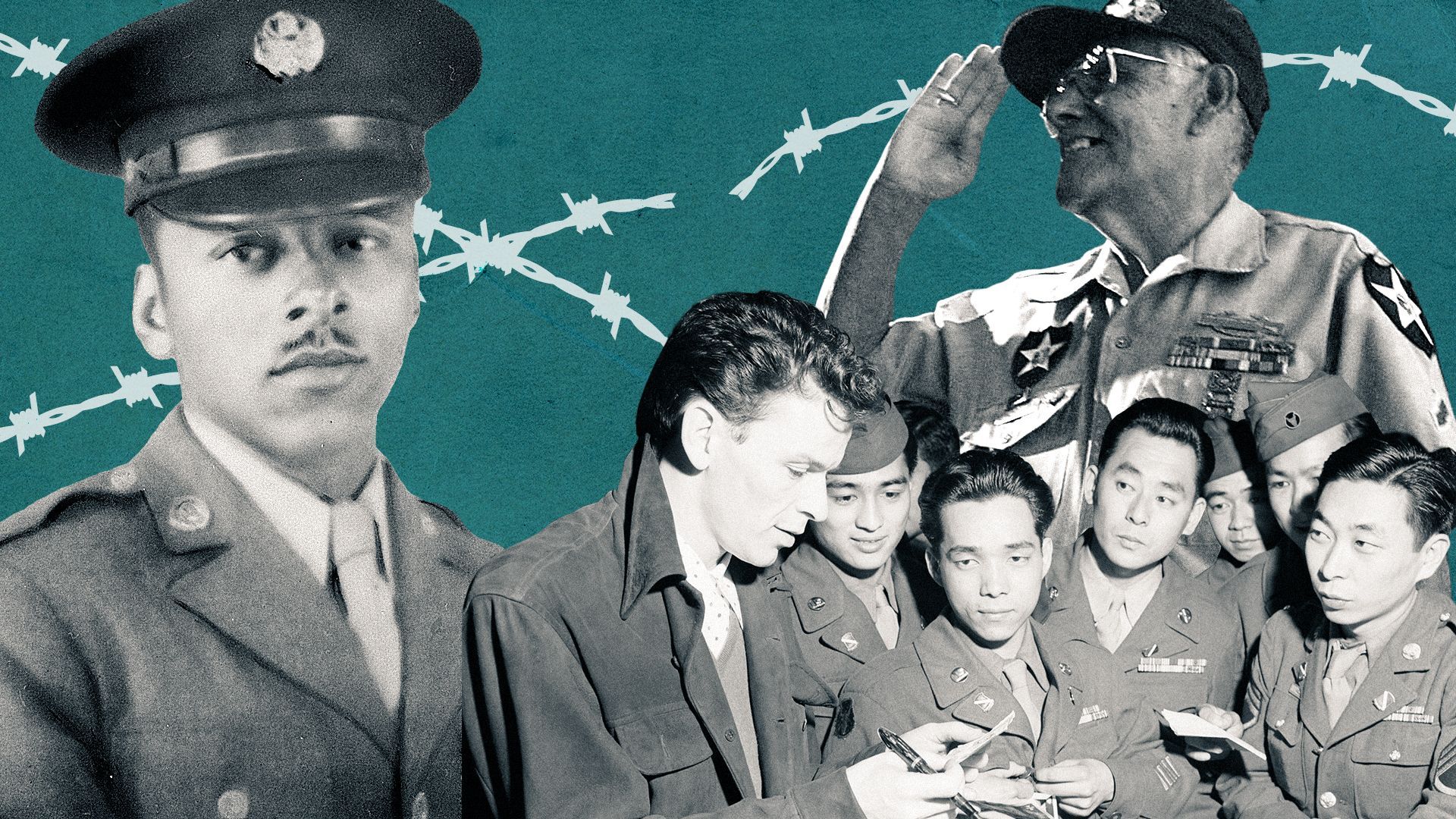
U.S. forces liberated Nazi concentration camps 80 years ago this month. Among the liberators were Black, Latino, Asian American and Native American soldiers whose actions today are often forgotten.
Why it matters: The Pentagon recently purged references to soldiers of color from its websites, per an order by President Trump. But civil rights advocates say the liberators warrant recognition for their service at a time when many returned home to discrimination, segregation and racial violence.
Health Secretary Robert F. Kennedy Jr. late Saturday was planning a hastily arranged visit to Texas after the state informed his department that a second child's death there could be linked to measles.
The death that triggered Kennedy's trip is under investigation.
Driving the news: The child involved was a member of the same Mennonite religious community that in February reported the death of an unvaccinated 6-year-old girl who had had measles.