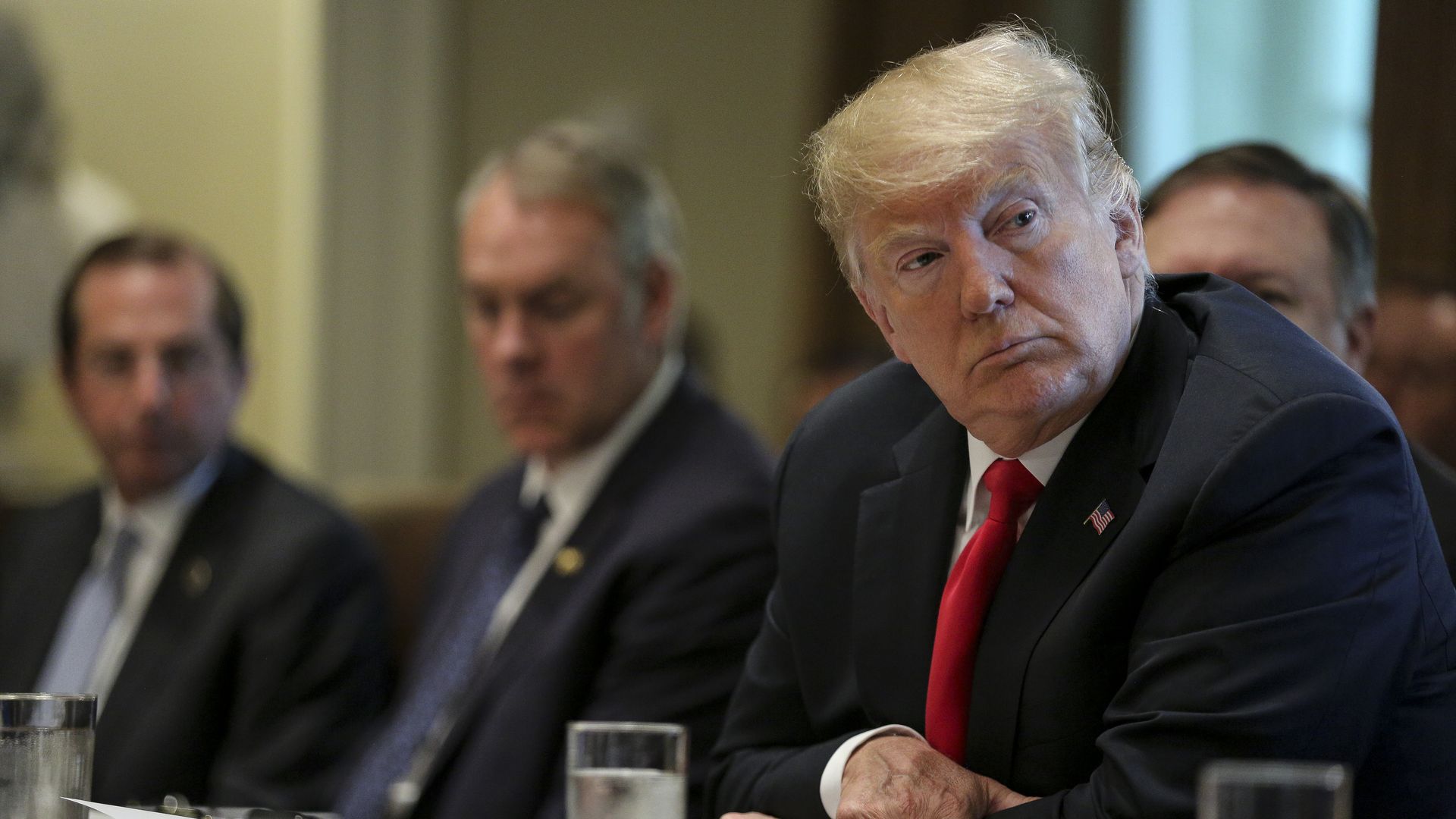
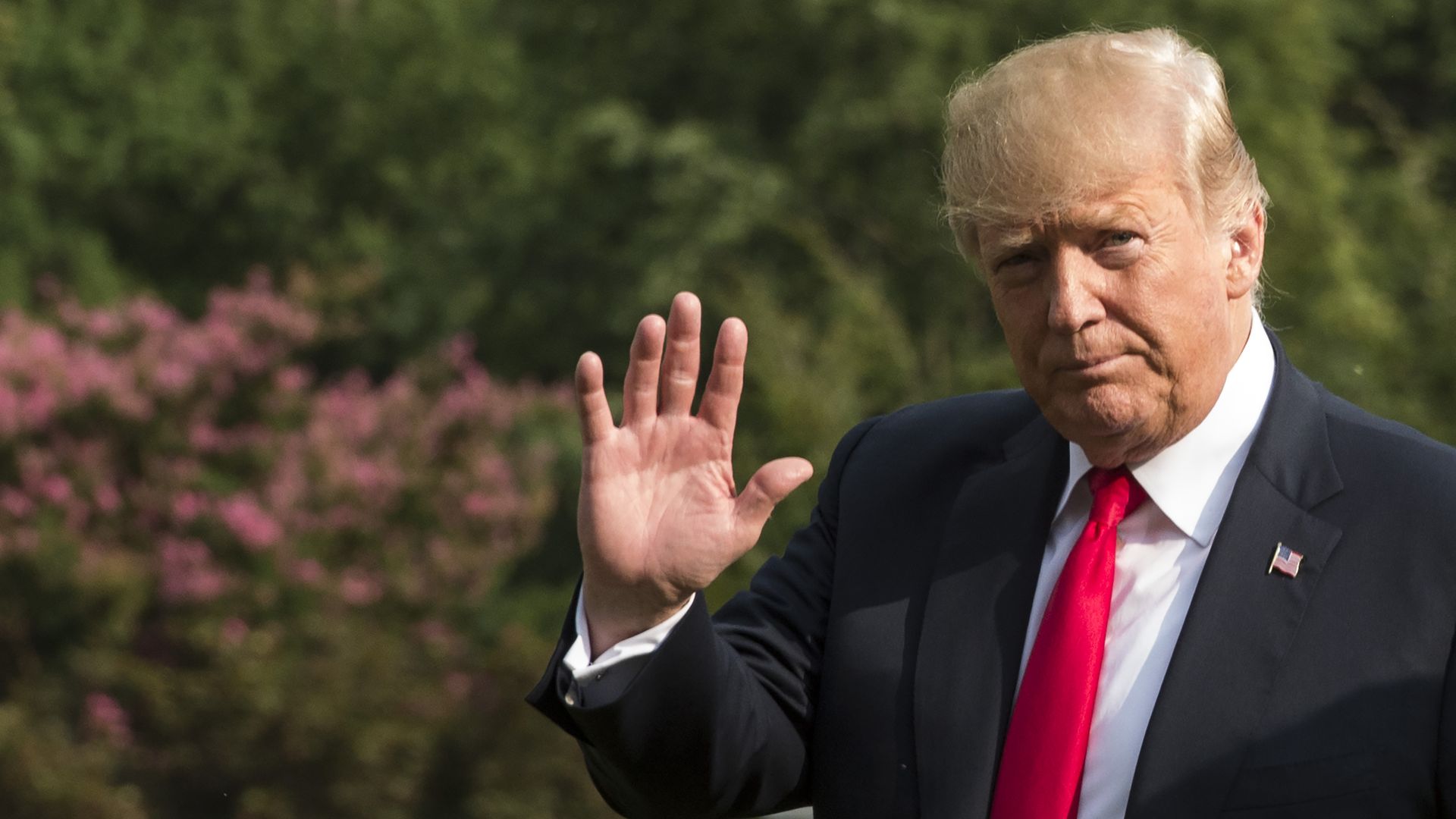
President Donald Trump told Reuters Monday that he fears a potential interview with Special Counsel Robert Mueller could be a "perjury trap, " and declined to say whether he'd still be willing to sit down with Mueller's team.
“Even if I am telling the truth, that makes me a liar. That’s no good.”
Americans are more worried about the rupturing of international alliances and agreements than they are about being pushed around by other countries, according to a new Axios/SurveyMonkey poll.
Data: Survey Monkey online poll conducted August 15-17, 2018 among 2,096 U.S. adults. Total margin of error is ±3.0 percentage points. Modeled error estimates: African-American women ±9.5, age 18 to 34 ±5.5, White suburban women ±7.0, Never Hillary Independent voters ±10.0, Rural voters ±6.0, Republicans ± 4.5, Democrats ± 4.0, Independents ± 7.0; Poll methodology; Chart: Chris Canipe/Axios
Why it matters: President Trump claims his combative foreign policy — tariffs and threats for allies and adversaries alike — is necessary to correct for years of being "ripped off" on the world stage. Trump's base tends to see things his way, but a majority of Americans (56%) are more worried about damage being done to alliances and agreements.
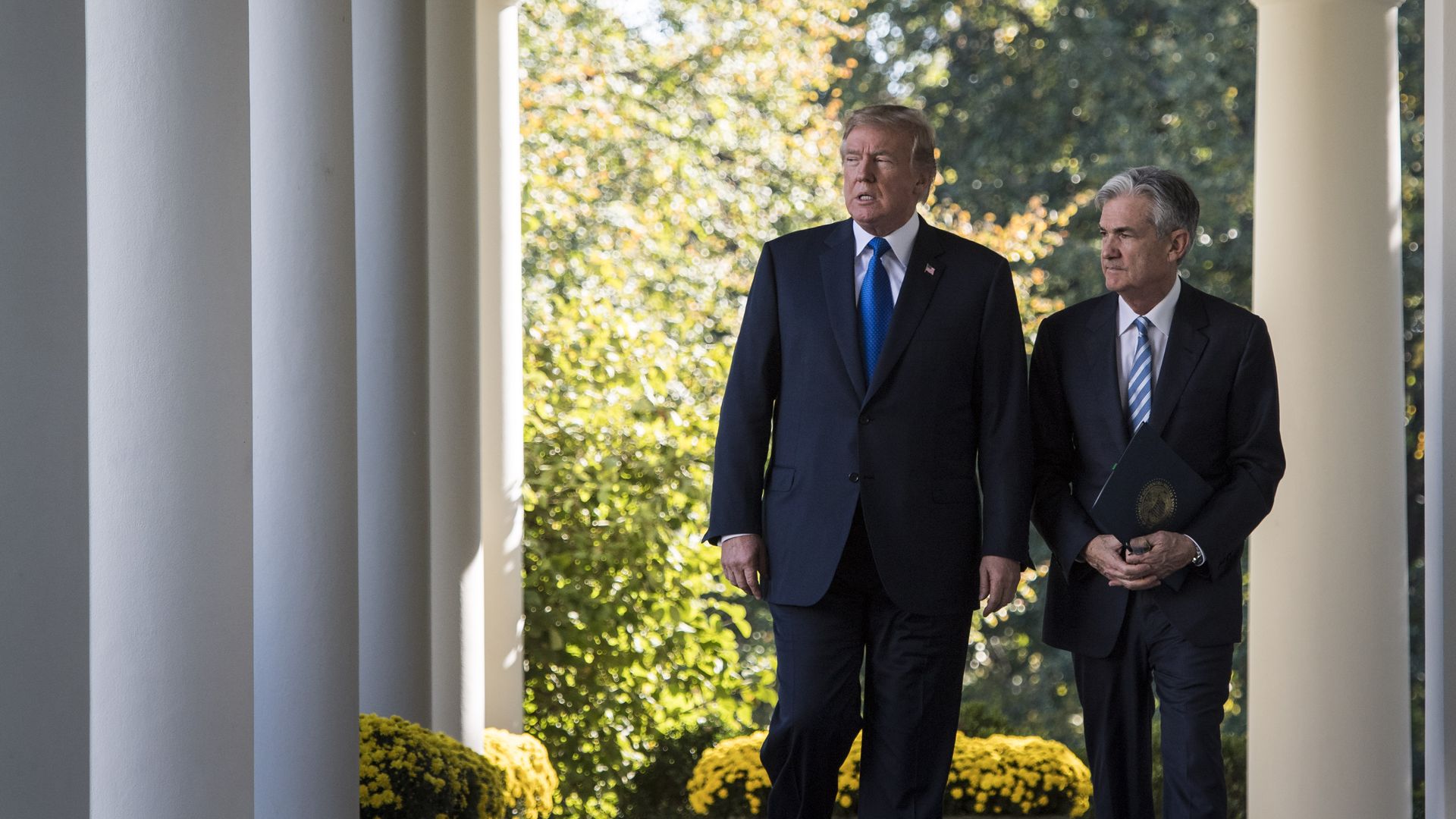
President Trump is complaining again about the Federal Reserve raising interest rates, telling Reuters today that he's "not thrilled" with the Chairman of the Federal Reserve Jerome Powell, adding that he should be "given some help by the Fed."
Why it matters: Despite the pushback he's received for publicly speaking out about the independent government agency, Trump has continued to break a longtime norm of presidents not commenting on monetary policy. On Friday, Trump privately critiqued Powell, his pick to succeed Janet Yellen in 2017, at a GOP fundraiser in the Hamptons, per Bloomberg, and in July he told CNBC that he didn't like watching interest rates go up.
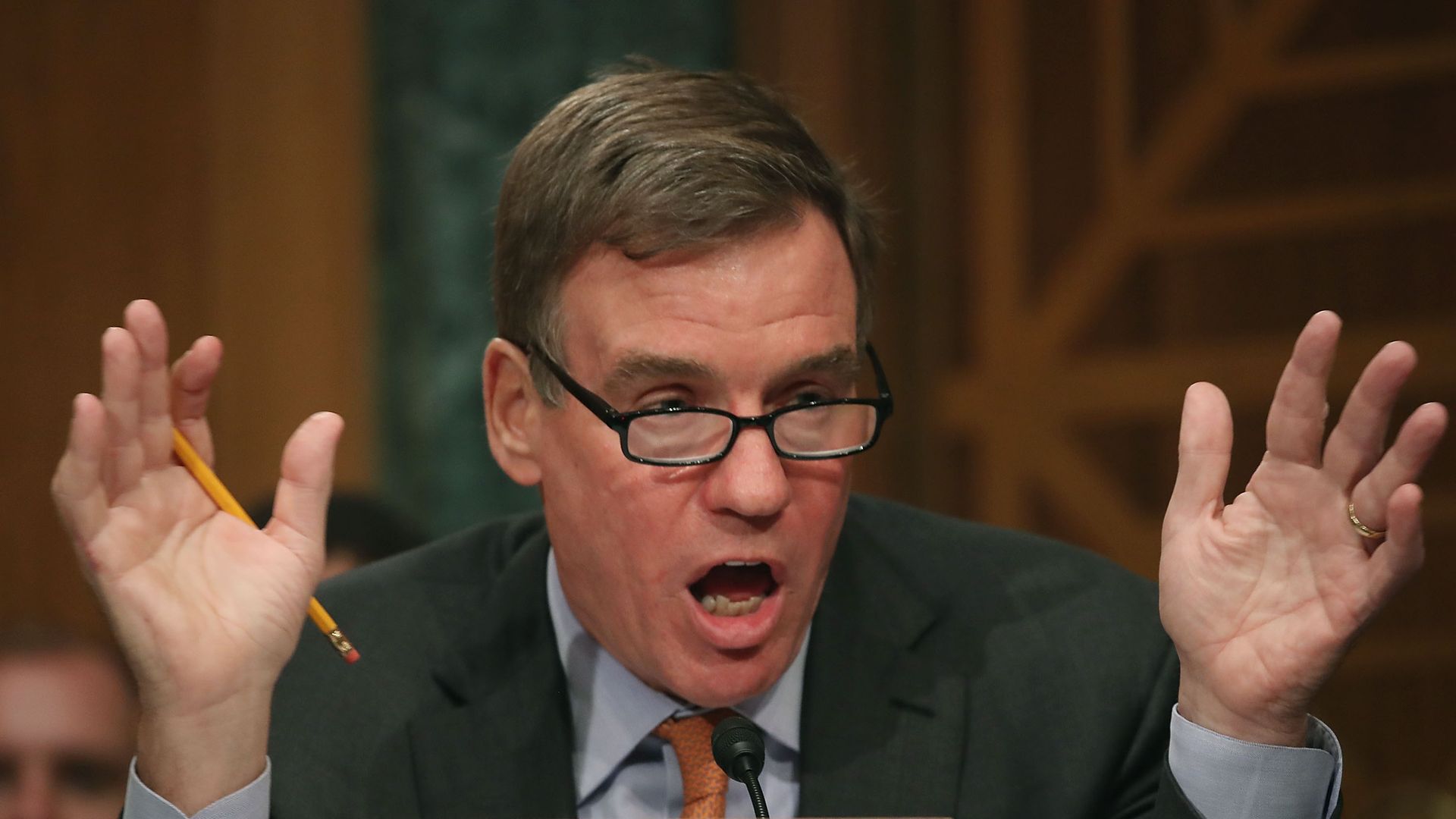
Sen. Mark Warner, the top Democrat on the Senate Intelligence Committee, introduced an amendment to the defense appropriations bill Monday to prevent President Trump from revoking security clearances for political reasons.
“President Trump is setting an extremely dangerous precedent. He’s using the powers of his office in an attempt to intimidate and silence his opponents, and he is politicizing a process that is, by design, supposed to be non-partisan and apolitical."
— Sen. Warner
Timing: This comes after Trump has received intense backlash from the intelligence community over his decision to revoke former CIA Director John Brennan's clearance.
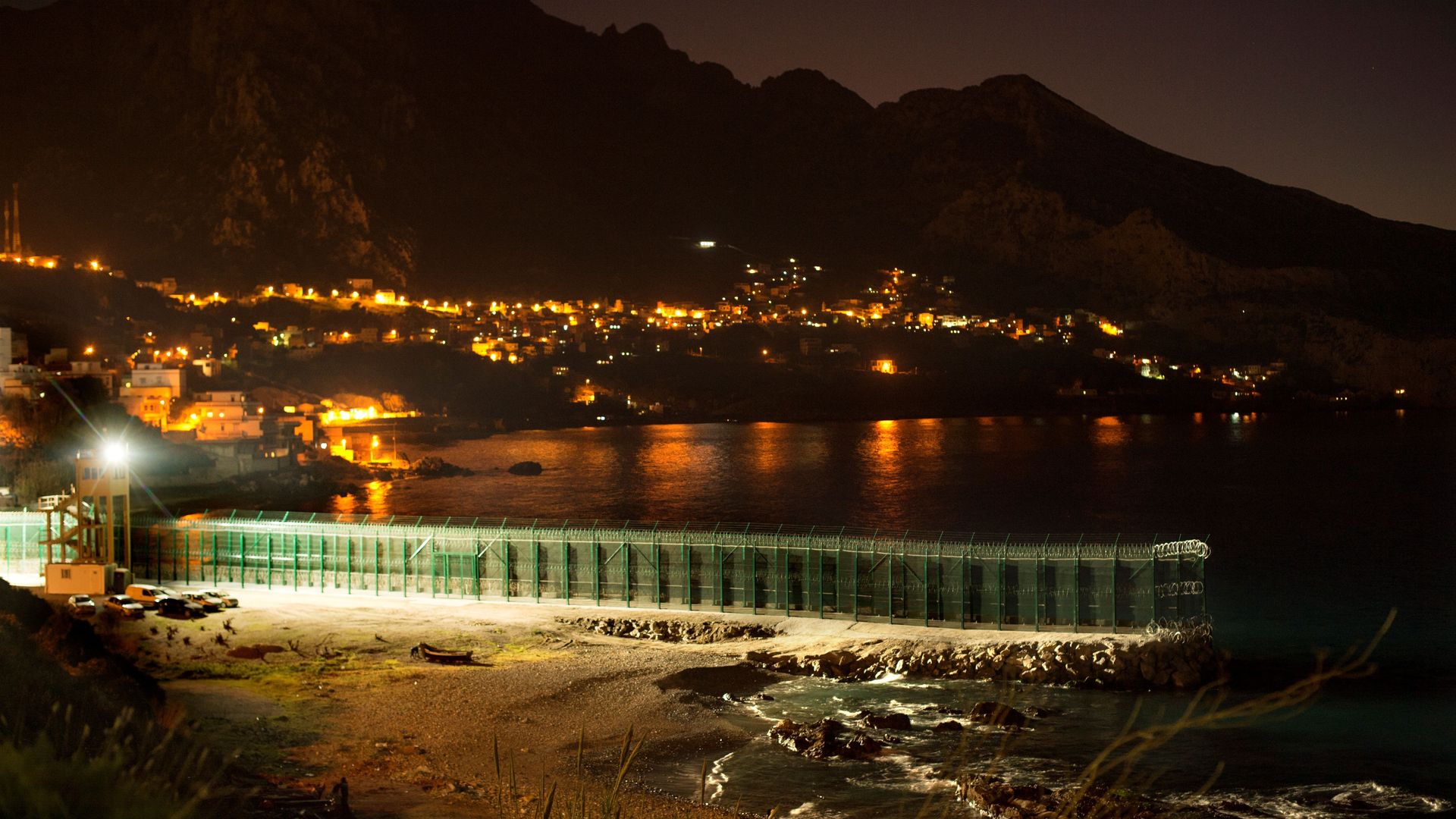
A 20-foot high barbed wire fence and 1,100 police officers in the city of Ceuta — which belongs to Spain despite its place on Africa's northern coast, bordering Morocco — is all that separates migrants from dreams of asylum in Europe, writes Rod Norland for The New York Times.
The big picture: Spain has become a destination of choice for asylum-seekers now that Italy and Malta have shut their doors to new migrants. Efforts to cross Spain's borders have quadrupled in 2018 — with more than 3,300 migrants reaching Spanish soil in August alone. But, because of the especially dangerous currents in the Strait of Gibraltar, hundreds of migrants from all over the continent have taken to "mobbing" the fence in Ceuta, where a chance to travel to the European mainland could await them on the other side.
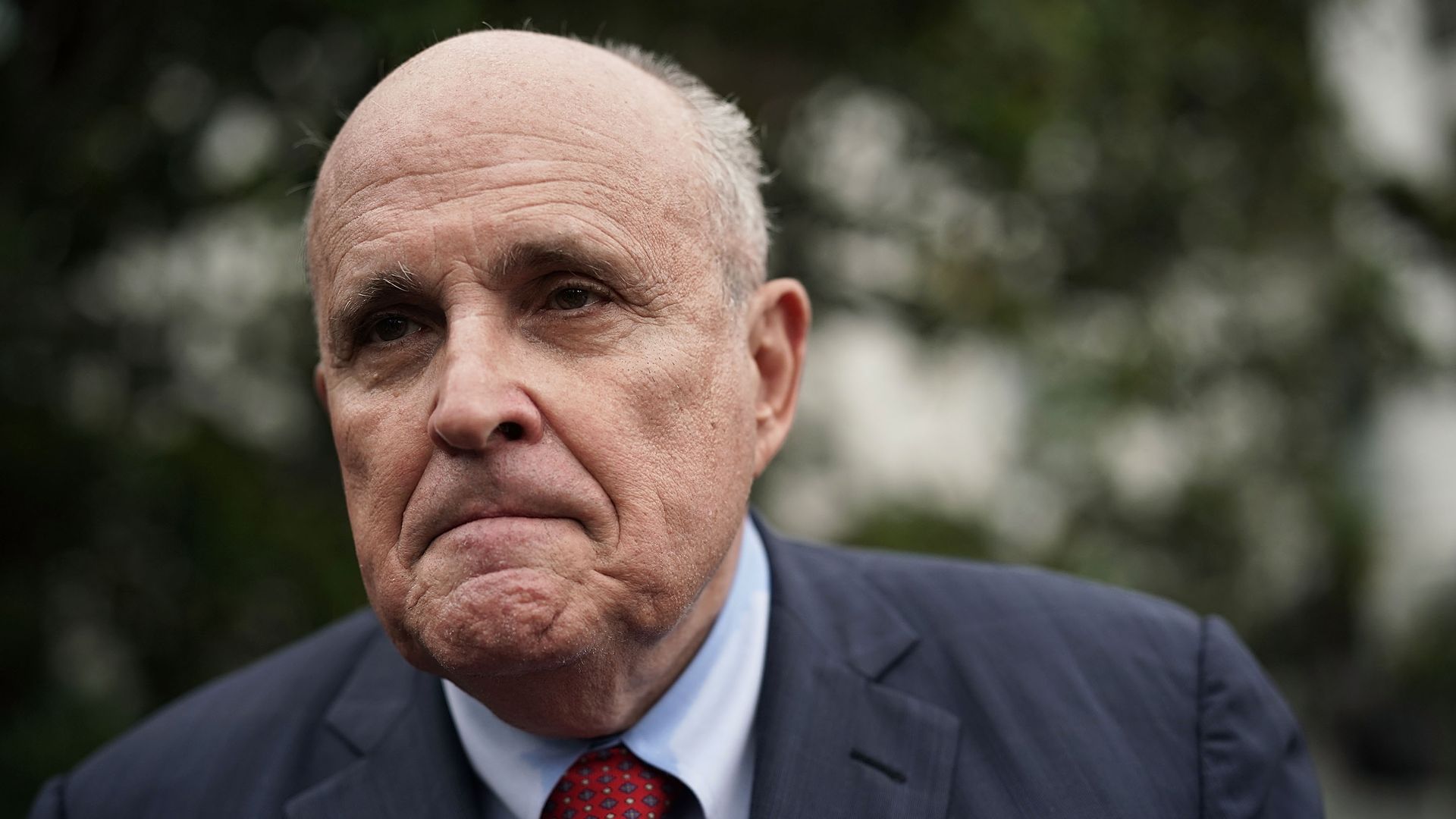
President Trump's personal lawyer Rudy Giuliani took to Twitter on Monday morning to explain his viral statement on NBC's "Meet the Press" yesterday that "truth isn't truth" while discussing the potential for Trump to be interviewed by Robert Mueller's team.
"My statement was not meant as a pontification on moral theology but one referring to the situation where two people make precisely contradictory statements, the classic 'he said, she said' puzzle. Sometimes further inquiry can reveal the truth other times it doesn’t."
In this age of reality show politics, midterm candidates will face the new quirks of political debating this fall, like President Trump wannabes, the desire to engage in real-time fact-checking, and a slew of insults and nicknames.
The big picture: "Debates are much more confrontational now," said Ron Klain, a debate-prep guru for every Democratic presidential candidate back to Bill Clinton in 1992."The emphasis has shifted from persuading undecided voters to motivating your own supporters, and showing your supporters you'll fight for what you believe in."
Democratic Sen. Jeanne Shaheen's team has sent out three fake spearphishing email campaigns to staffers over the last 18 months to test whether they’d fall for real hacking, her chief of staff, Maura Keefe, tells Axios. The result? Several fell for it.
Why it matters: Every political operation in the country is grappling with the reality that hackers may target them — that is, if they haven’t been infiltrated already.
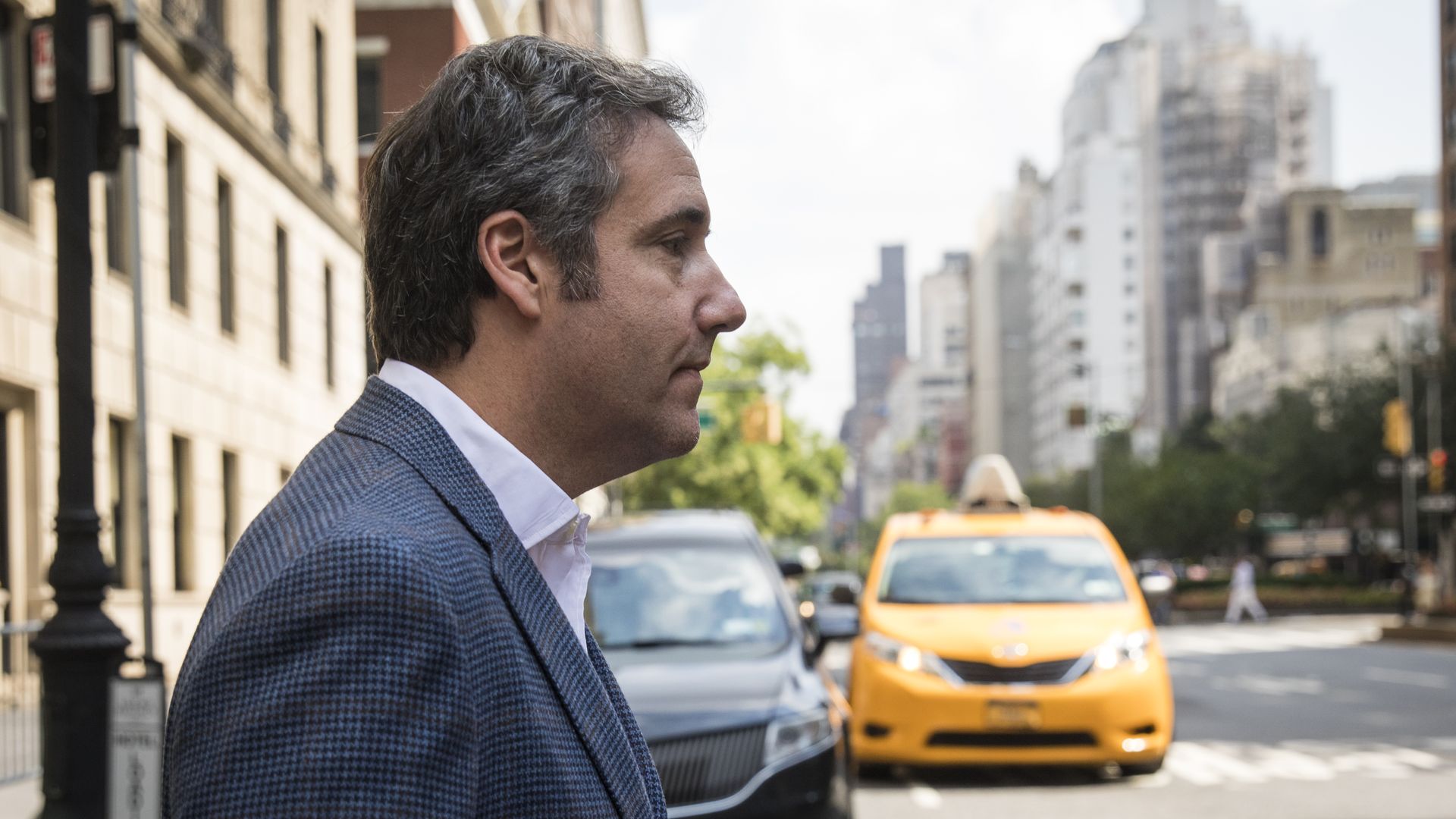
Federal investigators in New York are examining whether President Trump's former personal lawyer Michael Cohen committed over $20 million in bank and tax fraud by misrepresenting his assets when obtaining loans for his family taxi businesses, The New York Times reports.
The big picture: The NYT report notes that it is "still possible" that Cohen could plead guilty and decide to cooperate with federal prosectors and the Mueller investigation. The fraud inquiry is in conjunction with an ongoing federal investigation regarding Cohen's possible violation of campaign finance laws via the payment of multiple women who claim to have had extramarital affairs with Trump.
Dave Wasserman, the Cook Political Report's House analyst, says the most under-covered aspect of 2018 is that "a blue wave is obscuring a red exodus." Republican House members are retiring at a startling clip — a trend that senior White House adviser Kellyanne Conway told me earlier this year was worrying her more than any other trend affecting the midterms.
What's happening: There are 43 Republican seats now without an incumbent on the ballot. That's more than one out of every six Republicans in the House — a record in at least a century, Wasserman says.
President Trump’s staff has learned a hard lesson. If the president says something in private, no matter how geopolitically fraught, it's only a matter of time before he blurts it out in public.
Between the lines: Trump’s Wall Street Journal interview this week is just the latest example of this habit. In that interview, he contradicted the White House's official narrative by saying he had revoked John Brennan’s security clearance because of the Russia probe. It's far from the first time Trump has publicly blurted out something that his aides privately implored him to keep under wraps.
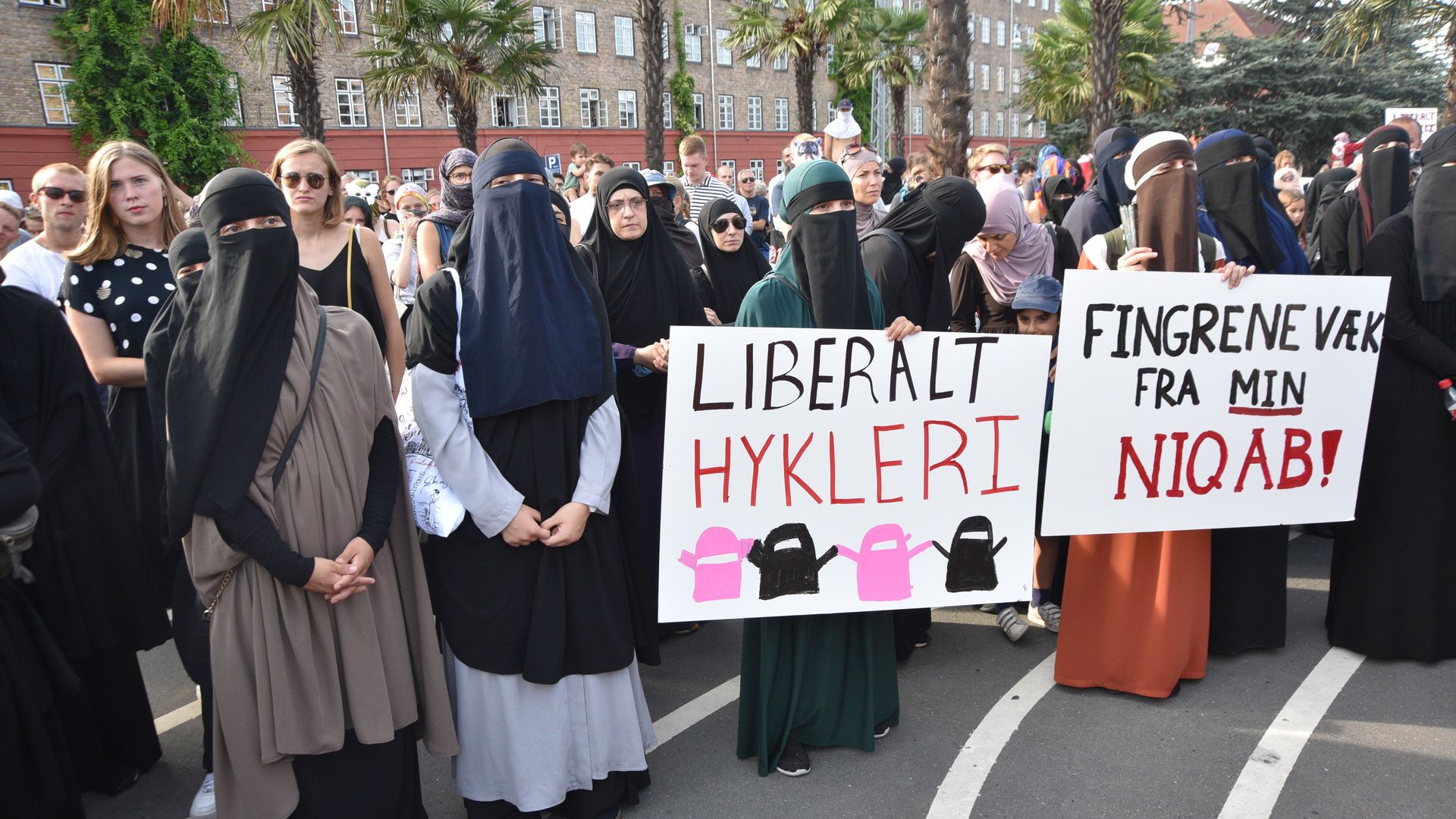
Hundreds of veiled demonstrators gathered in Copenhagen earlier this month to protest against Denmark's "burqa ban," a law enacted in May that allows police officers to fine women who wear the Muslim niqab or body-length burqa in public areas.
Between the lines: Denmark joined France, Belgium, Bulgaria, Austria and the Netherlands as European countries that have instituted some form of a nationwide ban on face veils, per the WashPost. Justifications for the burqa ban range from it being a matter of female dignity to a matter of public safety, as the wearer's identity would be concealed in the event of a security threat. But critics say the ban is being used as a pretext for discrimination against Muslims amid growing resistance to Europe's liberal immigration policies.
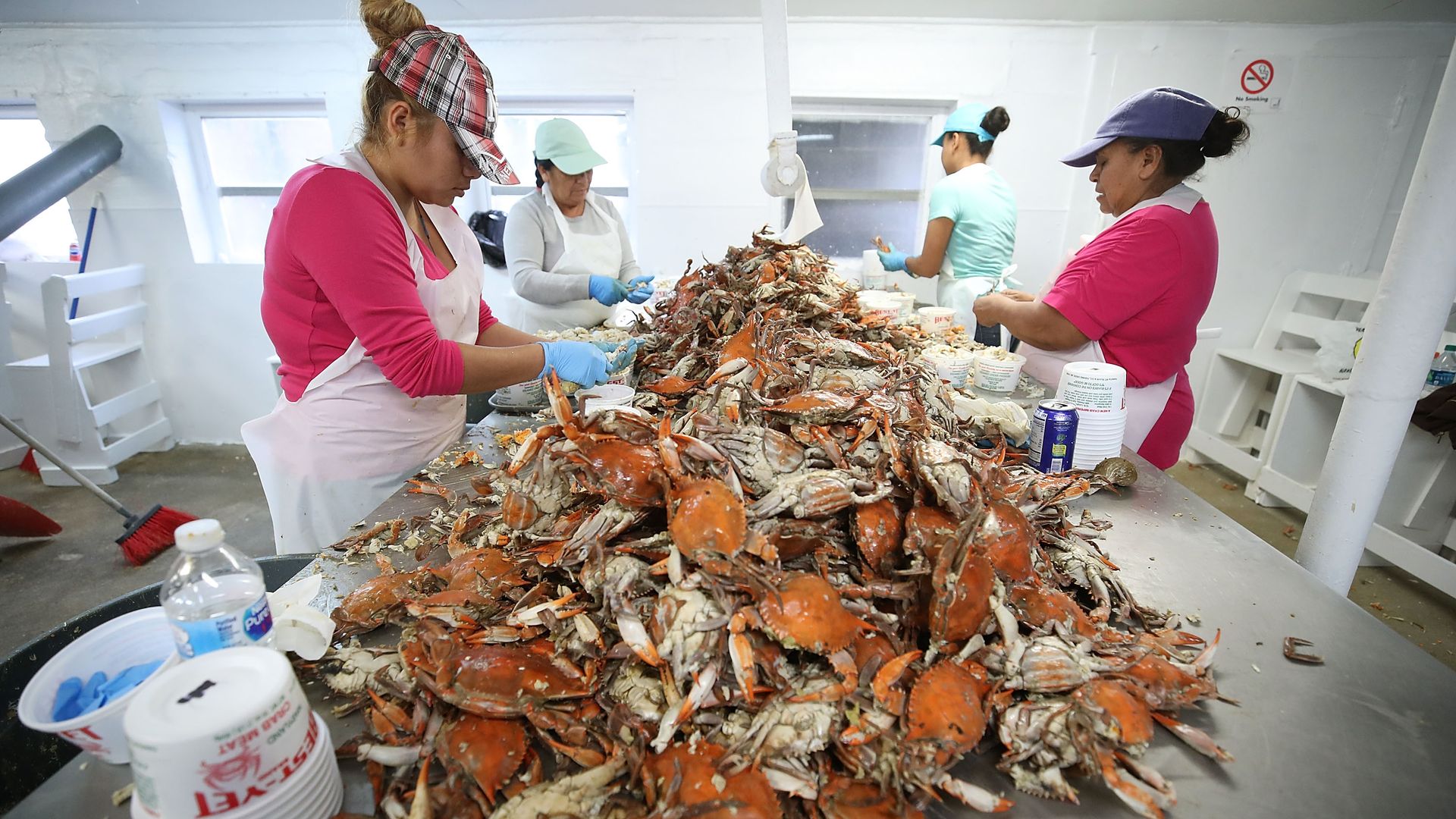
Changes to the seasonal H-2B visa program by the Trump administration have left crab houses in Maryland without seasonal crab pickers — a majority of whom are from Mexico — after few Americans responded to the unfilled openings, owners told The Washington Post.
The details: The administration's decision to change the H-2B system from first-come, first-served to a lottery forced many crab houses to lose out on their seasonal foreign workers, causing them to lose customers and profit as vendors turn to businesses with more reliable supply. A spokesman at the U.S. Citizenship and Immigration Services, which administers the H-2B program, told the Post that the agency has been "focused on ensuring the integrity of the immigration system and protecting the interests of U.S. workers."
President Trump's personal lawyer Rudy Giuliani said that the 2016 Trump Tower meeting was "originally for the purpose of getting information about ... [Hillary] Clinton" during an interview Sunday on NBC's "Meet the Press."
Why it matters: Along with Trump's shocking tweet on the subject earlier this month, it marks a huge reversal in the Trump team's narrative about that meeting — as Trump's initial statement said it was primarily about the adoption of Russian children, rather than opposition dirt from a Kremlin-linked lawyer.