Axios Latino

Welcome back.
💔 Today marks four years since the El Paso Walmart shooting that left 23 people dead.
👀 Puede leer este boletín en español aquí.
This newsletter, edited by Astrid Galván, is 1,309 words, a 5-minute read.
1 big thing: Exiled Guatemalans cling to hope
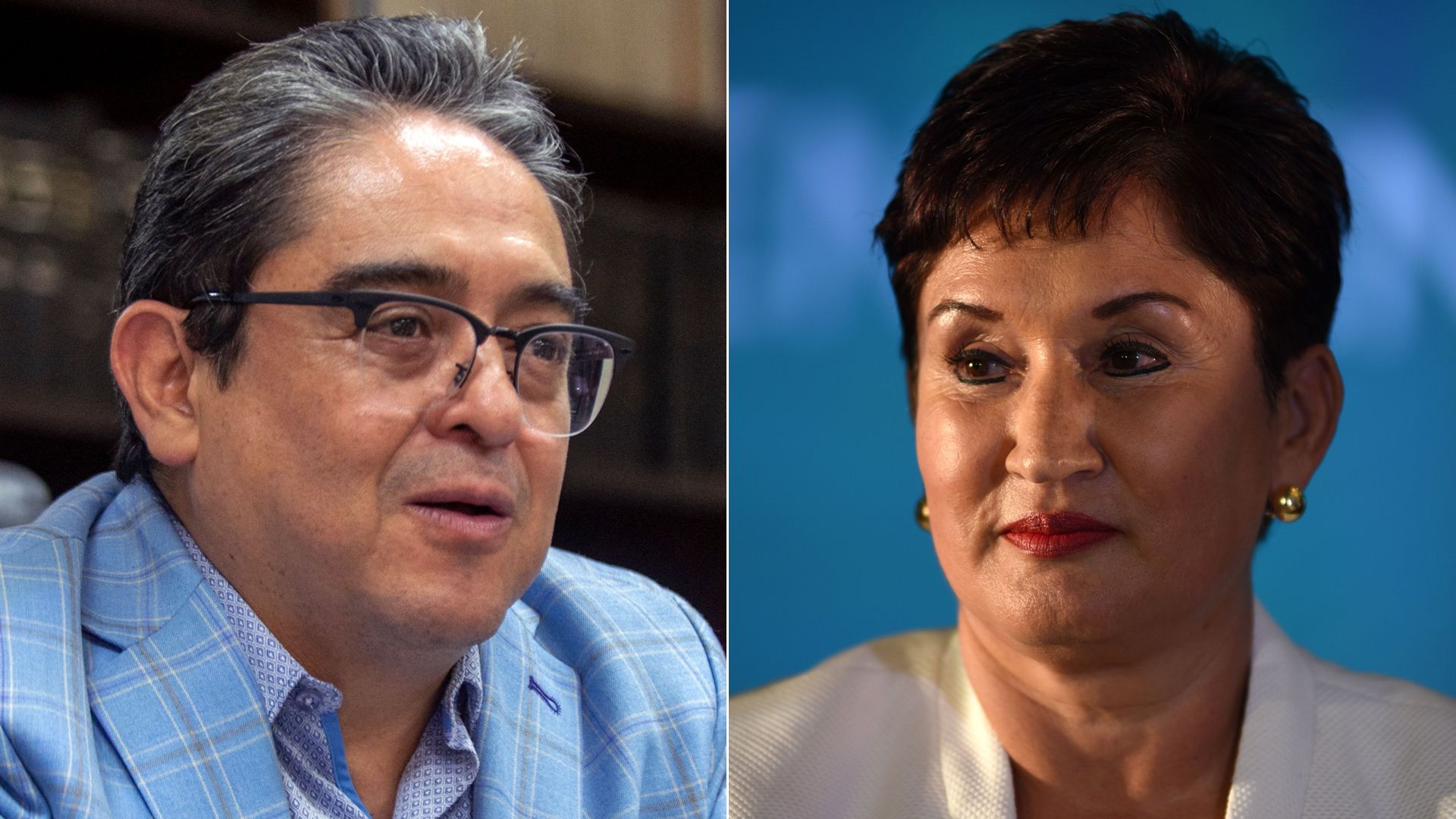
Former Guatemalan human rights ombudsman Jordán Rodas, and former Attorney General Thelma Aldana. Photos: Carlos Alonzo/AFP; Johan Ordóñez/AFP via Getty Images
As Guatemala's Aug. 20 presidential runoff nears, reports of governmental interference have officials in exile fearing for their country's democracy, although they tell Marina they are cautiously optimistic about the popular will prevailing.
State of play: Sandra Torres, a former first lady with center-right party UNE, and Bernardo Arévalo, a former diplomat with social democratic party Movimiento Semilla, will face off after a legal battle that delayed the certification of the June 25 first-round votes by more than two weeks, prompting mass protests.
- A handful of political parties — including the ruling Vamos — alleged fraud, but a review of the vote tally produced no such evidence.
- After the results were certified, the attorney general's office announced an investigation into Semilla for allegedly falsifying signatures, saying it would seek to annul its party registration. The nation's electoral court called the attempt "unprecedented," and the UN criticized the move. Semilla denies the allegations.
What they're saying: The former attorney general, Thelma Aldana, who held the position from 2014 to 2018, tells Axios Latino she's concerned about interference in the elections but also feels hopeful.
- Aldana fled Guatemala in 2019 and was granted asylum in the U.S. after a Guatemalan court issued an arrest warrant for her on charges of embezzlement. Aldana says the charges were in retaliation for her investigations into presidential corruption.
- Aldana says she's "worried because I know how the people currently leading the institutions operate and that they're capable of anything, which makes me concerned about what they'll do."
- "Yet I'm hopeful that, God willing, the people's will remains strong enough to ensure their vote is respected," Aldana says, adding that Guatemalans' protests feel like the only safeguard for democracy.
Jordán Rodas, formerly the country's human rights ombudsman (2017-2022), says "the status quo is acting like a wounded beast, clawing out for fear of losing its privileges, and I fear those claws may yet cause more damage."
- But Rodas, who fled last year when the attorney general announced an investigation into his tenure for undisclosed reasons, says he sees "a small hope society can move the country in a different path."
- He cites the protests and Arévalo's surprising ascent. Prior to the June election, polls showed Arévalo, who is running on an anti-corruption platform, far behind other candidates.
The other side: President Alejandro Giammattei's government has dismissed claims that it is undermining the electoral process, saying last month that all federal agencies "have worked to fulfill their legal mandate."
- The attorney general's office has also defended its actions, saying it is within its rights to investigate possible malfeasance.
2. LIBRE goes after "Bidenomics"
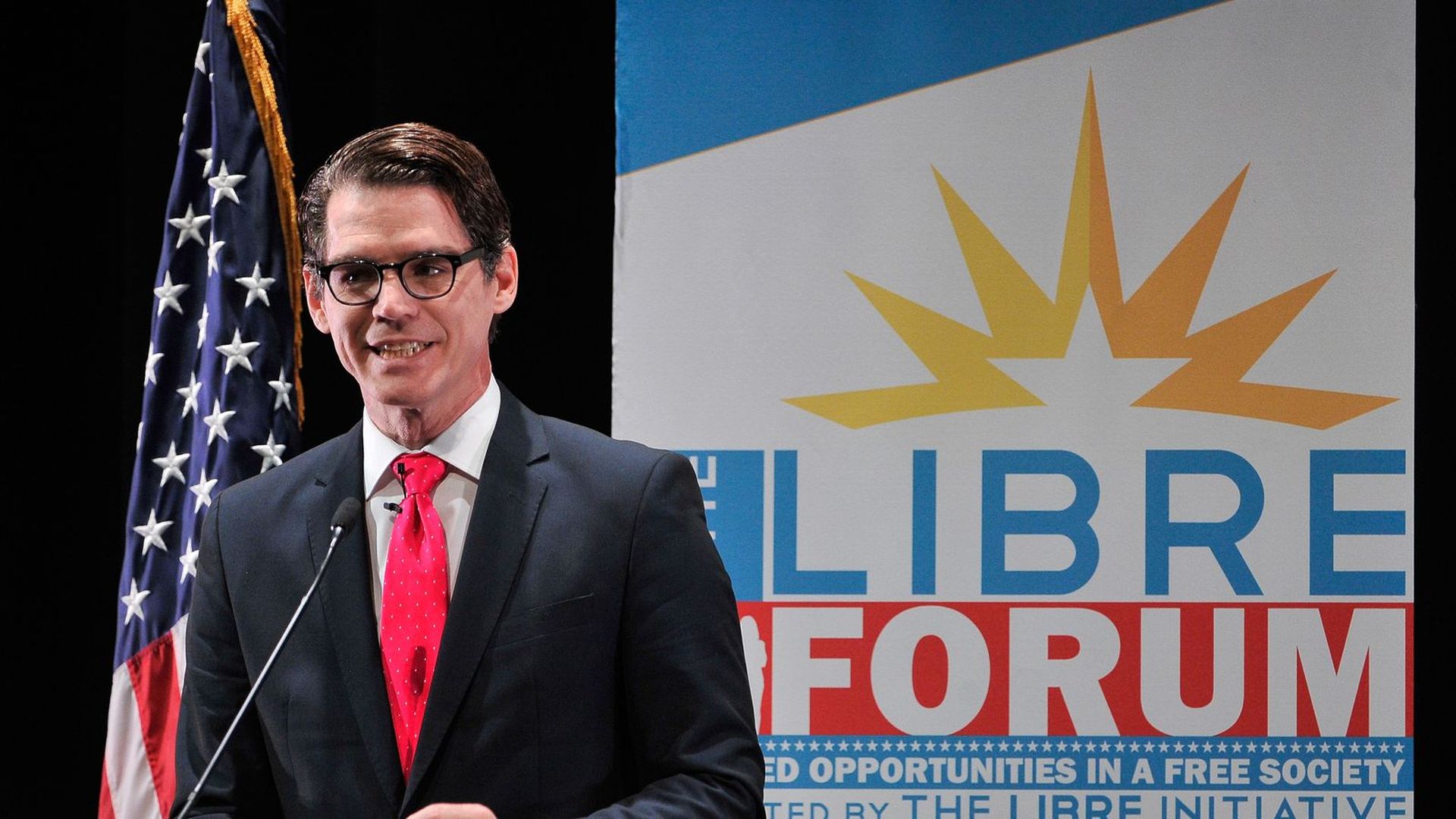
LIBRE Initiative president Daniel Garza speaks at a forum in Nevada in 2015. Photo: David Becker/Getty Images
The Koch-backed LIBRE Initiative is launching a multi-state effort this week to try to counter Democratic messaging about the success of "Bidenomics."
Why it matters: The campaign by the libertarian-leaning organization, which aims to engage Latino voters, comes as the GOP makes inroads with Hispanics, the fastest-growing voting demographic.
The big picture: Senior Biden officials are convinced that talking up the economy is key to the president's re-election.
Details: The LIBRE Initiative's latest campaign, La Prosperidad es Posible (Prosperity is Possible), seeks to convince Latino voters in battleground districts in Arizona, Nevada, Ohio and Wisconsin that Biden's moves to forgive $39 billion of student loan debt and restrict oil and gas leases hurt their wallets.
- The organization's leaders will also target inflation and the president's pro-union policies, using intimate gatherings, carne asadas and events at gas stations, where LIBRE will cover part of the cost of gas for attendees.
What they're saying: "I think it's a disconnect. There has been an economic approach that hasn't rendered real prosperity, real opportunities for the Latino community," Daniel Garza, president of The LIBRE Initiative, said.
- Garza said despite the president's media blitz, Latinos are still experiencing high prices for gas, food and medicine, and having trouble buying homes thanks to high interest rates.
- "Inflation is down from its high. It's still up. Purchasing power is still down."
Reality check: Although inflation is ebbing (prices on some goods and services remain high) and interest rates could still rise, the economy has momentum heading into the second half of 2023.
- The Biden administration says that under its economic policies, Latinos have the lowest unemployment rate on record.
- It adds that it helped reduce child poverty for Latinos by more than 7%.
Zoom out: The latest LIBRE Initiative campaign is significant because the organization consistently engages with Latinos — especially swing voters — even in off-election years, while the Democratic Party and the GOP are inconsistent, University of Houston political science professor Jeronimo Cortina tells Axios.
- "Sometimes the Democratic Party tends to sleep on its laurels. If the LIBRE Initiative goes in, Latinos are going to listen, and there is not going to be any counter-narrative."
3. Latina chosen for Obama's leaders program
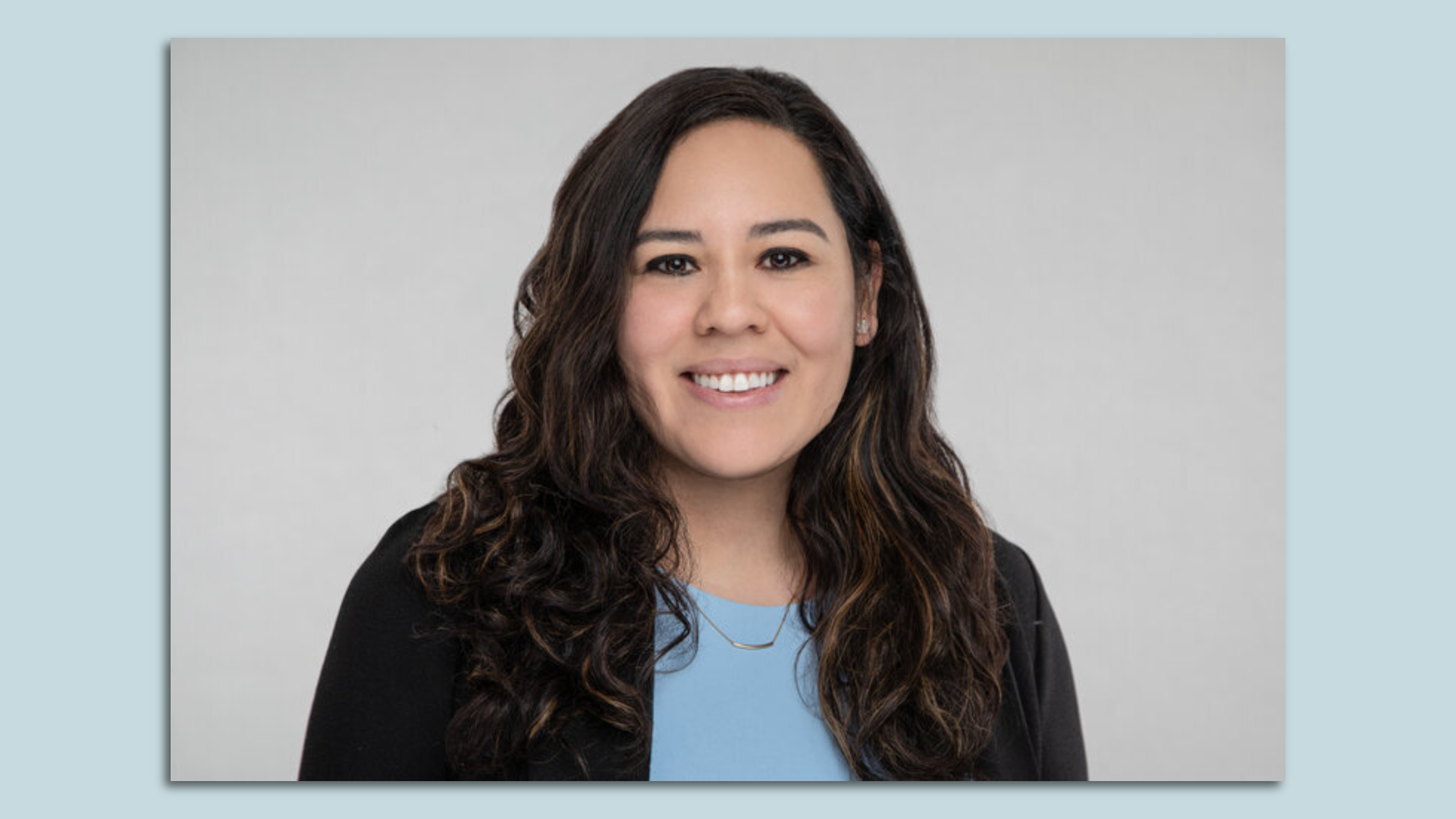
Rosamaria Cristello. Photo courtesy of Rosamaria Cristello.
A dozen Latino community leaders were chosen this week for the first cohort of the Obama Foundation Leaders USA program, Marina writes.
Why it matters: The program will provide training and one-on-one support for six months to help propel "changemakers" who work on equity and sustainability issues.
Details: The Latinos chosen for the program work in various fields, including urban design, bilingual health care, criminal justice reform, education and immigration, among others.
- They represent most states with heavy or growing Latino populations, from California and Texas to Colorado, Utah and Georgia.
What they're saying: "My main excitement with the leaders program is having it amplify our community and work, that we as a Latino community will be elevated and made more visible for policy or infrastructure in our area," says Rosamaria Cristello, a Guatemalan American immigrant who founded and is executive director of Pittsburgh's Latino Community Center.
- The center, established in 2017, provides Latinos in the West Pennsylvania region an array of services, including early childhood development programs and food and school supply assistance.
- It also helps them navigate school systems, vet immigration attorneys and more — services Cristello says she wishes her family could have had when they got to the U.S.
- Cristello adds the recognition can be leveraged to help other organizations from her area "build bridges and connections" with the 99 other people chosen for the Obama program.
- "Our newest Obama leaders are already making a difference in their communities and are ready to take their work to the next level," Valerie Jarrett, CEO of the Obama Foundation, said in a statement.
4. Stories we're watching

Illustration: Natalie Peeples/Axios
1. Leaders of all countries in the Amazon region are meeting next week for the first time since 2009 to discuss protective measures.
- Deforestation rose considerably in the Amazon rainforest in the last decade, especially in Brazil, Colombia and Bolivia, though more recent numbers suggest tree loss has been cut in the past few months.
- Brazilian President Luiz Inácio Lula da Silva, whose country is hosting the summit, said this week he also hopes for an agreement to share all research on biodiversity in the area.
2. Costa Rica's top prosecutor this week announced his office is investigating President Rodrigo Chaves for allegedly using his influence to interfere in a businessman's child custody case.
- Chaves has not responded to the accusations.
5.🪅Pachanga: Roberto Y. Hernandez

Photo illustration: Axios Visuals. Photo: Courtesy of Roberto Y. Hernandez
Today we celebrate Roberto Y. Hernandez, a real pachangero who helps throw big parties that honor Latino heritage in San Francisco. Oh, and he also founded a food bank and is a leader in his community.
- Roberto is the CEO of CANA Cultura y Arte Nativa de Las Americas.
- He founded the Mission Food Hub to provide thousands of Latino families with culturally-appropriate food during the COVID pandemic.
Felicidades, Roberto!
Thanks for reading, and thanks to Carlos Cunha for the copy edits. Did someone forward you this newsletter? Sign up here.
Sign up for Axios Latino
Keep tabs on the stories that most affect the U.S. Latino community on both sides of the border, a collaboration with Noticias Telemundo.