What to know about Seattle Mayor-elect Katie Wilson

Add Axios as your preferred source to
see more of our stories on Google.
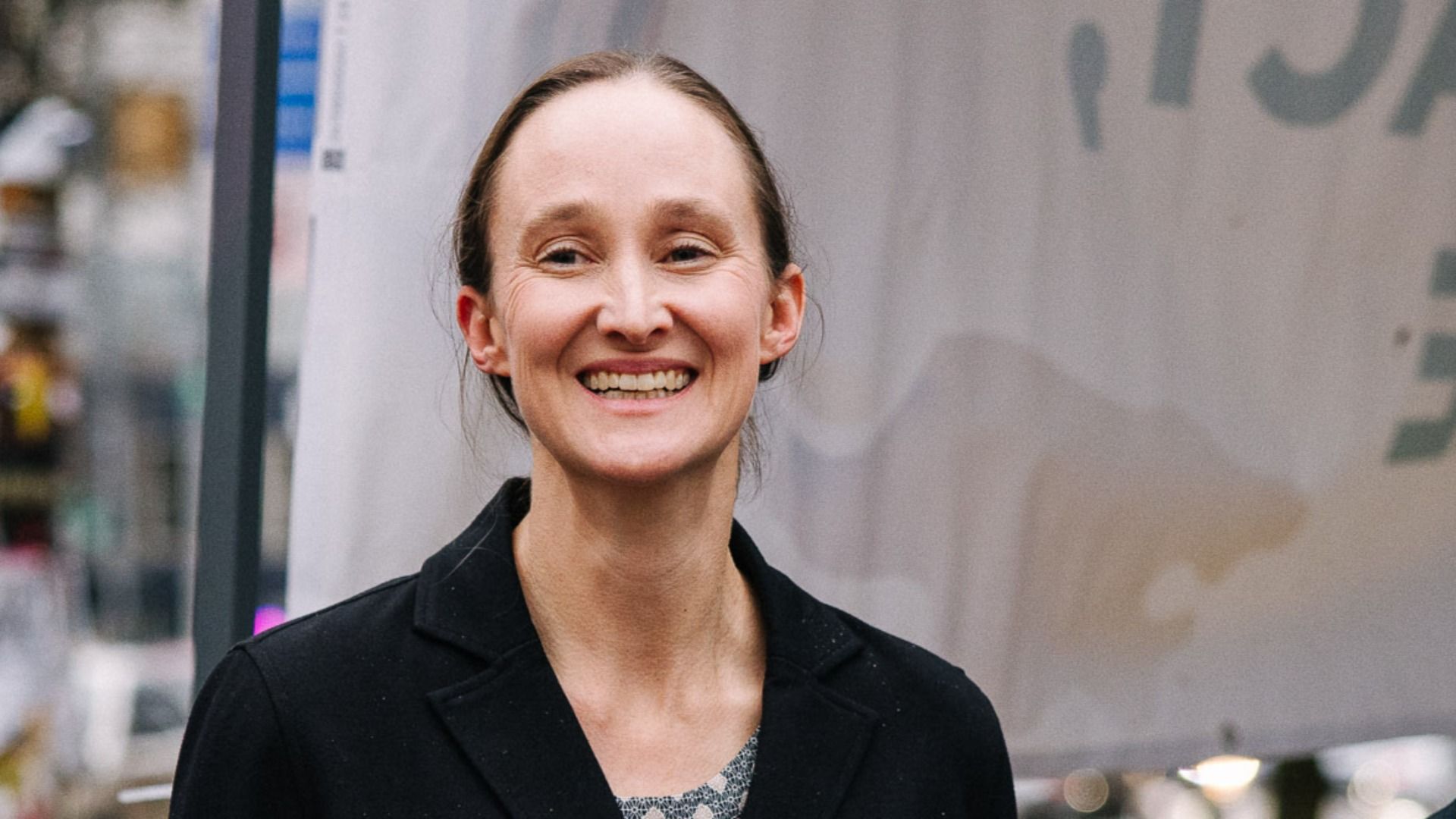
Katie Wilson. Photo: Sarah Kusz/Courtesy of the Wilson campaign
Seattle's next mayor, community organizer Katie Wilson, has never held elected office — but she's not new to local politics.
The big picture: Wilson, 43, unseated incumbent Seattle Mayor Bruce Harrell in the Nov. 4 election, after focusing her campaign on addressing Seattle's housing affordability crisis and persistent homelessness.
Zoom in: Before running for mayor, Wilson led ballot measure campaigns to pass higher minimum wages in cities near Seattle, and helped push several suburban city councils to pass new renter protections.
- She also "was a co-architect" of Seattle's JumpStart payroll expense tax, which targets large, high-paying employers like Amazon, King County Councilmember Teresa Mosqueda told Axios.
- "She is no stranger to City Hall," said Mosqueda, who championed the tax while on the Seattle City Council.
- "She's been there for over a decade working on issues."
Here are a few things to know about Wilson and her background.
She's big on public transit. The nonprofit Wilson co-founded in 2011, the Transit Riders Union, helped successfully lobby King County to offer subsidized transit passes for low-income riders.
- Wilson also was "instrumental" in pushing Seattle to expand free transit passes for Seattle Public Schools students around that time, former City Councilmember Mike O'Brien told Axios.
She considers herself a democratic socialist. While it's not a label Wilson has emphasized while campaigning, she has told reporters she's "fine with being called" a socialist or democratic socialist.
- That's caused many to draw parallels between her and New York City Mayor-elect Zohran Mamdani, another democratic socialist who campaigned on affordability issues this year.
She's a tax policy wonk. Besides helping author the city's JumpStart tax, Wilson was heavily involved in crafting a progressive income tax the Seattle City Council approved in 2017, former City Councilmember Lisa Herbold told Axios.
- That attempt to tax wealthy people at a higher rate was later struck down by a state court.
- But the ruling clarified that cities like Seattle could legally impose a 1% flat income tax — something that wasn't clear before under state law, Herbold said.
She dropped out of Oxford. Wilson, the daughter of two biology professors, told the Seattle Times she quit her studies at Oxford University six weeks short of graduating so she would be forced to "find out what the real world is all about."
- Her thought at the time was, "I'm going to plunge in and burn a bridge so I really have to do that," Wilson told the newspaper.
She's moved away from defunding the police. In 2020, Wilson was involved in a coalition that advocated cutting police funding by 50%.
- Although she still thinks many 911 calls can be handled by unarmed civilian responders, cutting police staffing to that degree is "part of what that movement got wrong," Wilson said during a debate this year.
She didn't decide to run until February. Wilson has said she decided to jump into the race after Harrell did not support a ballot measure Seattle voters passed in February to raise taxes on businesses to pay for social housing. That's a type of mixed-income public housing that Seattle voters previously approved in 2023.
- In a speech Thursday, she said she "sensed that the people of Seattle and its government were out of step," and that "voters were in search of a new direction."
What's next: Wilson said she plans to announce more details about who will serve in her administration in the coming days and weeks.
Go deeper: How Wilson-Harrell contest ranks among Seattle's closest mayoral races