Lightfoot says feds not immune from local investigations

Add Axios as your preferred source to
see more of our stories on Google.
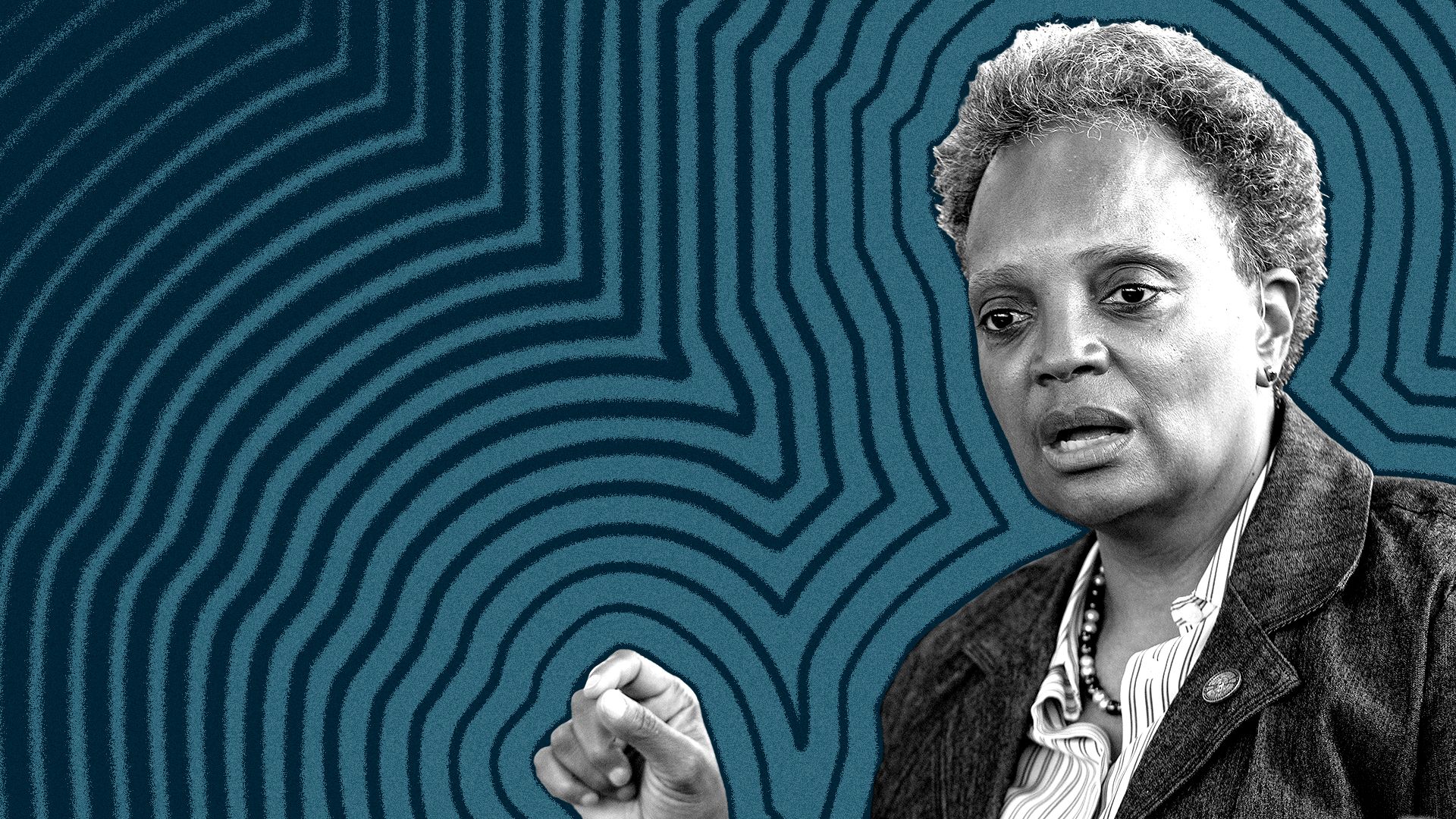
Photo Illustration: Brendan Lynch/Axios. Photo: Christopher Dilts/Bloomberg via Getty Images
Former Mayor Lori Lightfoot says local officials have the right to investigate possible unlawful acts by federal agents, despite the supremacy clause protections afforded to federal agents while conducting official duties.
Why it matters: No federal immigration officers have faced charges in Chicago despite numerous high-profile complaints of unlawful shootings, tear-gassing, detentions and forced entry into homes.
- Officials are wrangling over the issue in Minneapolis, where state authorities are fighting to participate in the investigation of the fatal shooting of Renee Good by a federal agent.
What they're saying: "Federal immigration officers do not have blanket immunity," Lightfoot told Axios.
- "While federal authorities may take control of an investigation, that does not prevent state or local officials from conducting their own investigations, gathering evidence, or holding accountable those agents who have allegedly engaged in criminal conduct or used excessive force."
Driving the news: Lightfoot says her new ICE Accountability Project, launched last week, "exists to make sure those facts are documented and visible so accountability can occur at every level of government."
Context: The project joins other state and city efforts to gather data, this time through an independent non-government body using non-U.S. computer servers to protect it from federal interference.
What's next: The site has already published several accounts with photos and video vetted by Lightfoot's team of lawyers and former federal agents for journalists, nonprofits and citizens to use.
- But she says her ultimate goal is to hand over these packages of evidence to "somebody with a grand jury subpoena."
Media lawsuit continues
Last week, Judge Sara Ellis declined to dismiss a lawsuit filed by media outlets that accuse DHS of using excessive force against journalists and the public.
- Lawyers for the media companies say the departure of most immigration agents from the city makes the suit unnecessary.
Yes, but dropping the case would nullify the temporary use-of-force rules Ellis issued as part of the case, and she says Good's death suggests they are still needed.
- DHS officials say they haven't left Chicago and will ramp up operations later this year.
What's next: Ellis says she will study the matter further and has asked lawyers to return to her courtroom on Jan. 22.
The latest: On Monday, the State of Illinois and Chicago sued the Trump administration, accusing it of an "organized bombardment" in the state disguised as immigration enforcement.
- The suit charges immigration agents with multiple unlawful activities including altering and swapping license plates on their vehicles.
- State lawyers have requested that the case be assigned to Ellis because of her familiarity with the issues.
CPD and ICE
A Community Commission for Public Safety and Accountability (CCPSA) meeting at Thalia Hall grew tense Thursday as attendees demanded clarity on who is monitoring compliance with Chicago's Welcoming City ordinance, which prohibits police from assisting federal agents with immigration enforcement.
- Immigration committee chair Ald. Andre Vasquez noted that it's been more than 200 days since ICE's surprise arrest of people who'd shown up for routine immigration check-ins, assisted, some charge, by CPD.
What they're saying: Vasquez says his committee has viewed 12 hours of bodycam footage from the June incident in the South Loop, where officers appear to be advising "agents on how to more easily transport detainees, offering to block traffic with CPD vehicles … and more. If this is not assisting ICE, it's hard to imagine what would count as assistance."
The other side: CPD said in a statement that supervisors respond to federal agent requests, and "if the request is to assist in the enforcement of civil immigration law, the supervisor will decline the request.
- If the request is unrelated to civil immigration law, appropriate police action will be taken."
What's next: CCPSA members are requesting a hearing on the matter with CPD superintendent Larry Snelling and district commanders, and they hope to address the issue in their February meeting.
Meanwhile, the Illinois Attorney General's office just released a report saying that at least four Illinois sheriff's offices have violated the Illinois Trust Act by turning over detainees to federal immigration agents without a federal judicial warrant.