How to forage, prepare and cook cicadas

Add Axios as your preferred source to
see more of our stories on Google.
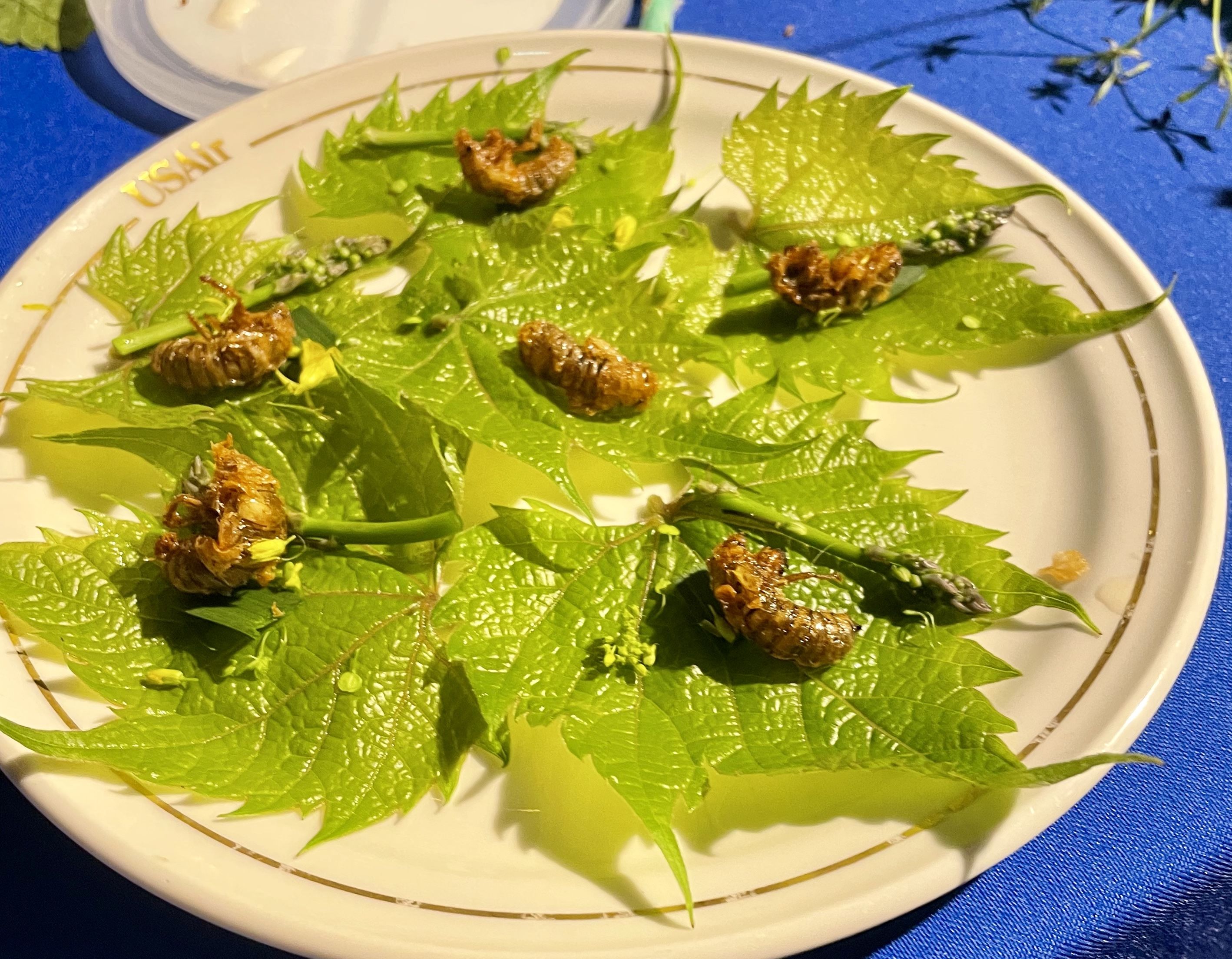
I've intentionally eaten a lot of bugs over the years, but I hadn't chomped cicadas until this month.
Why it matters: As eco-conscious eaters seek more sustainable sources of protein, the already-global practice of entomophagy (insect eating) offers a prime if somewhat creepy option.
Driving the news: This year's dual-brood emergence may be the perfect time to try them.
- We recently interviewed two insect experts at The Hideout to learn the best way to greet and eat the bugs.
- Trillions of them are expected across 16 states over the next few weeks.
- Some cicadas are already appearing in Southern states, Axios Des Moines reports.
Threat level: My daughter recently urged me to skip the bug feast based on articles about a fungal disease turning 10% of this year's brood into "hyper sexual zombie cicadas."
- Concerned the bugs might have the same effect on me, I emailed the scientist quoted in the story, West Virginia University forest pathology professor Matt Kasson, to ask if it was OK to eat just a few.
- "Yes," he replied, "as long as they are thoroughly cleaned and cooked, the risk of getting sick is super low."
- Yesss!
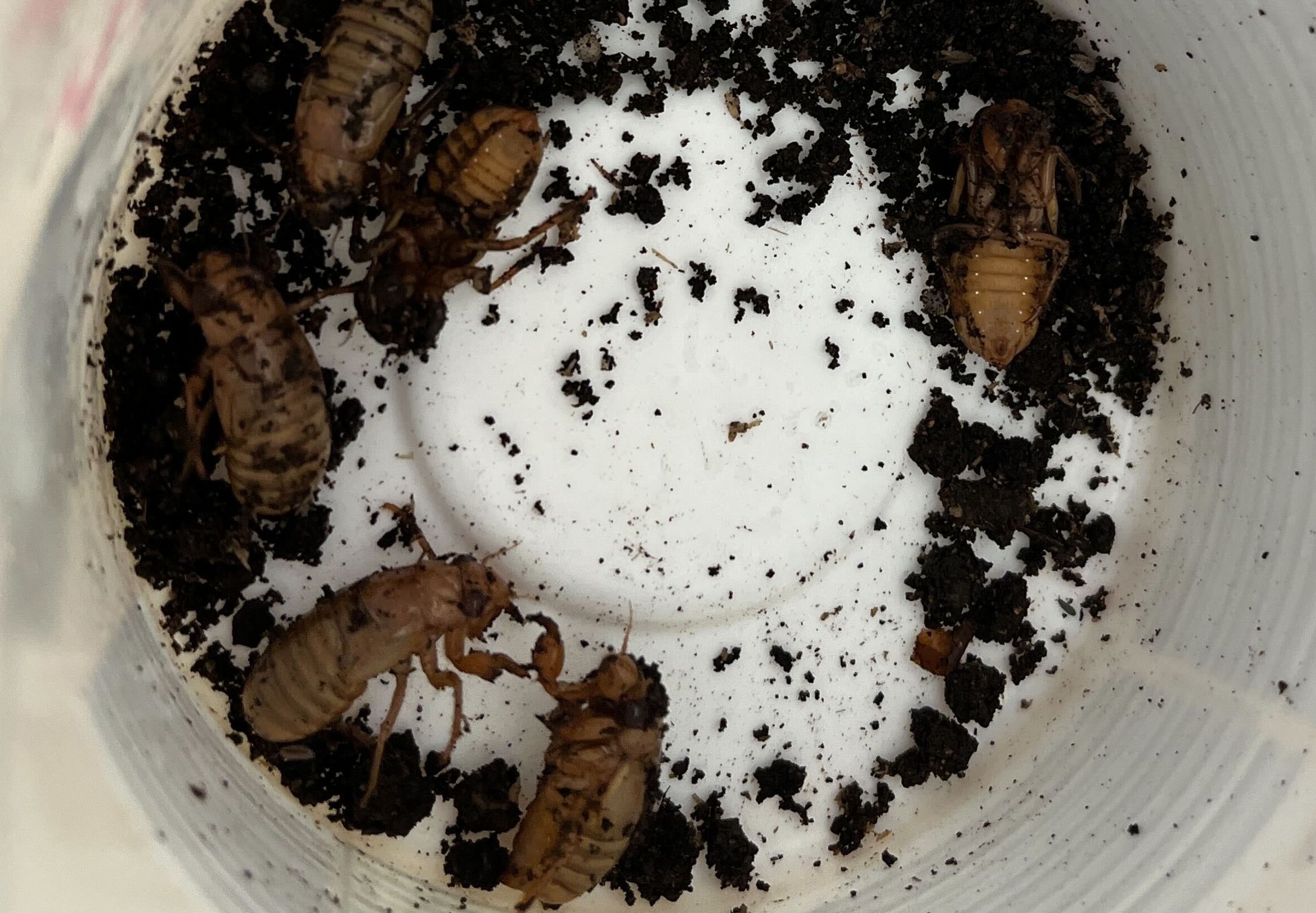
Dig in: Since the critters haven't officially emerged here yet, I recently foraged six young wingless nymphs from under forest logs and popped them into a yogurt container.
- At home, I washed the bugs and stored them in the freezer.
- The next day, I parboiled them to make sure they were super cooked and then deep fried them with our experts at The Hideout.
The verdict: TBH, they mostly tasted like crunchy exoskeleton, but with a delightfully nutty, shrimpy, tender center.
/2024/05/16/1715889693825.gif)
What's next: The Field Museum spring lineup includes several cicada-related events, such as insect-pinning classes, a public art project, talks with scientists and a bug-inspired meal at Big Star.