Thursday's health stories

Why the hantavirus outbreak is different from the COVID-19 pandemic

The outbreak of a deadly virus aboard a cruise ship may sound like a familiar story — but while it's a serious scenario, public health figures aren't anticipating the next global pandemic.
The big picture: The hantavirus has left travelers isolating in their rooms, sparked a diplomatic debate about where the ship should port and launched a contact-tracing scramble.

Republicans' midterm health care dilemma
Health care affordability is shaping up to be a defining midterm election issue, yet many Republicans are wary of wading into major health policymaking before facing voters.
Why it matters: Many GOP operatives think it'd be crazy to take a huge swing at health care costs between now and November. But some Republicans are making the argument that it's crazier not to.

Gen Z leads drive away from social media
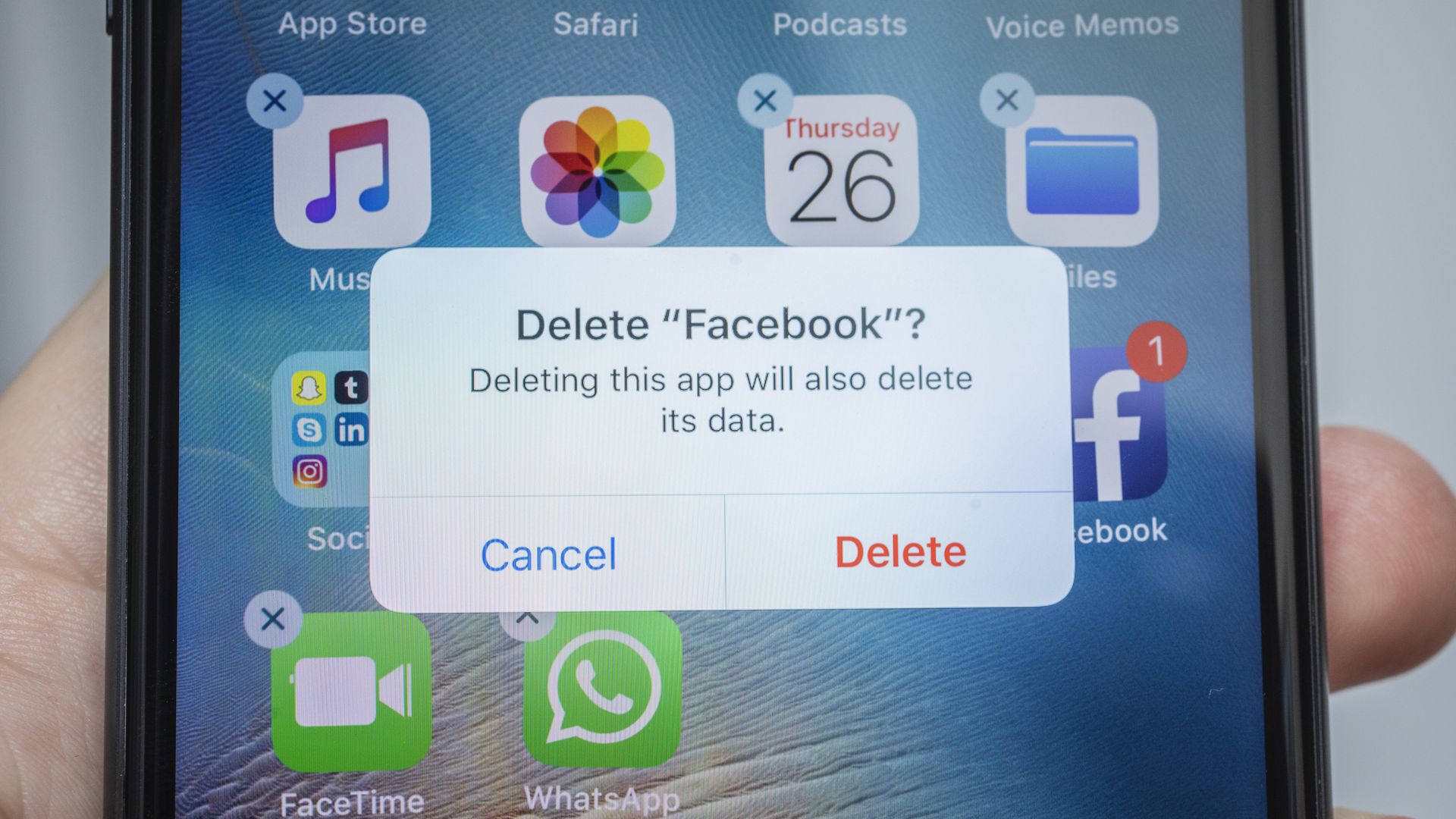
A growing number of Gen Zers and baby boomers are quitting social media for their digital well-being, as political polarization intensifies online.
The big picture: It's part of a wider digital detox drive away from screens and toward analog options that Gen Z is helping to lead.

One kind act really does set off a chain reaction
Think about the last time a stranger did something unexpectedly kind for you. Maybe someone held a door open, picked up something you dropped or gave you a compliment. Did it change how you treated the next person you encountered?
- New research suggests that for most people, your kind gesture isn't just helping one person — it's helping many.
Why it matters: Kindness spreads, especially as we age.
- People on the receiving end of random acts of kindness are more likely to direct kindness to strangers, according to a recent survey by Gallup and the Values-in-Action Foundation.
Yes, but: Younger adults are less likely than older adults to initiate acts of kindness toward strangers.
By the numbers: Of the adults age 50 or older surveyed, 72% said they felt comfortable initiating an act of kindness after being a beneficiary themselves.
- But only 40% of adults 18 to 29 who also received multiple acts of kindness said the same.
That suggests the "pay it forward" instinct is something many of us grow into, not something we're simply born with.
Broadly, the country is doing better than cynics might expect: More than 60% of Americans across every region said they'd experienced kindness multiple times in just the past week.
Zoom in: There are some modest regional differences when it comes to observing kindness being practiced.
- Southerners reported seeing people treat others with kindness most often (62%).
- The lowest share were Midwesterners: 56% of those surveyed said they witnessed acts of kindness often.
City dwellers reported experiencing acts of kindness many times in a week (67%), slightly more than suburban or rural residents (both 62%).
Driving the news: Values-in-Action's United States of Kindness campaign is asking individuals and organizations to participate in 250 acts of kindness to celebrate America's 250th anniversary.
- Find more information, ideas and resources on the United States of Kindness website.
The bottom line: If you were looking for a sign to help your neighbor, this is it.
The fine print: Poll data was gathered through Gallup web surveys from March 2-18 with a random sample of more than 2,000 adults.

Trump's student loan limits could rock the health care industry
The Trump administration's new federal student loan limits could force aspiring health care workers to abandon their degrees or turn to private lenders.
Why it matters: America's aging population means the nation needs more health care workers, but the borrowing cap could exacerbate the industry's worker shortage, which is already marked by medical care deserts and longer wait times.

Doctors' growing AI deepfakes problem
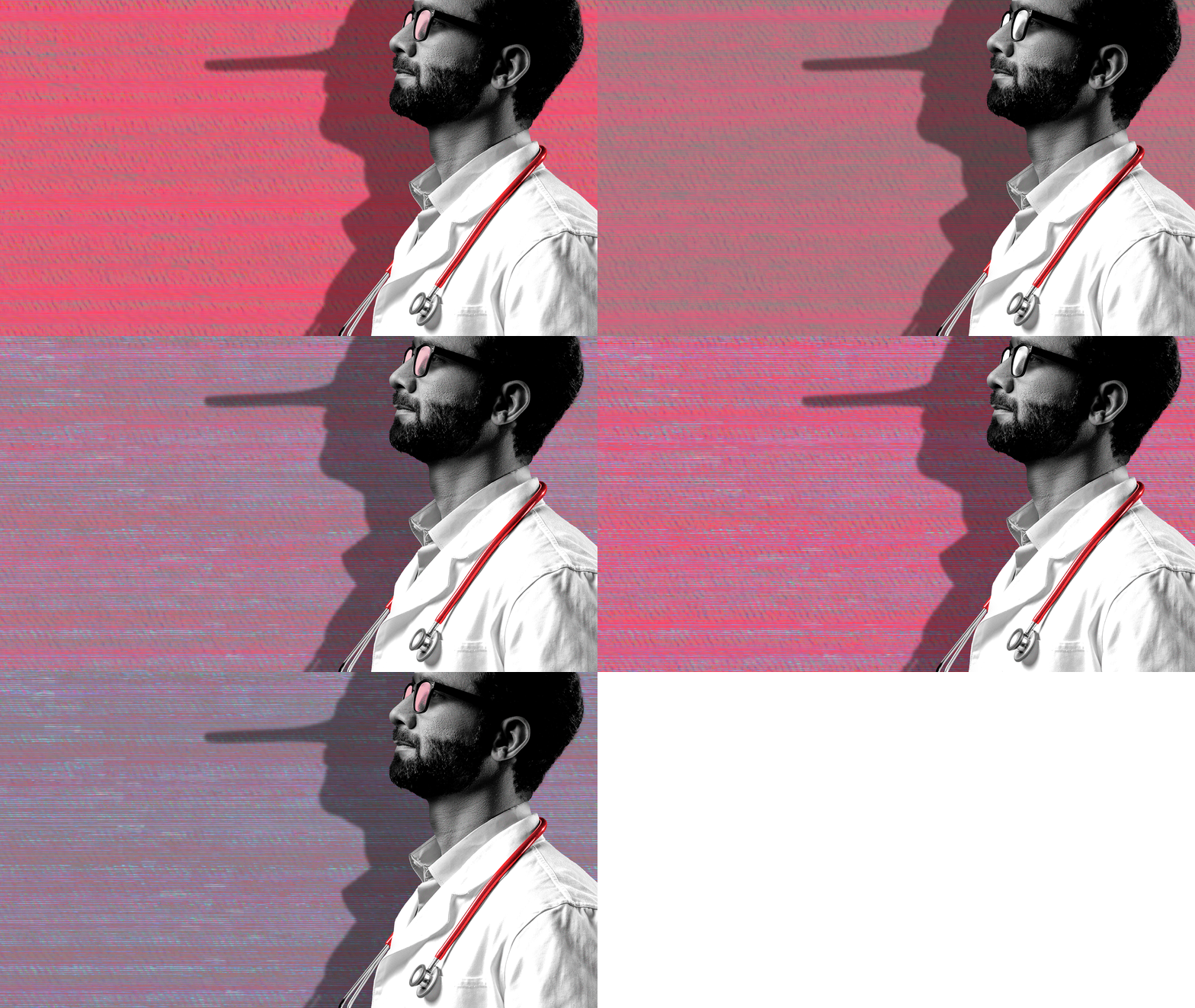
AI is helping make doctors the unwitting stars of deepfake videos that hawk questionable products or spread misinformation, prompting calls from clinicians for more privacy and transparency laws.
Why it matters: The profusion of AI content on social media platforms could further erode public trust in the medical establishment.

RFK Jr.'s revenge
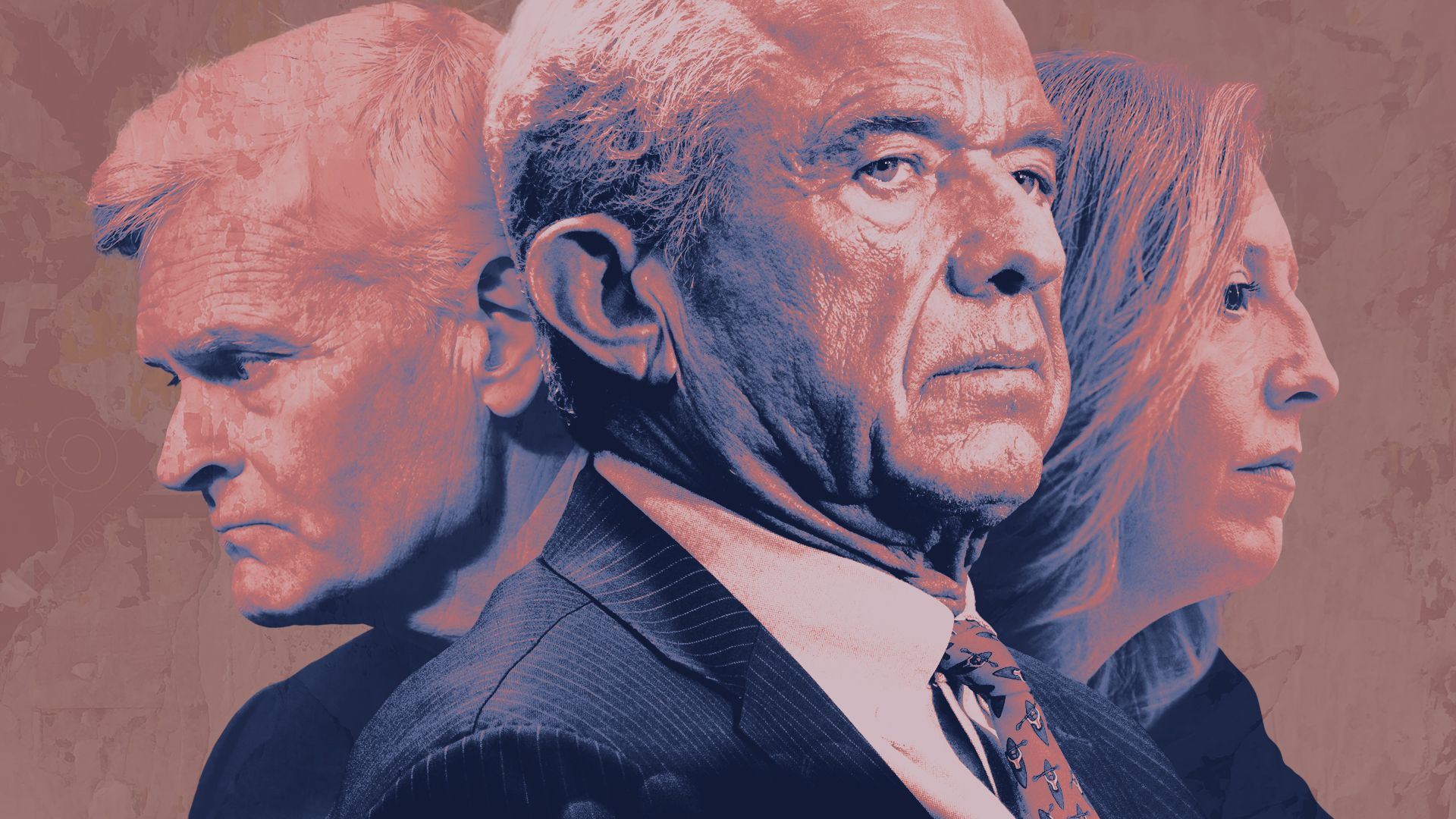
Health Secretary Robert F. Kennedy Jr. and his MAHA movement are out for payback, setting their sights on unseating a fierce adversary — Republican Sen. Bill Cassidy — in next week's Louisiana primary.
Why it matters: Kennedy and his supporters view the physician-turned-senator as an avatar for the medical establishment they're determined to upend.