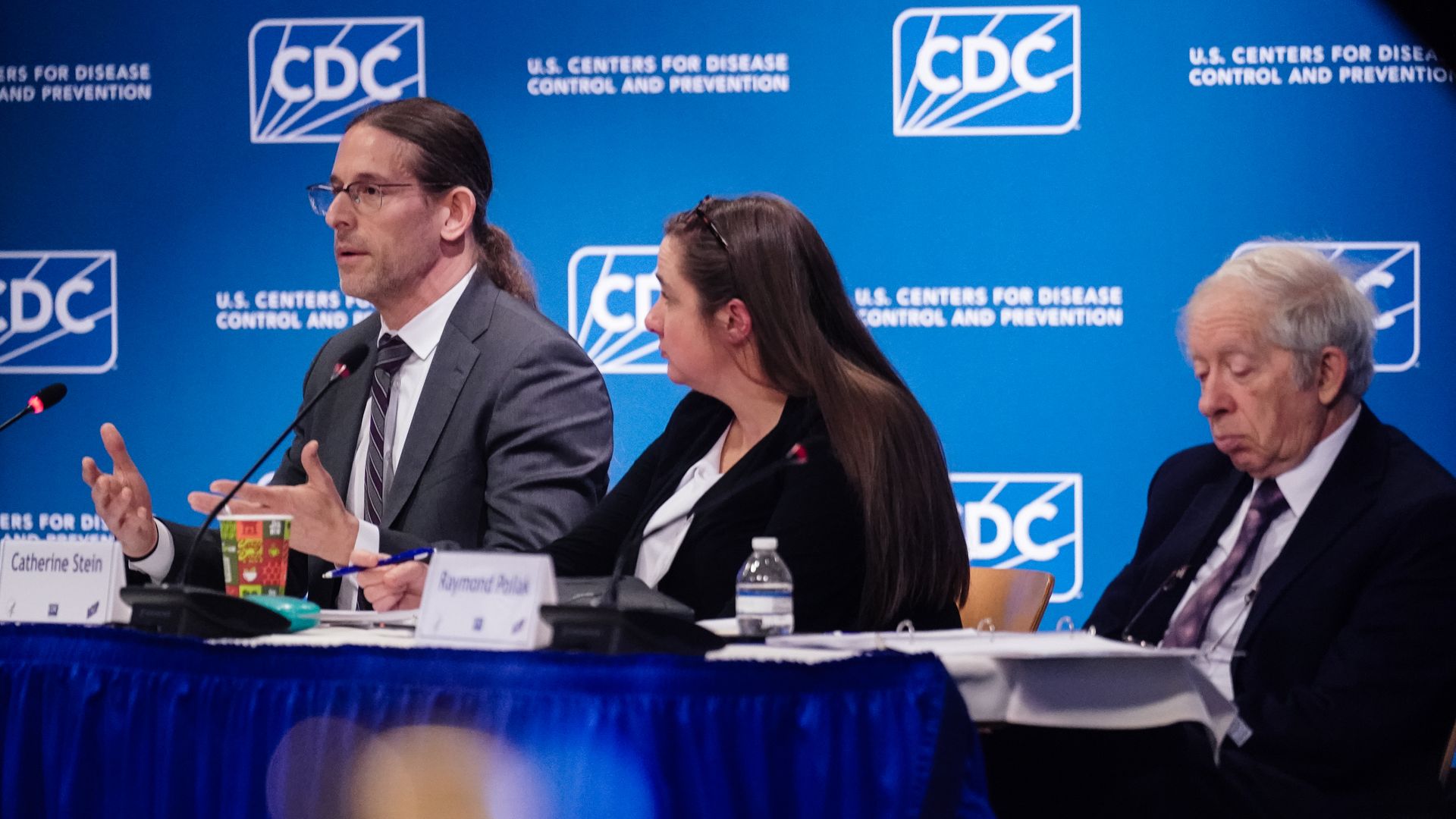
Health Secretary Robert F. Kennedy Jr.'s handpicked vaccine advisers postponed a Thursday vote on scrapping the government's recommendation that newborns get a hepatitis B shot amid confusion over what they were voting on.
Why it matters: The proposal would overhaul the decades-old federal childhood vaccination schedule and further seal Kennedy's criticism of vaccines as official government policy.
Driving the news: Some members of the Centers for Disease Control's Advisory Committee on Immunization Practices complained on Thursday that they hadn't been given enough time to consider the proposed change before voting.
The vote will now take place on Friday, during the second day of a committee meeting in Atlanta on childhood immunizations.
The 8-3 vote came over the objections of ACIP vice chair Robert Malone, who was presiding over the discussion. New ACIP chair Kirk Milhoan did not vote.
ACIP members debated limits to hepatitis B vaccines during a September meeting but postponed a vote then, saying they needed more time and information to consider the issue.
State of play: The committee now is considering recommending that parents should consult with a doctor about whether to give their infant the birth dose of the hepatitis B vaccine if a test shows the mother doesn't have the liver illness.
Language presented at the meeting would continue to recommend the vaccine for infants born to mothers that test positive or whose status is unknown.
Malone read the language up for a vote, but a slide showed contradictory recommendations, causing confusion among panel members.
Under the recommendations read by Malone, every infant will still have access to no-cost hepatitis B vaccines, a Centers for Medicare and Medicaid Services representative said at the meeting.
Context: Doctors and scientists outside of the administration say changing the recommendation would still limit access to the hepatitis B vaccine, which has helped decrease infections among youths by 99% since 1991.
CDC currently recommends that all infants get the vaccine to protect against mother-to-child transmission and environmental exposure to the virus, which can cause serious illness and even death.
Zoom out: Medical professionals pushed back strongly on presentations made to the committee about the hepatitis B vaccine on Thursday.
"For an administration that wants to avoid fraud waste and abuse, you are wasting taxpayer dollars by not having scientific, rigorous discussion on issues that truly matter," said Jason Goldman, president of the American College of Physicians.
"Your data is questionable. You do not present things in an honest, fair, equitable manner," he added.
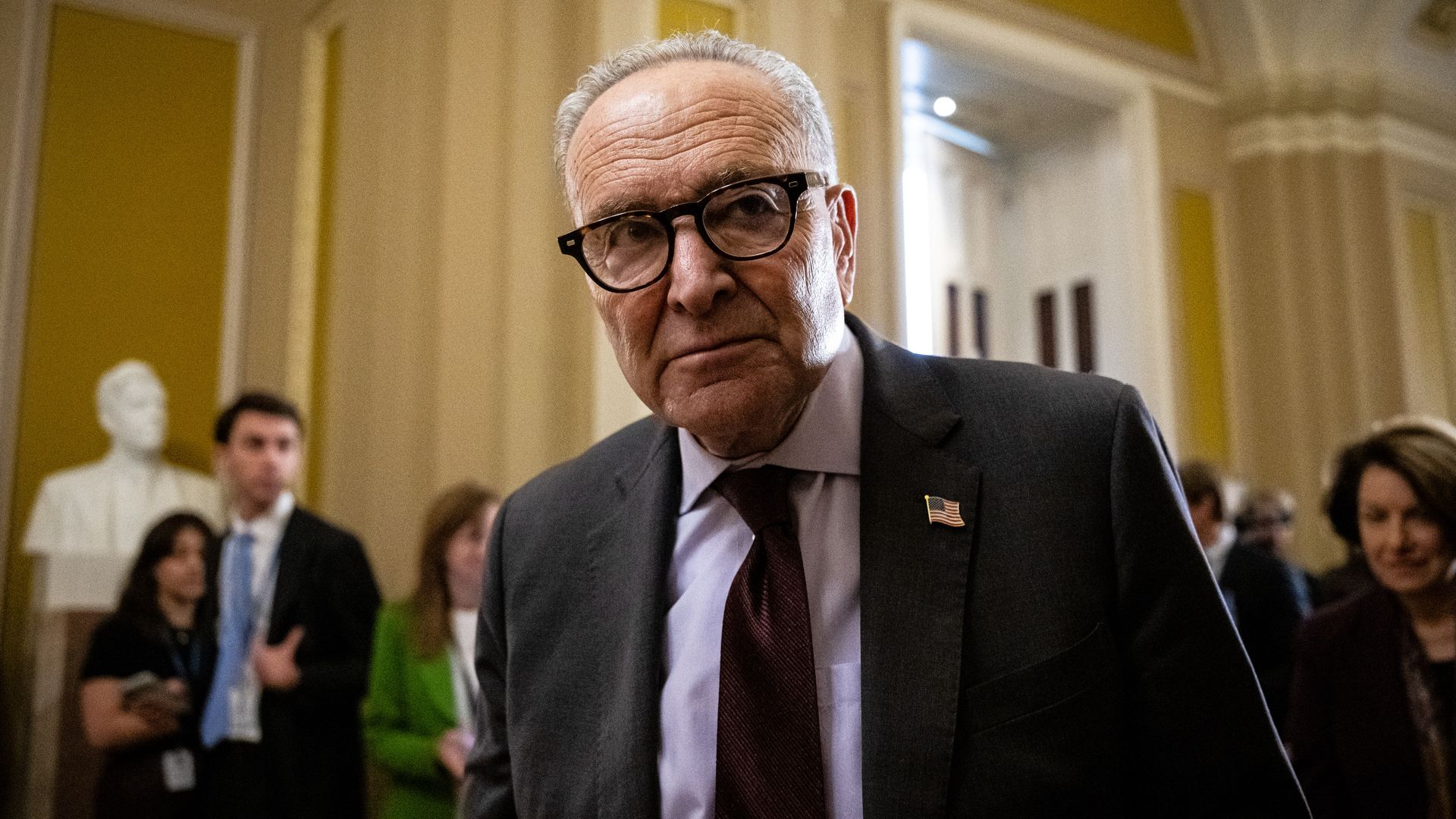
Senate Minority Leader Chuck Schumer (D-N.Y.) told top lawmakers this week to adopt a laser focus on the affordability crisis — his chosen attack plan for the 2026 midterms.
Why it matters: The affordability crisis, a 2024 liability for President Biden, now has President Trump and his fellow Republicans on the political back foot, with White House officials insisting things will be better for consumers next year.
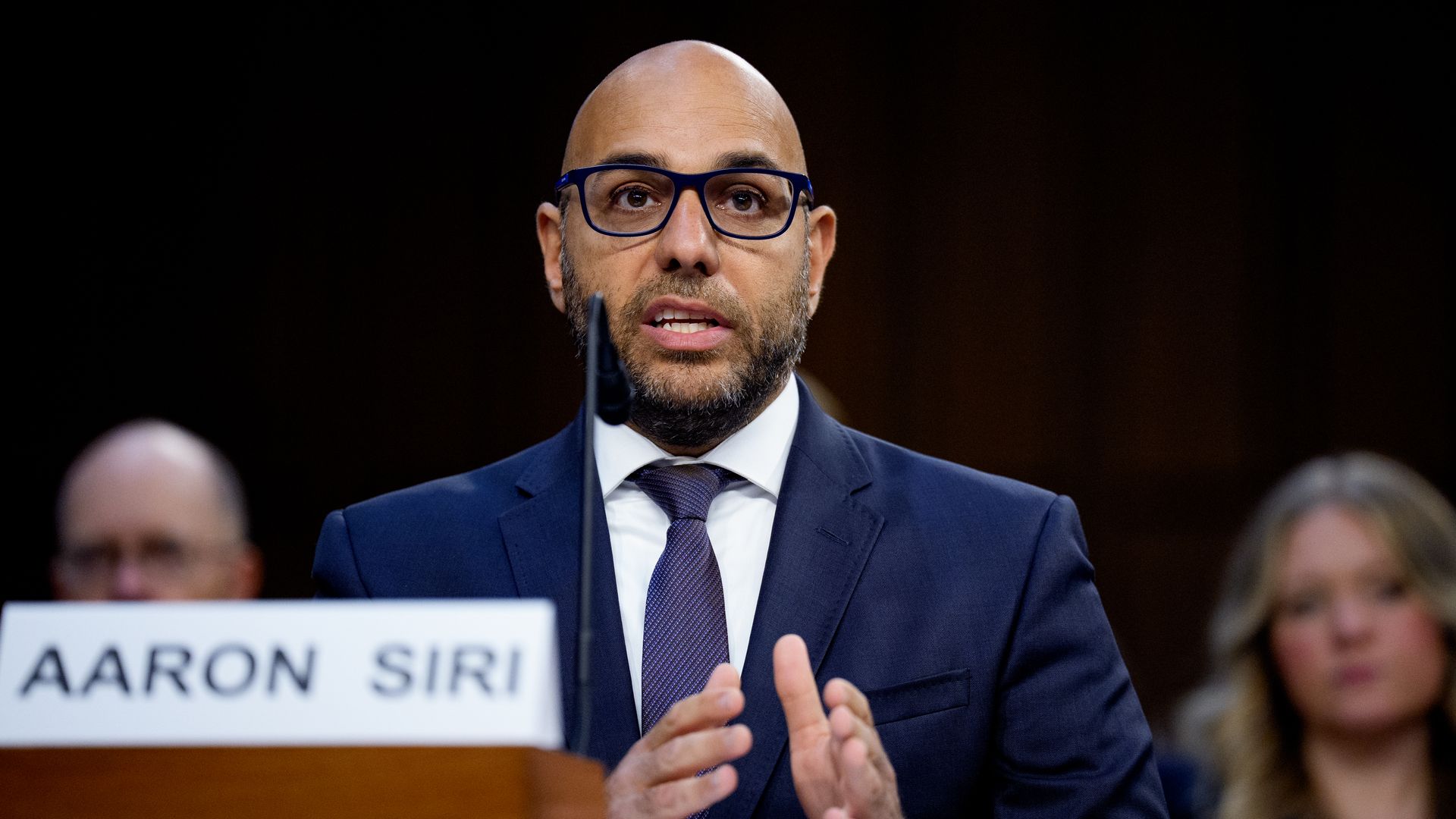
A lawyer who worked for years with Health Secretary Robert F. Kennedy Jr. on vaccine-related lawsuits is scheduled on Friday to brief a Centers for Disease Control advisory panel that's weighing possible changes to the recommended childhood vaccination schedule.
Why it matters: Aaron Siri worked for Kennedy's presidential campaign and has filed more than a dozen petitions on behalf of private citizens requesting the government halt distribution of certain vaccines.
Thursday marks one year since UnitedHealthcare CEO Brian Thompson was shot and killed while entering an investor conference in New York City.
The big picture: The slaying of the Twin Cities resident on a busy street shocked the country, sparking national conversations about both security for high-profile executives and the insurance industry more broadly.
While many condemned the brazen murder, the killing unleashed a wave of social media-fueled rage against health insurers.
About a third of people who get their health coverage through the Affordable Care Act would look for a cheaper plan if the enhanced subsidies expire — but a quarter would be very likely to just go without insurance, according to a new KFF survey.
Why it matters: The survey shows how people would try to minimize the pain if they have a big jump in ACA premiums next year — which is almost certain to happen since Congress looks increasingly unlikely to reach an agreement to extend the subsidies.
Federal auditors used fictitious identities and Social Security numbers to obtain subsidized Affordable Care Act coverage in 2024 and this year for almost two dozen individuals who didn't exist, the Government Accountability Office reported on Wednesday.
Why it matters: Republicans in Congress have cited waste, fraud and abuse in ACA coverage as a justification for not renewing enhanced tax credits that expire at the end of this year.
Another abrupt departure of a high-ranking Food and Drug Administration official is raising alarm about a brain drain that could mean new drugs take longer to reach the public.
Why it matters: Biotech and pharmaceutical companies rely on the FDA for dependable guidance as they spend huge sums developing new treatments. The American public needs the agency to ensure treatments are safe and effective.
President Trump said Wednesday he supports the release of any video footage of a strike on a suspected drug boat in the Caribbean following a report alleging that the U.S. military issued an order to kill two survivors.
The big picture: Trump defended U.S. military strikes on suspected drug boats as reporters asked him at the White House about the alleged incident near Venezuela in September that has prompted congressional investigations into the legality of the action.
Over 260,000 cases of shredded cheese sold at major retailers including Aldi, Target and Walmart are being recalled because the products may contain metal fragments, according to a Food and Drug Administration report.
The big picture: Great Lakes Cheese Co., a manufacturer based in Hiram, Ohio, initiated a voluntary recall in early October for the cheeses that are sold in 31 states and Puerto Rico, and the FDA classified the designation as a "Class 2" recall on Monday, per the FDA report.
Health Secretary Robert F. Kennedy Jr. today met with the FDA's departing top drug regulator amid concerns the agency is in turmoil, two sources familiar with the situation told Axios.
Why it matters: The appointment of veteran cancer specialist Rick Pazdur to lead the agency's drug center mere weeks ago came as an enormous relief to the biopharmaceutical industry, and his pending retirement has reignited fears that the agency is imploding.
Health Secretary Robert F. Kennedy Jr. and his allies are trading their chisels for a sledgehammer when it comes to vaccine policy, delighting the "Make America Healthy Again" faithful.
Why it matters: Trump health officials and like-minded outside advisers are taking the most concrete steps yet to enshrine Kennedy's criticism of vaccines as official government policy, with changes to recommended childhood immunizations expected within days.
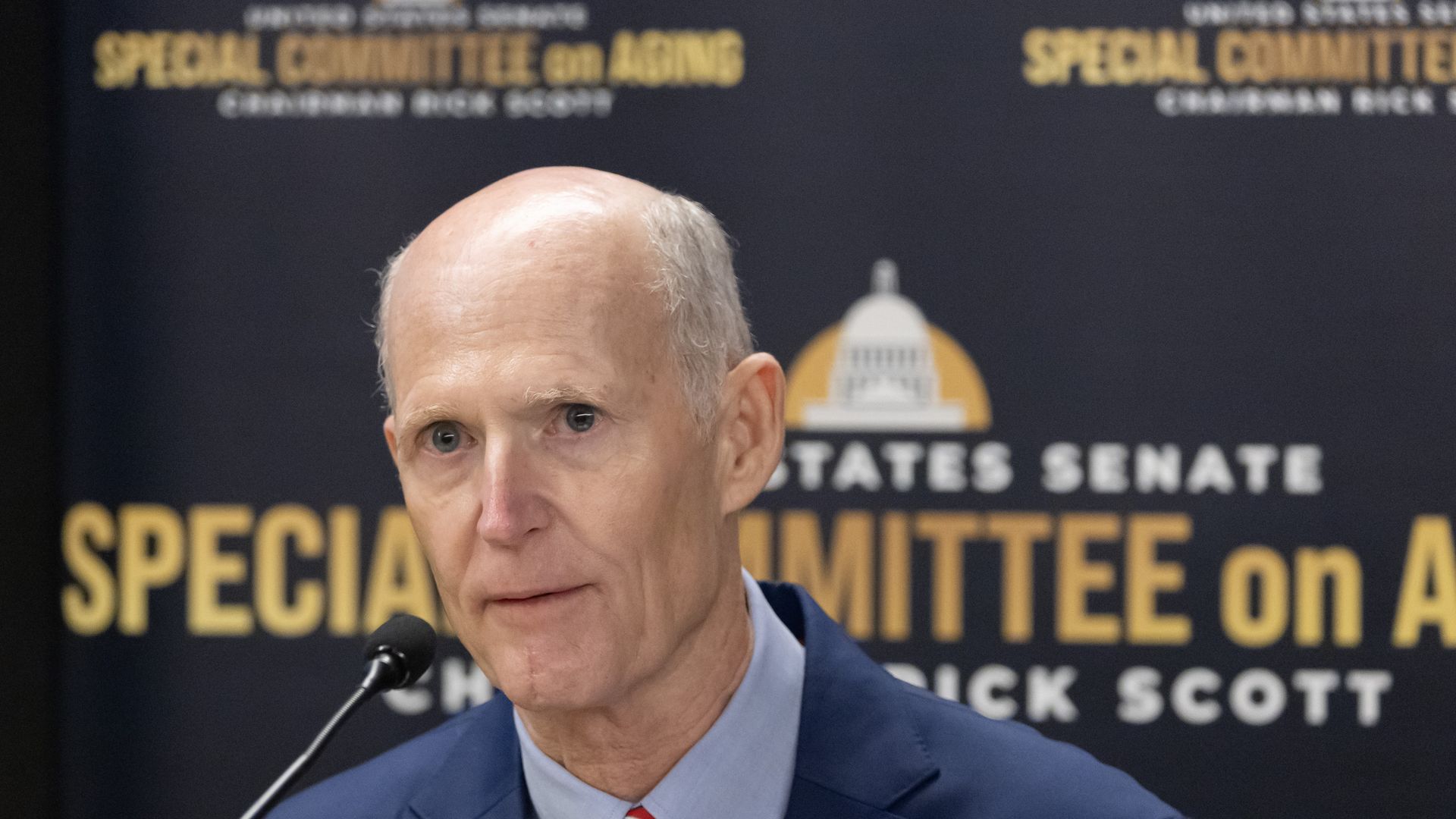
Sen. Rick Scott is convening a group of House and Senate conservatives on Capitol Hill to pore over fresh polling to develop GOP alternatives to the Affordable Care Act (ACA) and push back against liberals.
Why it matters: Talks to extend the ACA's premium tax credits are stalled in Congress, and Republicans know they'll be blamed in the midterms for rising premiums if they don't even try to offer a fix.