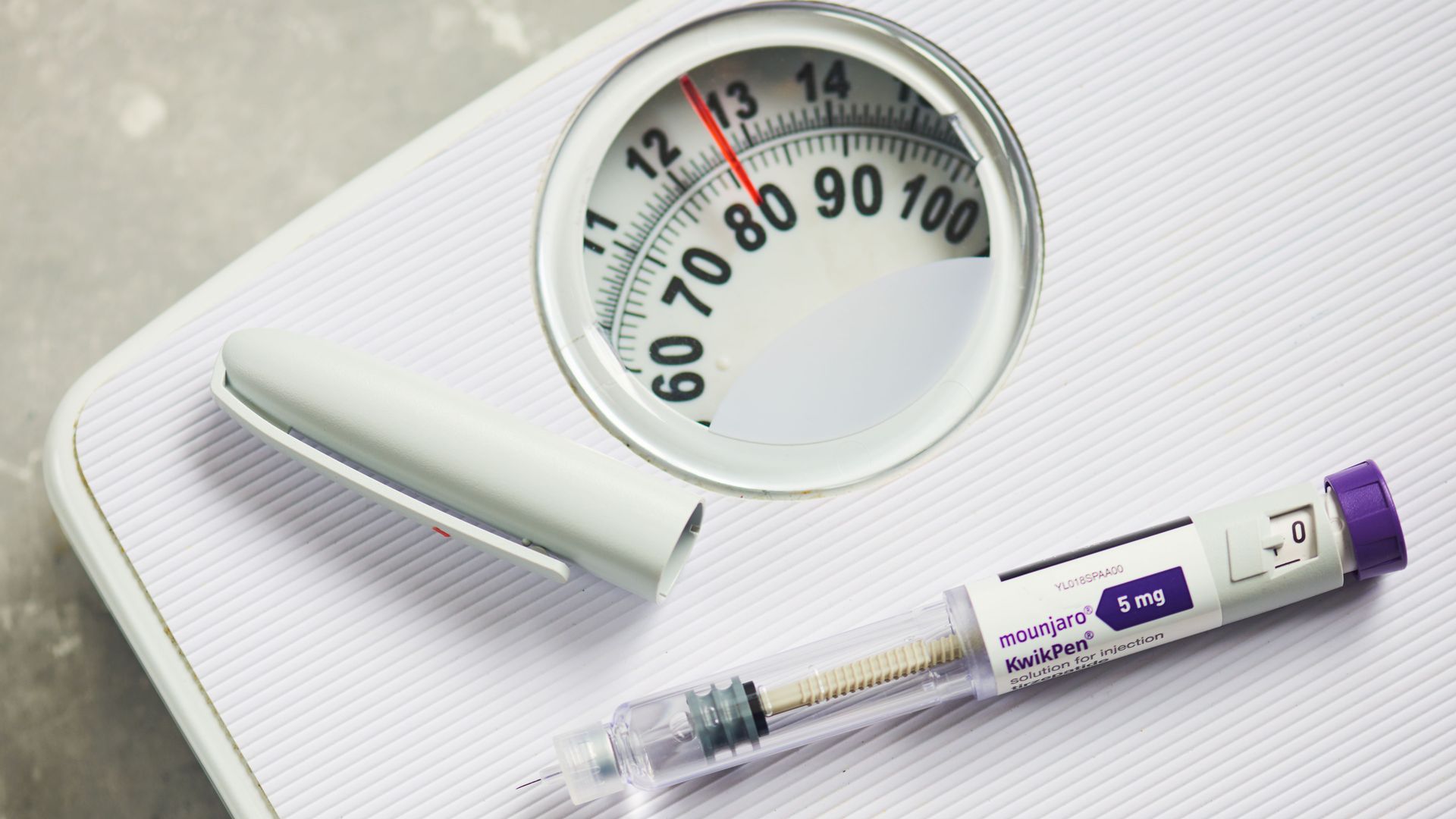
The anti-obesity drugboom may be cooling, as overall prescribing of GLP-1 medicines remained relatively flat for the three months ending in September, according to a new analysis of electronic health records.
Why it matters: Even with more approved uses for the drugs, the high cost, variable insurance coverage policies and the fact that many patients can't stay on them are tempering some expectations.
While the Trump administration says it has more drug pricing deals lined up with pharmaceutical manufacturers, the emerging template is still a tough sell for many companies.
Why it matters: Pfizer was the first to commit to the Trump administration's plans for reshaping how medicines are sold, but other companies don't necessarily have the same incentives to opt in.
The latest must-have accessory is a "stop-scrolling bag" — a tote packed with analog activities like watercolors and crossword puzzles.
Why it matters: We spend hours glued to our screens. "Analog bags," as they're also called, are one way millennials and Gen Zers are reclaiming that time.
The Centers for Medicare and Medicaid Services plans to recall about 3,000 staff who were furloughed because of the shutdown starting on Monday, officials confirmed to Axios.
The big picture: CMS plans to tap fees it charges outside researchers to access its data to pay staff during the shutdown, a spokesperson said.
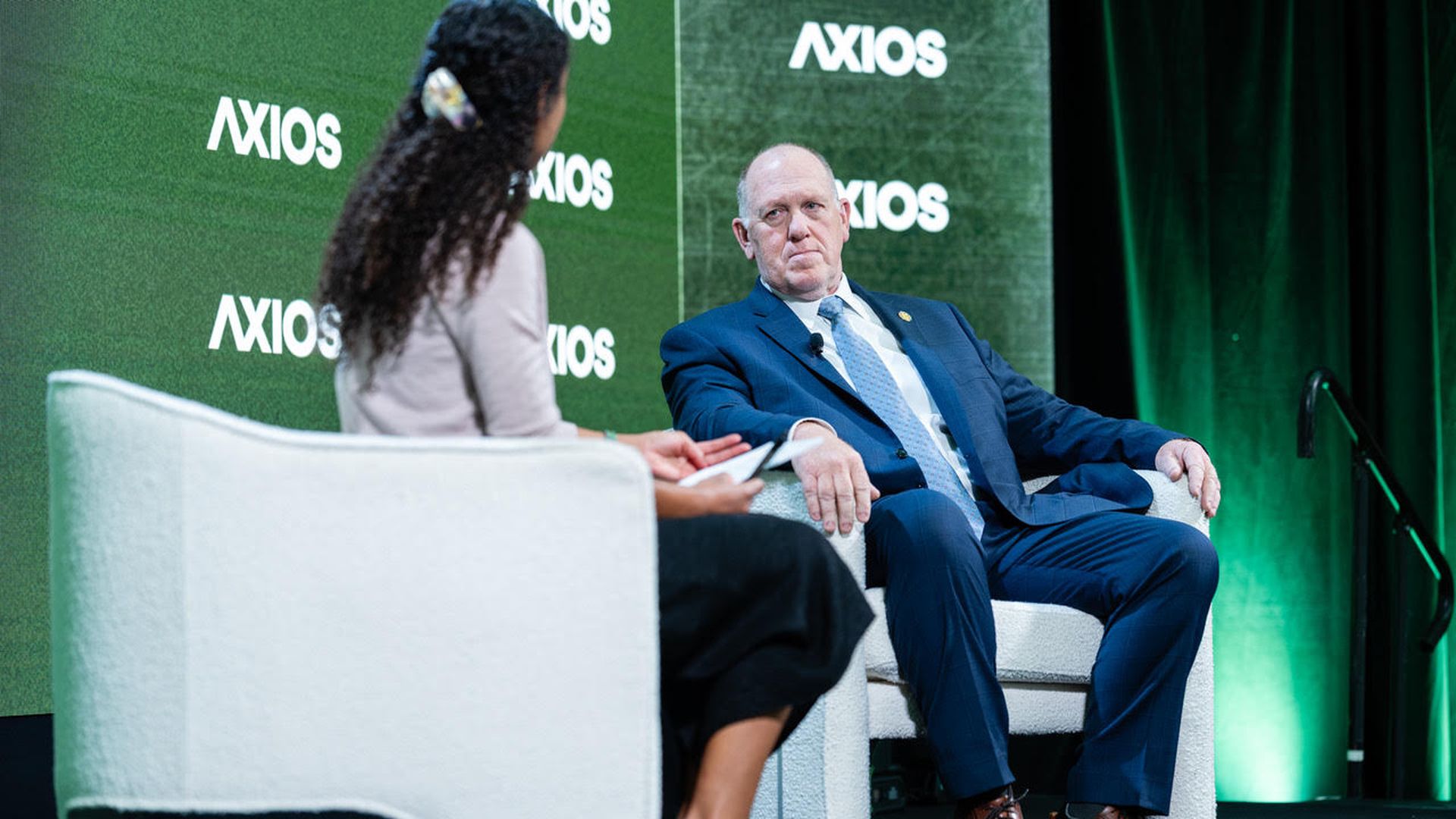
Designating illicit fentanyl as a weapon of mass destruction (WMD) should "at least be a discussion," President Trump's border czar Tom Homan said Wednesday during Axios' Future of Defense Summit.
The big picture: Homan emphasized fentanyl is a dangerous drug, citing U.S. death tolls he said are around 73,000 annually and noted the number was higher during the Biden administration.
It may already be too late to implement certain changes Republicans are insisting on as a condition for renewing to Affordable Care Act subsidies, further casting doubt on any congressional deal to extend the financial aid.
Why it matters: GOP lawmakers have made clear that they need to see changes to the enhanced ACA tax credits at the center of the government shutdown fight in order to extend them.
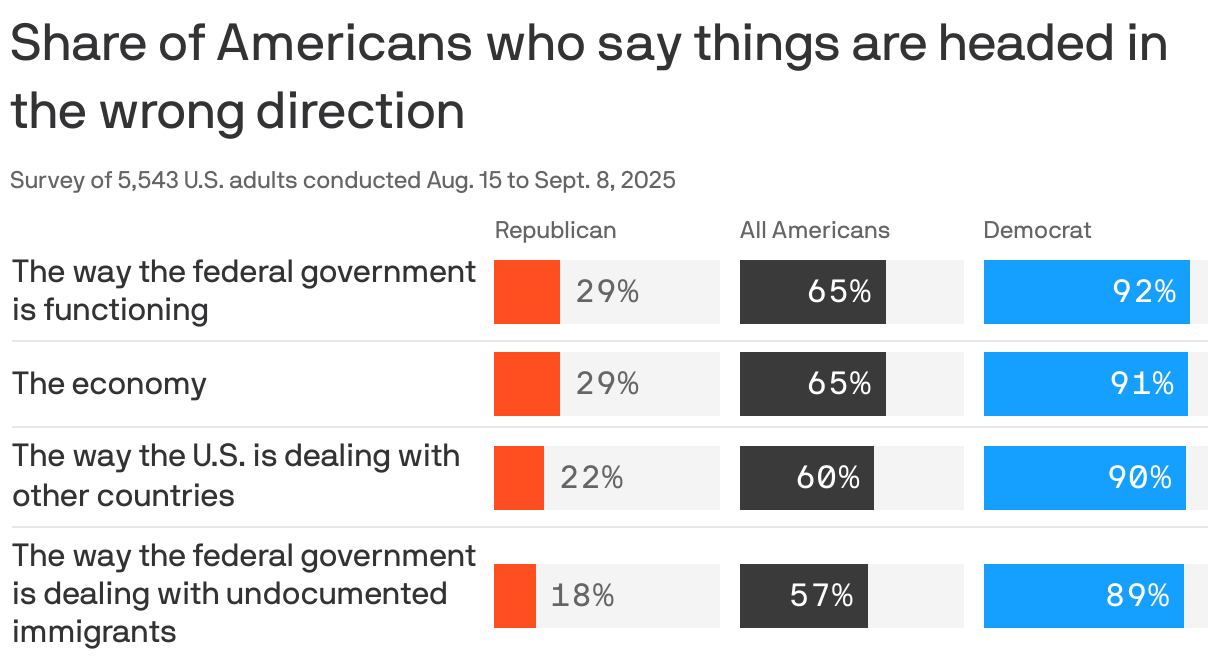
Nearly two-thirds of Americans believe the U.S. is headed in the wrong direction, fueled by dissatisfaction with President Trump's impact on the economy, immigration, race relations and the nation's global standing, according to a new poll with a big, broad sample.
Even among Republicans, a significant share — nearly 30% — gave Trump low marks on the economy and how the government is functioning.
Why it matters: The survey offers a snapshot of the nation's sour mood just more than a year before the 2026 midterms — and suggests that anger could rewire political alliances and test the durability of Trump's support.