The Trump administration may move to impose new regulations on food companies that don't follow through on promises to remove artificial colorants from their products, White House adviser Calley Means said at a health industry conference on Tuesday.
Why it matters: HealthSecretary Robert F. Kennedy has so far focused on getting voluntary commitments from companies like Kraft Heinz and Walmart on varying timelines.
A genetic testing startup launched an AI genomics research arm Tuesday aimed at predicting the likelihood that IVF embryos will develop certain cancers, Alzheimer's and other chronic diseases.
Why it matters: Nucleus Genomics is taking preventative health to an entirely new level: before birth.
Senate Democrats are launching an effort to repeal a portion of Republicans' budget law that exempts certain "orphan drugs" from Medicare price negotiations, citing estimates that the cost of the carve-out has ballooned.
Why it matters: The measure targets a provision that the biotech industry argues is important for innovation, but that Democrats say is actually a costly handout to major pharmaceutical companies.
Eli Lilly is poised to leapfrog Novo Nordisk and become the dominant player in an anti-obesity drug market that could reach $150 billion by the end of the decade.
Why it matters: The push to develop blockbuster weight loss drugs had been a two-horse race dominated by Novo Nordisk until the maker of Wegovy and Ozempic started backsliding on weaker sales growth.
Since then, it's laid off thousands and revised earnings guidance downward.
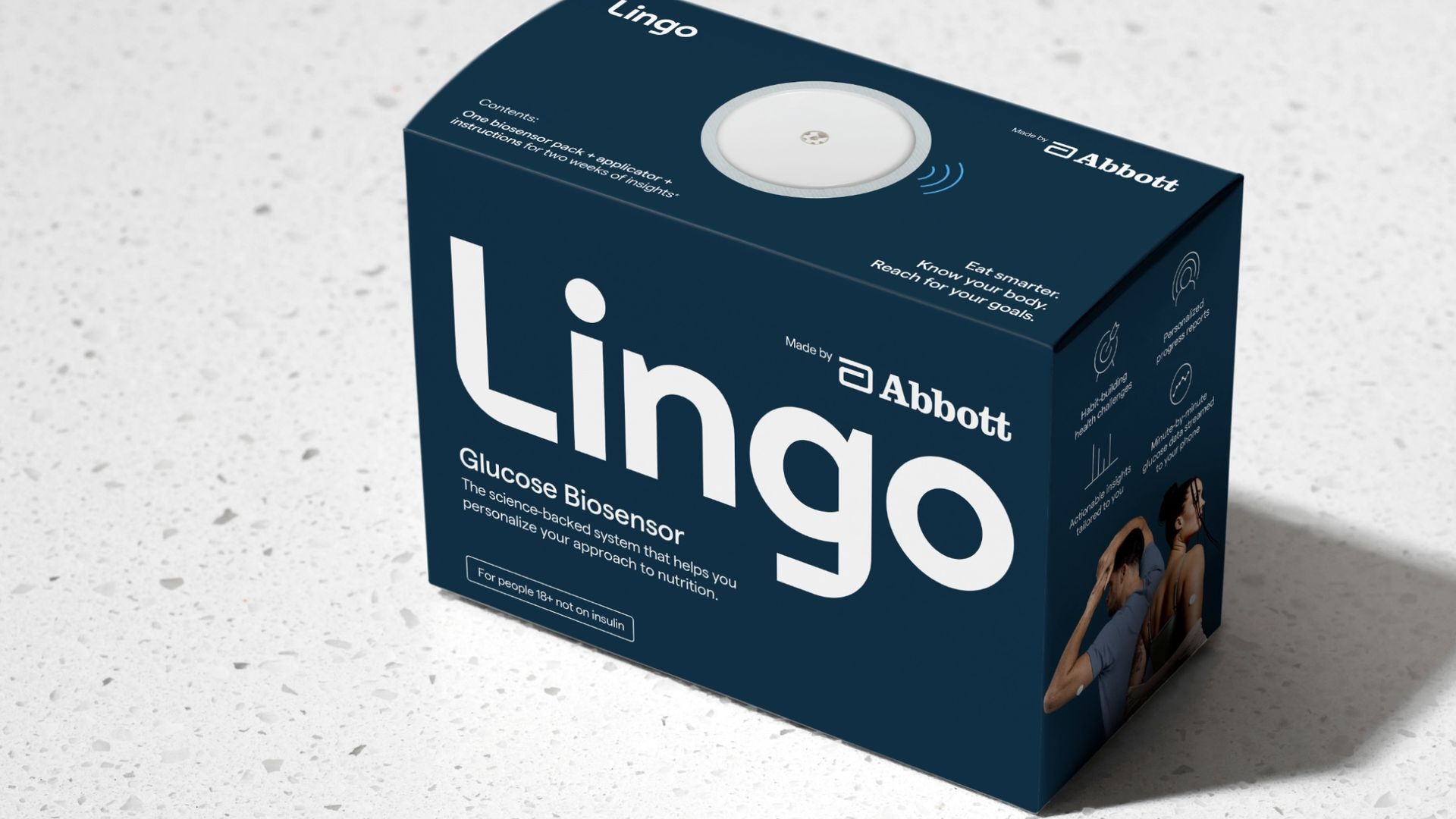
Walmart will become the first U.S. retailer to sell an over-the-counter continuous glucose monitor in physical stores, as Abbott's Lingo rolls out to more than 3,500 locations and online, the health care company told Axios exclusively Tuesday.
Why it matters: It's the latest sign that health tech is going mainstream — making tools that previously required a prescription more accessible to consumers.
The maker of Tylenol is pushing back against efforts to change the pregnancy warning on acetaminophen products, saying there's no evidence showing a proven link between autism and the use of the pain reliever and fever reducer.
Why it matters: It's the latest development stemming from President Trump and Health Secretary Robert F. Kennedy Jr.'s statements that there may be a connection between Tylenol use among pregnant women and autism in children.
Kennedy on Sept. 22 announced a series of actions, including directing the FDA to begin a safety label change for Tylenol and generic equivalents.
The FDA separately issued a notice to physicians urging them to minimize the use of acetaminophen during pregnancy for routine low-grade fevers.
What they're saying: Kenvue Brands said on Sunday that it told the FDA in a 42-page response that the labeling request is unsupported by scientific evidence and would mark a departure from the agency's long-standing position on acetaminophen during pregnancy.
The FDA evaluated the evidence for more than a decade — and as recently as August — repeatedly concluding that the data doesn't support a causal association, the company said. The FDA also previously rejected updating the pregnancy warning.
"Kenvue strongly believes that the existing instruction 'if pregnant or breast-feeding, ask a health professional before use' is the most conservative and appropriate warning," the company said.
Physicians and public health officials have said the risk of not treating high fevers, and the lack of safe alternatives, weigh against adding language that may discourage pregnant women from seeking appropriate treatment.
Professional associations including the American College of Obstetricians and Gynecologists and the American Academy of Pediatrics have found no proven link between acetaminophen use in pregnancy and neurodevelopmental disorders.
As health plans withdraw from certain Medicare Advantage markets, some are finding new business opportunities customizing coverage for the sickest Americans.
The big picture: Private Medicare is becoming less about geographic saturation than seeking a profitable niche caring for seniors with chronic conditions like diabetes, heart failure or kidney disease, a recent analysis from ATI Advisory found.