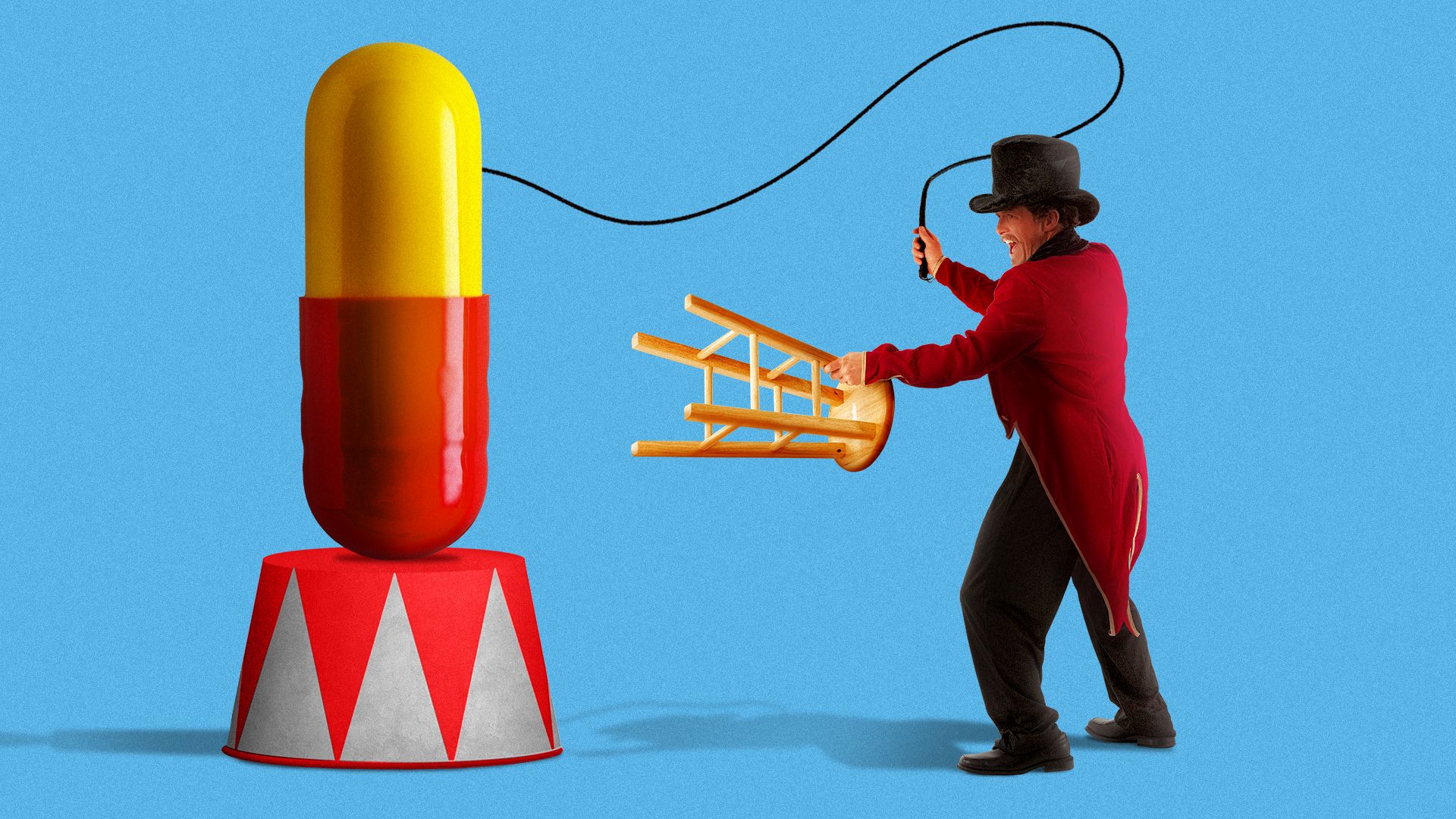
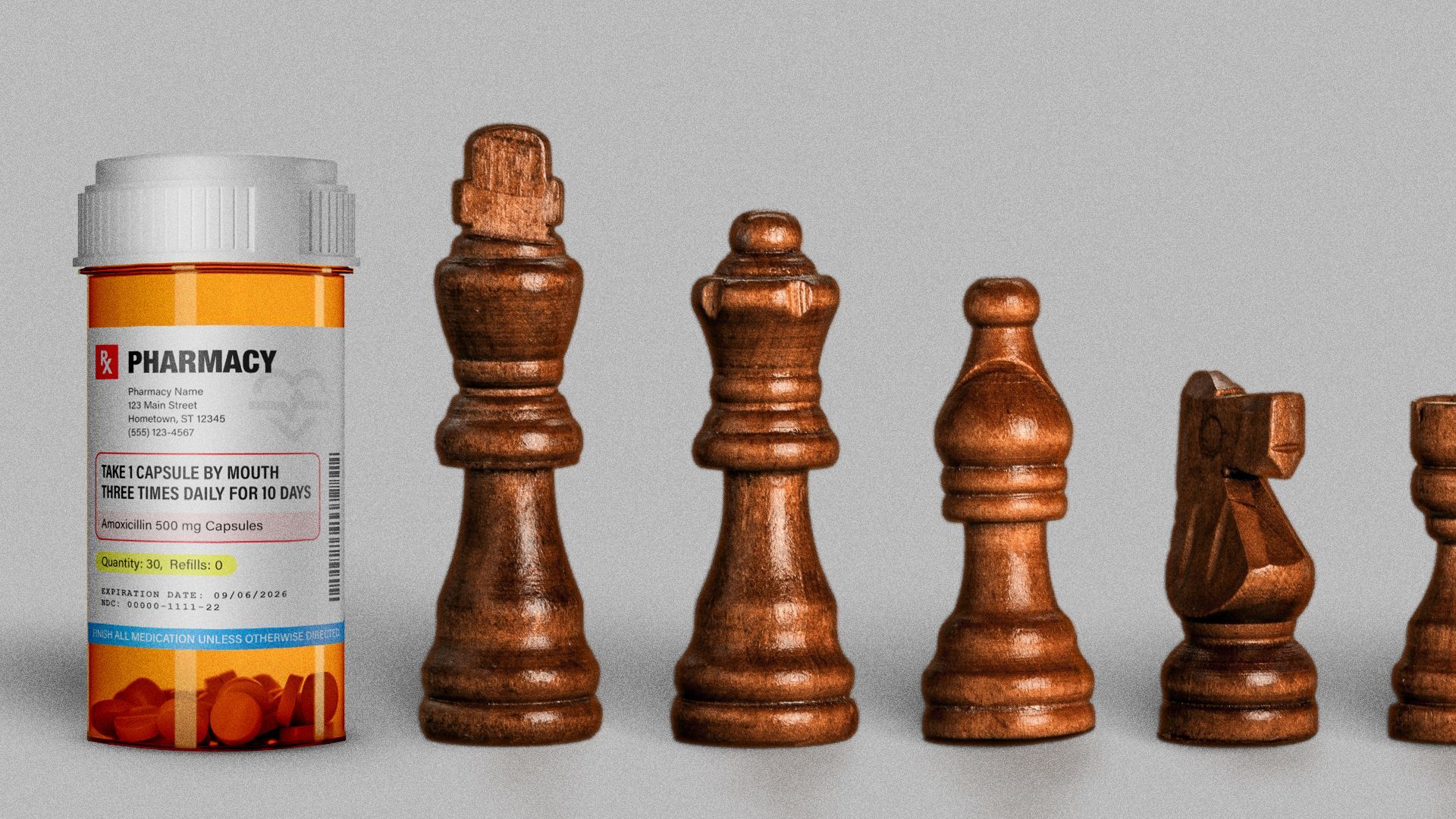
Whatever political opposition existed around restricting drug prices through government intervention — and there was quite a lot not so long ago — seems to have largely disappeared.
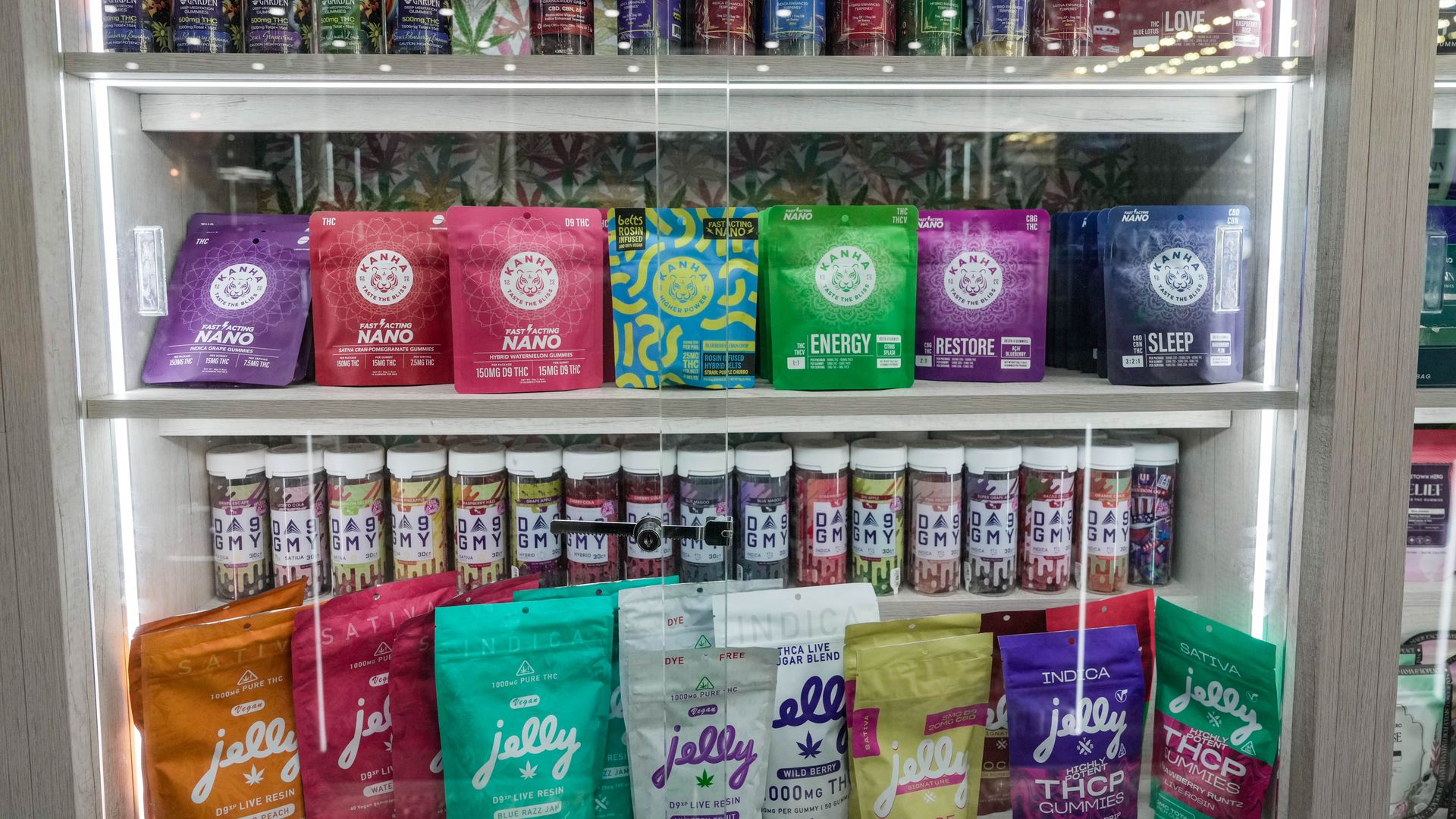
The collision of new laws, new products, and a child and teen mental health crisis is creating a perfect storm for America’s young people.
Parents are scrambling to navigate this new landscape — and what they know and say could be the key to keeping kids safe.
Why it matters: “Every year you can delay that first try, the safer your kids are going to be,” says Pam Jenkins, CEO of Shatterproof, a nonprofit focused on addiction prevention and education.
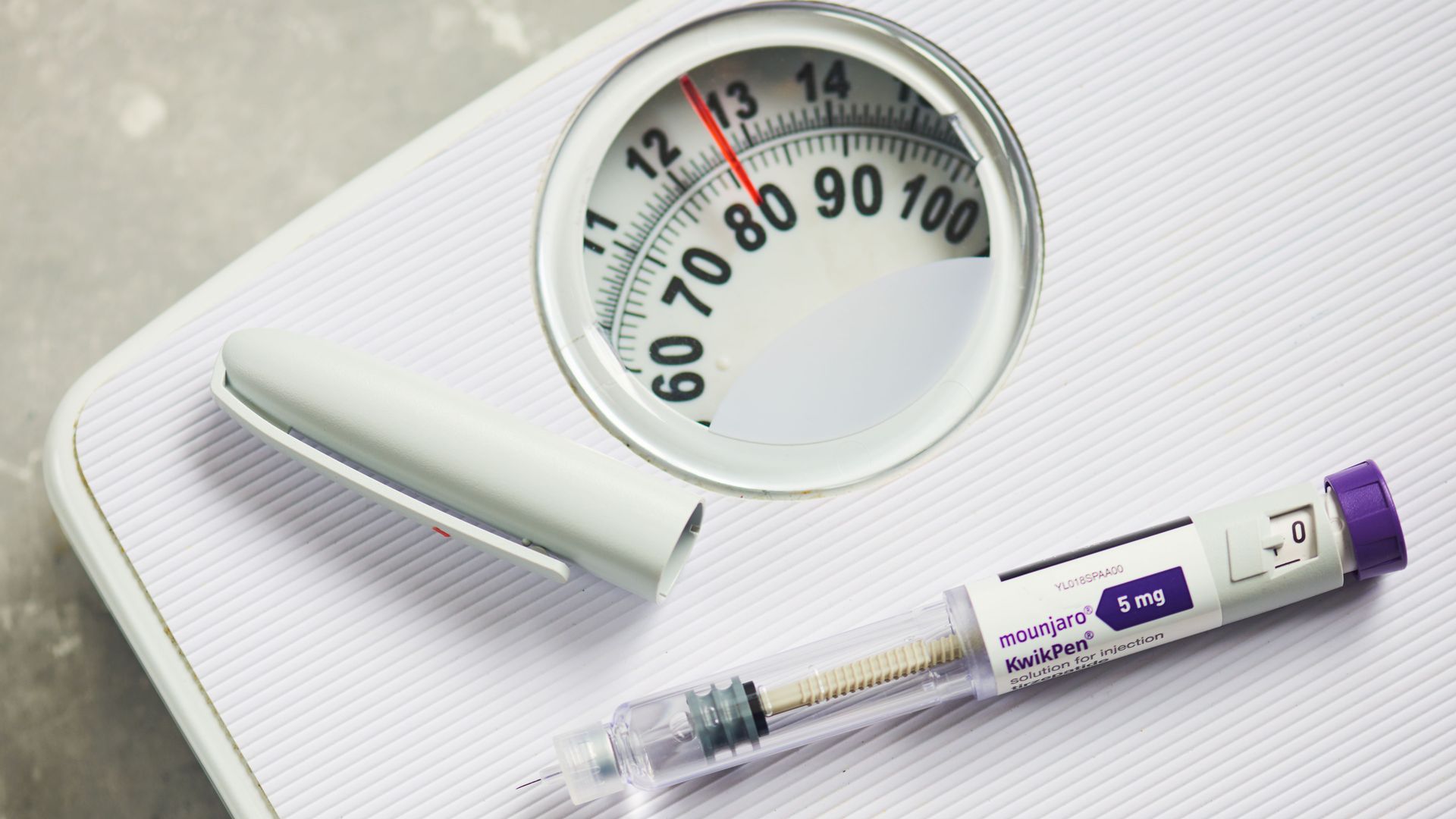
The anti-obesity drugboom may be cooling, as overall prescribing of GLP-1 medicines remained relatively flat for the three months ending in September, according to a new analysis of electronic health records.
Why it matters: Even with more approved uses for the drugs, the high cost, variable insurance coverage policies and the fact that many patients can't stay on them are tempering some expectations.
While the Trump administration says it has more drug pricing deals lined up with pharmaceutical manufacturers, the emerging template is still a tough sell for many companies.
Why it matters: Pfizer was the first to commit to the Trump administration's plans for reshaping how medicines are sold, but other companies don't necessarily have the same incentives to opt in.
The latest must-have accessory is a "stop-scrolling bag" — a tote packed with analog activities like watercolors and crossword puzzles.
Why it matters: We spend hours glued to our screens. "Analog bags," as they're also called, are one way millennials and Gen Zers are reclaiming that time.
The Centers for Medicare and Medicaid Services plans to recall about 3,000 staff who were furloughed because of the shutdown starting on Monday, officials confirmed to Axios.
The big picture: CMS plans to tap fees it charges outside researchers to access its data to pay staff during the shutdown, a spokesperson said.