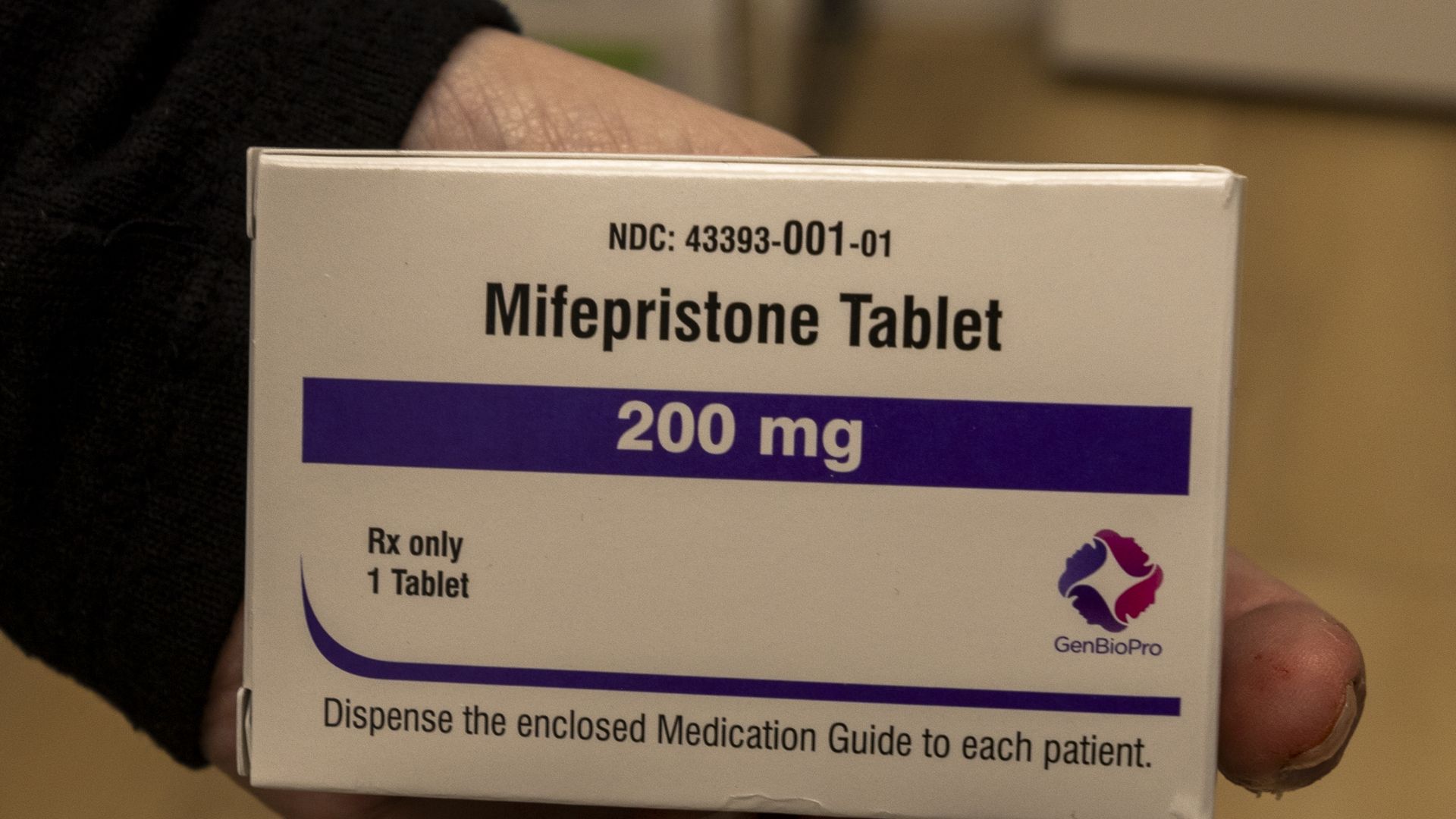
The Food and Drug Administration has approved another generic version of the abortion drug mifepristone, drawing outrage from anti-abortion groups and lawmakers.
Why it matters: The decision adds to conservative scrutiny of the agency and Commissioner Marty Makaryamid a push to impose new limits on dispensing the abortion pill.
Government food assistance programs may be at risk if Congress is unable to reach a funding agreement to stop the shutdown in the coming weeks.
Why it matters: Millions of mothers, infants and low-income families who rely on WIC and SNAP — programs commonly known as food stamps — could lose that support in a long-term shutdown.
More women are leaving the workforce, pushed out by a lack of child care support and stricter return-to-office policies, a new analysis from KPMG finds.
Why it matters: The exodus translates to less income and financial stability for households, as well as fewer career growth opportunities for women.
There's fallout for the overall economy, too: Businesses lose productive and experienced workers, and growth slows.
Hospitals in rural and underserved areas could lose out on billions of dollars in federal funding if the government shutdown drags on.
Why it matters: Many hospitals already run on tight margins and are bracing for fallout from Medicaid cuts and other changes in the One Big Beautiful Bill Act.
President Trump announced "TrumpRx" Tuesday, a government-run website with Pfizer as its first partner, offering select drugs at discounts.
Why it matters: TrumpRx is the administration's latest move to bring down U.S. drug prices, but it's unlikely to save much for the 92% of Americans with health insurance.
Premiums will more than double for millions of Affordable Care Act enrollees next year if Congress does not renew enhanced marketplace subsidies by year's end, according to a new analysis.
Why it matters: The tax credits that help people afford premiums are at the center of the showdown over government funding, and the latest findings underscore the stakes if they are not renewed, as Democrats insist they must be.
The government shutdown left some seniors without access to telehealth, while others receiving hospital-level care at home are being discharged or sent back to inpatient units.
The big picture: Congress only authorizedMedicare to pay for expanded telehealth care and the Acute Care Hospital at Home initiative through Sept. 30 — meaning additional legislation is required to restore the services.
Pfizer's decision to announce a deal with the Trump administration on drug prices Tuesday caused an uproar within much of the pharmaceutical industry, most of which was caught off guard by the announcement.
Why it matters: Pfizer CEO Albert Bourla's acquiescence to President Trump's demands — broadcast live from the Oval Office as the two men stood side by side — puts much more pressure on other drug companies to fall in line after months of unified resistance to Trump's "most favored nation" pricing plan.