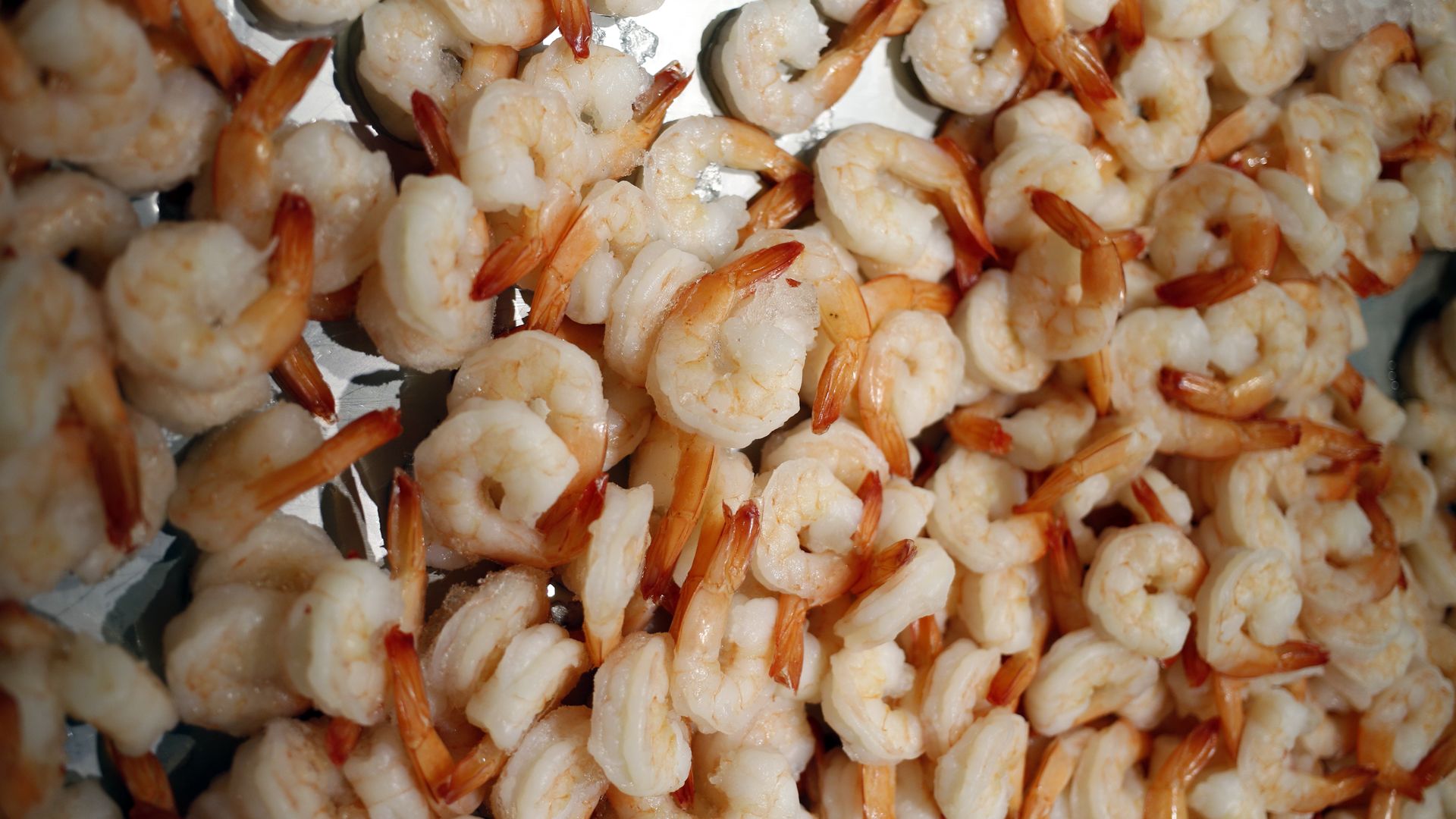
Check your freezer — there are concerns over potentially radioactive shrimp again.
Why it matters: Federal health officials first warned in August that certain shrimp might be contaminated with radioactive isotopes, prompting recalls in 12 states.
Why it matters: People with autism and their advocates told Axios that treating autism as a disease with a single cause that can be cured rather than a condition to be accommodated contributes to social stigma and undermines efforts to incorporate them into society.
Aldi is rolling out its biggest packaging refresh yet, stamping its name on nearly every private-label product, the discount grocer said Wednesday.
Why it matters: The refresh comes as Aldi faces a lawsuit from Mondelēz International alleging its packaging "blatantly copies" Oreos, Wheat Thins and Ritz.
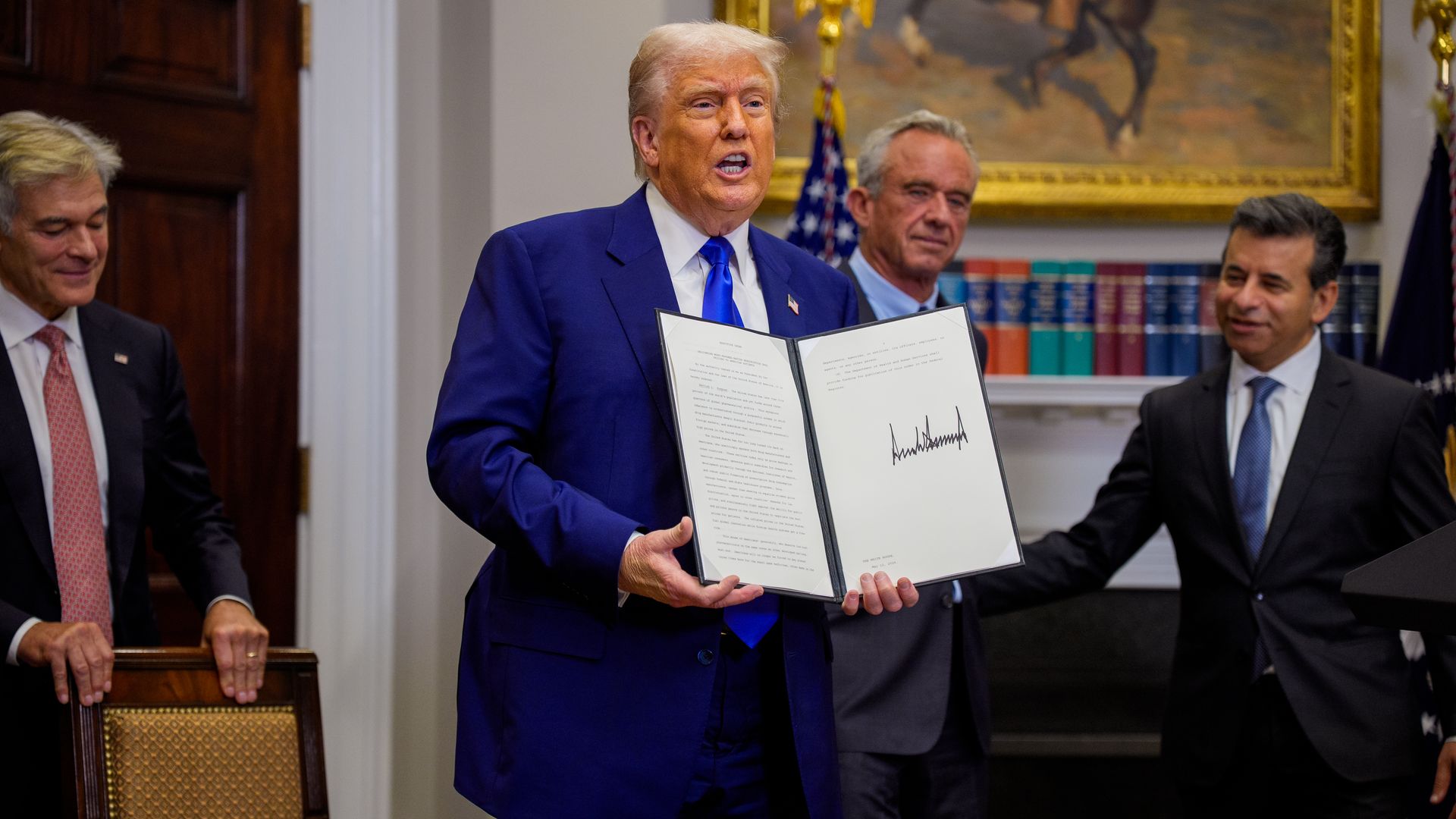
Big drug companies so far are responding to President Trump's demand they commit to his "most favored nation" pricing policy by raising prices abroad without cutting them in the U.S.
Why it matters: That only gets halfway toward Trump's goal of ending what he calls "global freeloading" and getting other developed countries to foot more of the cost while lowering costs for Americans.
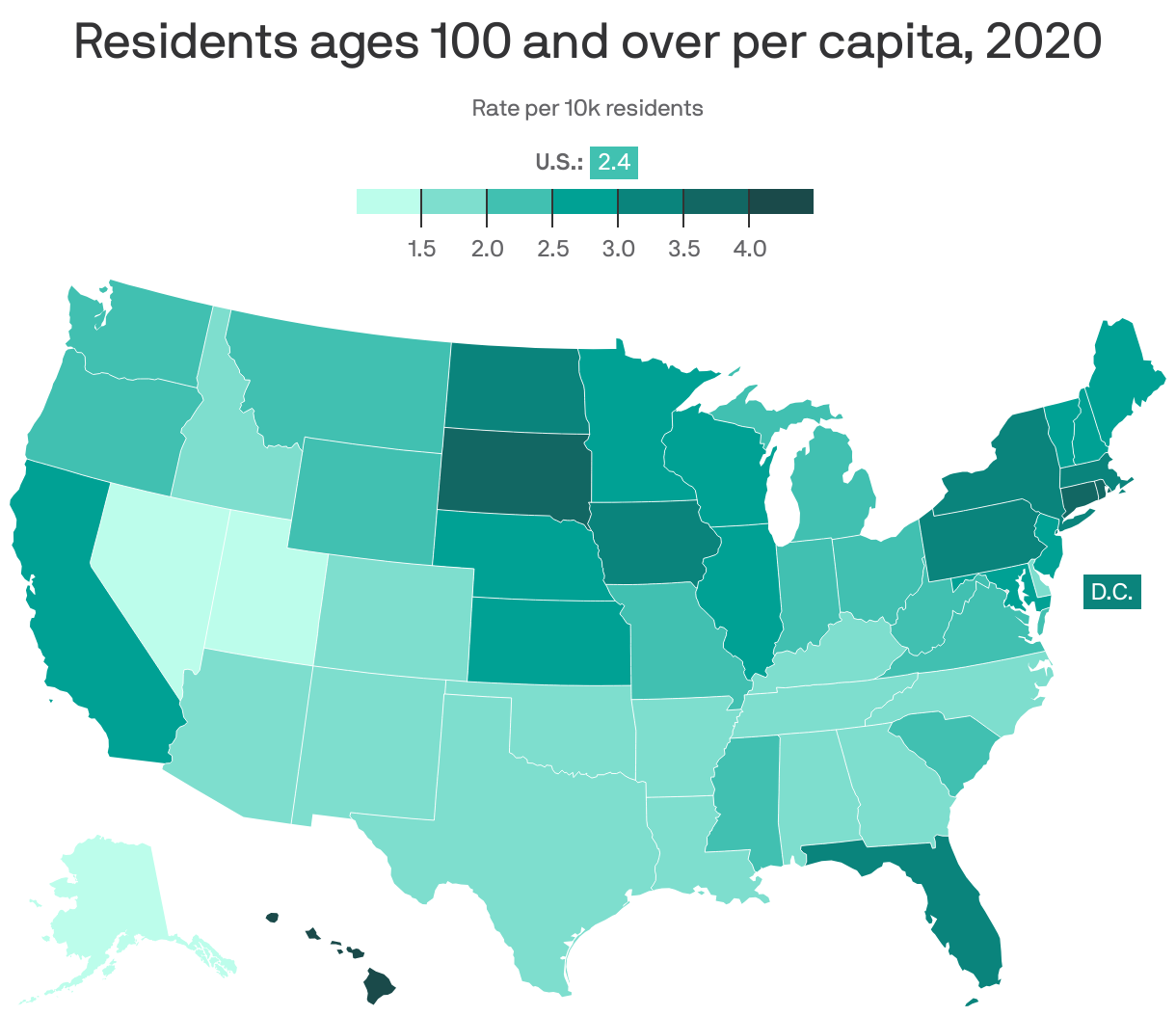
Data: U.S. Census Bureau; Map: Alex Fitzpatrick/Axios
The number of centenarians — people aged 100 or older — in the U.S. grew by 50% from the 2010 Census to the 2020 count, per a new Census Bureau analysis.
Why it matters: The Bureau's new deep dive offers a comprehensive look at one of America's fastest-growing demographics, who represent a triumph of medical and scientific advancements but also have unique caretaking needs.
Why it matters: Even when we think we've moved on, tragic events can have lingering effects on our minds and bodies, disrupting sleep, elevating stress and even leading to chronic health conditions like heart disease and diabetes.
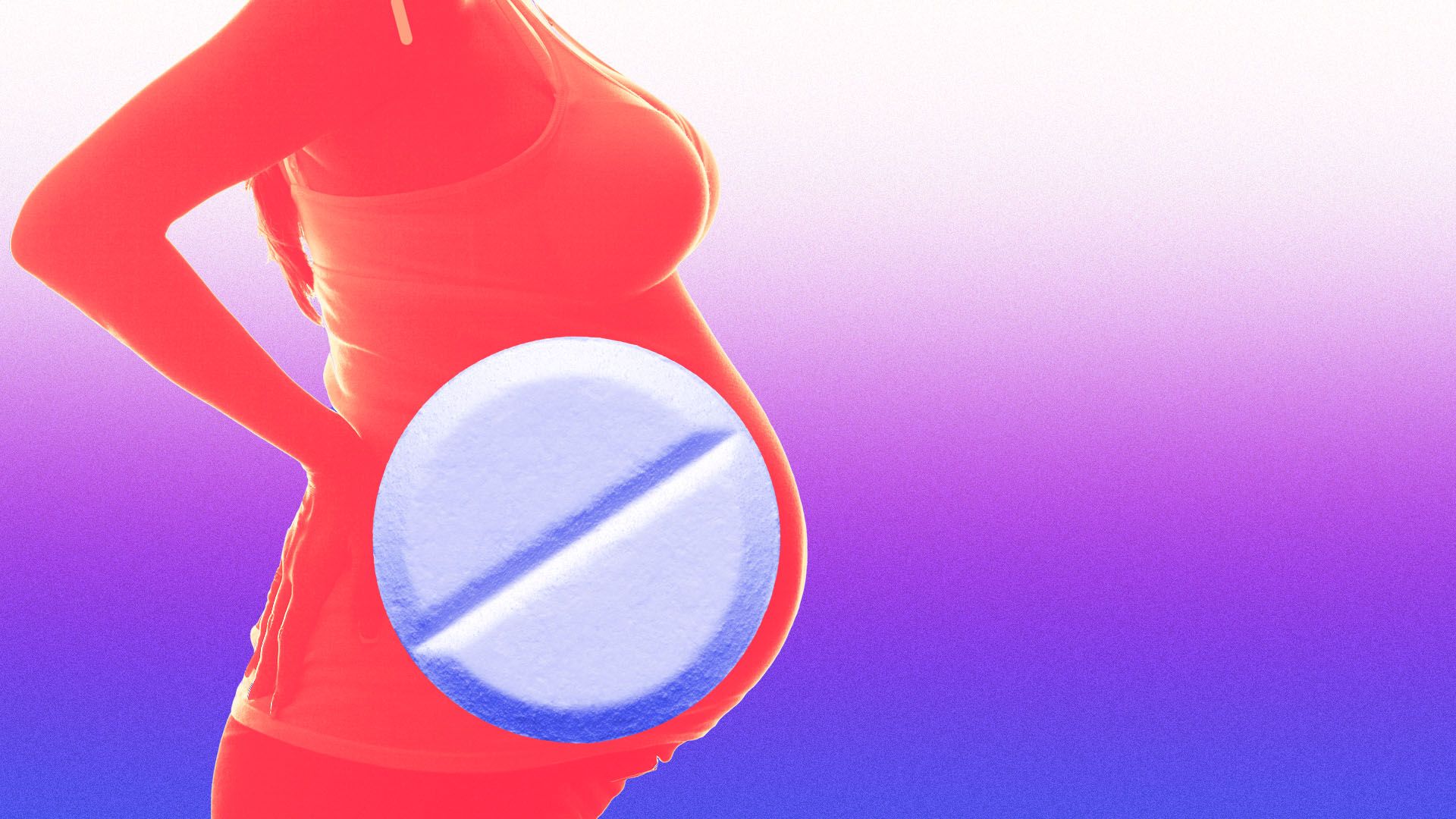
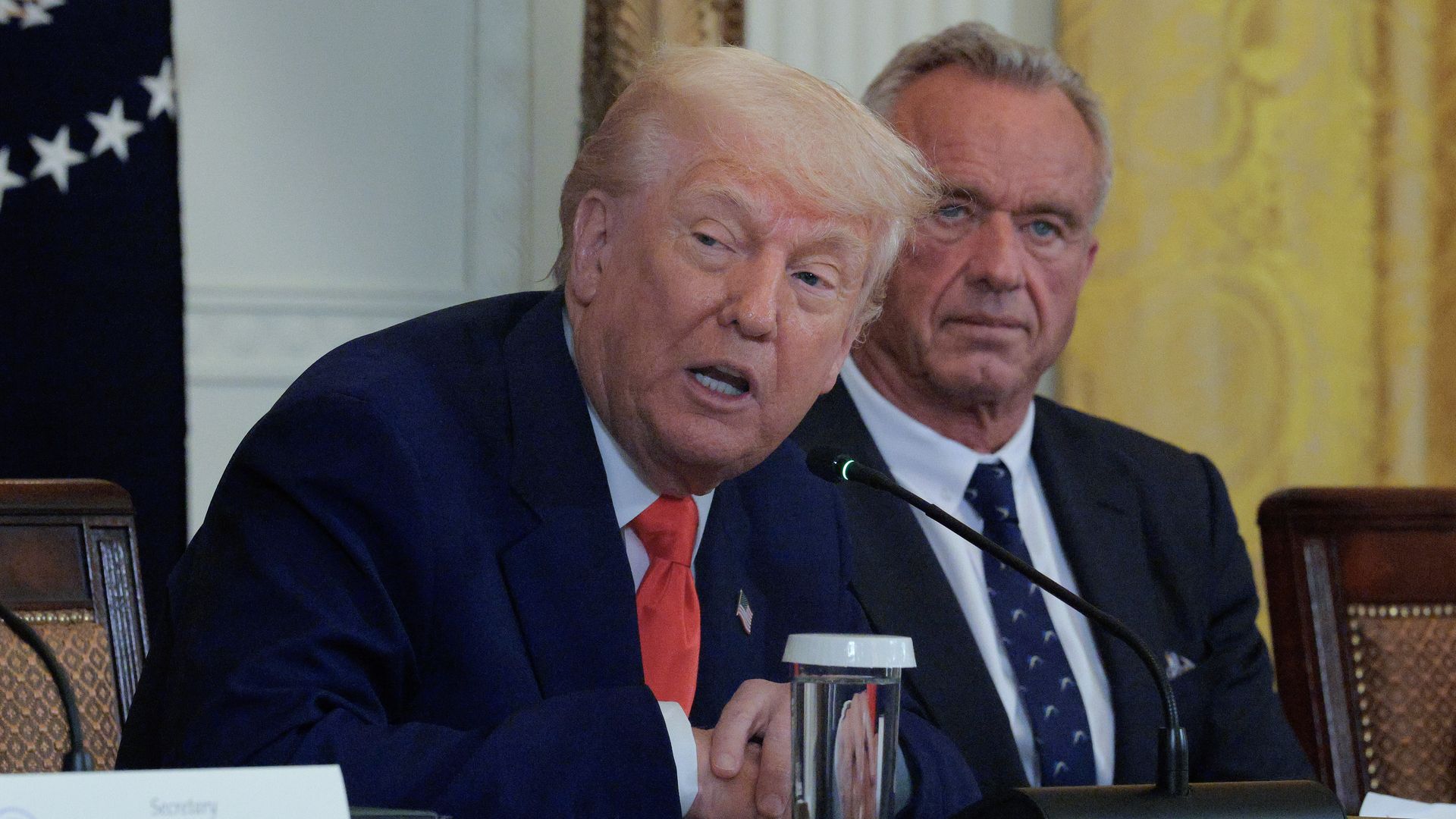
President Trump told pregnant women to "tough it out" and "don't use Tylenol" during pregnancy on Monday, suggesting a link to autism despite inconclusive evidence.
Why it matters: Implying pregnant women are to blame for their child's neurodevelopmental condition — and that their pain should be tolerated — could be mentally damaging to the mom and physically harmful to the baby.
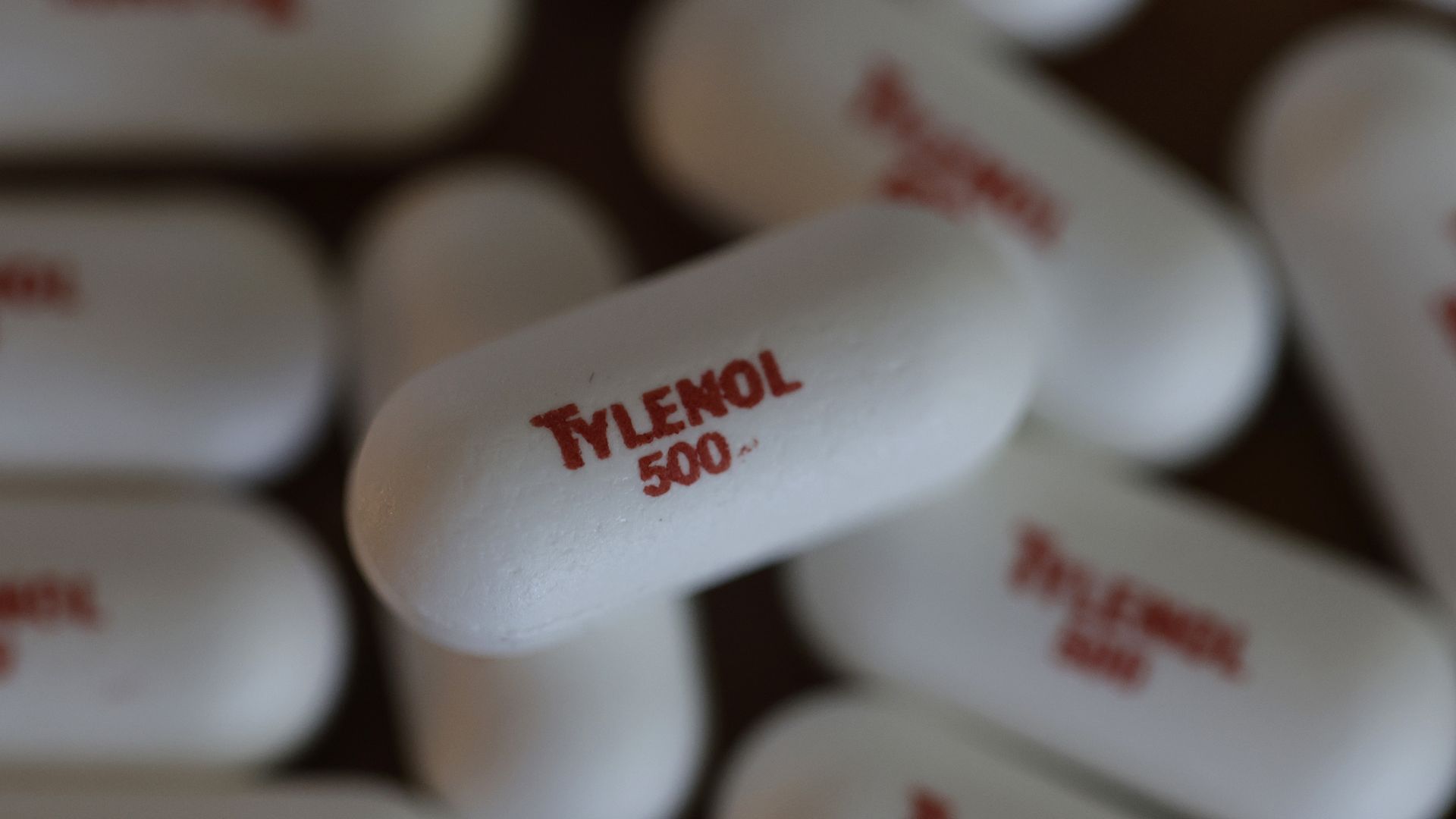
Tylenol's maker rebutted President Trump's warning to pregnant women, saying there is "no credible evidence linking acetaminophen to autism."
Why it matters: Decades of evidence show Tylenol is safe in pregnancy when used as directed, but Trump's claims fueled fears among expectant mothers, pressuring the drugmaker to defend its brand.
The American College of Obstetricians and Gynecologists continues to back acetaminophen as a safe option during pregnancy, a stance also supportedby outside experts.
The Food and Drug Administration moved to add a pregnancy warning to acetaminophen, even as the agency admitted studies have shown only correlation and not yet causation for any neurological conditions.
Driving the news: Kenvue, Tylenol's maker, responded that untreated fevers and pain — especially in the first trimester — pose risks of their own, framing Tylenol as the safer choice under medical supervision.
Zoom out: Tylenol's ad reflects a shift in how pharmaceutical companies counter political claims and misinformation.
Kenvue inherited both Tylenol's reputation as a trusted brand and Johnson & Johnson's history of product-safety litigation, including lawsuits claiming its talc-based baby powder caused cancer.
The backlash against Trump's comments also hit markets: The Johnson & Johnson spinoff saw shares rise 6% Tuesday morning, rebounding from a record low after investors dismissed Trump's claims as unsubstantiated.
What they're saying: In a statement, Kenvue said: "Over a decade of rigorous research, endorsed by leading medical professionals and global health regulators, confirms there is no credible evidence linking acetaminophen to autism. We stand with the many public health and medical professionals who have reviewed this science and agree."
What we're watching: Will parents sue Tylenol and generic manufacturers based on Trump's claims? And will regulators offer stronger guidance to reassure the public about medication use and side effects?
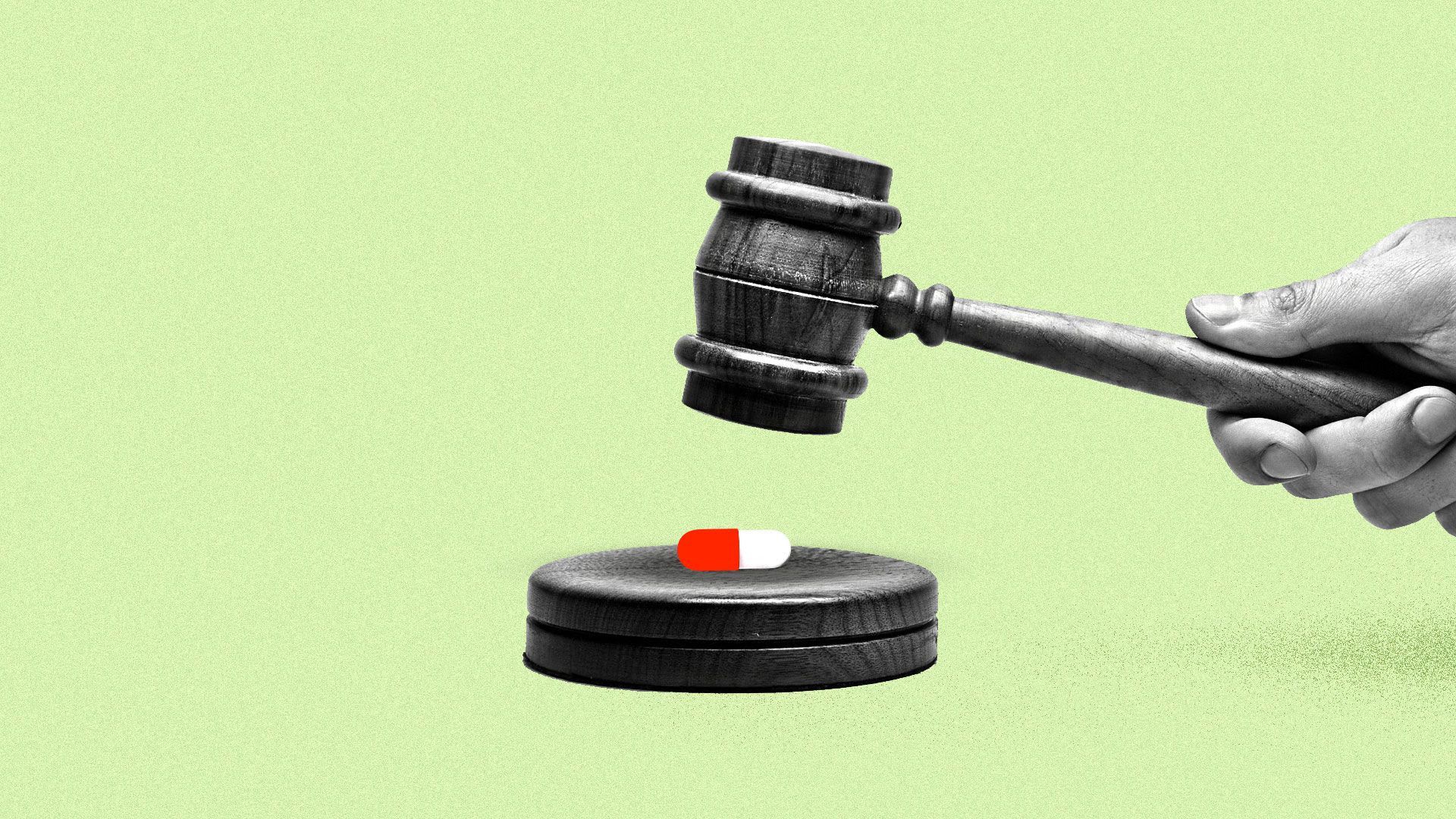
President Trump's linking Tylenol to autism could stoke a new round of litigation against the manufacturer of the painkiller and its generic versions.
The big picture: Trump's claim relies on evidence from scientists whose expert testimony was dismissed by a federal court as not sufficiently proving a link.
Former Philippine President Rodrigo Duterte is facing three counts of crimes against humanity in connection with his years-long deadly war on drugs, International Criminal Court (ICC) prosecutors announced Monday.
The big picture: Duterte, who said he launched the crackdown to stop drugs from destroying his country, is accused of committing the crimes during his time as mayor of Davao City and later as president.
Why it matters:Trump's back and forth on vaccines amid consistent science finding them effective risks confusing the public and undermining trust in U.S. medical professionals.