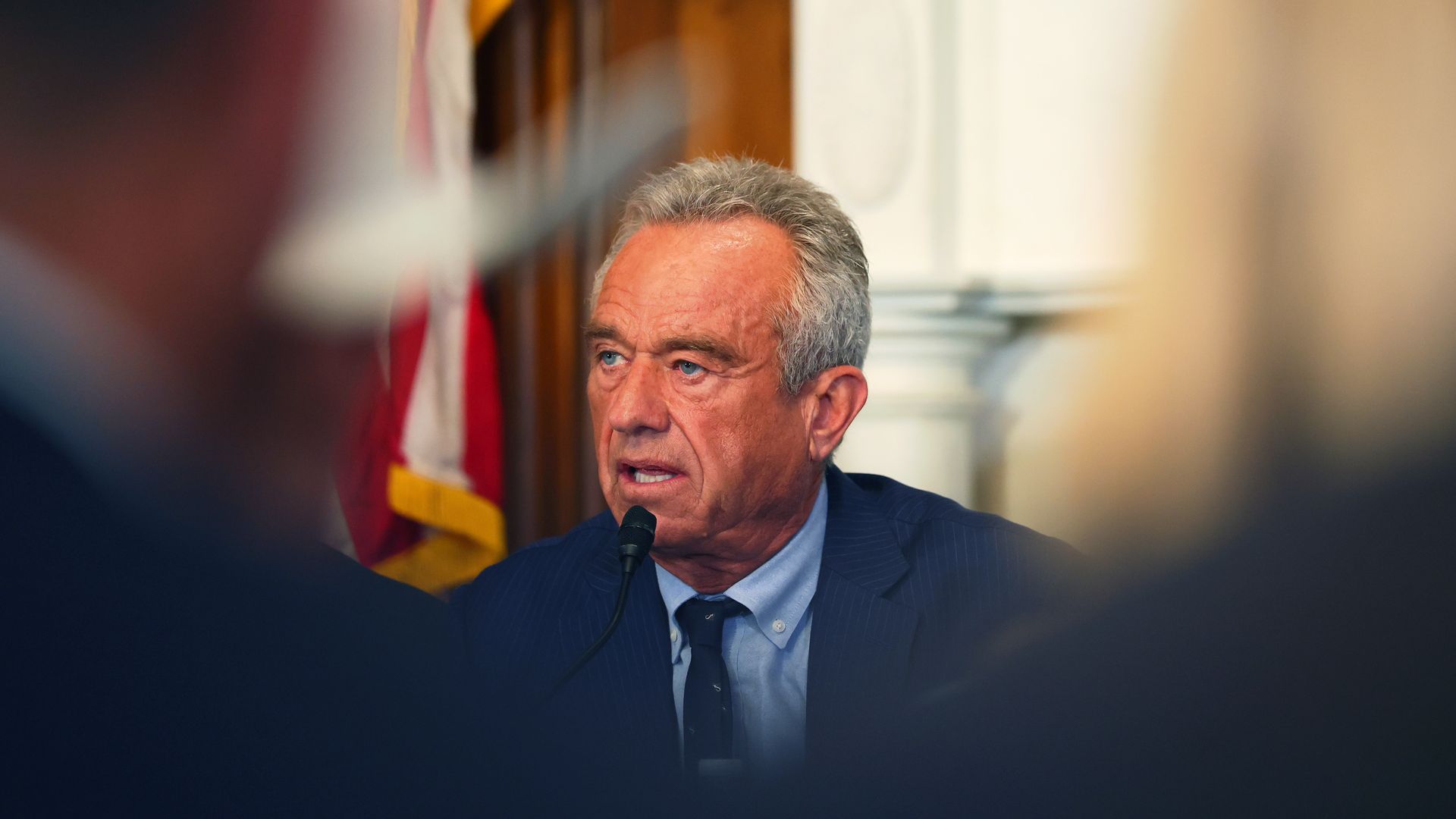
Health Secretary Robert F. Kennedy Jr. has shaken up his top staff just months into his tenure atop the Health and Human Services Department.
Why it matters: Kennedy's time atop the huge federal health bureaucracy has already been marked by tensions with the White House over the measles outbreak, controversial vaccine policy changes and sweeping layoffs and grant cuts.
A dozen current and former federal employees detail how DOGE gutted their workplaces in a new audio series released Wednesday morning.
Why it matters: The testimonials are from folks who've worked inside agencies responsible for the health and safety of millions of Americans — including a scientist who studies hepatitis C at the CDC, an FAA employee who supports air traffic controllers and a VA worker who counsels veterans.
The Trump administration wants to boost Medicare payments for hospital outpatient services by $8.1 billion next year — while simultaneously decreasing hospitals' reimbursement for services like chemotherapy.
Why it matters: The payment proposal reveals that the administration is pushing hard for site-neutral reimbursements, or paying the same rate for services regardless of whether they're delivered in hospital outpatient facilities or doctors' offices. Hospitals typically bill Medicare more for the same services.
A new wave of teen influencers is gaining followers by touting ideas central toRobert F. Kennedy Jr.'s public health movement, adding a Gen Z edge to a following that's trended toward wellness entrepreneurs and so-called MAHA moms.
Why it matters: The distrust of Big Pharma and antiestablishment health messaging may create a convenient gateway into conservative politics for adolescents and young adults.
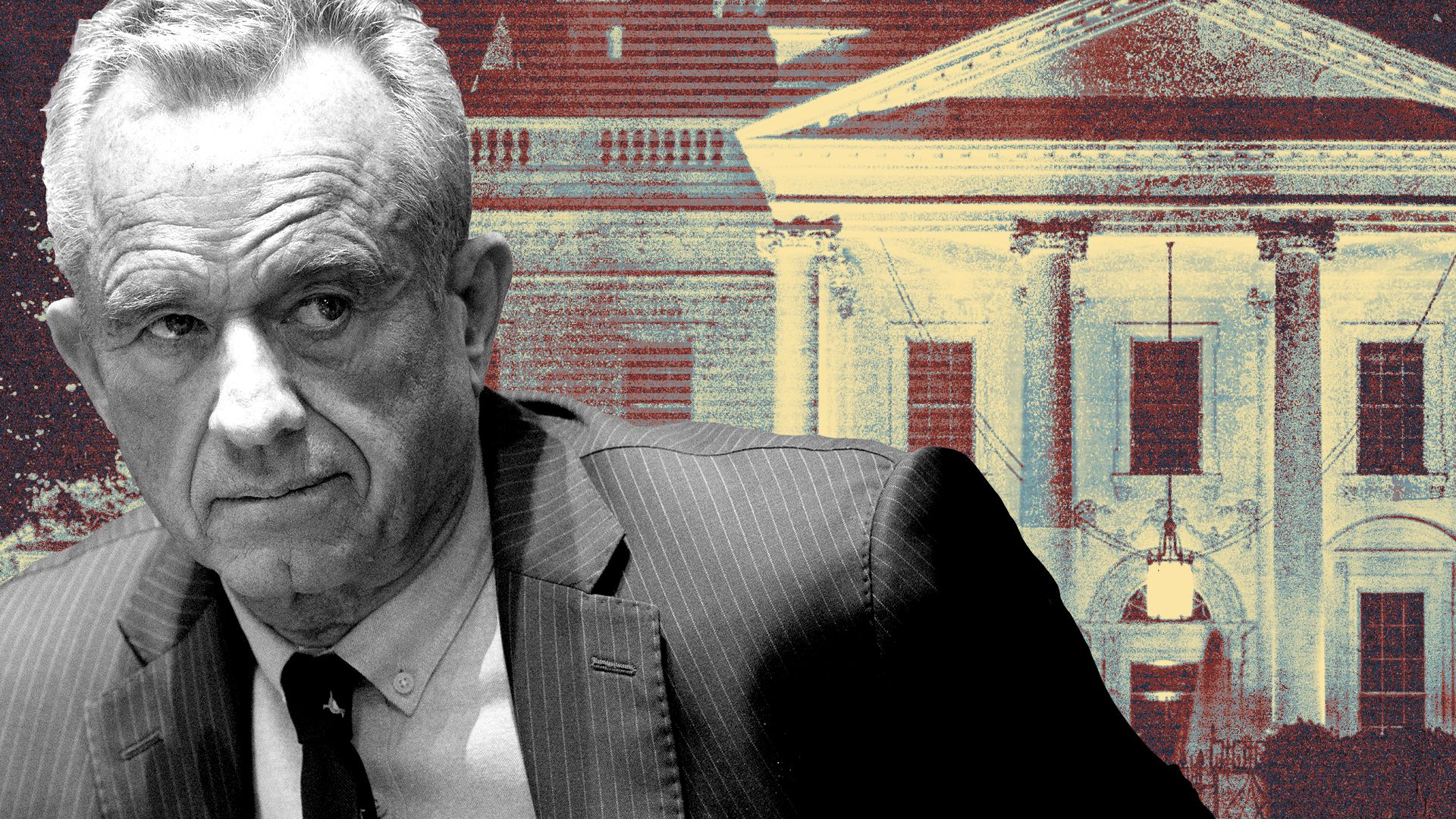
Robert F. Kennedy Jr.'s super PAC head co-hosted an organizing call for supporters and influencers last week, stirring speculation that Kennedy's positioning for a run at the White House in 2028.
Why it matters: Last Wednesday's Zoom call involving hundreds of RFK Jr. supporters was aimed at energizing his grassroots "Make America Healthy Again" movement and discussing ways to build enthusiasm for the Health and Human Services secretary.
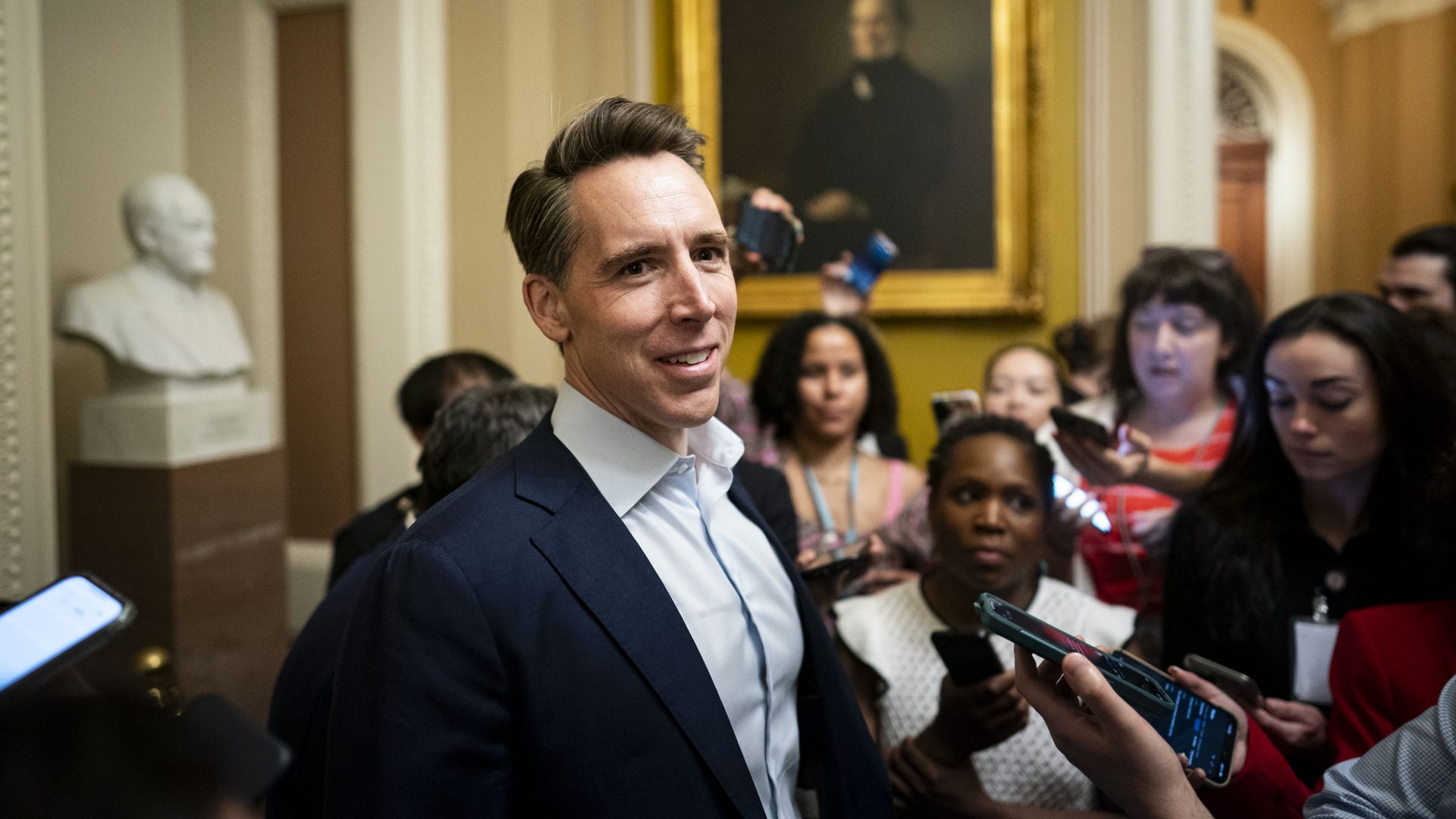
Sen. Josh Hawley (R-Mo.) introduced a legislation Tuesday to halt any future cuts to Medicaid hospital funding, two weeks after voting for the slashes as part of President Trump's "big, beautiful bill."
The big picture: Hawley has emerged as a key player pushing back on a major Medicaid overhaul, which would include nearly $1 trillion in rollbacks over the next 10 years.
According to data from Renaissance Capital, there have been just four biotech IPOs this year that have raised over $50 million — down from 10 in the same period last year. Venture bets are slowing too.
Aluminum exposure from childhood vaccines doesn't lead to increased risk of autoimmune, allergic or neurodevelopmental disorders, Danish researchers wrote in a study published Monday.
Why it matters: The findings in the Annals of Internal Medicine debunk a common claim by the Make America Healthy Again movement about the toxic effects of childhood vaccines.
Use of GLP-1 drugs for weight loss rose sharply in kids and adolescents after the American Academy of Pediatrics in 2023 recommended offering medications along with lifestyle adjustments such as healthier eating and exercise.
Why it matters: The findings from a review of more than 310,000 patients' health records add fuel to the debate over what age is too young for Wegovy and other GLP-1s.
Doctors could see up to a 3.8% increase to their Medicare payments next year under a Trump administration proposal released Monday.
The big picture: Physicians have seentheir fees decline for years, with Congress usually stepping in at the last minute to avert scheduled cuts or make them whole.
Many medical school students will feel a financial squeeze from President Trump's tax-and-spending bill due to a new $200,000 cap on student loan borrowing and the cancellation of a federal program that helps defray their living expenses during school.
Why it matters: The country is projected to face a shortage of 187,130 doctors by 2037.