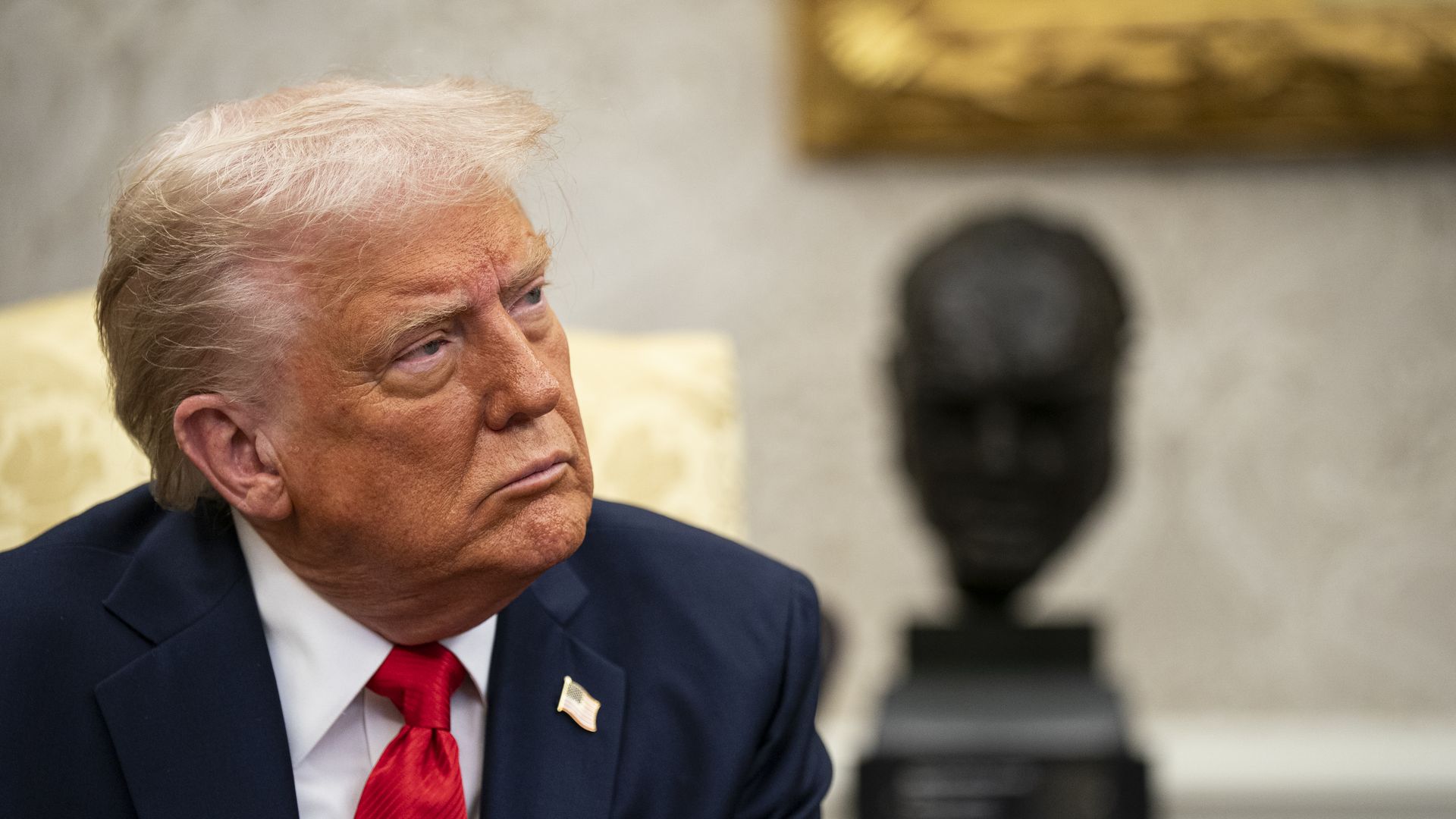
President Trump signed a wide-ranging executive order Tuesday addressing drug costs that endorses a pharmaceutical industry-backed change to Medicare drug price negotiations.
Why it matters: Lowering drug prices — which are significantly higher for U.S. patients than in other countries — was a prominent goal of the first Trump administration, and Trump promised to make the issue a priority during his campaign last year.
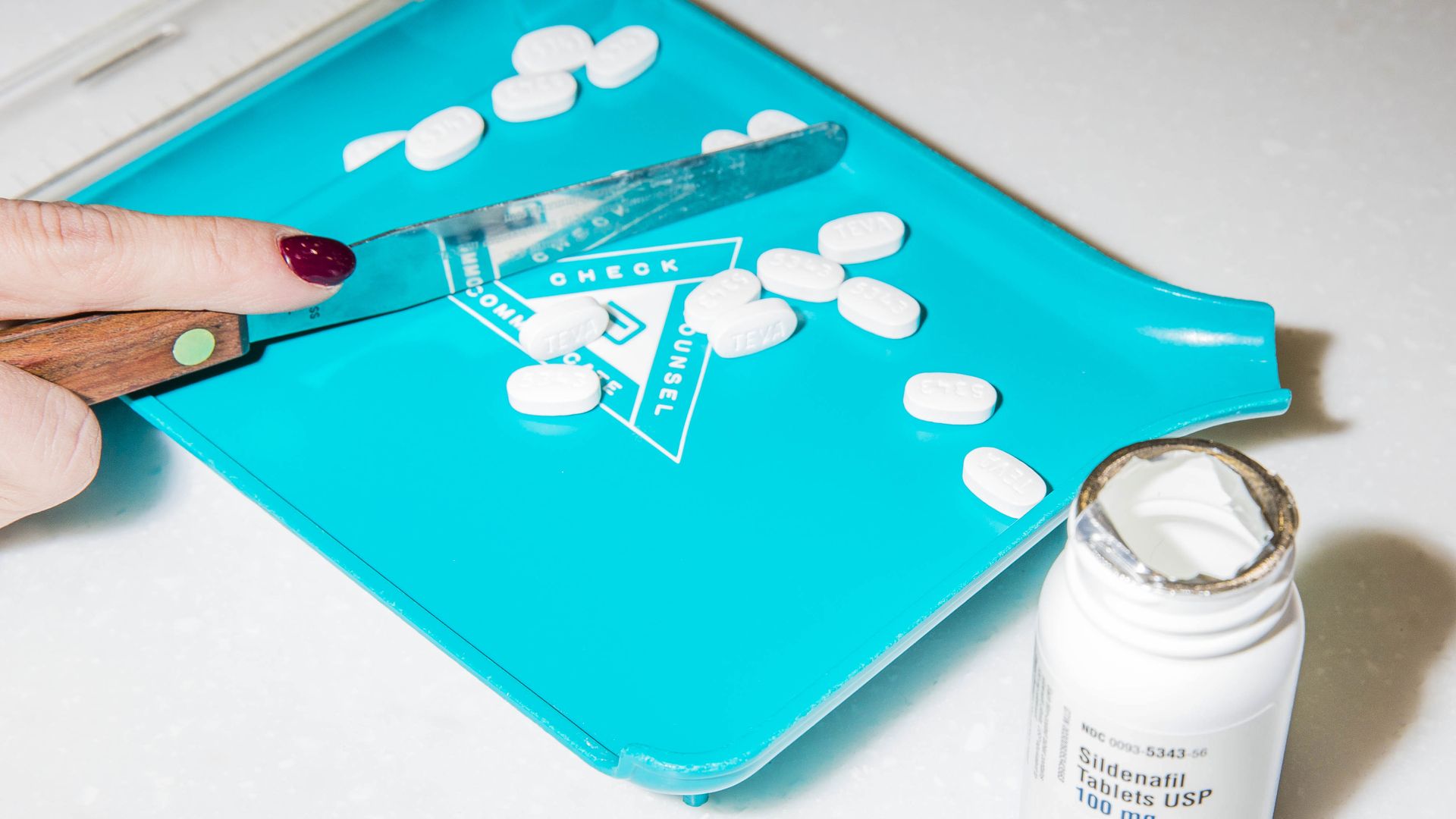
Why it matters: 90% of prescriptions are generic drugs or biosimilars, according to the Association for Accessible Medicines, which represents generic drugmakers.
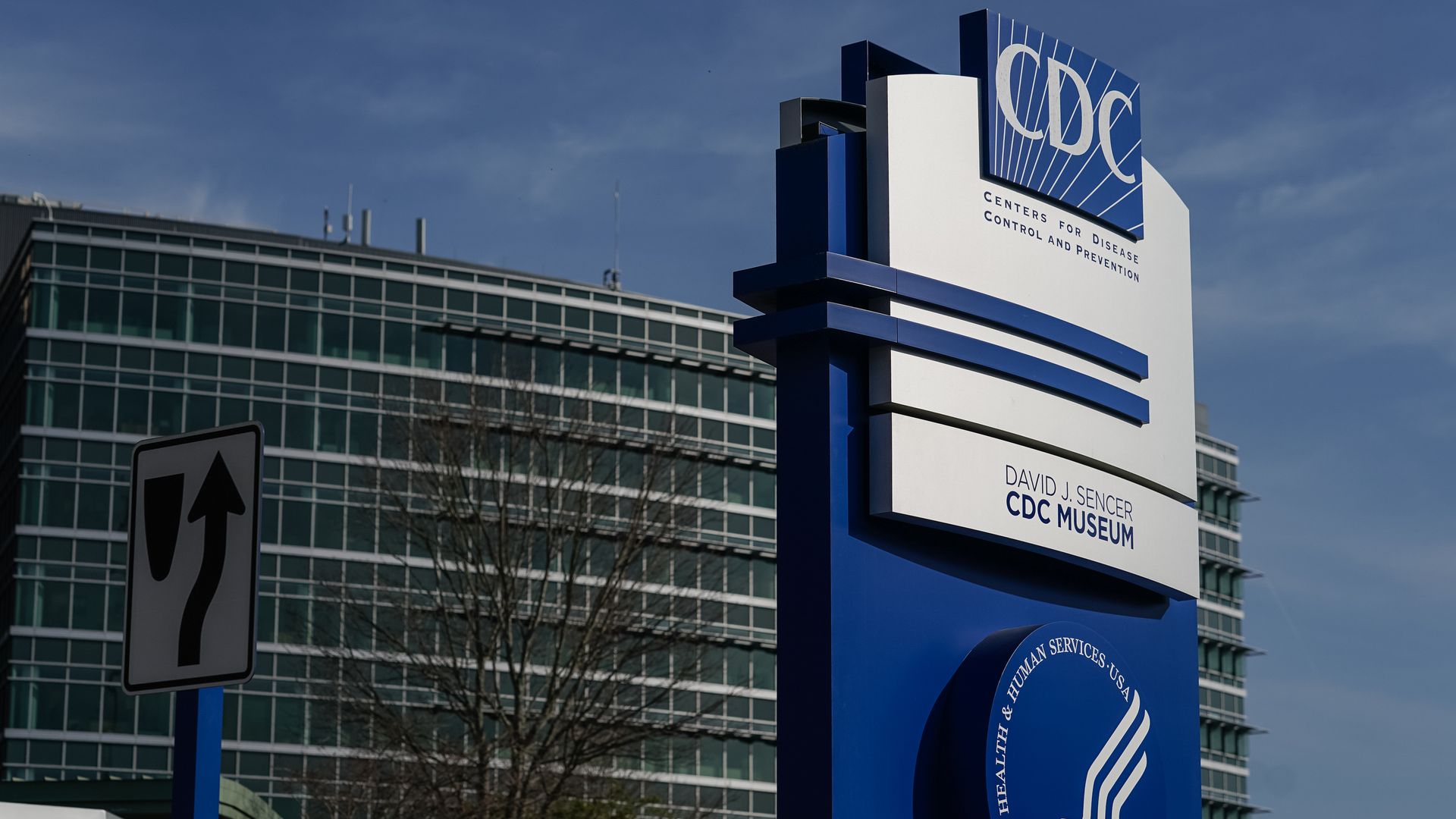
One in 31 U.S. children age 8 or younger are now diagnosed with autism, according to a study the Centers for Disease Control and Prevention released on Tuesday.
The big picture: Autism diagnoses are on the rise, according to the study. In 2000, the CDC said 1 in 150 children had been diagnosed with autism. The figure was 1 in 54 in 2016, per the agency.
Medical credit cards that are increasingly touted as a solution to health care debt are far likelier to be accepted by dentists than other practitioners, according to a new study published in JAMA Health Forum.
Why it matters: The cards guarantee providers payment in full. But patients aren't always aware of the strings attached, like an average annual interest rate of nearly 27%.
The Trump administration is seeking to limit coverage ofgender-affirming care for adults and minors in Affordable Care Act marketplace health insurance plans beginning next year.
Why it matters: The rule, if finalized, would not ban marketplace plans from covering gender-affirming care services. But it could raise out-of-pocket costs for patients, add administrative burdens for insurance companies and inject confusion into state operations, health policy experts say.
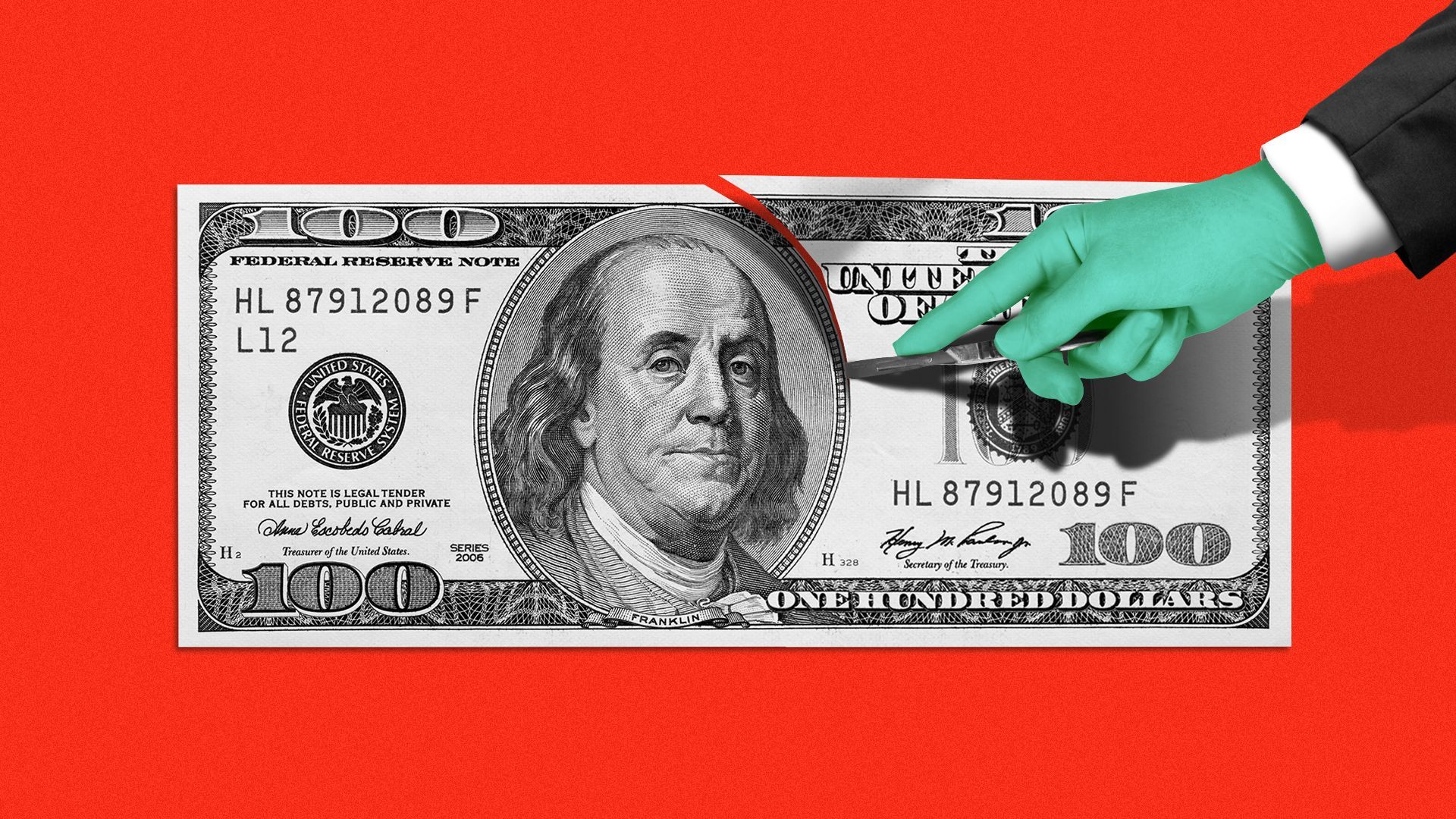
The Trump administration is cutting off a key Medicaid financing tool used to help states pay for health care programs it says diverge from the program's core mission, including high-speed internet for rural health providers.
Why it matters: The change essentially reverts back to a policy from the first Trump administration and begins to flesh out the current administration's messaging about wanting to cut Medicaid expenses without touching benefits.
Hospitals are due to receive $4 billion more from Medicare under a proposed fiscal 2026 inpatient payment rule the Trump administration released on Friday.
Why it matters: The 2.4% increase comes after the Trump administration finalized a larger pay boost to Medicare Advantage plans that hospitals say are likelier to require preapprovals, deny claims and pay less than what providers bill for.
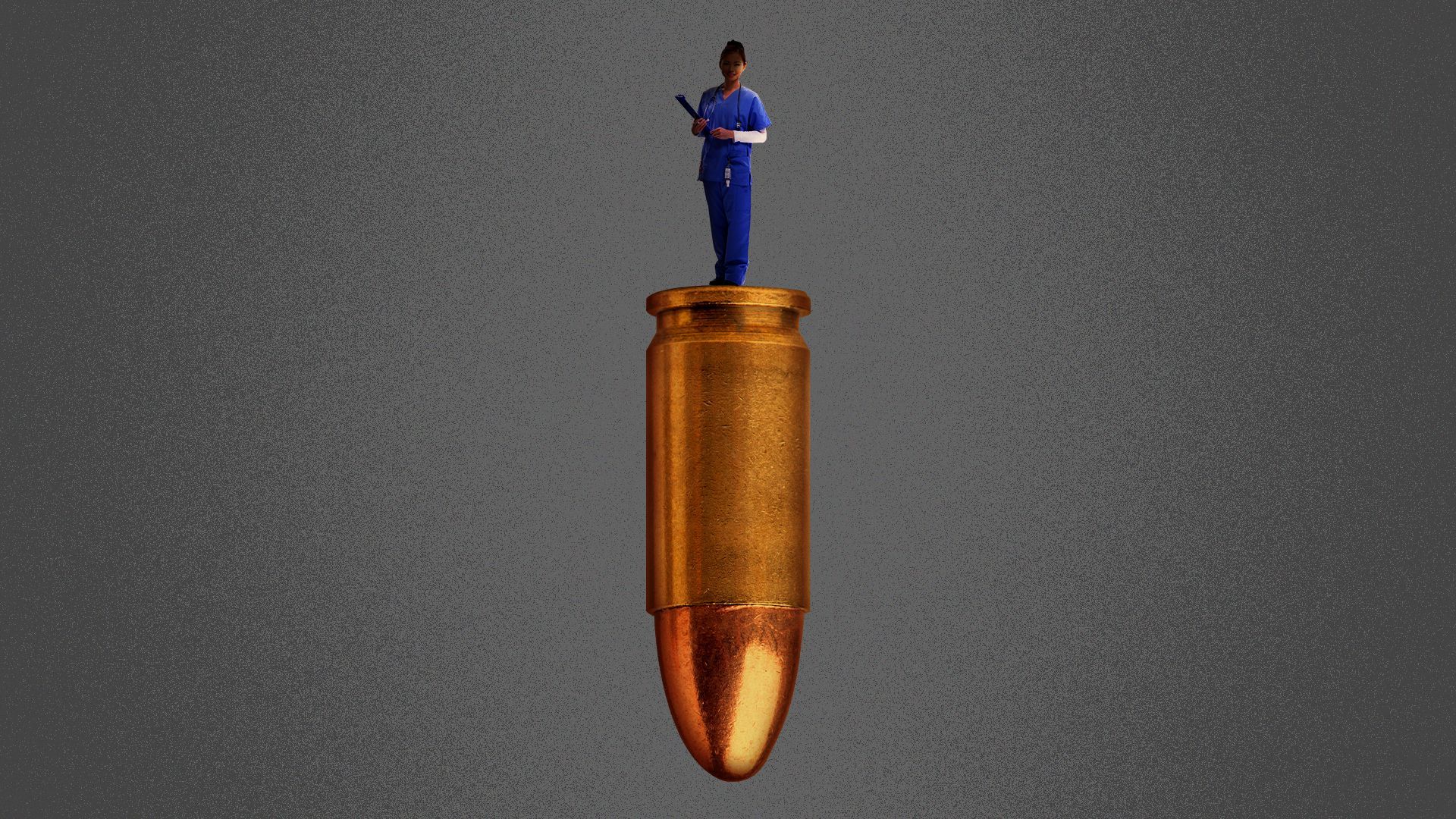
A new round of workplace violence in hospitals and clinics is lending urgency to efforts to create a first-ever federal standard for protecting nurses, social workers and others in the medical system.
Why it matters: Health care workers routinely rank in government statistics as among the likeliest to experience threats or assault on the job. But there's no nationwide requirement for health systems to perform hazard assessments, train employees about dangers or inform them of their rights.






/2025/04/14/1744659144774.gif?w=3840)