Trump signs order aimed at lowering drug prices

Add Axios as your preferred source to
see more of our stories on Google.
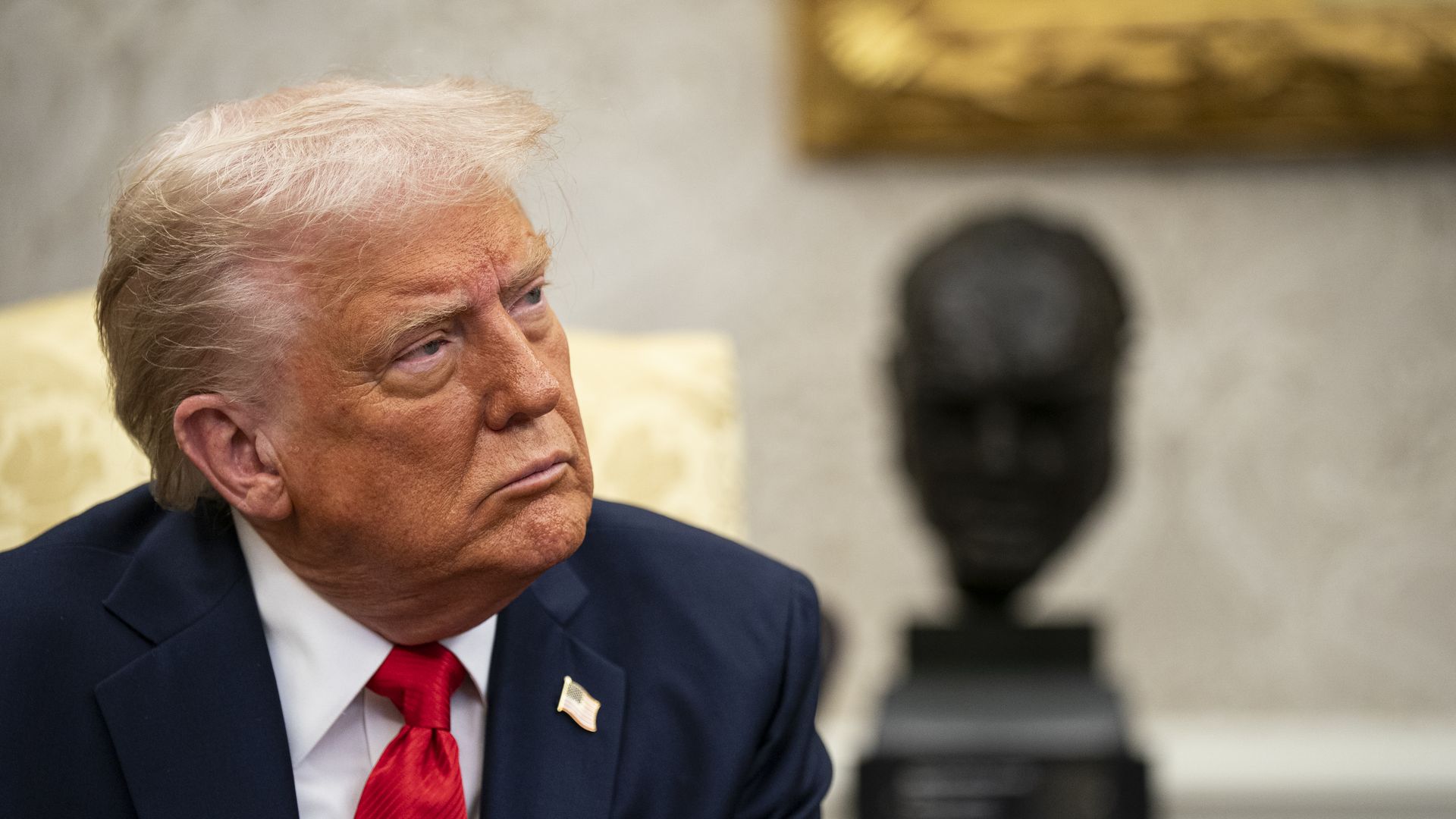
Trump in the Oval Office on April 14. Photo: Al Drago for The Washington Post via Getty Images
President Trump signed a wide-ranging executive order Tuesday addressing drug costs that endorses a pharmaceutical industry-backed change to Medicare drug price negotiations.
Why it matters: Lowering drug prices — which are significantly higher for U.S. patients than in other countries — was a prominent goal of the first Trump administration, and Trump promised to make the issue a priority during his campaign last year.
The big picture: Administration officials will start working on initiatives ranging from getting more savings out of drug price talks to paying the same amount for cancer treatments regardless of whether the drugs are delivered in a hospital-owned or independent facility.
- The order directs the Health and Human Services Department to work with Congress to fix what the administration calls a "distortion" in the Medicare negotiation process for small-molecule drugs.
- The law now exempts synthetic drugs from negotiation for nine years after they hit the market while giving more complex biologics 13 years. The order calls for aligning the two but doesn't say for how long. Drugmakers have long backed such a change to what they call the "pill penalty."
Zoom in: The order also directs HHS to reinstitute a program from Trump's first term to provide discounted insulin through federally-qualified health centers.
- Additionally, it calls on the Centers for Medicare and Medicaid Services to launch a pilot project to cover novel therapeutics and directs the Food and Drug Administration to streamline approval of generic and biosimilar drugs.
- The order also directs FDA to facilitate more state plans to import drugs — something Trump pushed in his first term but that relatively few states took the administration up on.
The order doesn't specifically mention the so-called Most Favored Nation policy — a hallmark idea of the first Trump administration that would have pegged U.S. drug prices to what other developed countries pay. The policy was blocked by the Biden administration.
- But the administration is still working to decrease the gap between what the U.S. pays for pharmaceuticals compared to other developed countries, a White House official told reporters.
Between the lines: HHS earlier this month laid off approximately 10,000 employees. But White House officials said the staff reductions will not affect HHS's ability to implement the new initiatives to lower drug prices.
