Friday's health stories

Changes loom for how Medicare pays doctors

Mehmet Oz heads to the Senate today, where lawmakers will consider his nomination to be administrator of Medicare and Medicaid. Here's what I'm watching for him to address: How Medicare determines what to pay doctors, and how much HHS Secretary Robert F. Kennedy Jr. wants to shake up that process.
Why it matters: The American Medical Association, the largest group representing doctors in the country, and certain specialist physicians may be facing changes they won't like at all.
- Republican ire with the AMA has been building for years.
- But tackling the association's influence over doctor payments — and the incentives those payment rates create — also aligns with Kennedy's quest to root out industry influence from the government and reduce the prevalence of chronic disease in the U.S.
- Interestingly enough, the subject has also drawn interest from people well outside of the MAHA movement, including some who otherwise oppose most of Kennedy's stances.
- Reforms could begin to chip away at the gap between what primary care doctors and specialists are paid, which could ultimately lead to more preventive care and healthier people.
Where it stands: I'll say it from the start: Medicare payment policy is incredibly dense. But it's also incredibly important, and influences reimbursement throughout the rest of the health care system, including commercial insurance.
- Back in November, Stat reported that Kennedy and his team were exploring how to reduce the role the AMA plays in influencing how much services should cost. The Washington Post followed up with a similar report saying Kennedy's stated goal of changing up the payment formula would be to better incentivize primary care and prevention.
- Some experts argue that paying more for surgeries and procedures versus primary care incentivizes performing more of those services — and also deters medical students from going into primary care in the first place.
How it works: The AMA makes money from its copyrights on billing codes used across the medical industry, and the association also includes a powerful panel of doctors that makes payment recommendations to Medicare. Although Medicare doesn't have to accept the panel's recommendations, it usually does.
- This panel, called the AMA/Specialty Society RVS Update Committee but referred to as the RUC, has long been criticized as being inherently biased and promoting payment rates that undervalue primary care.
What they're saying: The AMA "has long had an outsized role in the health economy," including through its licensing of CPT codes and the RUC, "whose recommendations have been historically rubber-stamped by HHS," said David Mansdoerfer, a senior HHS official in the first Trump administration.
- "Secretary Kennedy has made reviewing conflicts of interest a top priority — what better place to start than a systematic review of areas that HHS has outsourced policy decisions to activist associations like the AMA and taking corrective action to restore transparency," he added.
- HHS didn't respond to a request for comment.
- The AMA said the RUC "is deeply misunderstood and often mischaracterized," and that "the regulatory process for creating Medicare's payment policies affords hospitals, home health agencies, nursing homes, private health insurers and others the same opportunity as the RUC to provide input to CMS."
- "Primary care physicians play a crucial — and expanding — role in the RUC's highly technical work," the association added.
The big picture: Doctors, including the AMA, really want Medicare payment reform — generally. But any effort to decrease the disparity between primary and specialty care payments that resulted in a significant reduction of payment for certain specialities would likely meet fierce resistance from the industry.
- Specialists tend to make tens of thousands — if not hundreds of thousands — more dollars per year than primary care physicians.
- The industry is still smarting from Congress' failure to include an across-the-board Medicare payment bump to physicians in its spending bill, although members have vowed to include it in future legislation.
What we're watching: Although Medicare payment reform is allegedly something Kennedy is interested in tackling, this is ultimately an issue for the Centers for Medicare and Medicaid Services (if not Congress). That means Oz's thoughts on it very much matter.

People are leaving red states over abortion bans, studies find

New evidence confirms that people started fleeing red states after the Supreme Court overturned abortion rights in its 2022 Dobbs ruling.
Why it matters: At first, there were mainly anecdotes about individuals who were considering moving out of states with strict abortion bans.
Scoop: White House pulls CDC director nomination
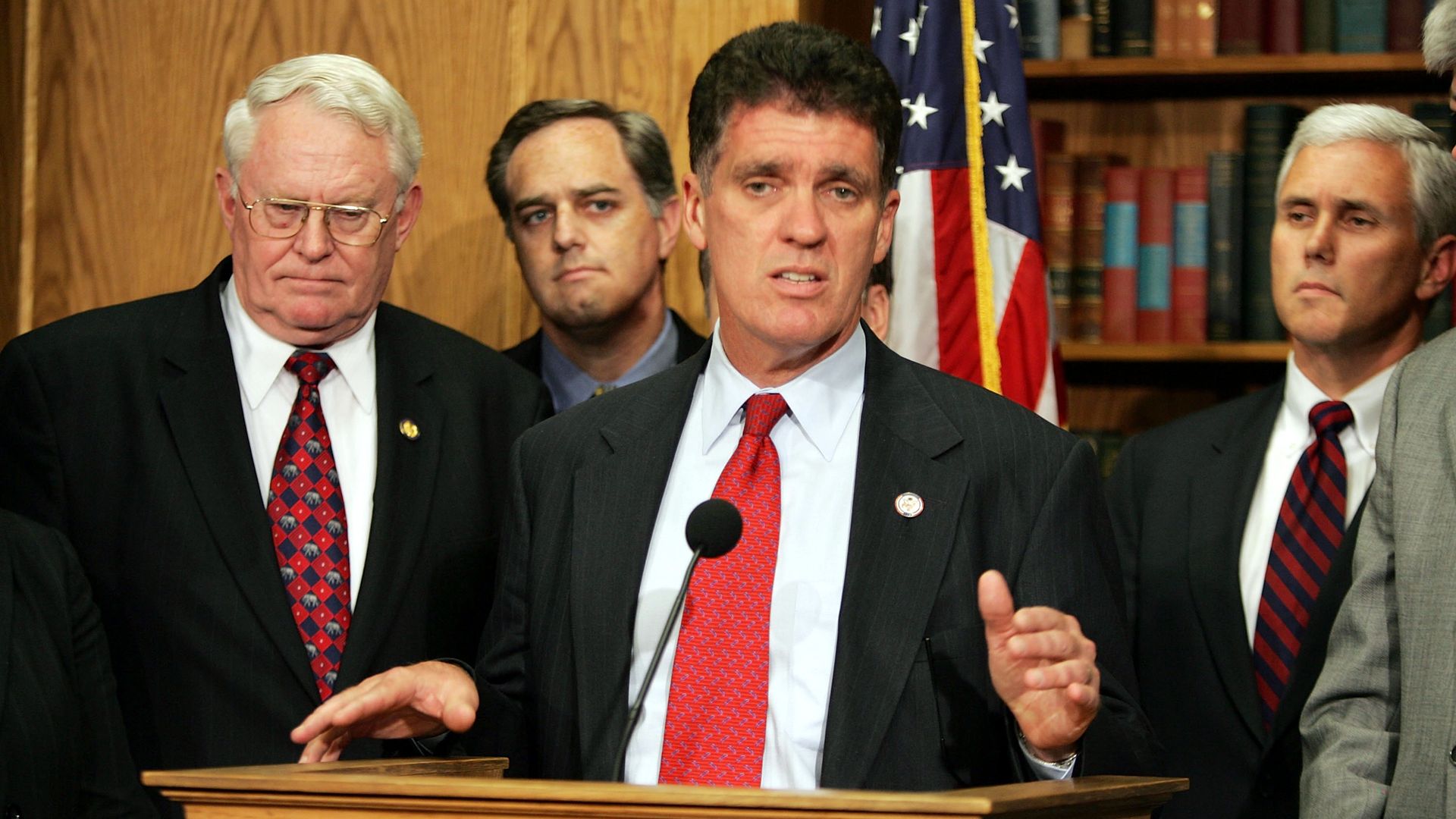
The White House is withdrawing the nomination of Dave Weldon to be the director of the Centers for Disease Control and Prevention (CDC), per a source close to Senate health committee and another source familiar.
Why it matters: The former Florida congressman was scheduled to appear before the committee this morning for a since-cancelled confirmation hearing. But his views questioning certain vaccines have garnered attention since he was nominated months ago and were sure to play a prominent role in questioning.

Teens who vape had similar nicotine exposure to smokers

As teen tobacco use experiences historic declines, new evidence suggests vaping is giving kids the same level of nicotine exposure.
Why it matters: The findings could undercut arguments that vaping and e-cigarettes are less harmful than traditional cigarettes and can help smokers quit.

Hospice industry gets reprieve as Trump admin pauses oversight program

A federal effort to increase oversight of hospice care has been put on hold by the Trump administration, resetting efforts to root out fraud and abuse in an industry that receives more than $25 billion from Medicare annually.
Why it matters: Federal officials in recent years have ramped up efforts to identify instances in which hospice operators fraudulently bill the government or enroll patients who aren't terminally ill. But the new administration last month halted a Biden-era plan for noncompliant hospices to take corrective action or risk being kicked out of Medicare.

Ex-Philippine president in ICC custody on crimes against humanity charges

Former Philippine President Rodrigo Duterte is now in the custody of the International Criminal Court following his arrest in Manila in connection with his deadly war on drugs during his presidency, the ICC confirmed Wednesday.
The big picture: The ICC Office of the Prosecutor alleged in a statement "there are reasonable grounds to believe that Mr Duterte bears criminal responsibility for the crime against humanity of murder" for the drugs crackdown.