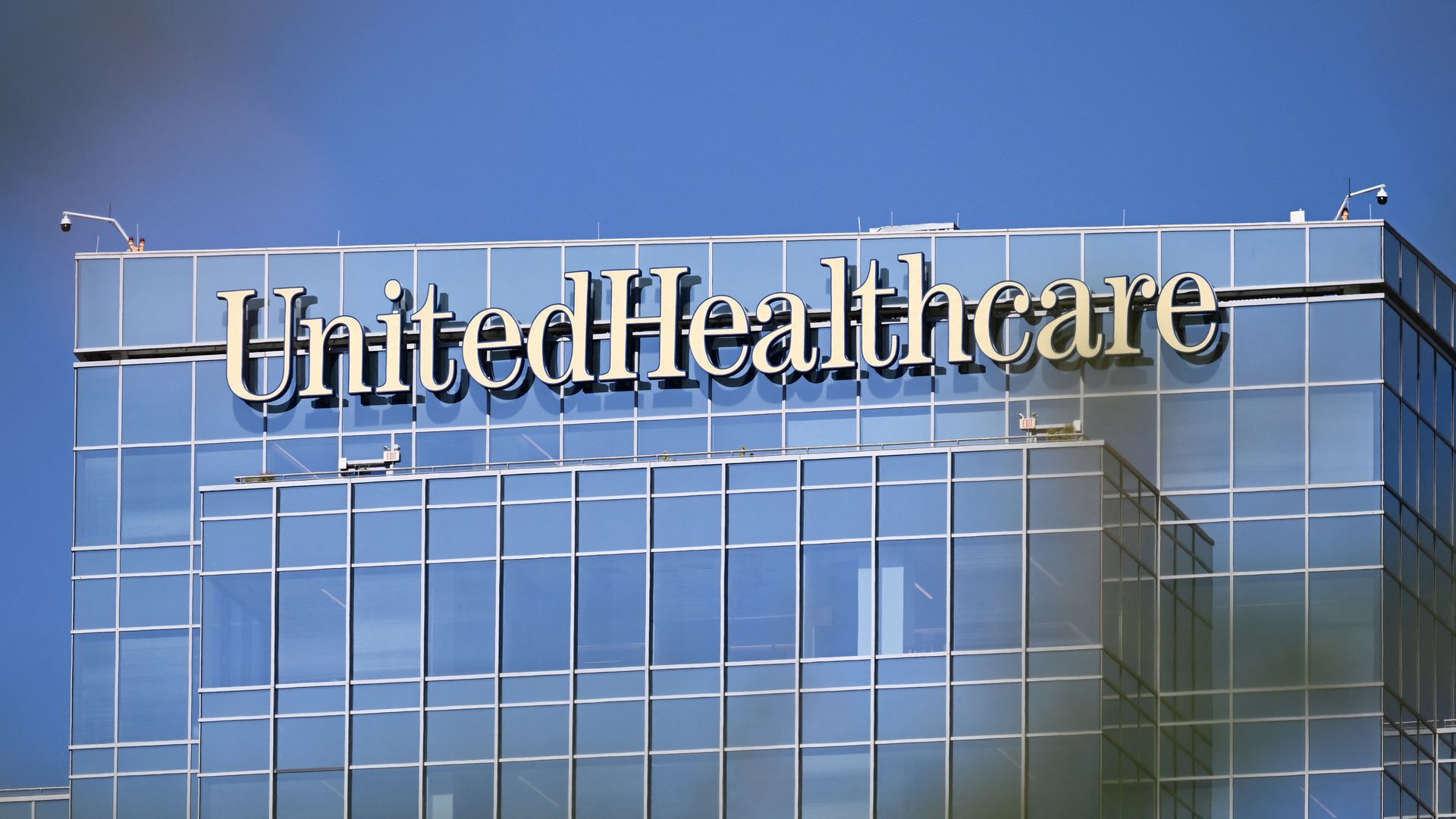
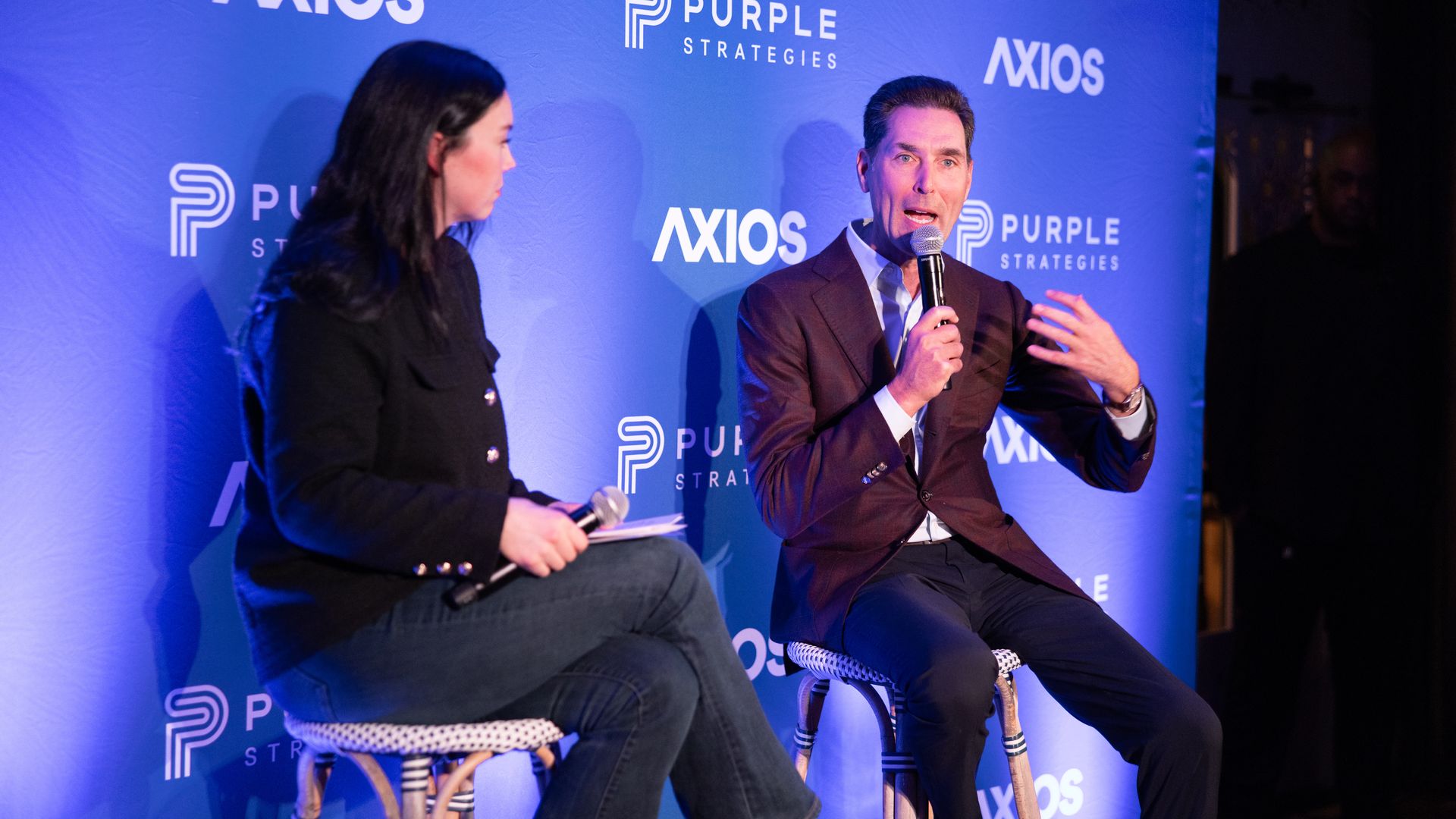
The CEO of the company whose insurance leader was killed in New York pledged to help fix the health care industry while also defending his business and blaming pharmaceutical companies for driving up healthcare costs with drug prices.
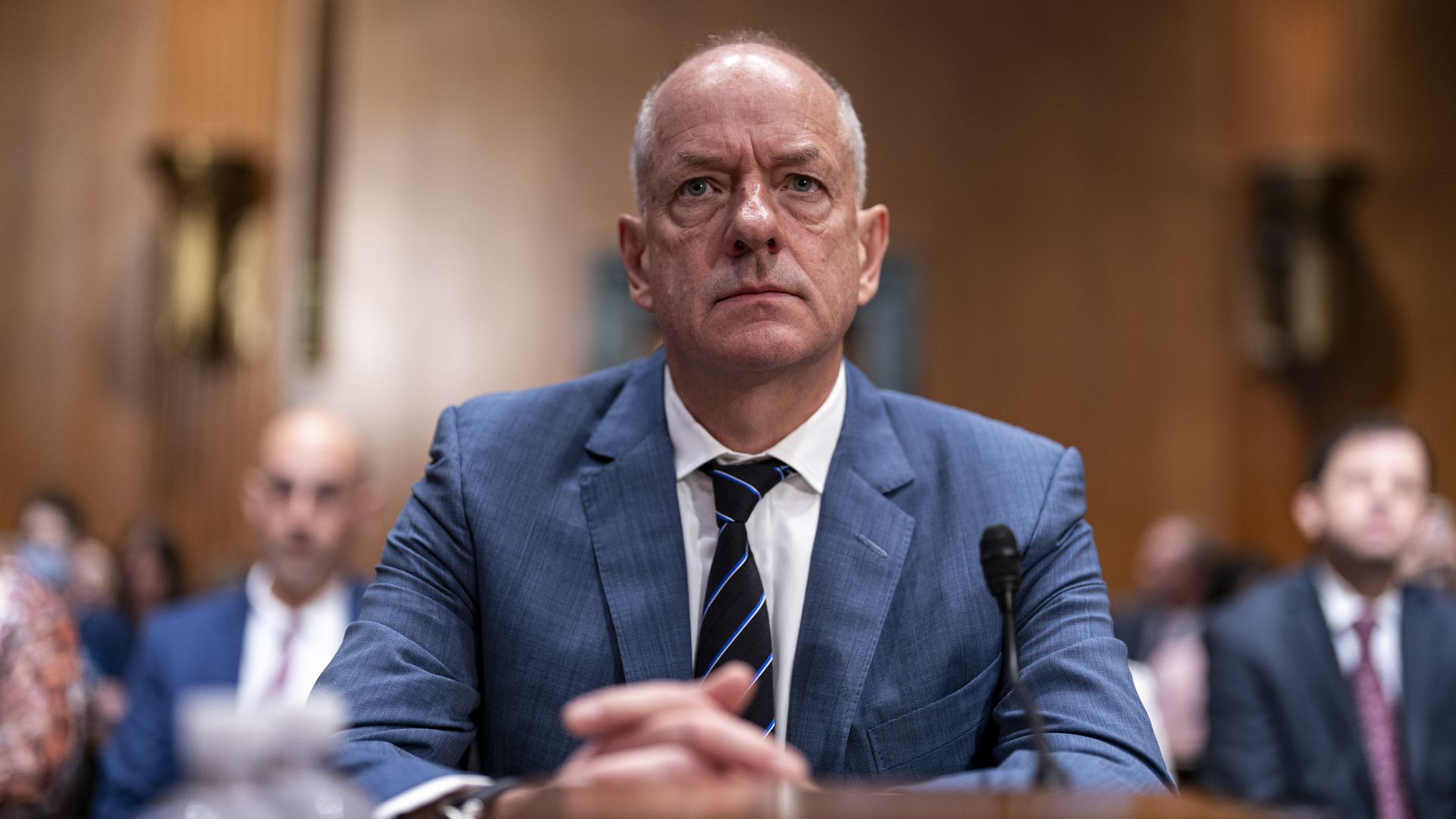
The big picture: UnitedHealth Group CEO Andrew Witty spoke at length Thursday about the brazen public shooting of Brian Thompson — who led the UnitedHealthcare division — and the company's role in the industry.
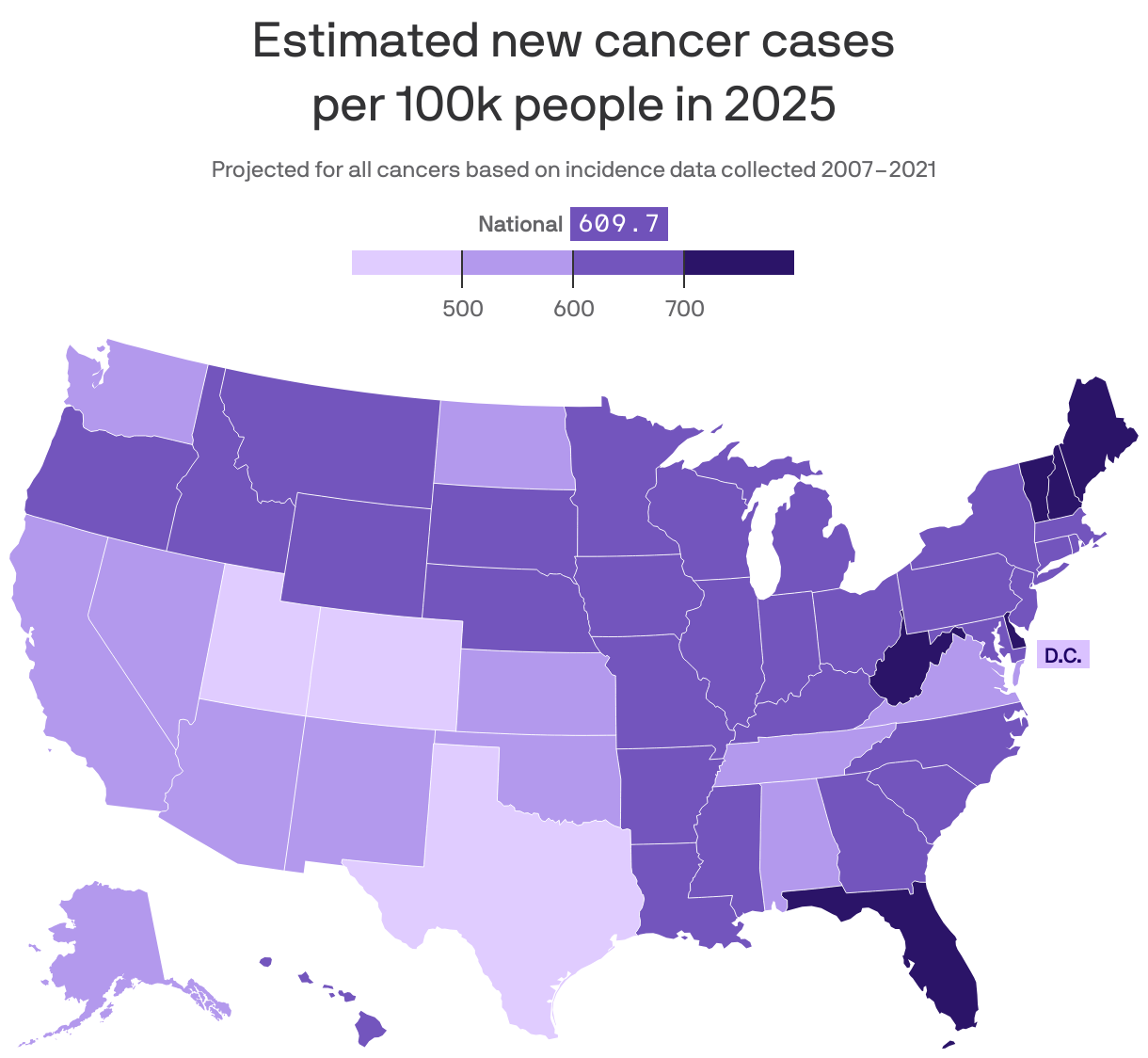
Data: Siegel, et al., "Cancer Statistics, 2025"; Map: Axios Visuals
Cancer incidence young and middle-aged women is rising, driven in part by a growing number of new lung cancer cases that are striking women more than men for the first time, per updated American Cancer Society statistics.
Why it matters: While the data reflects long term gains in reducing cancer deaths, it also shows worrisome ongoing shifts in the burden of disease to women and people under age 65.
The owner of UnitedHealthcare reported record full-year revenue but lower profits for 2024, just weeks after the brazen killing of a top executive inflamed the national ire against insurance companies.
Why it matters: It's the first earnings report for UnitedHealth Group since Brian Thompson's killing in early December sparked a national conversation about the U.S. health care industry's profits and coverage denials.
After several years in the doldrums, pharmaceutical companies and biotechs expect an uptick in dealmaking in 2025, with some positive vibes emanating from the giant J.P. Morgan Healthcare Conference this week in San Francisco.
Why it matters: The mood has been decidedly gloomy the past few years as inflation, high borrowing costs, antitrust oversight and election uncertainty all created doubts about biopharma while AI sucked up all the oxygen.
State Medicaid funding could be on the chopping block this year, forcing politically difficult decisions about a safety net program that serves nearly 73 million Americans.
Why it matters: Republicans already are targeting hundreds of billions of dollars in federal health spending, meaning states likely will have to bear a bigger share of Medicaid program costs and face the prospect of coverage and benefit losses as they work through their own fiscal challenges.
About 73%of 13- to 39-year-olds in the U.S. said they don't support a TikTok ban in a new survey from YPulse, a youth research organization.
Why it matters: The app could go dark as soon as Sunday if the Supreme Court upholds a law that forces a ban if the app is not sold to a U.S. buyer. China-based owner ByteDance sued over the law and hasn't indicated it plans to sell.
Food manufacturers will soon be banned from using the common food additive Red Dye No. 3 under an Food and Drug Administration rule released on Wednesday.
Why it matters: The move comes two years after a petition from consumer advocates including the Center for Science in the Public Interest pointed to studies showing a connection between the dye and increased risk for cancer in rats.
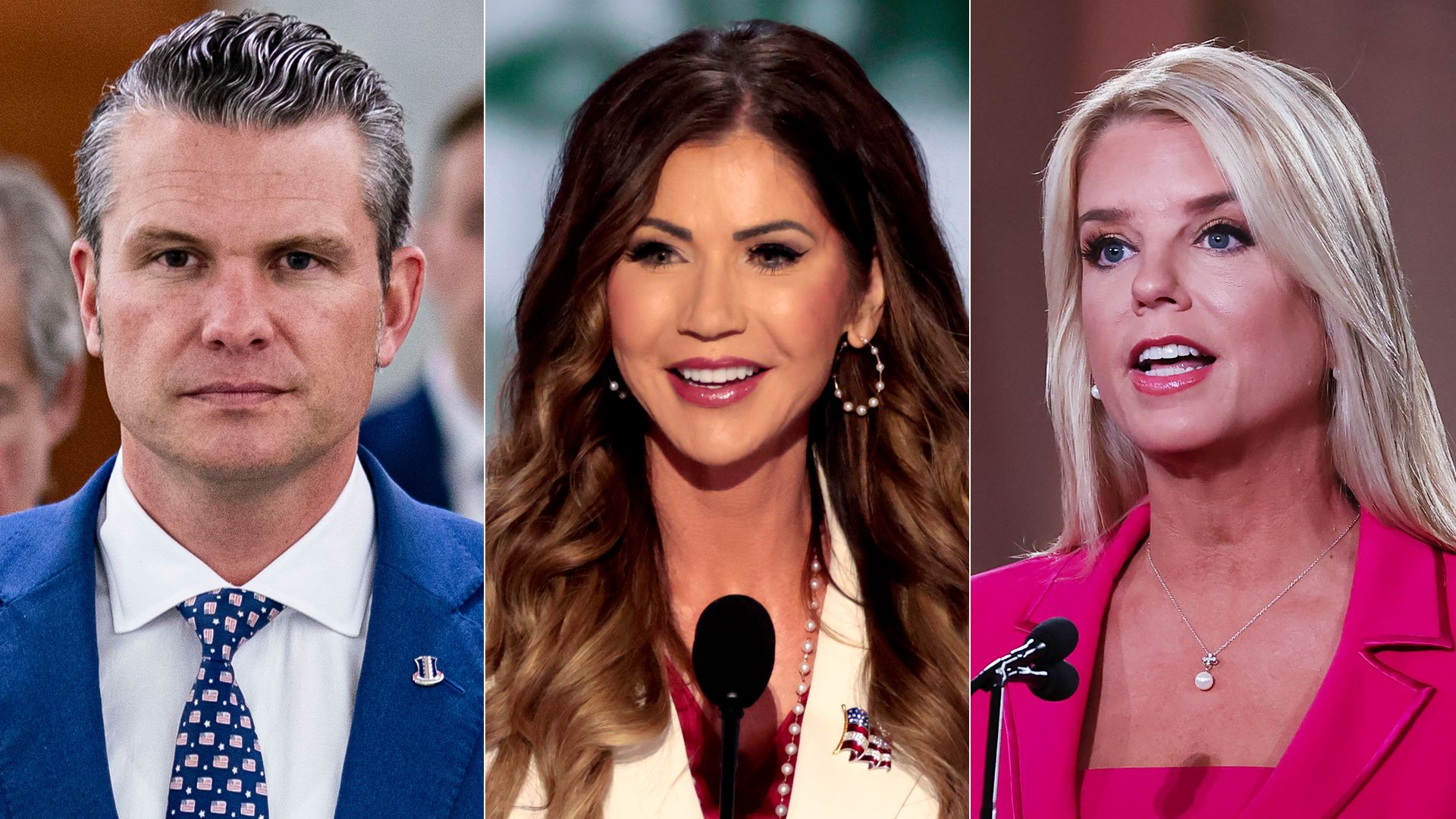
Some ofPresident-elect Trump's highest profile Cabinet picks will be under fresh scrutiny this week as they brace for tough Senate confirmation hearings that could make or break their nominations.
Why it matters: With Democrats looking to create fireworks and the Republican party deeply divided, the hearings could escalate clashes over Trump's most controversial nominees.
UnitedHealth Group is expected to post a sizable profit on Thursday morning when it reports its fourth-quarter and year-end earnings report, despite being hit by a historically costly cyberattack and weathering ever-rising medical costs.
Why it matters: This is the first earnings report and the first time executives of UnitedHealth Group will speak publicly since the killing of UnitedHealthcare CEO Brian Thompson.
Prospect Medical Holdings' road to bankruptcy has eerie similarities to that of Steward Health, another multistate hospital chain formerly owned by private equity.
Why it matters: The parallels — down to the way both chains sold the real estate under their hospitals to the same company and leased it back — raise questions about whether the bankruptcies were the result of bad management or what critics allege is private equity's rush to enrich itself at patients' expense.
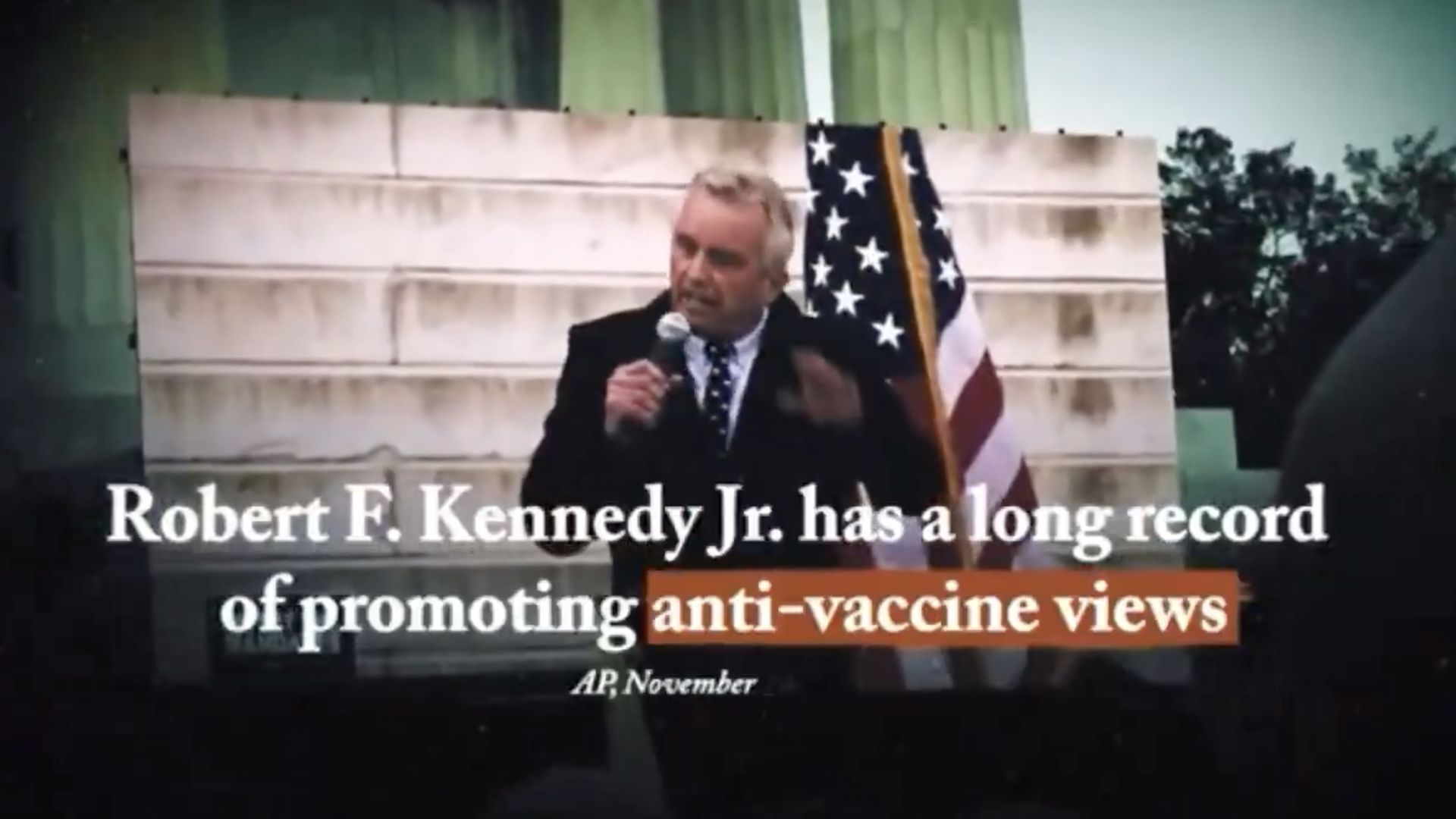
A progressive group that bolstered Robert F. Kennedy Jr. during the 2024 presidential campaign is also supporting a new war room that wants to scuttle his nomination for Health and Human Services Secretary.
Why it matters: The two tracks of support from the Sixteen Thirty Fund — which can accept unlimited and anonymous contributions— show how the dark money group takes a flexible approach to countering President-elect Trump's MAGA agenda.