Pharma companies "really responsible" for drug prices, Brian Thompson's boss says

Add Axios as your preferred source to
see more of our stories on Google.
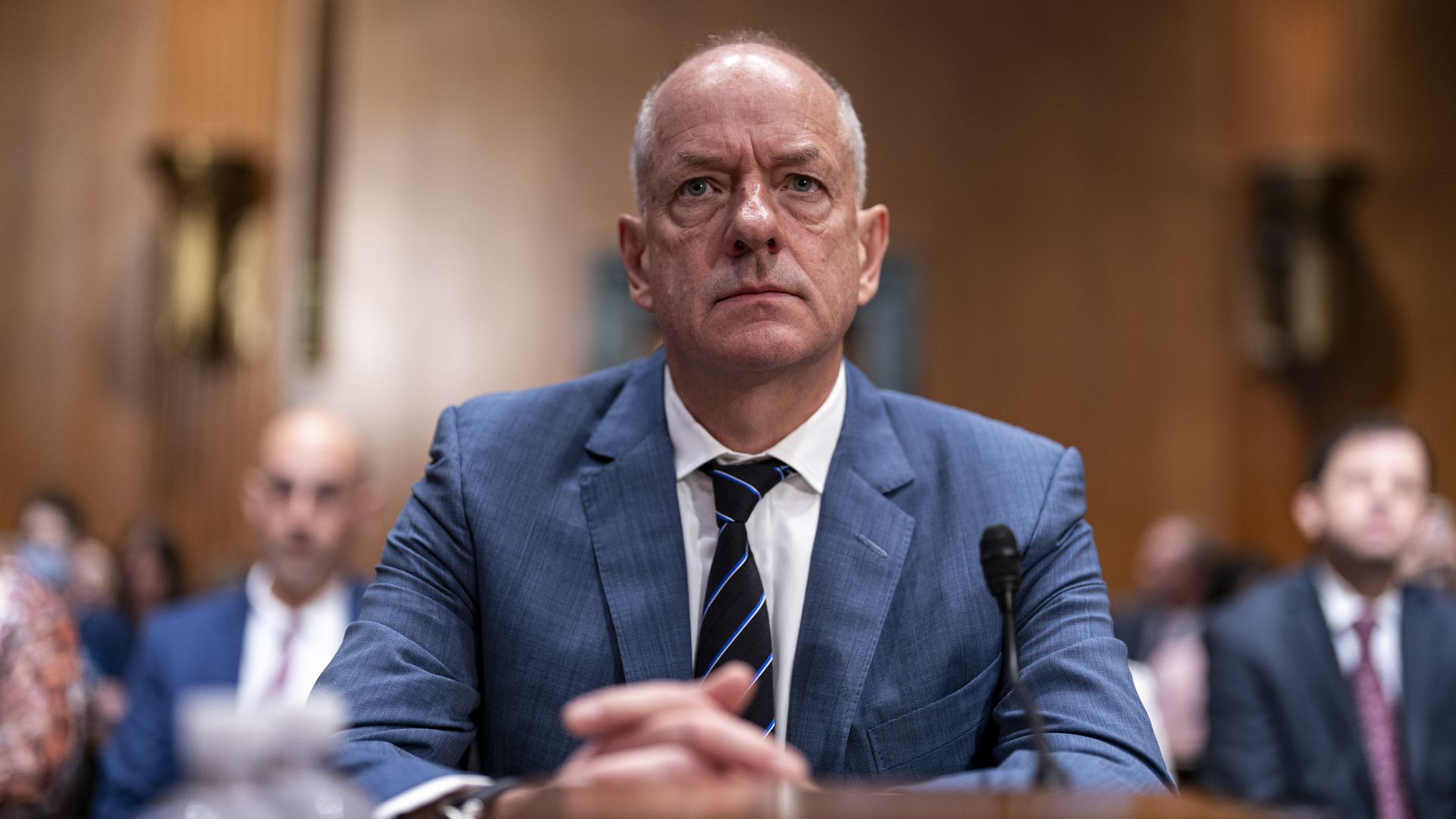
UnitedHealth Group CEO Andrew Witty at a Senate hearing in May. Photo: Al Drago/Bloomberg via Getty Images
The CEO of the company whose insurance leader was killed in New York pledged to help fix the health care industry while also defending his business and blaming pharmaceutical companies for driving up healthcare costs with drug prices.
The big picture: UnitedHealth Group CEO Andrew Witty spoke at length Thursday about the brazen public shooting of Brian Thompson — who led the UnitedHealthcare division — and the company's role in the industry.
- "He devoted his time to helping make the health system work better for all of the people we're privileged to serve," Witty said on the company's first earnings call since the killing.
- "The mission of this company — why we exist — is to improve the system for everybody and help people live healthier lives," he added.
Between the lines: Witty pledged to pass through 100% of the drug rebates negotiated by UnitedHealth Group's pharmacy benefit manager, OptumRx, to customers by 2028, up from the 98% passed through last year.
- "This will help make more transparent who is really responsible for drug pricing in this country: the drug companies themselves," he said.
The other side: Critics say PBMs serve as an unnecessary middleman, driving up prescription costs for patients.
- "Patients are paying more than they should and facing barriers to care because middlemen are using medicines as a profit center," drug industry association PhRMA says on its website.
- In Washington, PBMs are facing bipartisan scrutiny, Axios Pro: Health Care Policy reports.
Context: Witty's comments came after Thompson's death in early December sparked a national conversation about the health care industry's profits and coverage denials.
- He acknowledged Thursday that sometimes "people get frustrated about how long it takes for a claim to process" but said that less than 0.5% of claims are rejected for clinical reasons.
- And he said the "overwhelming majority" of claims that are rejected are sent to the wrong place, don't have the appropriate information or "the patient didn't have the right benefits."
- These issues "could all be dealt with through technology and a more standardized approach across the industry," which he said UnitedHealthcare is pursuing.
The intrigue: Witty is a former CEO of British drug company GSK. During his tenure there, he told CNBC he was "not, for a second, going to sit here and defend any historical pricing position."
- "[Drug] pricing always has to be taken in a very responsible mindset to get the balance right between access and reward for innovation," he said then.
- He also vowed at the time to provide cheaper medicine for people in the developing world.
