Wednesday's health stories


Corporate leaders likely to boost security after United Healthcare exec gunned down

Firms that provide security to executives are bracing for an influx of calls after the head of UnitedHealthcare, Brian Thompson, was shot and killed yesterday in what appeared to be a targeted attack in midtown Manhattan.
Why it matters: It's not uncommon for high-profile executives to hire security guards. Thompson, however, was a relative unknown and had no protection.

Key events that led to SCOTUS case on gender-affirming care


Bans on gender-affirming care for youth went from being a political nonstarter to a top priority for GOP legislators with the Supreme Court hearing oral arguments on Wednesday in a pivotal case on the issue.
The big picture: In the three years since the first state legislative ban on youth gender-affirming care was passed in 2021, such legislation has taken effect in 26 states, per the Human Rights Campaign.
UnitedHealthcare CEO Brian Thompson killed in "targeted" NYC shooting

The CEO of insurance company UnitedHealthcare was shot and killed in a broad daylight attack in New York City early Wednesday.
What's happening: Brian Thompson, 50, who led the insurance division of UnitedHealth Group, died after a masked man fired at him repeatedly outside of a midtown Manhattan Hilton around 6:40 a.m.

FDA streamlines approval of AI-powered devices

The Food and Drug Administration on Tuesday finalized recommendations aimed at simplifying the process for approving medical devices that use artificial intelligence.
Why it matters: Regulators increasingly are evaluating AI-powered medical devices.
- Artificial intelligence and machine learning has the potential to improve health care by ingesting real-world data and adapting it to new circumstances in real time.
- But ensuring that AI-powered medical devices remain safe and effective is burdensome for both the FDA and manufacturers.
- "This guidance is intended to provide a forward-thinking approach to promote the development of safe and effective AI-enabled devices," the FDA memo says.
Zoom in: The first-time guidelines outline that manufacturers can seek approval to make changes to their AI-enabled products without having to file a new submission to show the device is safe and effective.
- The plan is submitted to FDA along with a marketing approval application that outlines modifications that will be made and how those changes will be assessed.
- Regulators said manufacturers should include descriptions of planned changes to the device, outline the testing needed to make sure the device remains safe and effective, and a risk-mitigation strategy.
- FDA proposed initial guidelines in April 2023.
Reality check: The guidelines are recommendations, not legally enforceable requirements.
Hospital billing practices won billions in extra payments, study finds

Hospitals received billions of dollars in extra payments from insurers and government programs over a nine-year period by billing for higher-intensity care than what would be expected, according to a new study.
Why it matters: The findings argue for reconfiguring hospital payments that now are based on diagnosis and encourage organizations to game the system, according to the RAND study published in Health Affairs.

Trump's immigration crackdown could reduce caregiving workforce

Some of the earliest and lasting effects from President-elect Trump's promised immigration crackdowns would be in home health and long-term care, both of which rely on a substantial number of immigrants and undocumented workers.
Why it matters: Reducing an already thin labor market could have serious ramifications for aging adults or those with disabilities — and potentially put more stress on family caregivers.

Red light therapy is pretty good, but not a cure-all

Red light is one type of light doctors aren't shielding us from.
Why it matters: It's a therapy surging in popularity, especially for the treatment of wrinkles and acne. Red light therapy has also shown promise in a variety of other areas, including wound healing, pain management and cancer care.
Doctors say it's generally safe to use.
- "It can be used across a variety of skin types, even in the most sensitive individuals," says dermatologist Joshua Zeichner of Mount Sinai Hospital in New York.
Yes, but: Amit Om, a dermatologist in Charlotte, North Carolina, told Axios, he doesn't recommend it to anyone with photosensitizing conditions, like lupus. People with melasma also might not benefit.
How it works: LED light directed at the skin triggers a process called photobiomodulation, a noninvasive way to stimulate certain cells that rejuvenate skin.
- That's what stimulates collagen to reduce wrinkles and scarring.
Fun fact: NASA was a red light therapy pioneer.
Reality check: While red light can improve the appearance of skin, "it's not powerful enough to replace anything that we currently have," Om told Axios.
- In other words, red light can plump aging skin, but don't expect Botox-like results. In most cases, a doctor recommends red light therapy to complement other treatment options.
- Also, at-home red light devices require use at least several times a week or daily.
Another caveat: Devices you buy for home use won't give you the same results as an in-office laser treatment, Samantha Karlin with the American Academy of Dermatology told Axios.
Before buying a red light device, you can check the U.S. Food and Drug Administration's database for clearance claims.
- Low-level light devices can only be "cleared," not "approved," according to the way FDA categorizes medical devices.
Zoom out: Red light is one type of several LED therapies. Blue light is another option that is best for acne-prone skin because it can reduce levels of acne-causing bacteria.
- Blue light is also used in neonatal intensive care units to prevent jaundice.
- A note for people with darker skin tones: Blue light may worsen hyperpigmentation.
What's next: Red light therapy will likely shine brighter in 2025.
- Praveen Arany, who has been studying how light can help heal wounds, predicts we'll see more red light uses for post-surgical healing, more athletes using it to improve performance, and more at-home devices in various forms like helmets and panels.
- "It is a fantastic new type of treatment," but do your research before buying in, Arany cautions. "The marketing is all over the place."
More from Axios:

Trump's DEA pick withdraws from consideration

President-elect Trump's pick to run the Drug Enforcement Administration (DEA), Chad Chronister, said Tuesday he's withdrawing his name from consideration for the role.
The big picture: Some conservatives criticized the nomination three days ago because of the Tampa-area sheriff's decision to enforce COVID lockdowns during the pandemic.
Pivotal gender-affirming care case reaches SCOTUS
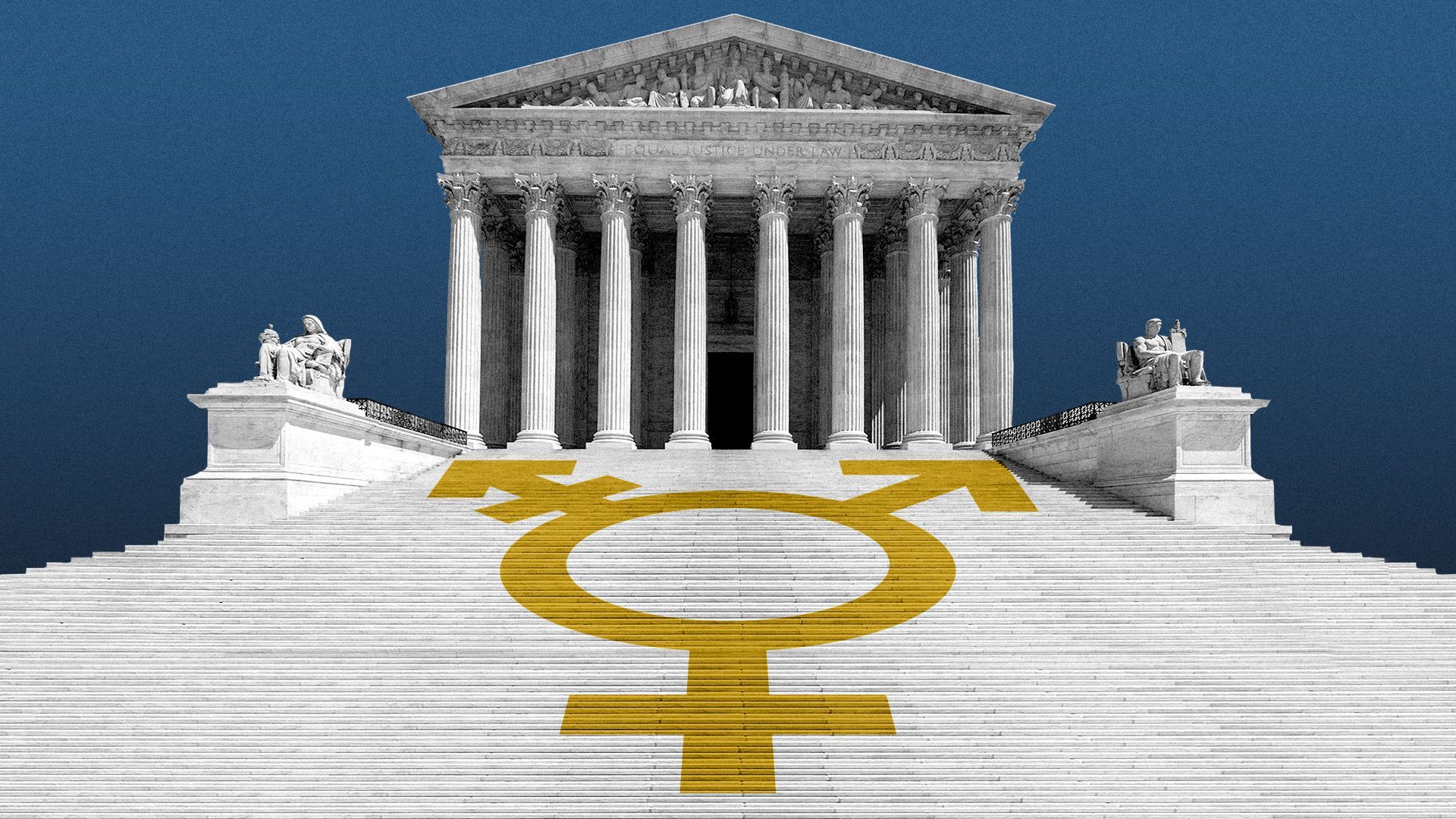
The Supreme Court on Wednesday will hear arguments in a pivotal transgender discrimination case surrounding whether Tennessee unconstitutionally banned gender-affirming care for minors.
Why it matters: 26 states have passed bans on gender-affirming care, and a ruling in Tennessee's favor could persuade more to do so, with major implications for trans youths.