Red light therapy is pretty good, but not a cure-all

Add Axios as your preferred source to
see more of our stories on Google.
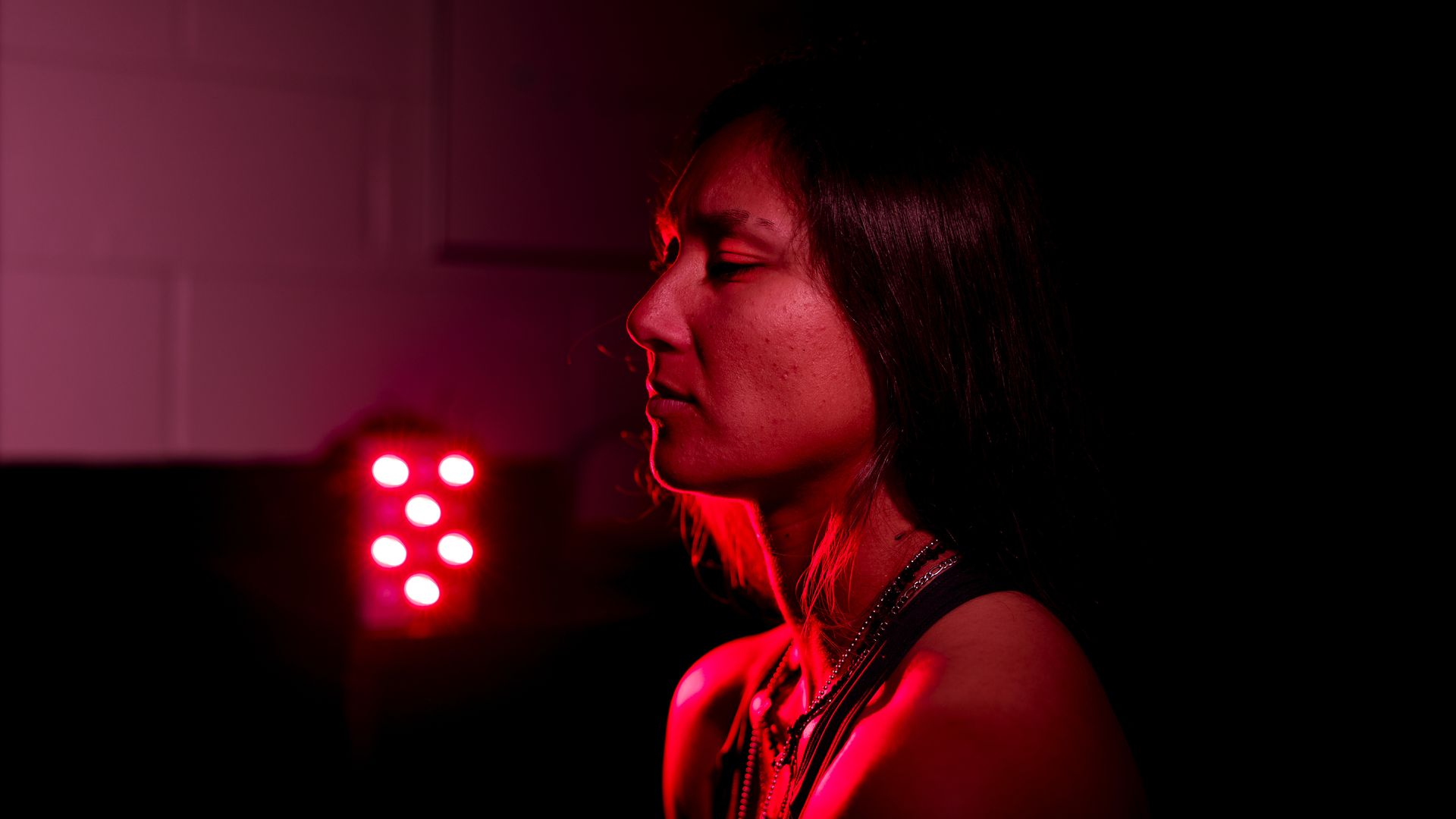
Kelsie Whitmore uses red light therapy in her locker room at Richmond County Bank Ball Park in September 2022 in Staten Island, N.Y. Photo: Al Bello/Getty Images
Red light is one type of light doctors aren't shielding us from.
Why it matters: It's a therapy surging in popularity, especially for the treatment of wrinkles and acne. Red light therapy has also shown promise in a variety of other areas, including wound healing, pain management and cancer care.
Doctors say it's generally safe to use.
- "It can be used across a variety of skin types, even in the most sensitive individuals," says dermatologist Joshua Zeichner of Mount Sinai Hospital in New York.
Yes, but: Amit Om, a dermatologist in Charlotte, North Carolina, told Axios, he doesn't recommend it to anyone with photosensitizing conditions, like lupus. People with melasma also might not benefit.
How it works: LED light directed at the skin triggers a process called photobiomodulation, a noninvasive way to stimulate certain cells that rejuvenate skin.
- That's what stimulates collagen to reduce wrinkles and scarring.
Fun fact: NASA was a red light therapy pioneer.
Reality check: While red light can improve the appearance of skin, "it's not powerful enough to replace anything that we currently have," Om told Axios.
- In other words, red light can plump aging skin, but don't expect Botox-like results. In most cases, a doctor recommends red light therapy to complement other treatment options.
- Also, at-home red light devices require use at least several times a week or daily.
Another caveat: Devices you buy for home use won't give you the same results as an in-office laser treatment, Samantha Karlin with the American Academy of Dermatology told Axios.
Before buying a red light device, you can check the U.S. Food and Drug Administration's database for clearance claims.
- Low-level light devices can only be "cleared," not "approved," according to the way FDA categorizes medical devices.
Zoom out: Red light is one type of several LED therapies. Blue light is another option that is best for acne-prone skin because it can reduce levels of acne-causing bacteria.
- Blue light is also used in neonatal intensive care units to prevent jaundice.
- A note for people with darker skin tones: Blue light may worsen hyperpigmentation.
What's next: Red light therapy will likely shine brighter in 2025.
- Praveen Arany, who has been studying how light can help heal wounds, predicts we'll see more red light uses for post-surgical healing, more athletes using it to improve performance, and more at-home devices in various forms like helmets and panels.
- "It is a fantastic new type of treatment," but do your research before buying in, Arany cautions. "The marketing is all over the place."
More from Axios:
