Thursday's health stories

Axios House: Climate change is creating a human health crisis

NEW YORK – Climate change is increasingly recognized as a global health crisis, said attendees at an Axios House Expert Voices roundtable on Sept. 23.
The details: Health care and climate leaders gathered for a private roundtable at Axios House during Climate Week and UNGA to discuss sustainable innovation within the healthcare system.
- Axios health care reporter Maya Goldman and host/editor Niala Boodhoo moderated the event, which was sponsored by Philips.
Climate change is a "human health crisis," said Climeworks global head of healthcare partnerships Hussein Dhanani. "0.2 degrees has a big impact on human life."
As much as climate change impacts people's health, Philips global head of sustainability Robert Metzke noted that "health care is also extremely polluting and contributing" to the issue.
- Emmie Mediate, U.S. chief program officer for Health Care Without Harm, said the healthcare industry is "used as the exception" by the fossil fuel industry.
- Companies often say that plastics save lives, and fossil fuels are essential to treat patients. "That is certainly true to an extent, but we can't let ourselves off that easy," she said.
- "Of course, we want to continue to provide care to patients and that's going to take energy to do that. We don't want to deny anyone care…during this transition process. But that doesn't mean we shouldn't try to get to a place and we shouldn't let ourselves off just to sort of give the fossil fuel industry that excuse."
Health care systems around the world are "under-resourced [and] overstretched," said Pam Cheng, AstraZeneca's EVP of Global Operations and IT and chief sustainability officer. However, early disease detection and treatment can help alleviate some of that burden on the system and environment, said Pam Cheng, AstraZeneca's EVP of Global Operations and IT and chief sustainability officer.
- The climate crisis "impacts quite a bit disproportionately the underserved population in certain geographies."
- "If we can keep the patients out of the hospital…it's better for the patients, it's better for the system and it's better for the environment."
When it comes to government regulations helping usher health care into a sustainable future, HHS Office of Climate Change and Health Equity director John Balbus said until the "industry is ready to accept regulations, those regulations will not be successful."
- "The role of the government is to show the way, is to document success, is to create community of practices, is to develop technical assistance, is to create the models and document that they work, and move towards a setting where we understand the optimal practice and it's generally accepted to the point where we're making it a requirement where everybody will succeed."
AI is transforming every sector, including health care, but it doesn't come without its own environmental risks.
- "There's so much possibility and hype around AI, but not enough discussion about the energy consumption needed to drive it," said National Academy of Medicine president Victor Dzau.
- Cornell Tech's Health Tech Hub clinical innovation director Chethan Sarabu said the rapid pace the industry is implementing AI highlights the importance of prioritizing sustainability.
- "Focusing on 'how do we sustainably advance healthy AI', I think is a critical care and important aspect of the time we're in," Sarabu said.
- He suggested that health care systems could pledge that "all of [their] new AI initiatives need to come from renewable energy" to balance the need to innovate while also being sustainably-minded.


Free COVID tests available to order again from government

U.S. households can order four free COVID-19 tests from the federal government with the Sept. 26 relaunch of the at-home test distribution program.
The big picture: High or very high levels of the virus are still present in some parts of the U.S., even though the summer COVID surge has decreased over half the country.
Ending ACA subsidies could affect 2 million chronically ill
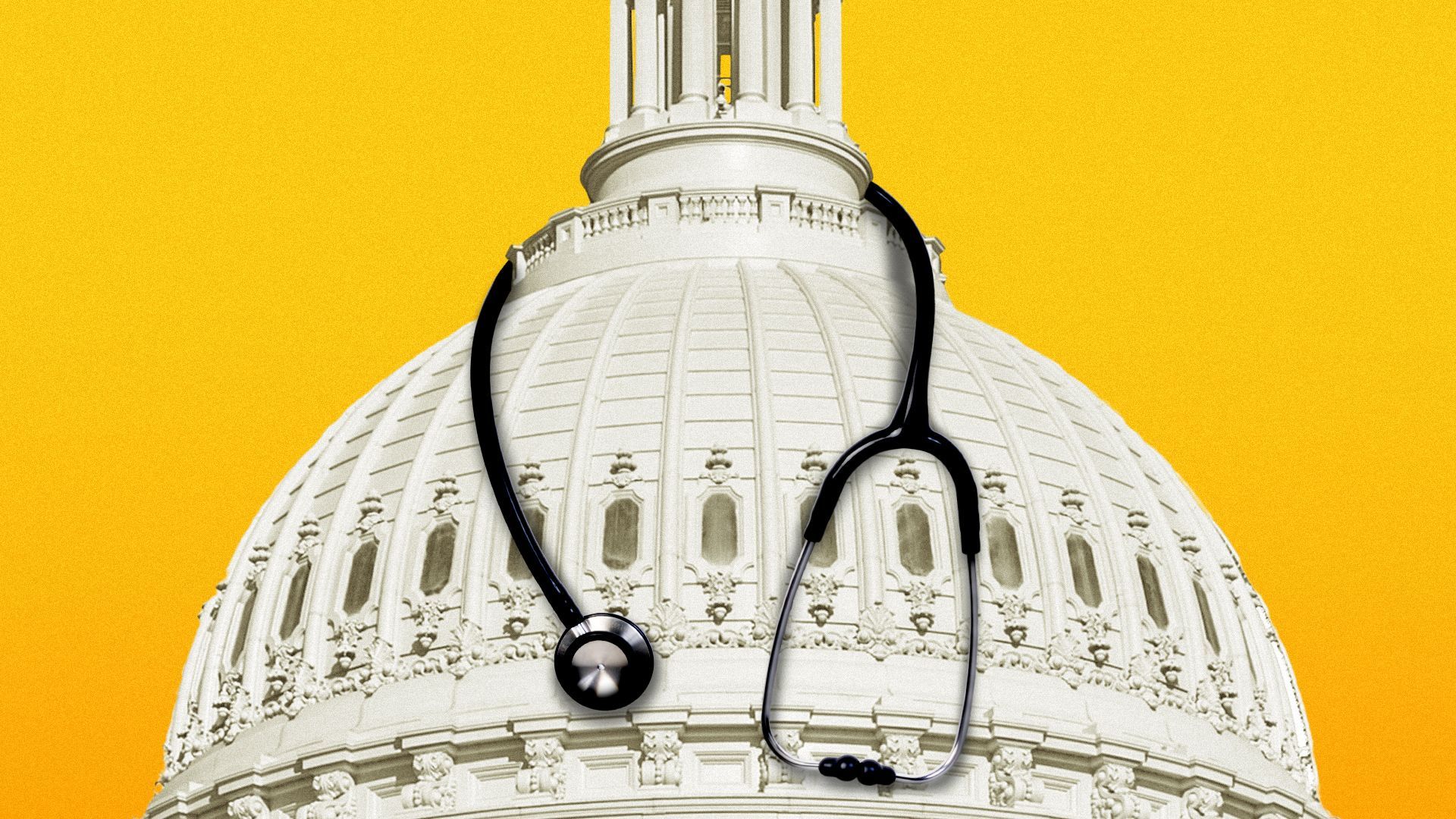
A decision by Congress to let enhanced Affordable Care Act subsidies expire next year could leave 2 million people with chronic conditions uninsured, a new analysis from consulting firm Oliver Wyman shows.
Why it matters: The fate of the subsidies is shaping up to be one of the biggest health care issues facing the next Congress.
Ozempic linked to drop in opioid overdose risk: study

The active ingredient in the popular diabetes and obesity drugs Ozempic and Wegovy could be linked to a drop in opioid overdoses, a study published in JAMA Network Open found.
Why it matters: It's the latest evidence that buzzy drugs known as GLP-1s could be used to address psychiatric disorders, including addiction.

FDA eyes first schizophrenia drug shift in decades
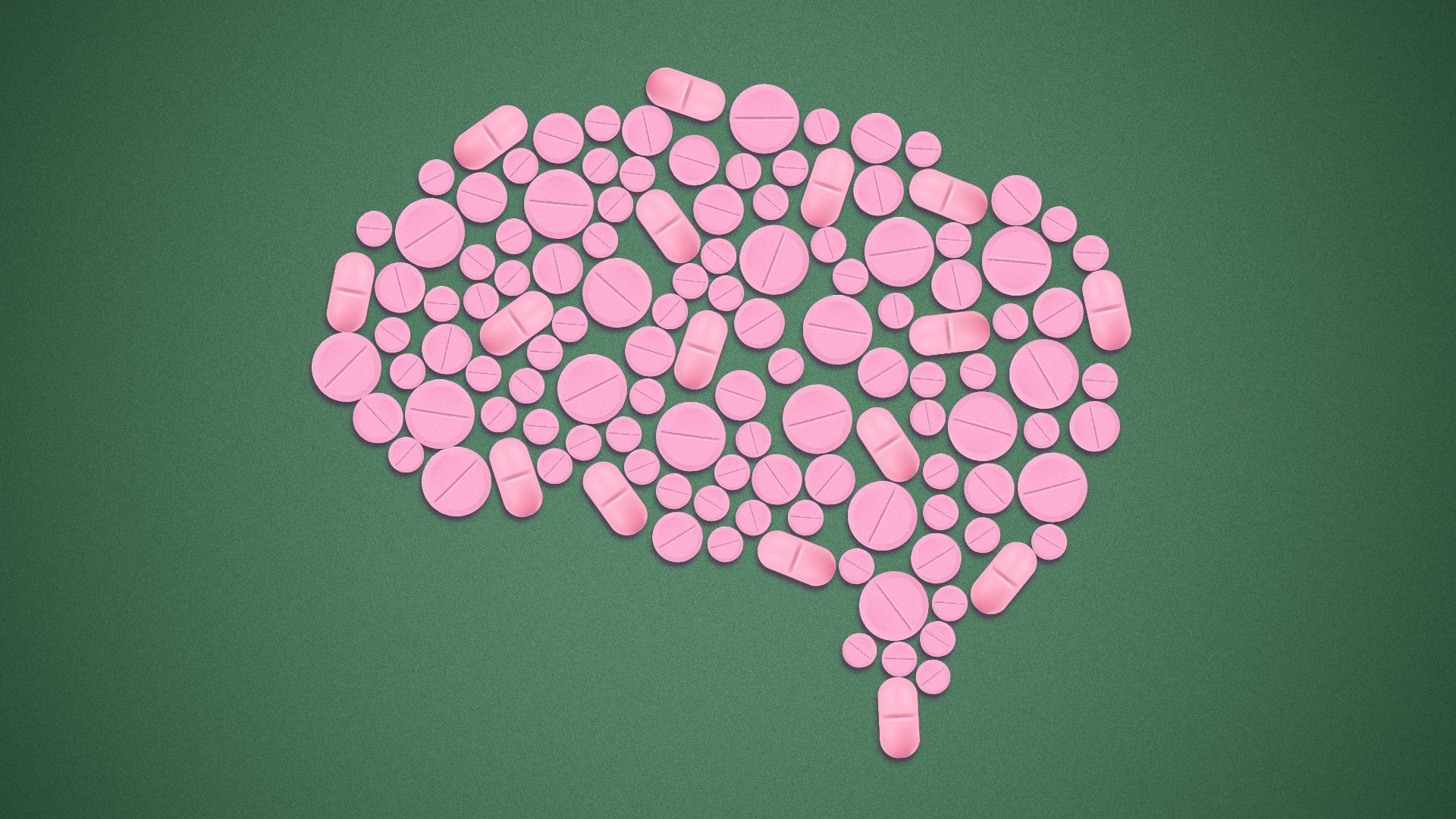
The Food and Drug Administration is slated to decide Thursday whether to approve the first new schizophrenia drug in at least three decades.
Why it matters: The complex condition is currently treated with antipsychotics that carry safety risks like metabolic disorders, cause weight gain and often cause people to stop taking their medications.
About one-third of youth are nearsighted — rising figure, new study says
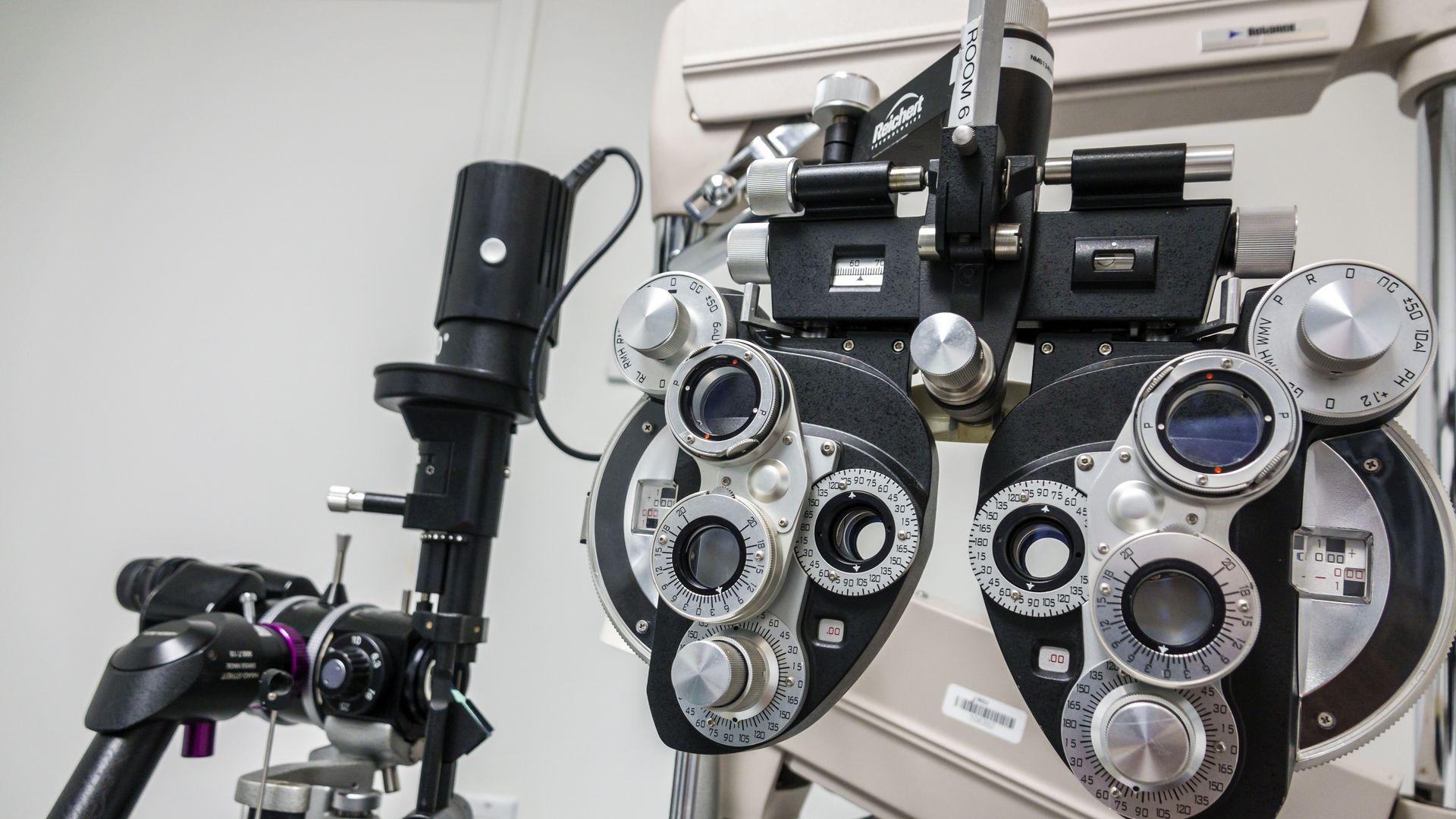
Approximately one-third of children and teens worldwide are nearsighted — a figure that's more than three times higher than it was in 1990, according to a study published on Tuesday in the British Medical Journal.
The big picture: This figure is expected to reach nearly 40% by 2050, which should inform public health policy and prevention measures, researchers wrote.

Sanofi reportedly gets PE bids for consumer health unit

French pharma giant Sanofi received binding offers for its consumer health business from private equity firms PAI Partners and Clayton Dubilier & Rice, with expectations that a deal would be worth at least €15 billion, per Bloomberg.
Why it matters: This would be the year's second-largest European private equity deal, behind KKR's deal for Telecom Italia assets, and largest in France.

AI's latest trick: Repurposing old drugs for rare diseases
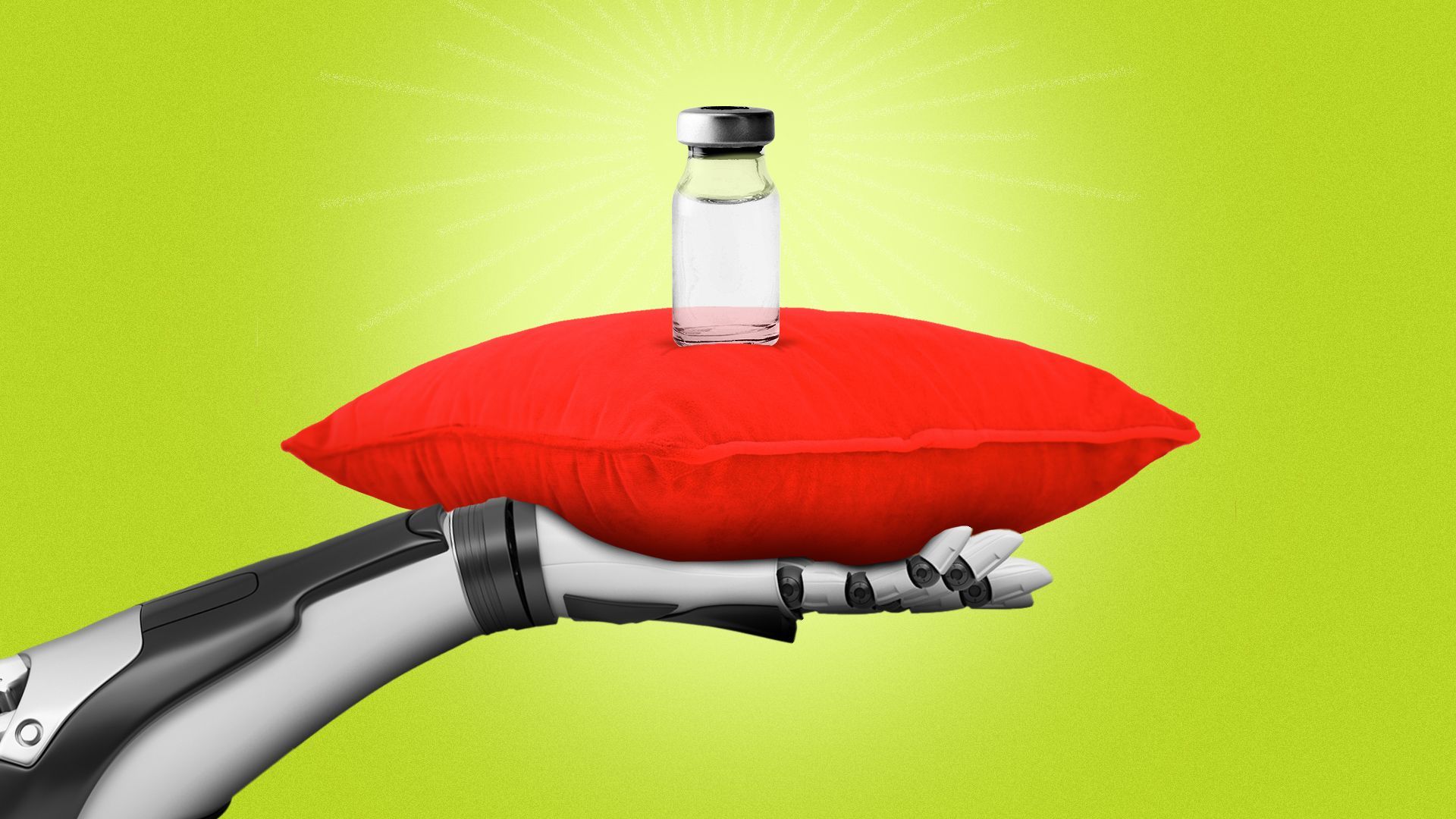
A new artificial intelligence tool could supercharge efforts to find new uses for old drugs, particularly rare diseases without a Food and Drug Administration-approved treatment.
The big picture: The Harvard Medical School researchers behind the tool, called TxGNN, write today in Nature Medicine that it can identify candidates for 17,000 conditions — the largest number of diseases that any single AI model can handle to date.
988 begins routing calls based on location

The 988 national suicide hotline has started routing calls to answering centers based on the location of the call, the Health and Human Services Department announced Wednesday.
Why it matters: Since its launch in 2022, calls to 988 have been routed to crisis centers based on area code. But many people keep their cellphone number after moving to a new region.