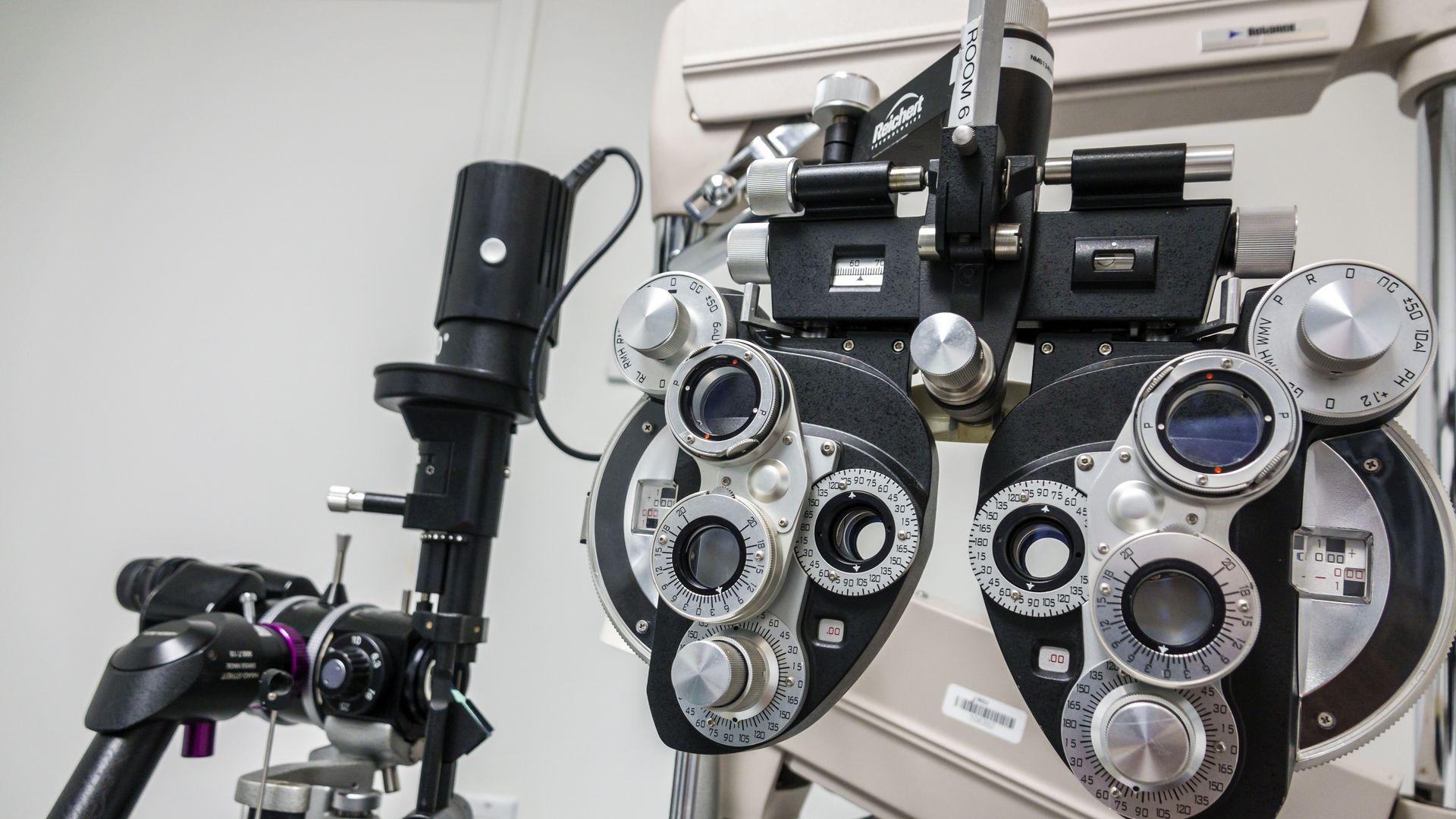
Approximately one-third of children and teens worldwide are nearsighted — a figure that's more than three times higher than it was in 1990, according to a study published on Tuesday in the British Medical Journal.
The big picture: This figure is expected to reach nearly 40% by 2050, which should inform public health policy and prevention measures, researchers wrote.
French pharma giant Sanofi received binding offers for its consumer health business from private equity firms PAI Partners and Clayton Dubilier & Rice, with expectations that a deal would be worth at least €15 billion, per Bloomberg.
Why it matters: This would be the year's second-largest European private equity deal, behind KKR's deal for Telecom Italia assets, and largest in France.
A new artificial intelligence tool could supercharge efforts to find new uses for old drugs, particularly rare diseases without a Food and Drug Administration-approved treatment.
The big picture: The Harvard Medical School researchers behind the tool, called TxGNN, write today in Nature Medicine that it can identify candidates for 17,000 conditions — the largest number of diseases that any single AI model can handle to date.
The 988 national suicide hotline has started routing calls to answering centers based on the location of the call, the Health and Human Services Department announced Wednesday.
Why it matters: Since its launch in 2022, calls to 988 have been routed to crisis centers based on area code. But many people keep their cellphone number after moving to a new region.
The number of kids enrolled in Medicaid has decreased by more than 5.5 million in the last 18 months, and only a small percent of those losing coverage were enrolled in a sister program designed to be a safety net for uninsured children.
Why it matters: It illustrates how paperwork hassles, technicalities and differing state policies create significant coverage gaps among working-class families as states finish purging their Medicaid programs now that pandemic-era coverage requirements have ended.
Schools across the U.S. have been rocked by a spate of false threats of violence in recent weeks, forcing them to evacuate or temporarily close.
Why it matters: Threats of bombs, shooters and other dangers disrupt learning and stir community-wide anxiety about school safety. Responding to them can also be expensive and time-consuming for local governments and law enforcement.
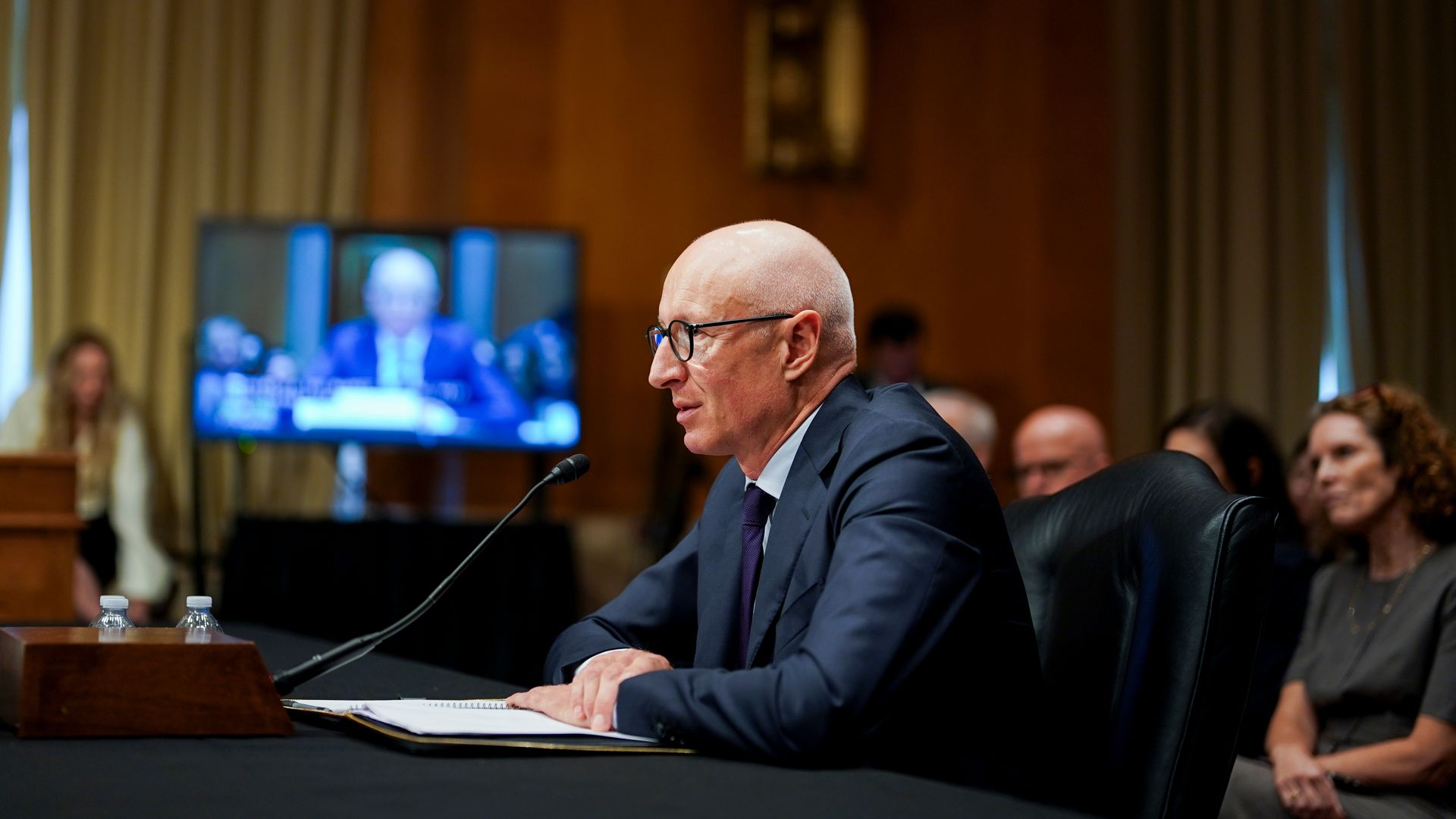
The chief executive of the company behind Ozempic and Wegovy blamed insurers and middlemen for the high costs of weight-loss drugs in the U.S. during a congressional testimony on Tuesday.
Why it matters: Lars Fruergaard Jørgensen, who leads drug manufacturer Novo Nordisk, passed along accountability for access to these medications while being questioned about his company's role in setting prices.
Nearly 1 in 5 U.S. counties lacked opioid treatment programs or any office-based providers of buprenorphine, which reduces the risk of future overdoses, according to a federal review of whether drugs for opioid abuse are reaching areas of greatest need.
Why it matters: It's the latest sign that many Americans in the throes of the addiction crisis aren't getting access to potentially life-saving treatments.
Health data startup Particle Health sued electronic health records giant Epic Systems for federal antitrust violations on Monday, charging it uses its control over troves of patient records to stifle competition.
Why it matters: About 36% of hospitals use Epic for their EHRs, and Particle estimates in its lawsuit that as many as 94% of American patients have at least one record stored in an Epic EHR.