The informational pamphlet that will be sent to Arizona voters this fall will call fetuses "unborn human beings" in the description of a citizen initiative that would restore Roe-era abortion protections.
Why it matters: Abortion rights advocates say the language is biased and meant to confuse and scare voters.
The World Health Organization on Wednesday declared the deadly new form of mpox spreading through parts of Africa a global health emergency.
Why it matters: The outbreak is more serious than the mpox epidemic that blanketed the world in 2022 and 2023, and this emergency designation could accelerate the sharing of vaccines and other countermeasures with affected nations.
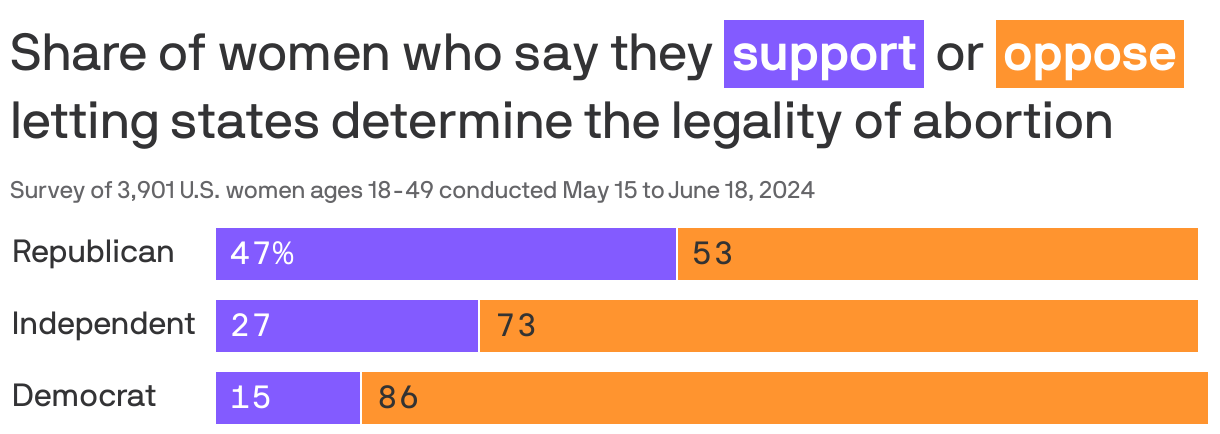
Data: KFF; Note: Includes those who say they strongly or somewhat support or oppose; Chart: Axios Visuals
About 7 in 10 women in Florida and Arizona say abortion should be legal in all or most cases, according to a new KFF Women's Health Survey.
Why it matters: The survey offers a glimpse at sentiments held in the two closely watched states where abortion rights measures will be on the ballot this November.
The confidential nature of the Biden administration's drug price negotiations has made theprocess and outcome of thelong-sought Democratic policy goal something of a mystery.
Why it matters: The administration is expected to announce the results of those negotiations this week, and there's plenty of speculation about the actual savings that will be realized starting in 2026 — and how aggressive the Biden administration got on pharma in an election year.
Federal officials are expanding their testing for bird flu in slaughterhouses, specifically focusing on removing infected dairy cattle that were being culled for consumption, they told reporters on Tuesday.
Why it matters: It's part of ongoing efforts to ensure the food supply remains safe as officials race to tamp down the spread of the virus among dairy herds and poultry farms.
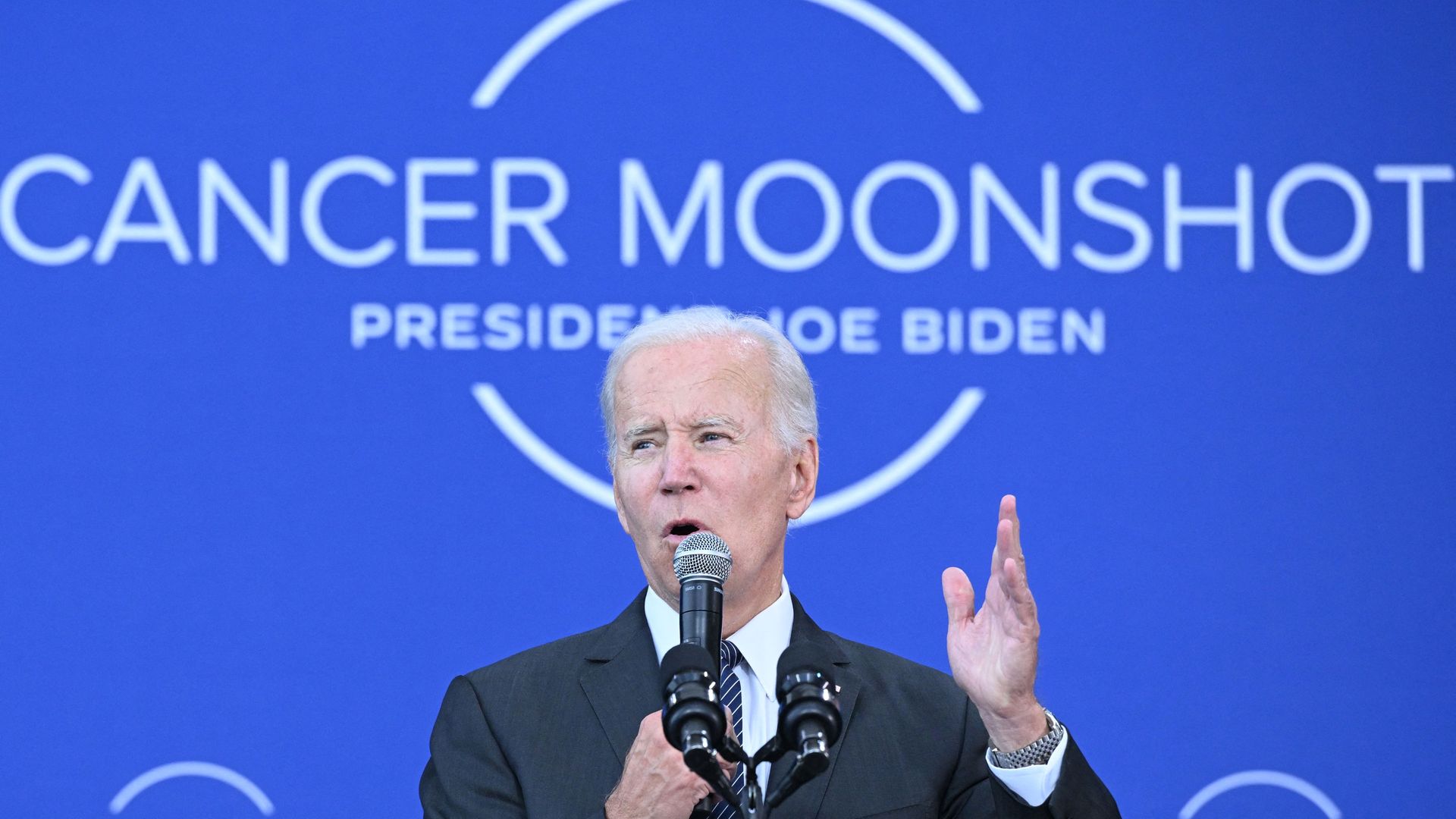
President Biden and first lady Jill Biden are visiting New Orleans on Tuesday to promote his cancer "moonshot," which aims to "end cancer as we know it."
Why it matters: Biden now has about four months instead of four years to cement his health care legacy since he withdrew from running for a second term.
Thirty-two states are experiencing a summertime surge of COVID-19, with infections growing or likely growing based on emergency room visits, according to updated CDC estimates.
Why it matters: Emergency visits for COVID have crept upward since the first half of May, coinciding with a busy travel season and more people congregating indoors to avoid extreme heat.
Connecticut, Hawai'i and Nevada were the only states with rates declining or likely declining.
Southern states — including Georgia, Kentucky and South Carolina — had some of the highest probabilities that the outbreak is spreading, the CDC estimated.
Doctors at hospitals in large cities around India pledged to strike indefinitely and halt elective procedures after the rape and murder of a medic in a state-run hospital, CBS News reported.
Why it matters: While other labor actions among health care workers around the world have pushed for improved pay or labor conditions, this strike is calling for better workplace security as well as justice for the 31-year-old health care worker.
The demands included a specialized law protecting health care workers from violence on the job and security measures such as cameras in hospitals, CBS reported.
⚕️ More than 100 pregnant women in medical distress who went to emergency rooms were turned away or negligently treated since 2022, an analysis of federal hospital investigations found. (AP)
⚠️ Three articles detailing trial results of Lykos Therapeutics' MDMA-assisted therapy were retracted by a medical journal over the failure to disclose investigator misconduct. (Endpoints News)
🏥 Texas Gov. Greg Abbott ordered hospitals in Medicaid and the Children's Health Insurance Program to report the costs they incur for treating undocumented immigrants. (USA Today)
More than two dozen commonly available lab tests couldn't help diagnose long COVID in a study of more than 10,000 adults, leaving doctors still having to rule out other health conditions to confirm whether someone has the condition.
Why it matters: Almost four-and-a-half years after the pandemic began, one of the biggest challenges still is understanding, diagnosing and treating long COVID.
Weight-loss drugs are so ubiquitous that some health systems are scaling back bariatric surgery centers and recalculating other investments as they grapple with the drugs' potential for changing the prevalence of chronic diseases.
Why it matters: The class of drugs known as GLP-1s could lead health systems to pivot away from massive hospital towers with cardiology clinics, dialysis beds and joint replacement centers to facilities focused more on lifestyle and metabolic health.