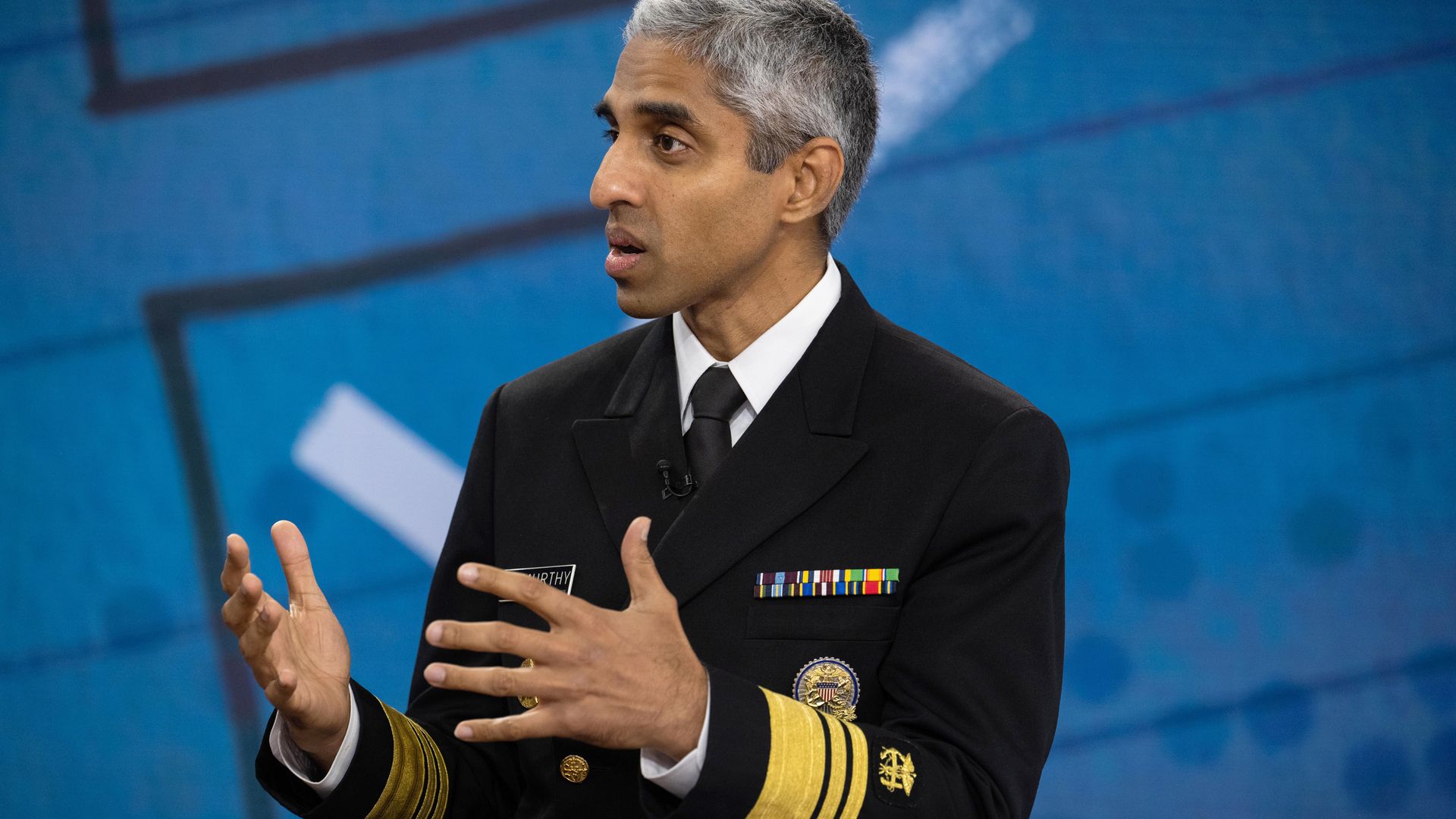
Addressing America's gun violence crisis requires a public health approach, Surgeon General Vivek Murthy declared in an advisory Tuesday.
Why it matters: The surgeon general's advisory, one of the most significant tools his office has to draw the public's attention to a health issue, comes days before the first presidential debate and follows a spate of mass shootings in the first weekend of summer.
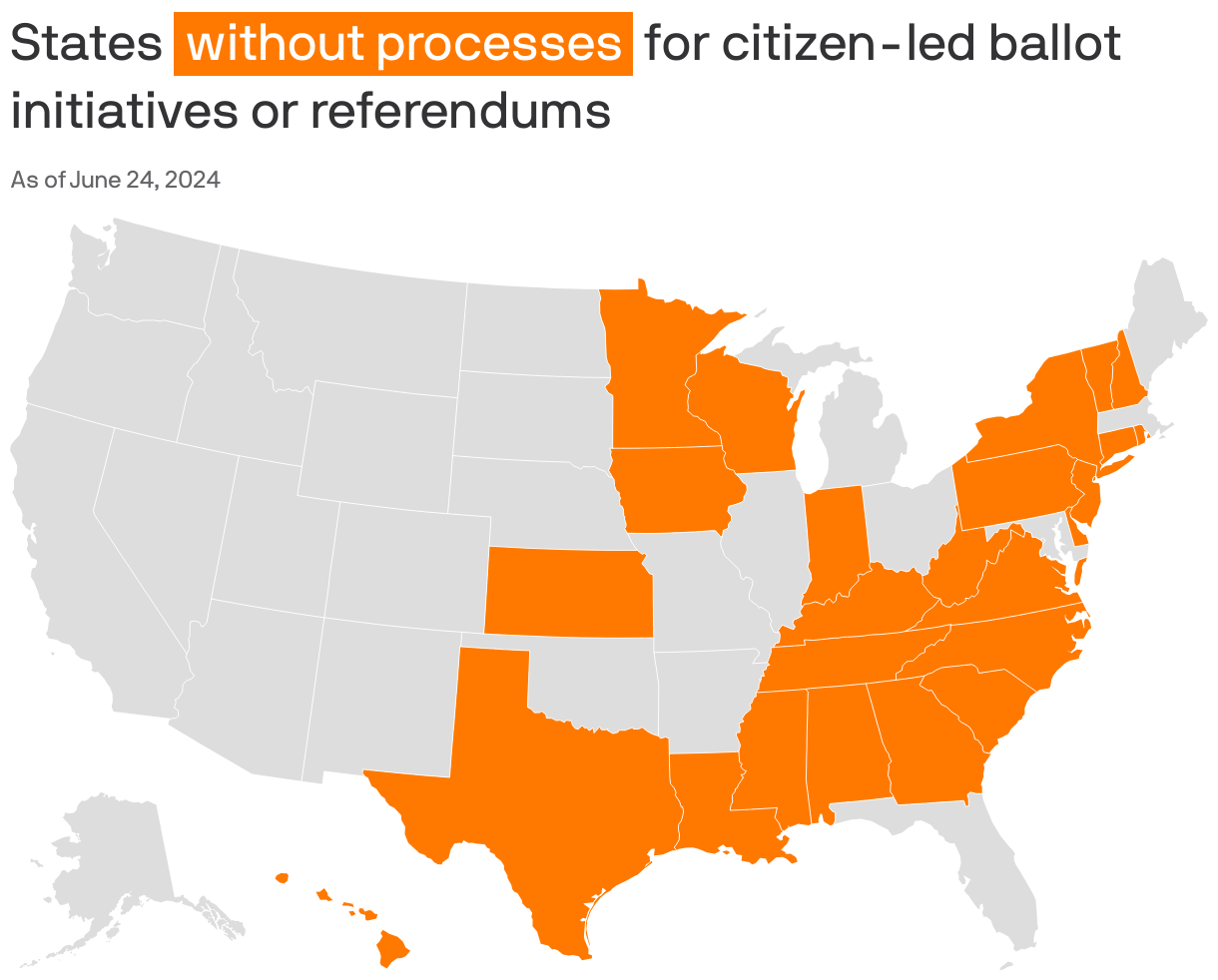
Voters in half of U.S. states aren't able to support abortion access in direct-democracy ballot measures because their states lack the process for citizen-led initiatives.
Why it matters: Voters have backed abortion rights via such measures in the two years since the overruling of Roe v. Wade.
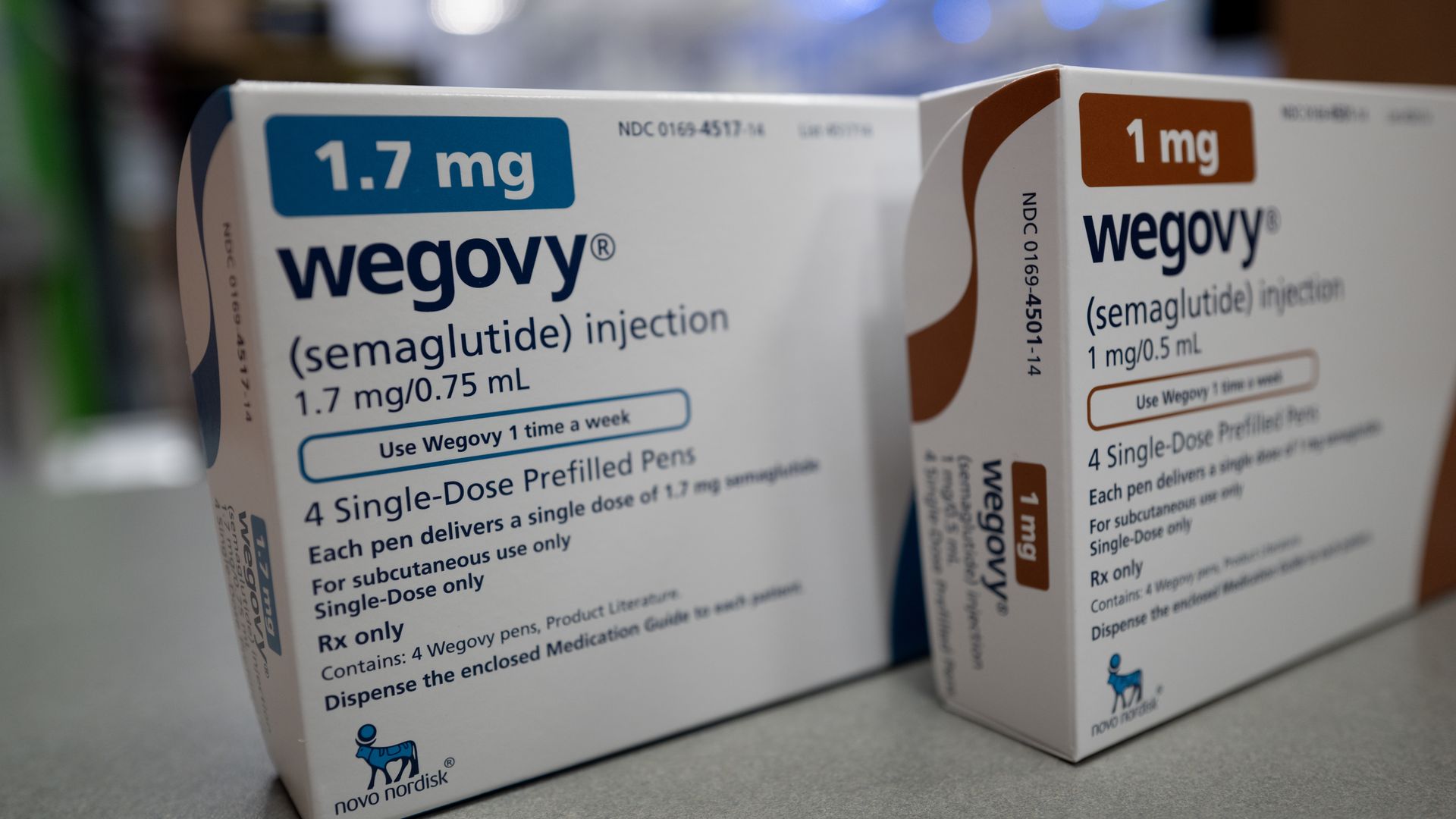
Novo Nordisk plans to build a $4.1 billion factory in North Carolina as it scrambles to boost supplies of weight-loss drug Wegovy and diabetes drug Ozempic.
Why it matters: Patients are experiencing widespread shortages of the newly popular GLP-1 class of injectable drugs made by the likes of Novo Nordisk and Eli Lilly.
Infant deaths surged 12.9% in Texas compared with 1.8% for the rest of the country after the state in 2021 enacted a strict abortion ban with no exceptions for birth defects, according to a new study in JAMA Pediatrics.
Why it matters: The findings add to a body of evidence showing infants born in states with more abortion restrictions are likelier to die before they're 1 year old.
Why it matters: The video is part of a push by Democrats linking Trump and other Republicans to what are seen as vulnerabilities for the GOP leading up to November's elections: abortion rights and access to birth control and IVF.
Rising health care prices have measurably increased unemployment in the United States, according to a new study inthe National Bureau of Economic Research.
Why it matters: Surging health care costs don't just hit Americans in their pocketbooks — they could be costing them jobs, especially for middle-income workers.
State abortion bans enacted in the two years since Roe v. Wade was overturned have left residents of nearly a quarter of U.S. counties having to travel more than 200 miles to find an abortion provider, according to a Middlebury College tracker.
Why it matters: The Supreme Court's Dobbs decision left a patchwork of abortion access that poses heightened logistical and financial challenges for patients seeking care in clinics, many of whom come from areas with lower incomes and more diverse populations.