The need to quash outbreaks, quickly create medicines, stress-proof crops and fend off other 21st century threats is providing a lucrative arena for biotech companies to sell their services.
Why it matters: But the infrastructure to support such ambitions is increasingly recognized by the U.S., China and other countries as a linchpin of national security and economic strategy, putting it at the centerof geopolitics.
Why it matters: Hospital-acquired infections kill tens of thousands annually, sicken many more and cost billions — and they're often preventable through measures like disinfecting surgical sites.
Pandemic-era policies that made it easier for patients to receive opioid addiction treatmentwill continue permanently, the Biden administration announced this week.
Why it matters: The changesmark the first time in 20 years the federal government has updated rules governing clinics that provide medication-assisted treatment for opioid use disorder.
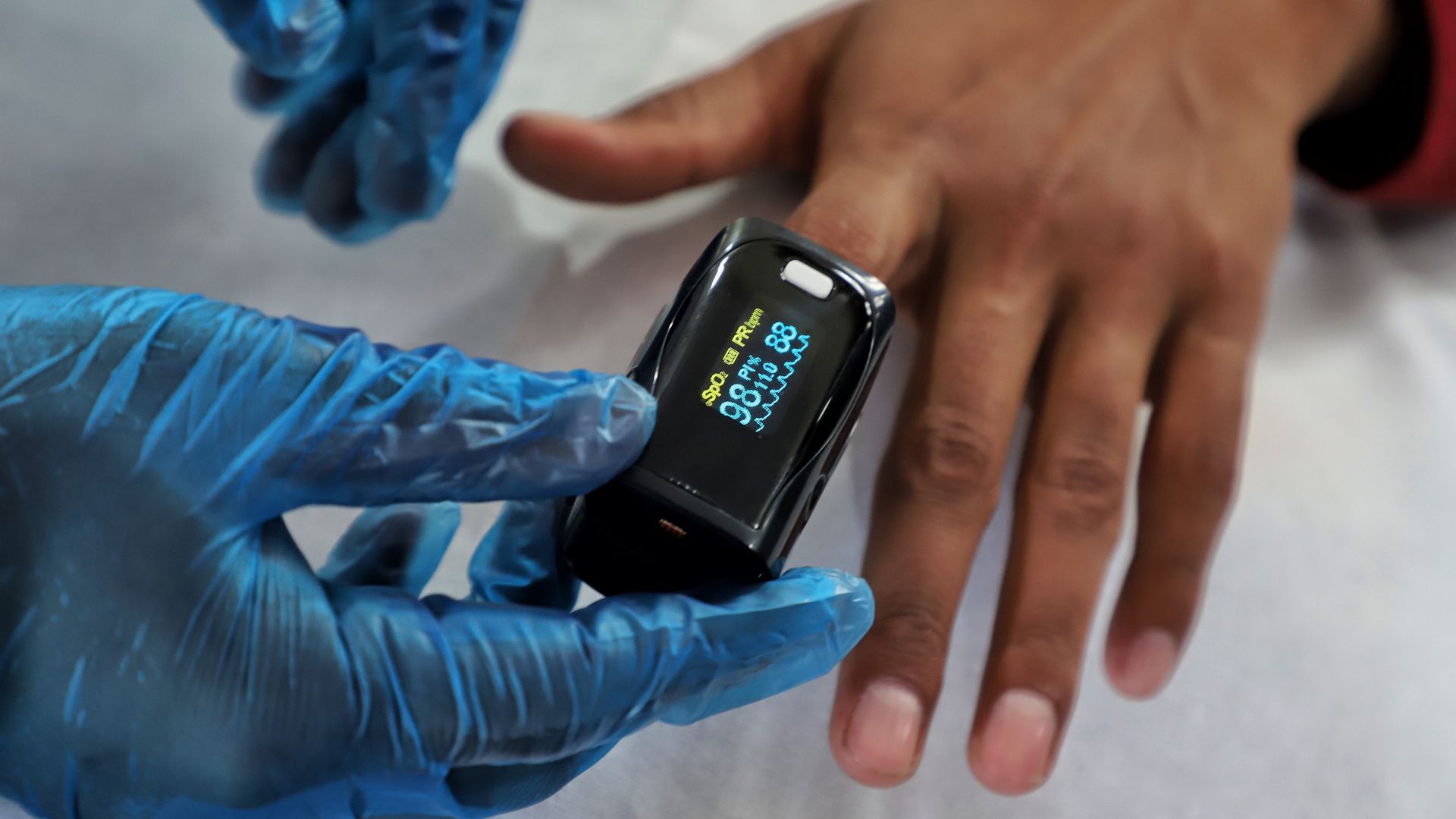
A Food and Drug Administration expert panel on Friday is set to resume the pandemic-driven debate over how to make pulse oximeters more accurate for people with darker skin.
Why it matters: There's growing evidence that the devices don't reliably detect low oxygen levels in Black patients, resulting in delayed care, missed diagnoses of hypoxemia and possibly worse outcomes.
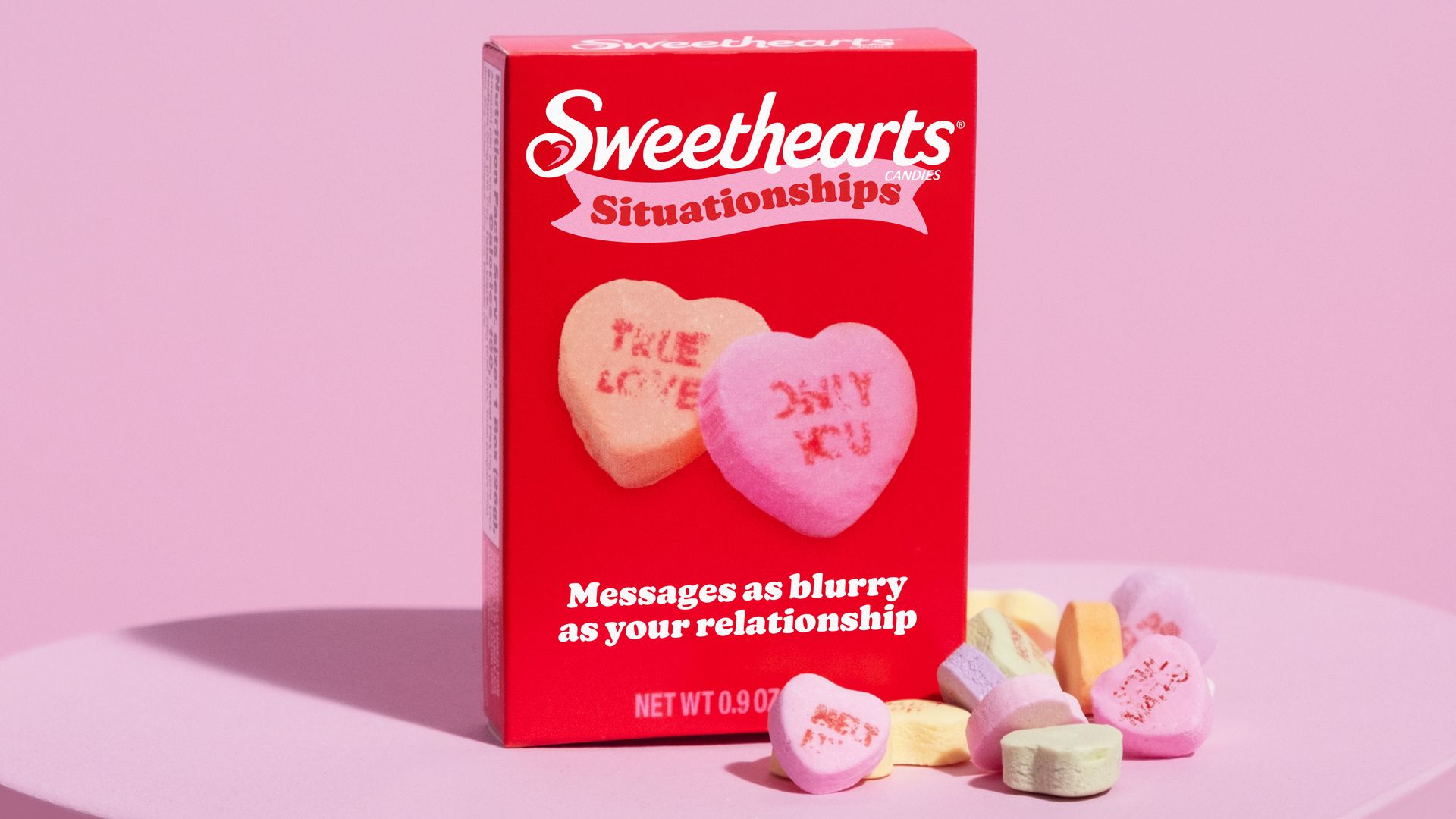
Seven years since the term "situationships" was coined in Cosmopolitan, the concept has not only gone mainstream, but turned into a desired outcome among some dating app users — and spawned new merch.
Why it matters: Situationships are a reflection of modern dating culture, in which romance and commitment have been supplanted by convenience, variety and disposability — which suits some people just fine.