A federal judge in Texas on Friday moved to force the Food and Drug Administration to pull its approval of a drug widely used in medication abortion, throwing its availability into doubt.
Driving the news: The judge ruled that the preliminary injunction would take effect in seven days, allowing for the Biden administration to seek emergency relief. Attorney General Merrick Garland said in a statement the Justice Department will appeal and seek a stay.
A federal judge in Washington state on Friday ordered the Food and Drug Administration to not roll back its approval of a widely used abortion drug, siding with a group of Democratic state attorneys general who challenged dispensing restrictions.
Driving the news: The decision directly conflicted with another federal judge's ruling at almost the same time that put the FDA's approval of the drug, mifepristone, in jeopardy nationwide. The developments left the agency in an unusual legal bind and increased the odds that the matter will be considered by the Supreme Court.
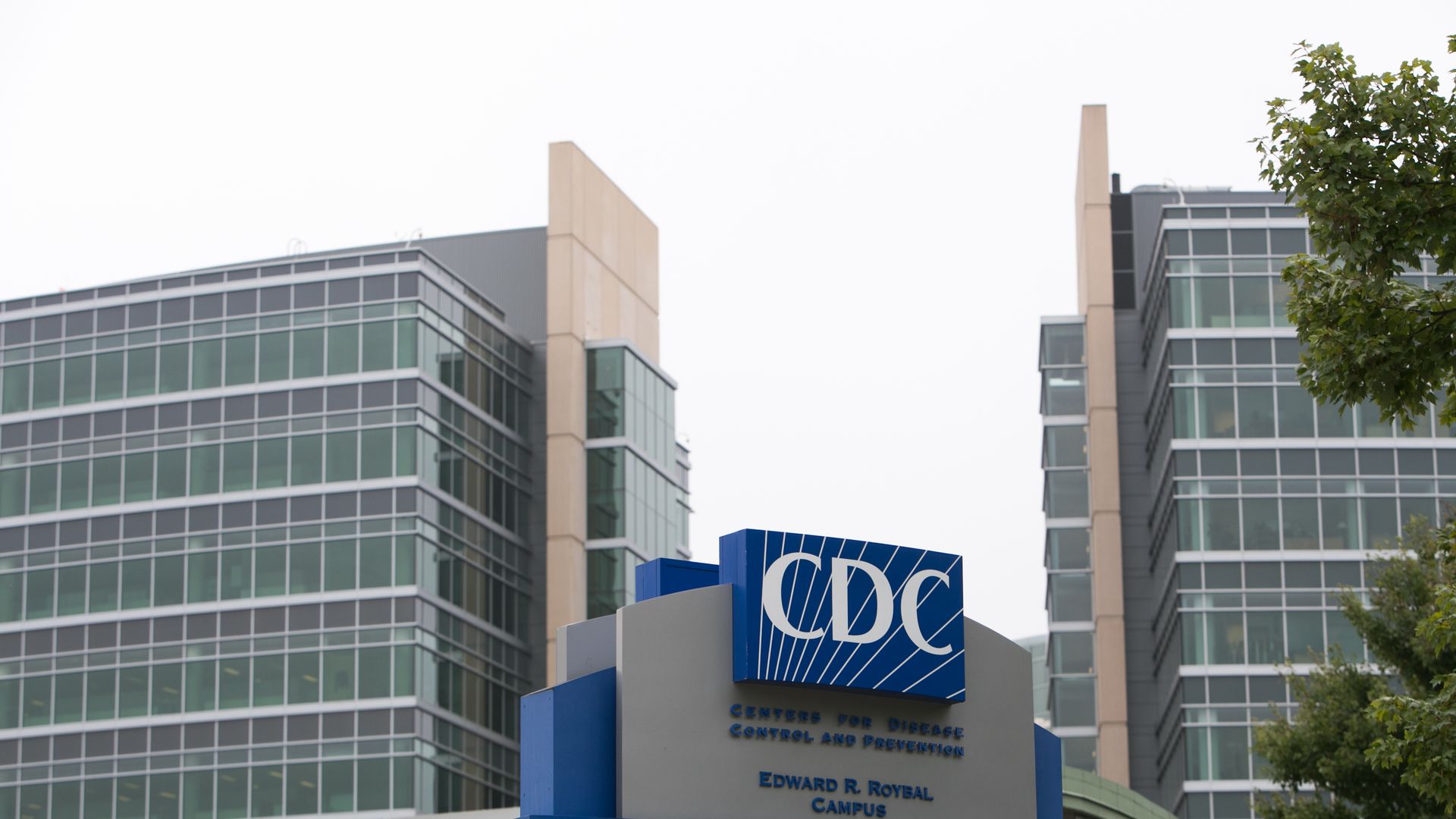
The CDC advised U.S. clinicians on Thursday to be on the lookout for suspected cases of the Marburg virus, a rare but fatal disease that has similarities to Ebola.
Why it matters: No cases of the virus have been reported in the U.S. and officials say the risk is low. But the two distinct outbreaks reported in Equatorial Guinea and Tanzania this year raise the prospect of imported cases, they said.
The FDA on Thursday sealed the fate of a controversial premature birth drug that's been on the market for more than a decade by withdrawing its approval of Covis' Makena.
Why it matters: Covis had suggested a gradual withdrawal from the market so patients could finish their 21-week course treatment. But regulators cited the lack of evidence it worked to justify an immediate end to distribution.
More than two years after Congress acted to shield patients from surprise medical bills, lawmakers are turning to another source of unexpected medical costs: the fees that hospitals tack on for services provided in clinics they own.
Why it matters: As health systems push more care outside hospital walls, they're charging extra "facility fees" for common services like blood tests, X-rays and, in some cases, even telehealth visits.