China has removed more than 1,000 social media accounts for criticizing the government's COVID-19 policies, BBC reports.
Driving the news: Weibo, a Chinese social media platform, suspended or banned 1,120 accounts for what it described as personal attacks against the county's coronavirus specialists, per BBC.
More than two dozen bills targeting transgender health care have been introduced at the start of 2023 state legislative sessions, AP reports.
The big picture: The new bills come after 2022 saw a wave of anti-transgender legislation nationwide, with at least 34 states introducing more than 145 anti-trans bills.
The big picture: The originally-reported high number of XBB.1.5 cases stoked fears from experts about how fast the virus was surging in the country, especially in the Northeast.
If you're giving Dry January a shot in 2023, there still may be a watering hole for you.
Why it matters: Spaces traditionally focused on alcohol — like bars and bottle shops — are increasingly giving up booze, instead offering high-quality non-alcoholic alternatives to make New Year's resolutions that much easier to achieve.
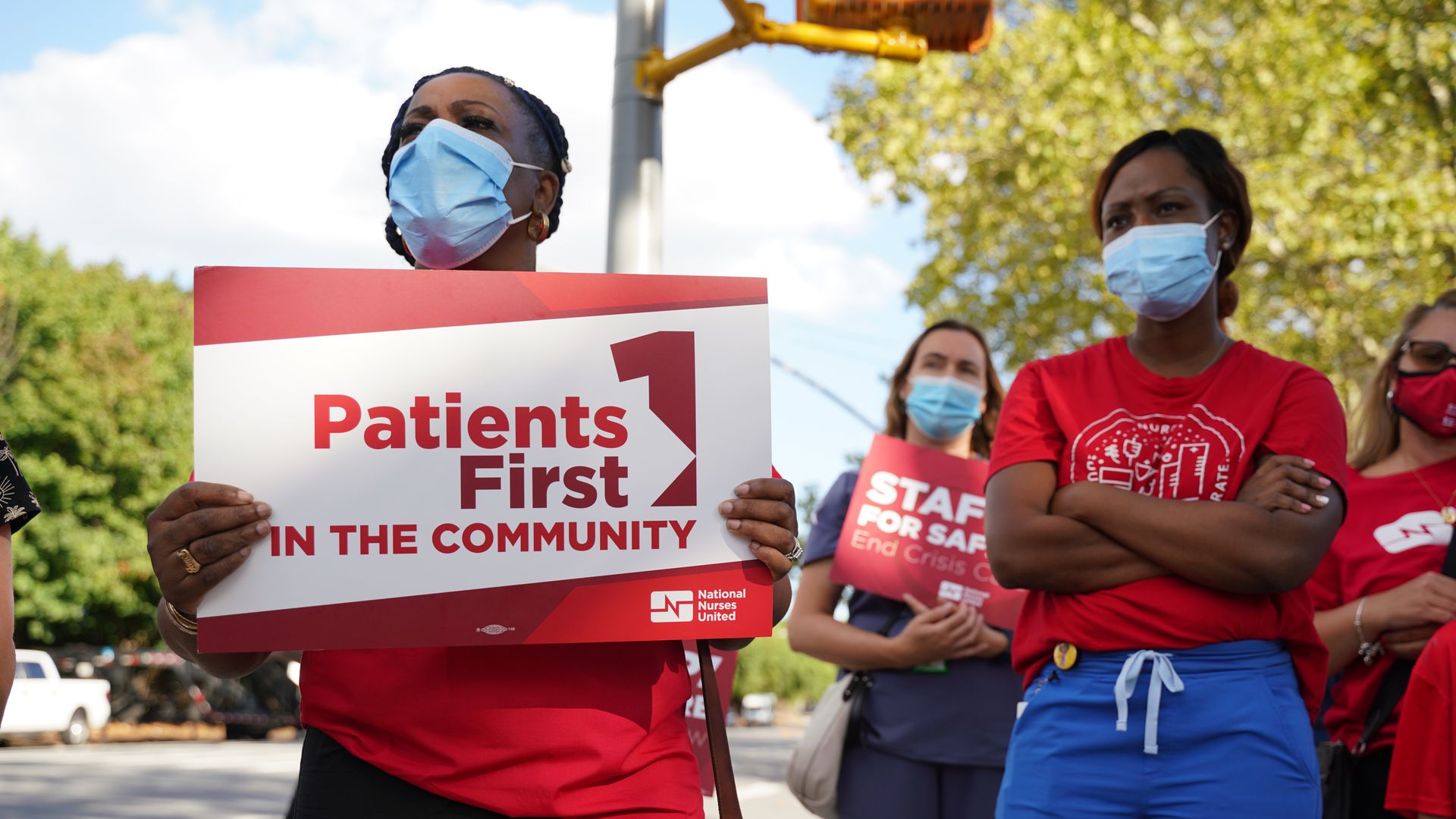
New York City is gearing up for a potential strike on Monday as roughly 10,000 nurses push for higher salaries and better working conditions, AP reports.
A handful of public school districts are mandating masks as kids and staff return from holiday breaks, but an Axios review of cities across the country found those orders to be far from the norm.
The big picture: There's little apparent appetite to return to pandemic strategies like masking or social distancing, even in the face of a tripledemic. And the sentiment cuts across red and blue states.
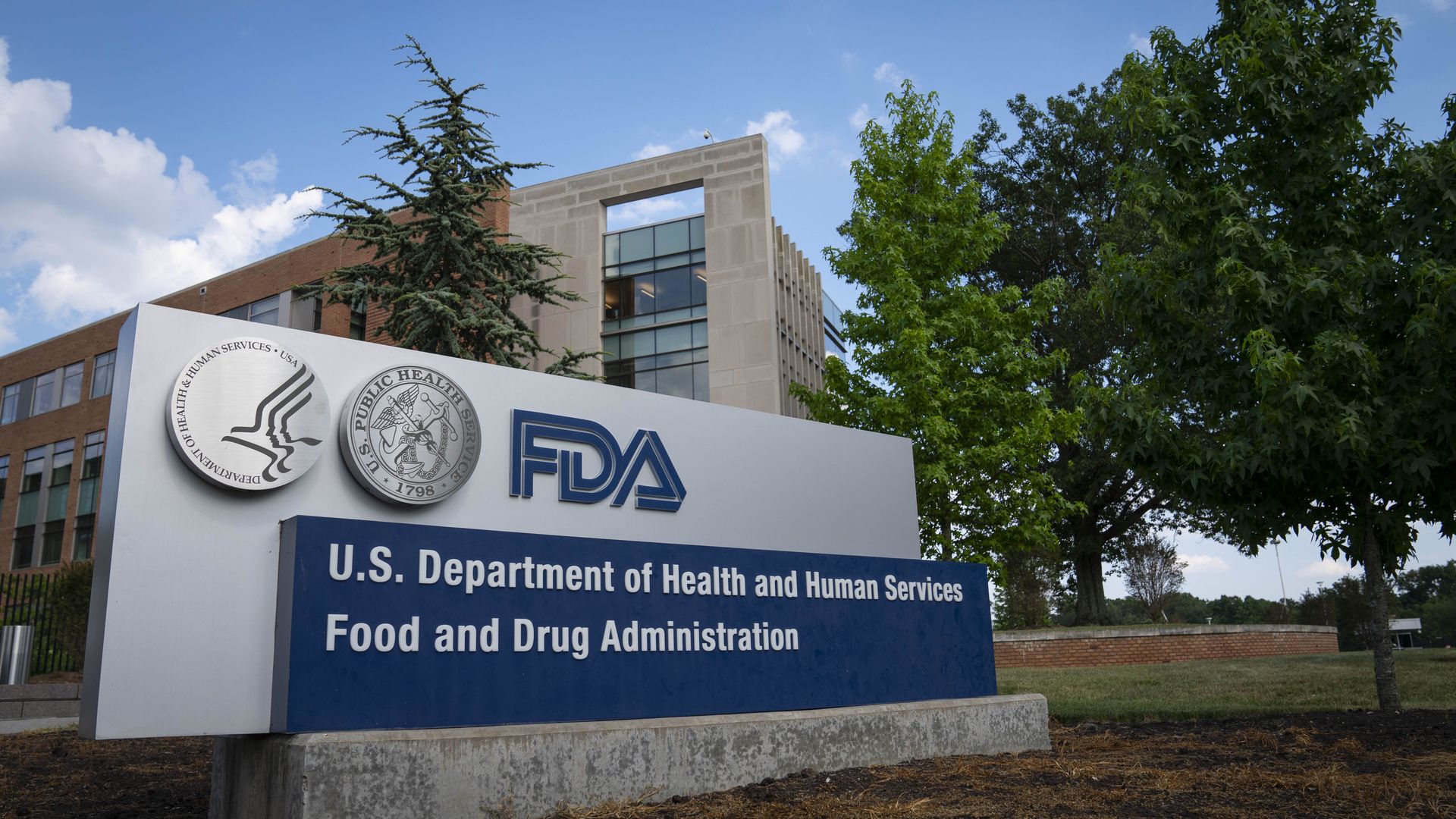
The Food and Drug Administration on Friday granted fast-track approval to a new Alzheimer's drug that clinical trials showed can slow the progression of the disease.
Why it matters: Lecanemab, developed by Japanese drugmaker Eisai and Biogen, is the first treatment shown to delay cognitive decline from Alzheimer's — which affects over six million people in the U.S.
A group of pricey breakthrough prescription drugs are poised to shake up the market this year — including an Alzheimer's treatment that could be approved today by the FDA.
Why it matters: Though the drugs offer hope to patients with hard-to-treat conditions like Alzheimer's or sickle cell disease, or who struggle with obesity, their potentially eye-popping prices are sure to create dilemmas for insurers, government programs and patients themselves.






/2023/01/06/1673020241002.gif?w=3840)