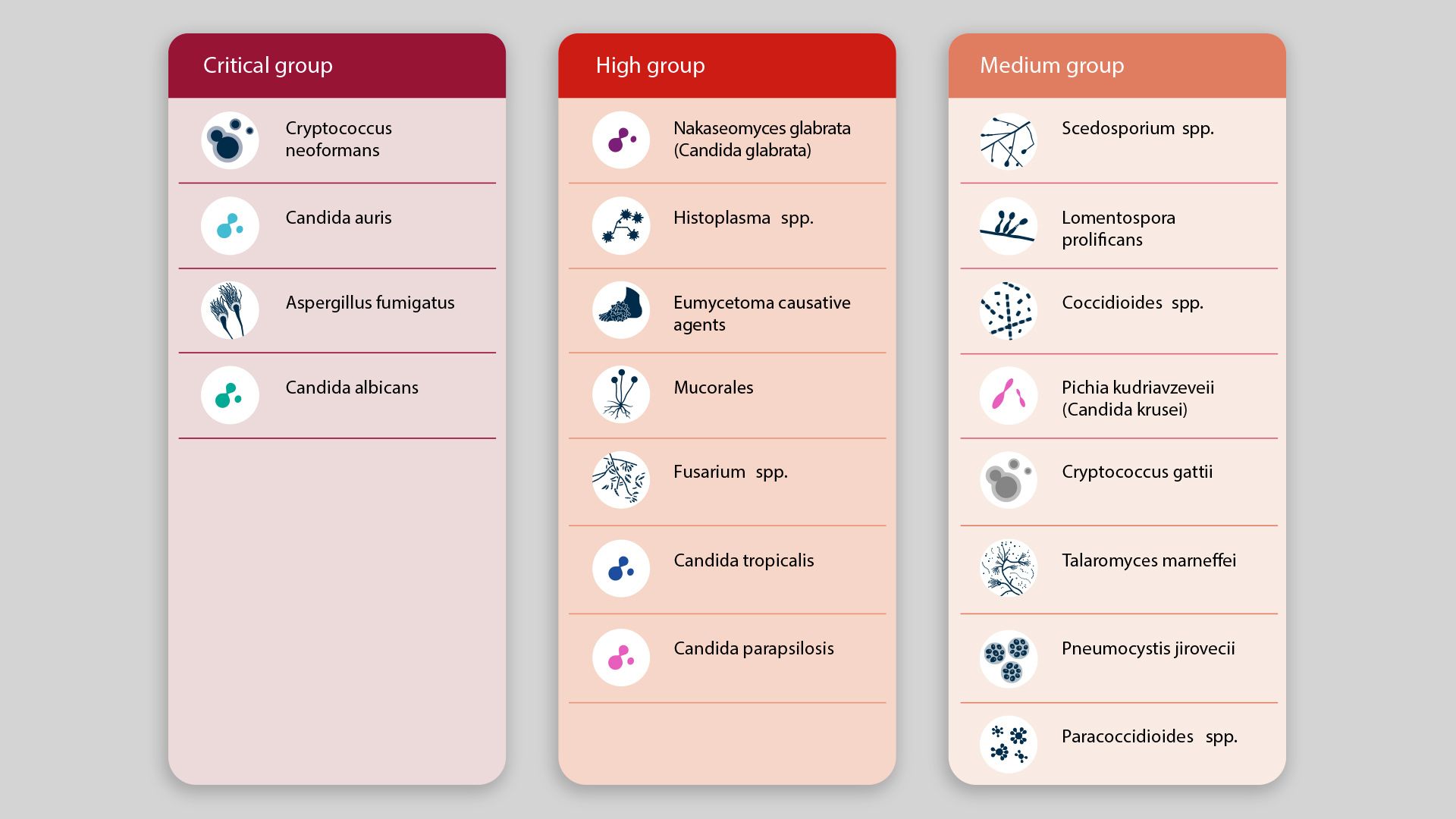
The dangers posed by growing outbreaks of opportunistic fungi that kill 1.6 million people globally every year require new drugs, diagnostics and surveillance programs, a CDC scientist tells Axios.
Driving the news: The pandemic accelerated the rise of drug-resistant fungi in health care settings, and global warming has expanded the range of fungi growth in certain areas — problems flagged by the WHO, which released its first-ever list of dangerous fungi last week.
Some House Republicans aren't waiting for the election to think about overhauling Medicare. But it's hard to tell if there are specifics behind the talking point.
Why it matters: Past GOP attempts to cut Medicare landed with a thud, and Democrats in recent weeks have been hammering on the message that Republicans are intent on gutting the program.
Undocumented farmworkers in the U.S.face critical barriers to emergency health care during and after disasters, multiple organizations tell Axios.
The big picture: As climate change makes wildfiresmore frequent and heatwaves hotter and rapidly strengthens hurricanesacross the U.S., lack of health care access is a worsening crisis for the backbone of America’s agricultural workforce.
The Biden administration needs to crack down on deceptive Medicare Advantage marketing, Democratic staff for the Senate Finance Committee wrote in a report released Thursday.
Why it matters: Medicare Advantage is on track to capture more than half of the Medicare market by next year. As the program grows, misleading marketing practices undermine enrollees' trust in the program.
Health and dieting trends on TikTok glorify weight loss and may contribute to disordered eating behaviors and body dissatisfaction, particularly in adolescent and young users, according to a University of Vermont study published Tuesday in the journal PLOS One.
Why it matters: It is the first study to assess content related to nutrition and body-image at scale on the the social app for short video.
Medicare will increase payments for discounted drugs provided to safety-net hospitals next year under a policy the Biden administration finalized Tuesday that will affect how the program reimburses other facilities.
The big picture: Hospitals had called on the Centers for Medicare and Medicaid Services (CMS) to boost safety-net drug payments without dipping into other funds, but the agency said it didn't have the authority to do that.
Outside advisers to the Food and Drug Administration on Tuesday found "a clear signal" that pulse oximeters are less accurate for people with darker skin after scrutinizing evidence during a daylong meeting.
Why it matters: The expert panel's consensus that inaccuracies pose a distinct clinical risk for dark-skinned patients sets the stage for the FDA to further scrutinize manufacturing standards for the devices, which measure oxygen levels in the blood.
CVS Health and Walgreens announced agreements Wednesday to pay about $5 billion each to settle lawsuits over how its pharmacies handled prescriptions for addictive opioid painkillers.
Why it matters: CVS and Walgreens are the two largest drugstore chains in the U.S. The proposed framework would resolve a series of lawsuits brought by a group of states and Native American tribes.
The Biden administration is trying to jump start a Medicare program that pays health providers based on patient outcomes rather than by how many services they perform.
Why it matters: The alternative payment effort was created through the Affordable Care Act, but participation has plateaued since 2018 amid waning interest from providers.
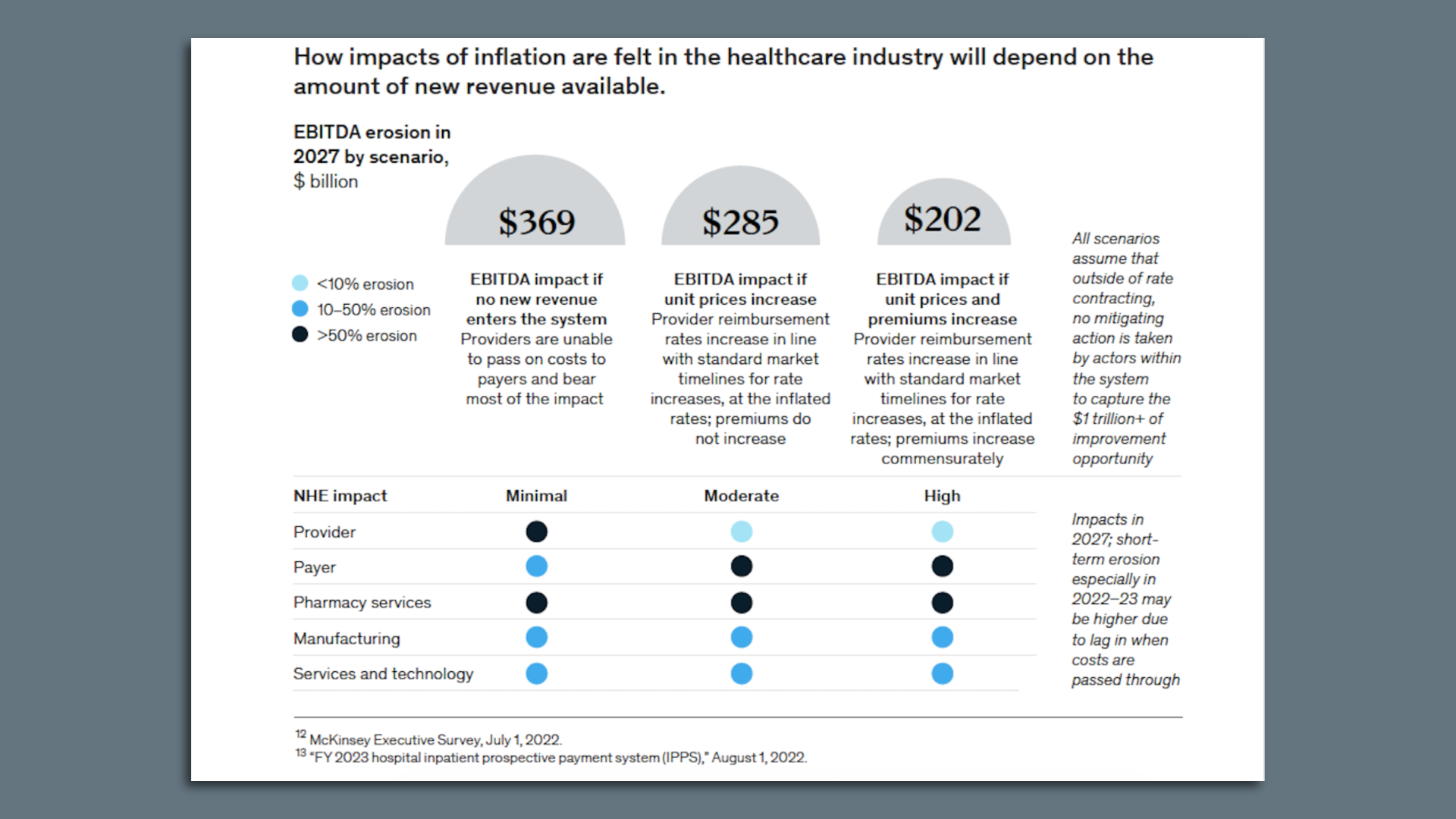
Employers, patients or taxpayers could be on the hook for hundreds of billions of dollars in additional health spending if providers and insurers successfully shift those inflation-driven costs, according to a recent McKinsey analysis.
Why it matters: The health care sector's profits are severely at risk, per the analysis. But key players could yet dodge the bullet coming their way.
All signs point to a crushing surge in health care costs for patients and employers next year — and that means health care industry groups are about to brawl over who pays the price.
Why it matters: The surge could build pressure on Congress to stop ignoring the underlying costs that make care increasingly unaffordable for everyday Americans — and make billions for health care companies.
[This special report kicks off a series to introduce our new, Congress-focused Axios Pro: Health Care, coming Nov. 14.]