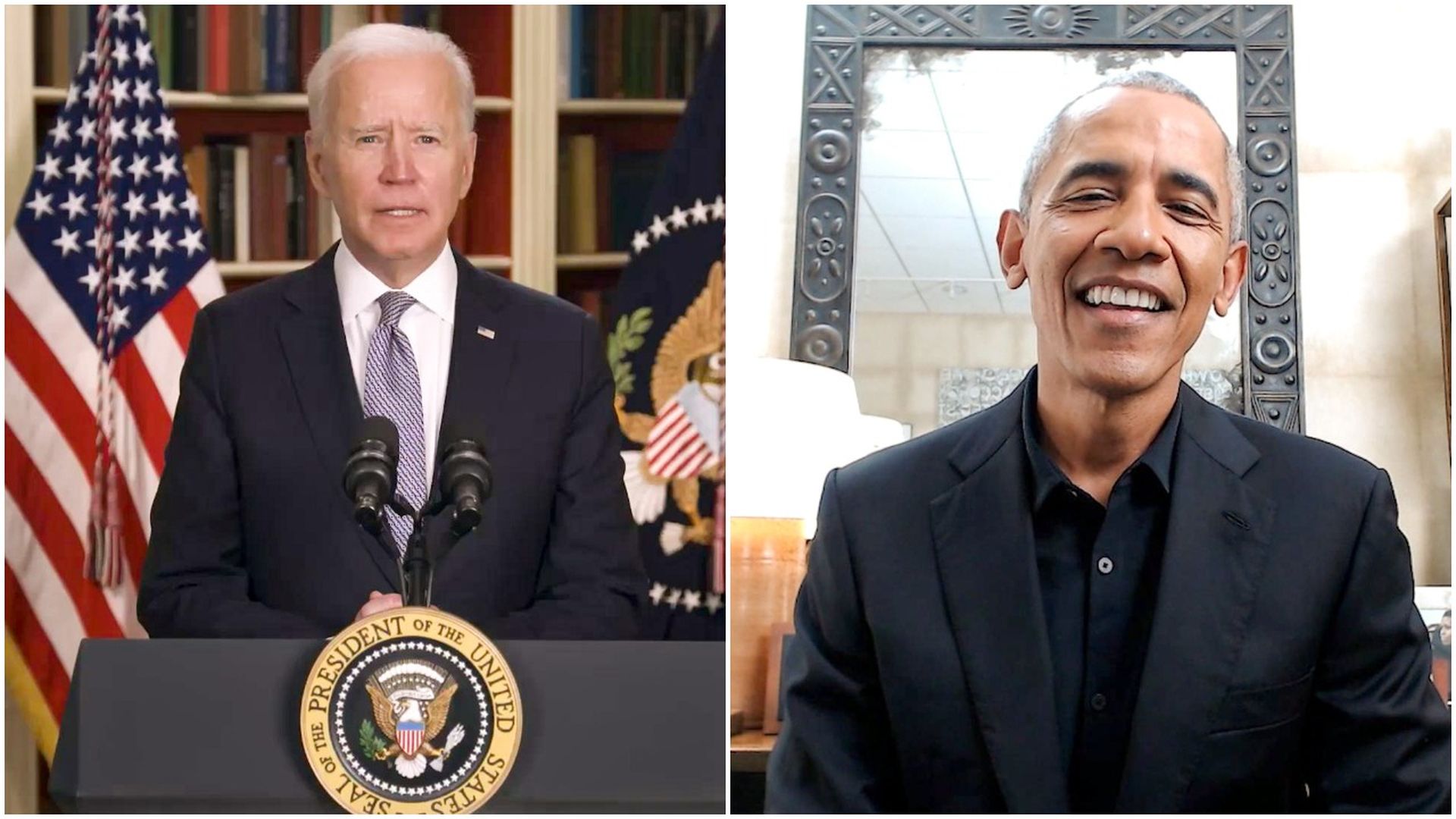
President Biden, former President Obama and Michelle Obama are joining a slew of stars for an NBC special this weekend that aims to raise awareness of COVID-19 vaccines, dispel myths and boost inoculation rates.
What to expect: In Sunday's "Roll Up Your Sleeves" special, hosted by NFL quarterback Russell Wilson and actor-singer Ciara,Biden will urge Americans to "beat the pandemic, protect loved ones and continue the road to recovery," according to a statement from NBC.
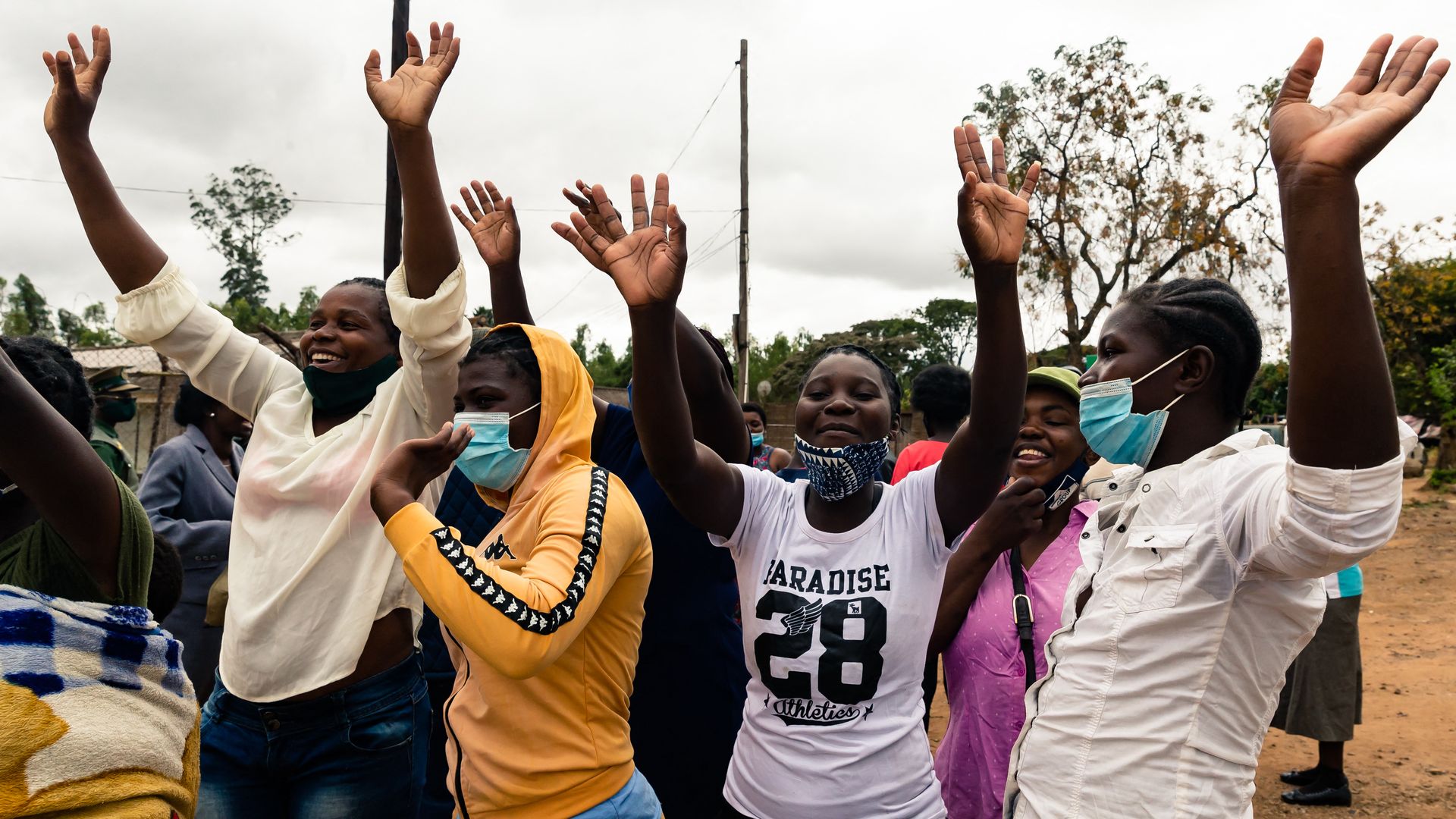
Zimbabwe on Saturday released more than 300 prisoners to help reduce the risk of COVID-19 in the country's overcrowded prisons, per the New York Times.
Driving the news: The latest round of prisoner releases comes as the country experiences another wave of the pandemic, driven in part by the more contagious B.1.351 variant first discovered in South Africa.
Join Axios' Mike Allen and Hope King on Tuesday at 12:30 p.m. ET for a Hard Truths event on systemic racism in health care, featuring White House senior adviser Andy Slavitt, White House senior policy adviser Cameron Webb and California Surgeon General Nadine Burke Harris.
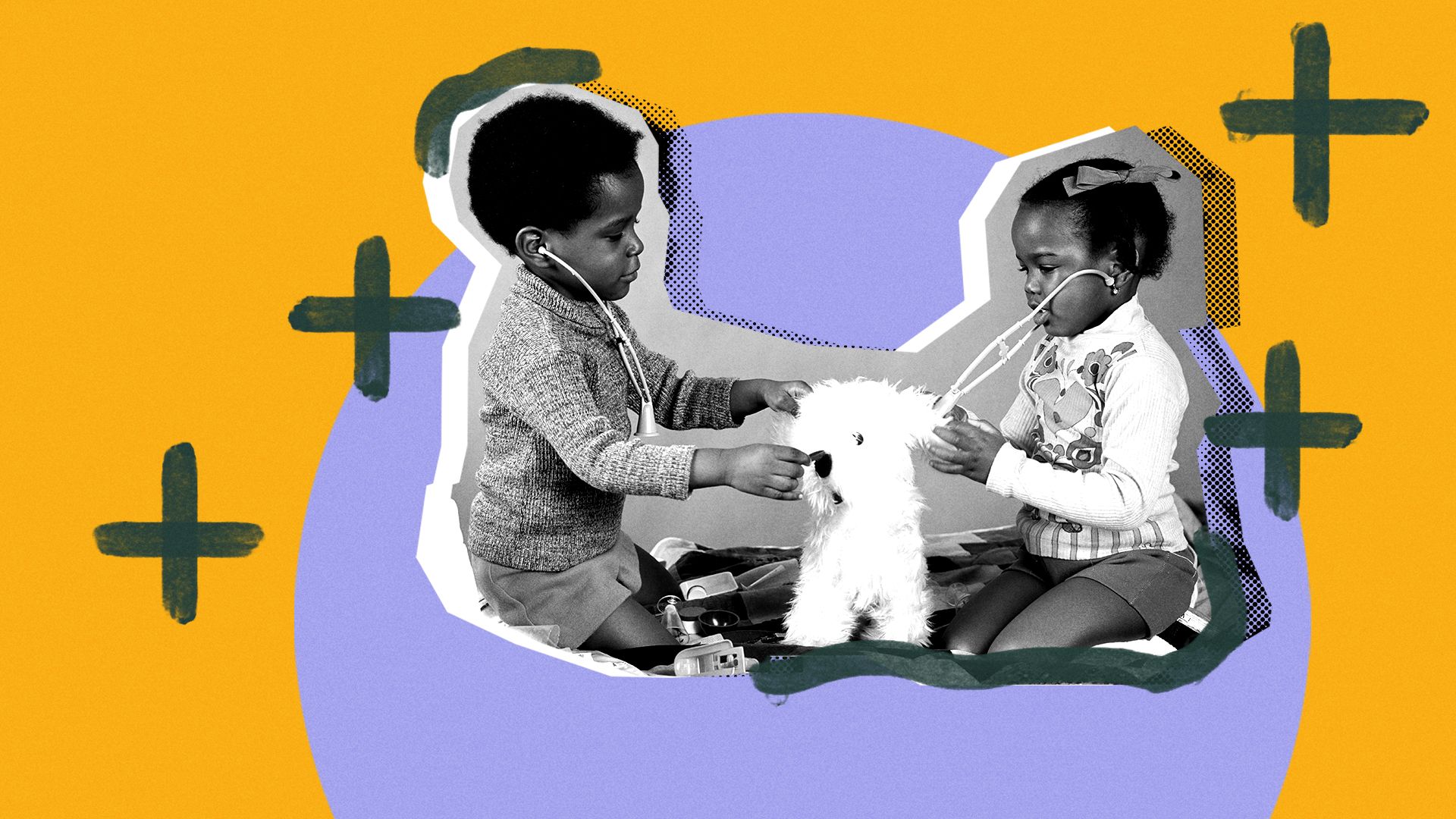
Living in the nation's poorest, most rural communities can be a death sentence for African American and Native American children.
Why it matters: Lack of health care and healthy food make Black and indigenous childrenin the nation’s most disadvantaged counties five times as likely to die as children in other areas of the country,the advocacy group Save the Children found after analyzing federal data.
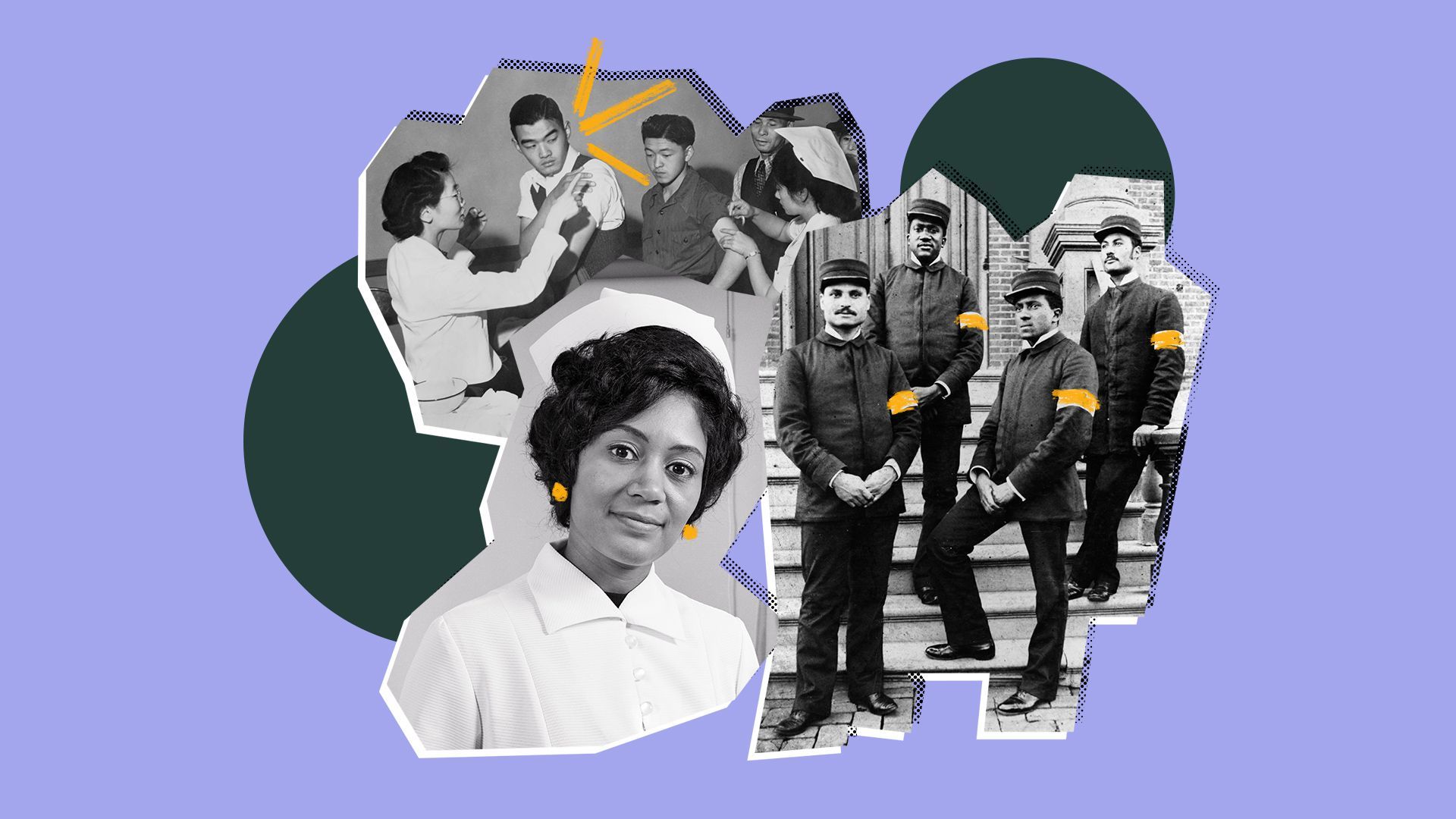
While the COVID-19 pandemic has exposed serious disparities in access to health care, those differences were baked deep into the American health system long before the coronavirus came along.
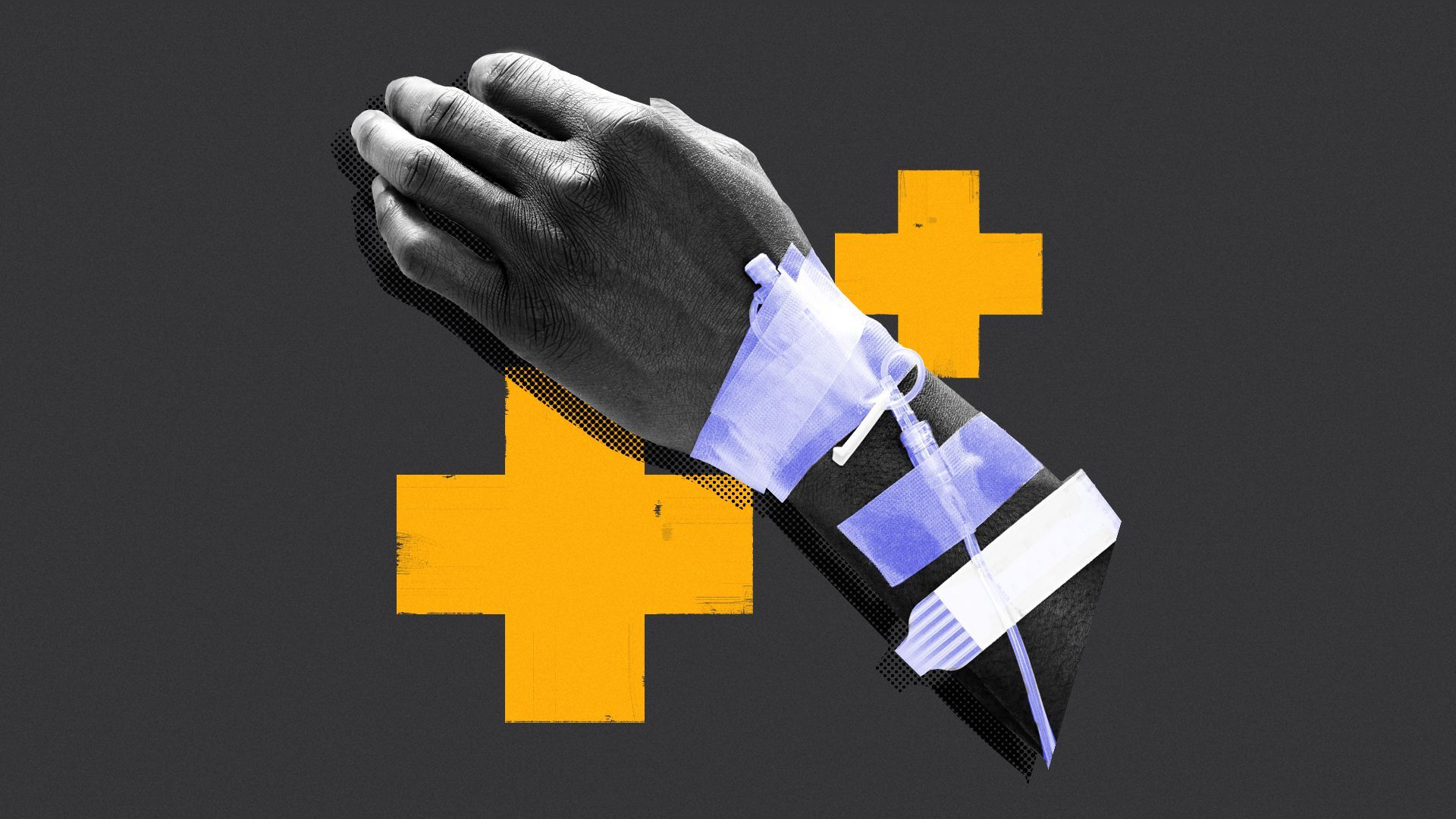
Why it matters: These systemic disparities are partly why people of color are more likely to be uninsured and face increased risks for certain chronic conditions — and even have shorter life expectancies.
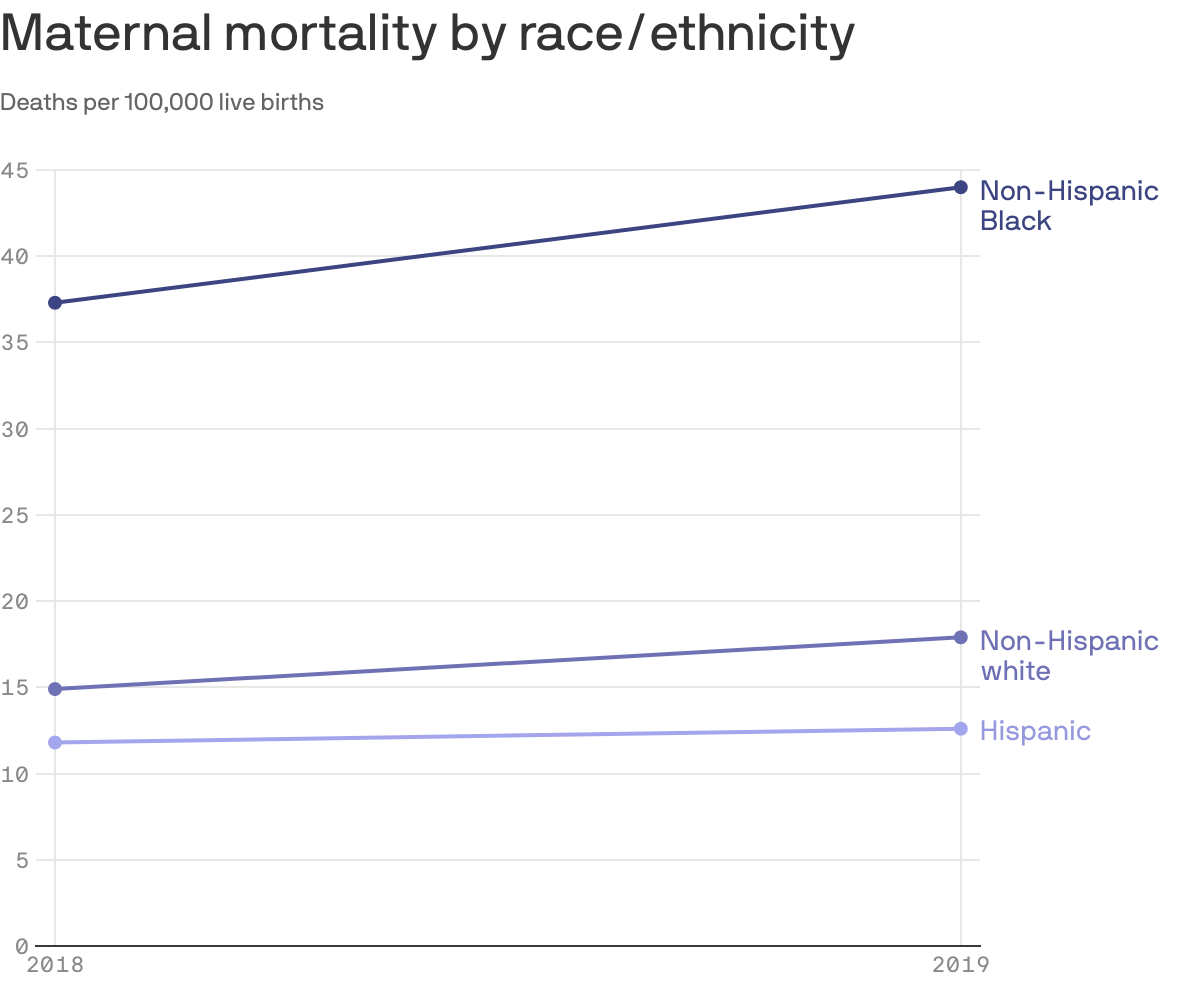
Racial disparities have been a constant problem in maternal health care, from rising death rates to the threat of severe COVID-19 among pregnant women. But now experts are hopeful that telehealth can help narrow those disparities.
Why it matters: It's not a complete solution to the racial barriers women of color face. But some experts are optimistic that telehealth — long-distance health care through videoconferences and other technology — can help reduce those barriers by offering flexibility in appointments and better access to diverse providers.
We’ve made strides in getting more Americans the health care they need. But our system delivers far better results for white patients than for people of color.
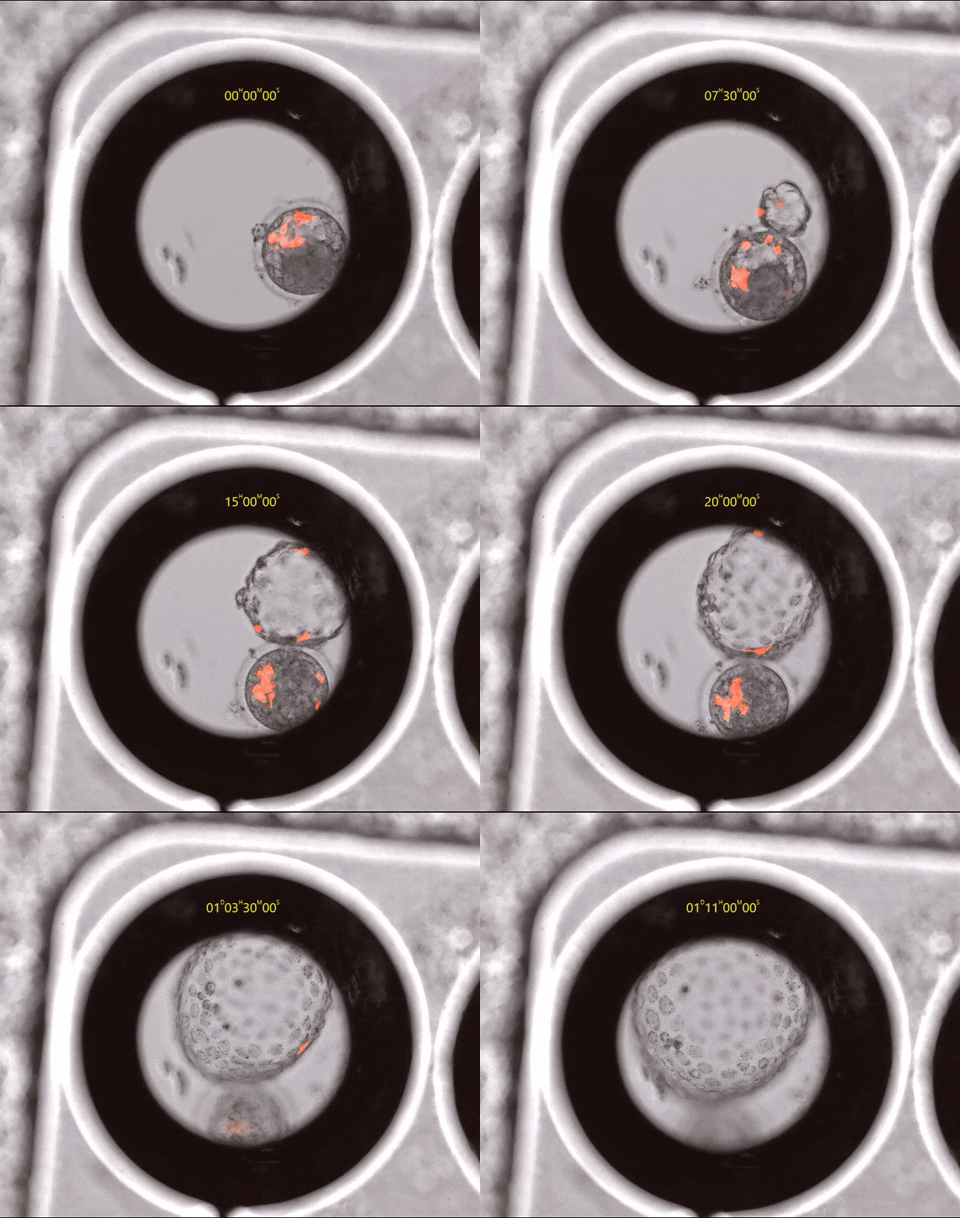
Researchers for the first time have created embryos in the lab that contain both human and monkey cells.
Why it matters: So-called chimeric embryos could help scientists produce organs for people desperately in need of transplants, but the very act of mixing human and animal cells raises major ethical questions.
Faster and cheaper genetic sequencing can give us the ability to test for almost any infectious pathogen — provided we use it.
Why it matters: Doctors never identify the causative agents of many infections, leading them to misdiagnose patients and even miss the early emergence of new diseases, but wider use of genetic sequencing promises a future in which no virus will be left behind.