Coronavirus vaccine shipments have slowed "to a grinding halt" in some areas affected by a devastating winter storm and freezing temperatures, Anthony Fauci, President Biden's chief medical adviser, told MSNBC on Thursday.
Driving the news: A winter storm is still tracking along the Southeast coast, leaving heavy snow and ice along the mid-Atlantic, the National Weather Service said in an early Thursday morning update. Texas has been hit the hardest by the storm, with just under 500,000 people still without power after several days.
After more than a decade entertaining Portland, Oregon, residents at parades, parties and weddings — and gratefully nibbling the carrots they proffered — Rojo the llama has permanently retired to a display at the Washington State School for the Blind in Vancouver.
Why it matters: Rojo, who died in 2019 at age 17, has 29,000 followers on Instagram and 15,000 on Facebook. Carefully restored by a taxidermist, he will spend his afterlife introducing blind students to what a llama feels like, as part of a museum where blind students can experience animals they've only heard about.
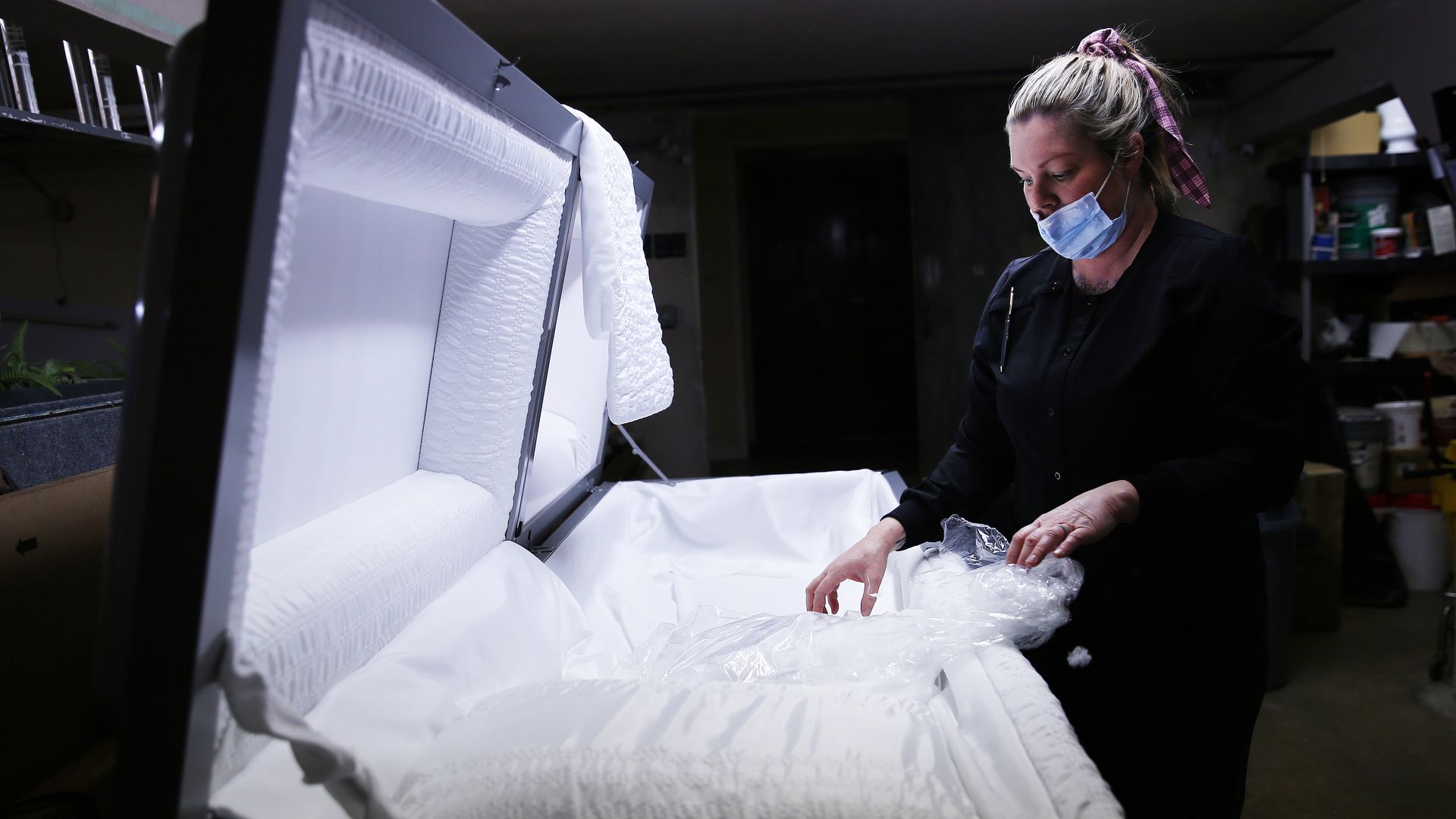
The coronavirus pandemic drove life expectancy in the U.S. to its lowest level since 2006, according to new preliminary data from the Centers for Disease Control and Prevention.
The big picture: Racial disparities in life expectancy also widened in the first half of 2020. White Americans now live an average of six years longer than Black Americans, up from about a four-year difference in 2019.
Government regulations of the hospitals' rates is a much more effective way to reduce costs than relying on competition to do the job, according to a new report by the RAND Corp.
Why it matters: America's health care system is the most expensive in the world, and hospitals account for the largest portion of those costs.
The U.K. plans to intentionally infect healthy volunteers with the coronavirus in the world's first "human challenge trial," the goal being to enhance understanding of the virus, the Washington Post reports.
Why it matters: The effort is controversial, but the government says the study will help with developing new treatments and vaccines for the virus.
The pace of new coronavirus infections continued to plummet over the past week, despite upticks in the already hard-hit Dakotas.
Why it matters: This sustained drop in new cases is unambiguously good news. If the U.S. can keep it going, this progress will save lives, make it easier to safely reopen schools and businesses, and help minimize the threat posed by more contagious variants of COVID-19.
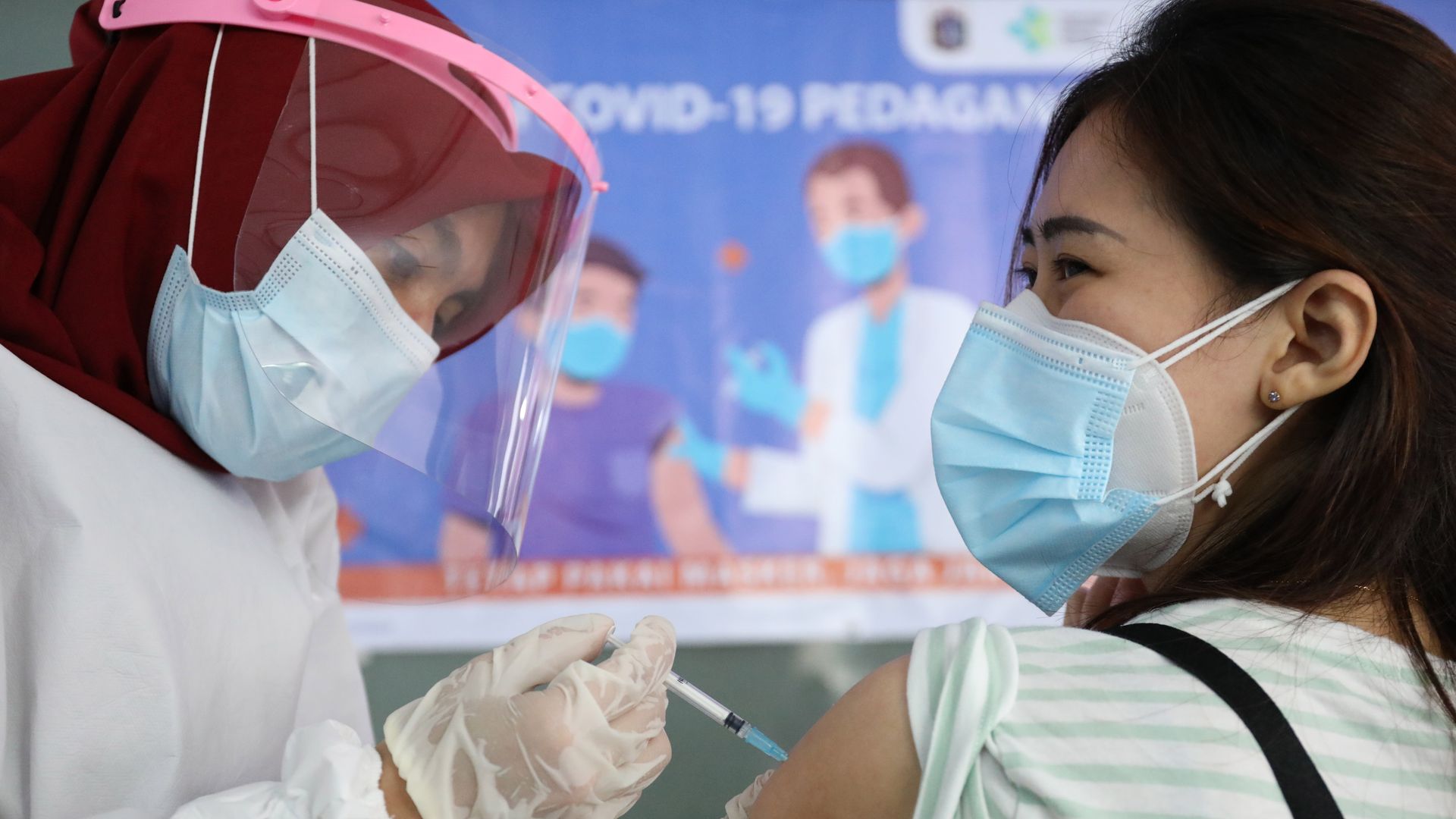
Indonesia's government has made COVID-19 vaccines mandatory for anyone who's eligible and warned of punishments for those who refuse, as authorities move to curb Southeast Asia’s largest coronavirus outbreak, Bloomberg reported Thursday.
The big picture: Sanctions include fines and social assistance program delays. Local authorities will decide on penalties. The government is providing the vaccines for free. Over 1.2 million Indonesians have tested positive for the virus, per Johns Hopkins.
All New Zealand schools will from June provide students with access to free menstrual products following a successful trial, Prime Minister Jacinda Ardern announced Thursday.
Why it matters: It's the latest sign a global push to stamp out period poverty by providing menstrual products at no cost or tax-free is gaining momentum.
Life expectancy in the U.S. fell by a full year in the first half of 2020, CDC data published Thursday shows.
Why it matters: The decline from 78.8 years in 2019 to 77.8 years for January through June 2020 marks the biggest fall in longevity since World War II, underscoring the impact of COVID-19 on the U.S. The drop is even larger for Black and Hispanic Americans, who've been disproportionately affected by the pandemic.
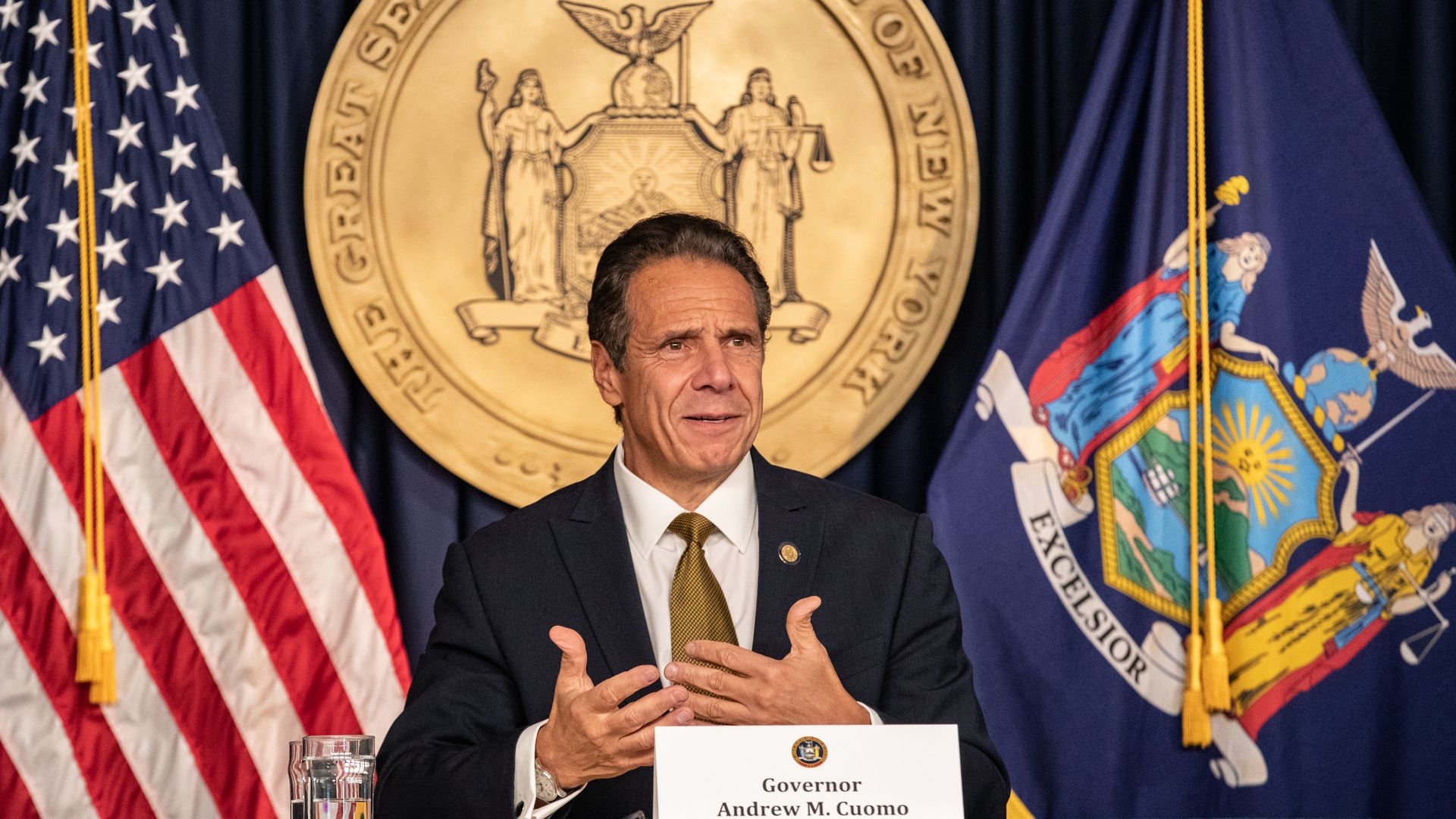
New York Gov. Andrew Cuomo's administration is under investigation by the FBI and U.S. attorney's office in Brooklyn over its handling of COVID-19 nursing home deaths, the Albany Times-Union first reported Wednesday.
Why it matters: The news comes as N.Y. state lawmakers begin efforts to repeal the Democratic governor's pandemic emergency powers after it was revealed his administration delayed releasing data of COVID-19 deaths in nursing homes, prompting allegations of a cover-up.