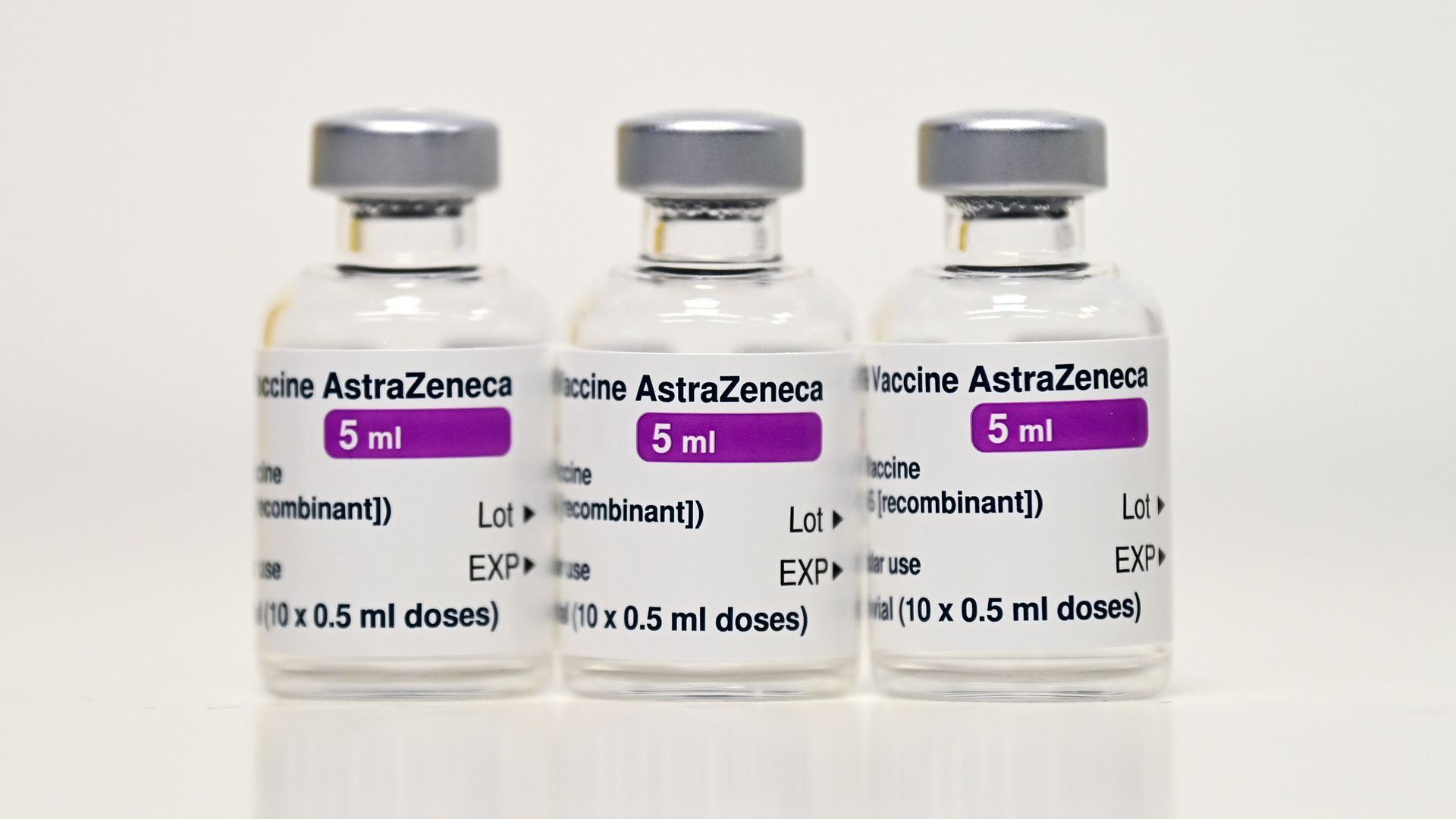
The World Health Organization on Monday granted emergency authorization to the Oxford-AstraZeneca coronavirus vaccine.
Why it matters: WHO's authorization "should trigger the delivery of hundreds of millions of doses to countries that have signed up for the U.N.-backed COVAX effort, which aims to deliver vaccines to the world’s most vulnerable," AP writes.
Industrial "forever chemicals" found in hundreds of consumer goods and linked to adverse health effects may face new regulations under the Biden administration.
Why it matters: Environmental groups and members of Congress are calling on President Biden to follow through with his promise to designate the long-ignored and largely unregulated synthetic chemicals, which can last for hundreds of years without breaking down, as hazardous substances.
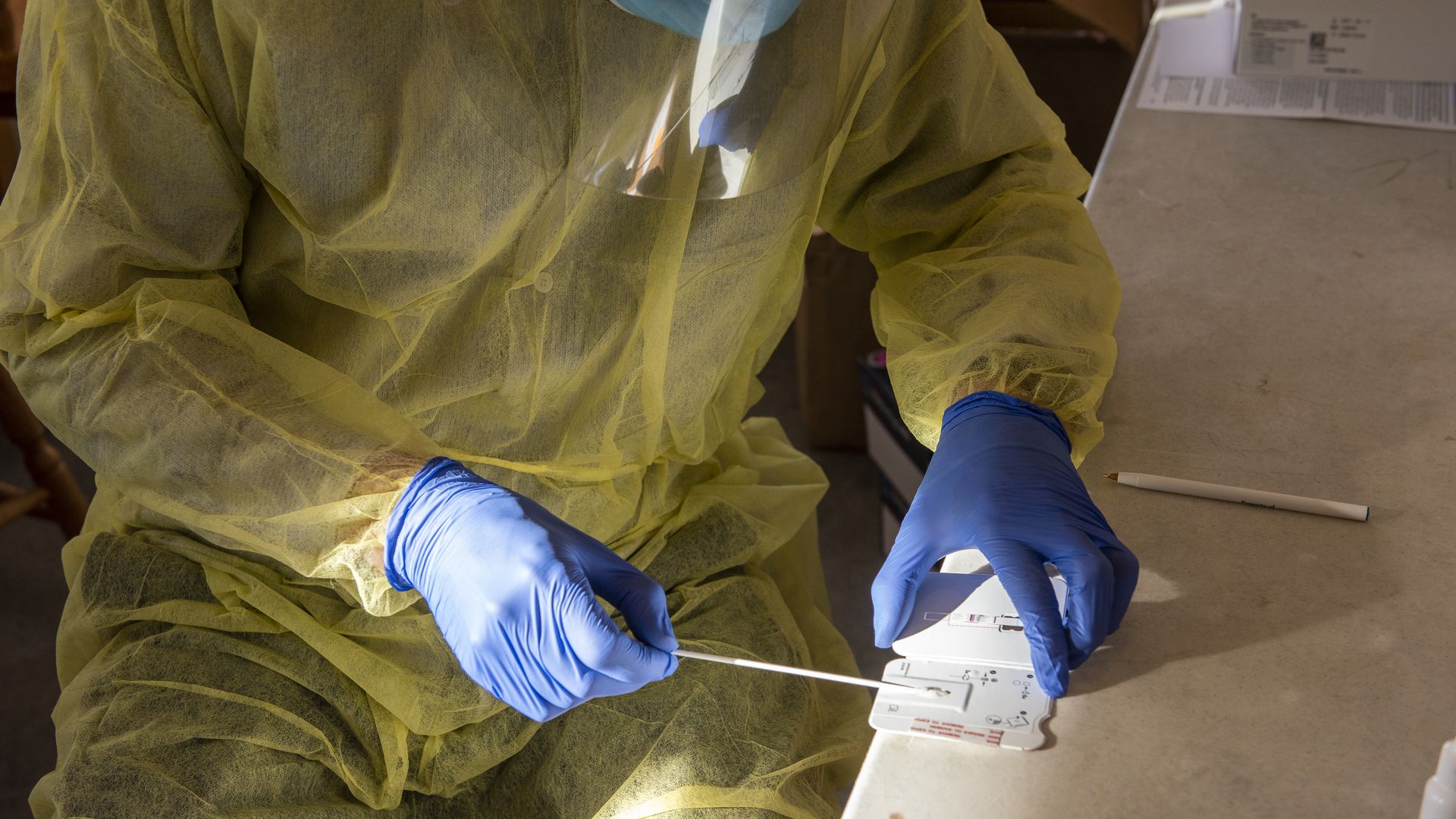
32 million of 142 million rapid coronavirus tests distributed to states by the federal government have gone unused as of early February, the Wall Street Journal reports.
Why it matters: Health officials and researchers have found that widespread testing is necessary to control cases, that COVID-19 testing can save lives as an early positive test leads people to self-isolate, and that more tests performed relative to a country's caseload is linked with reducing virus transmission rates.
Many people who have filed workers' compensation claims following COVID-19 infections are being denied, a Wall Street Journal analysis of state data shows.
Why it matters: Rejected claims from office employees, front-line workers, and airline staff suggest that it's hard to prove where an infection occurred and that returning to the workplace prior to widespread vaccination could present more danger — and less of a safety net — than previously thought.
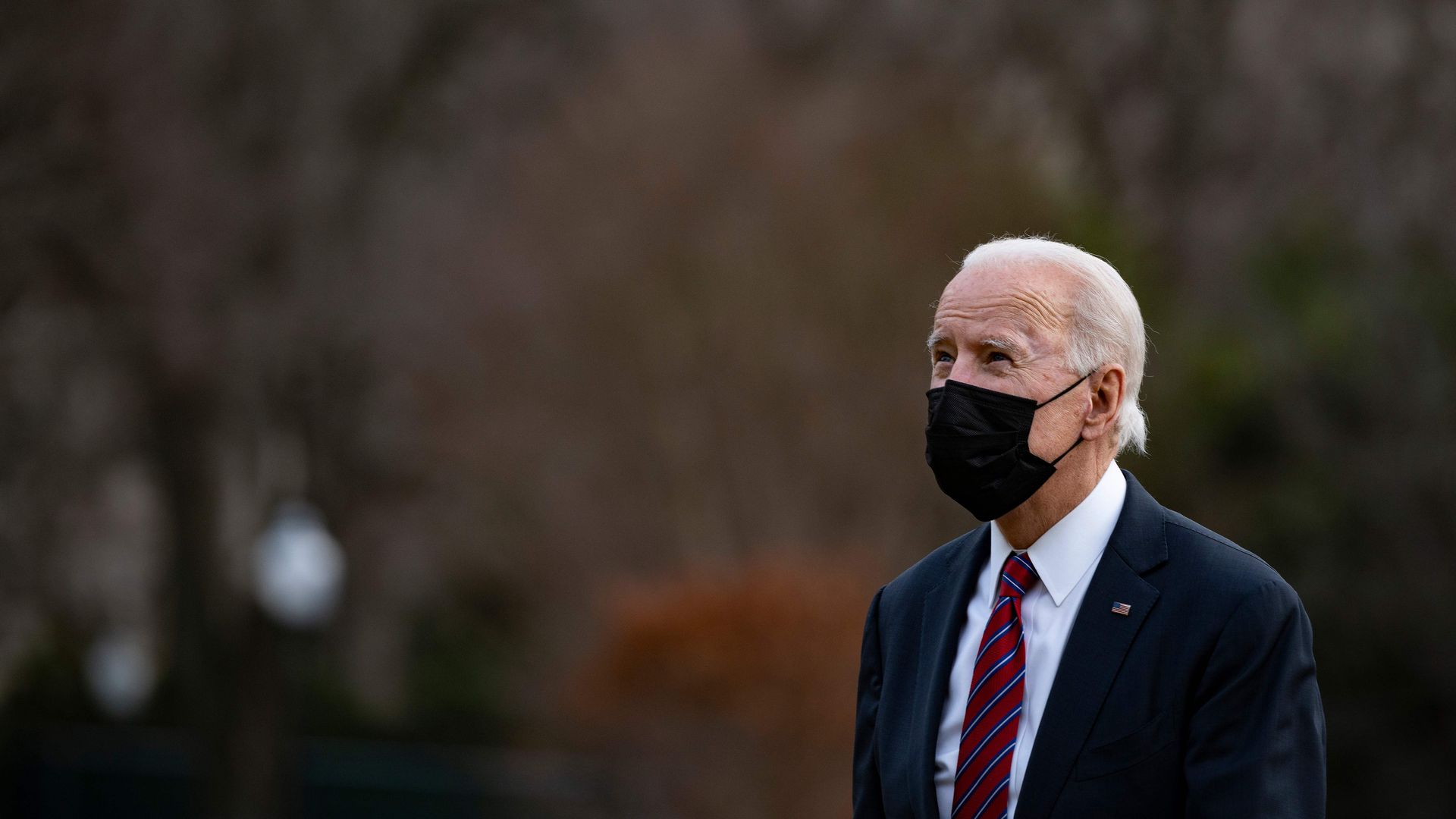
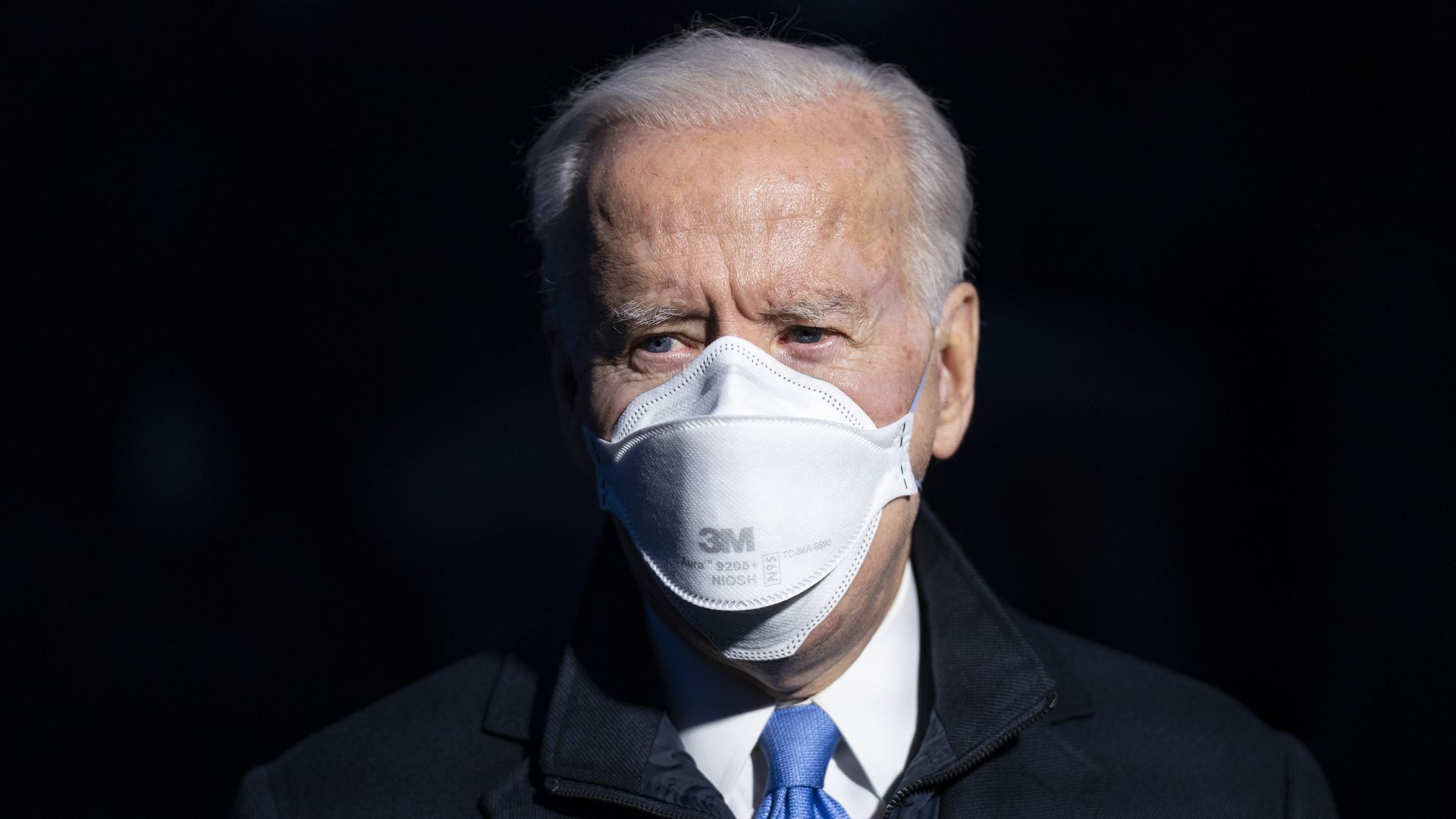
President Joe Biden reopened the federal health insurance marketplace on Monday for three months, citing the importance of access to health care when more than 1 out of every 12 Americans has been infected with the coronavirus.
Why it matters: Nearly 15 million Americans are uninsured at the coronavirus pandemic rages on.
President Biden's chief medical adviser, Dr. Anthony Fauci, tells "Axios on HBO" that despite the effectiveness of the COVID-19vaccines, emerging variants could pose a "stumbling block" and Americans shouldn't become complacent.
Driving the news: The director of the National Institute of Allergy and Infectious Diseases also shared his thoughts on contemplating his own mortality, working with Biden, and talking to teachers about returning to school before everyone's been vaccinated.
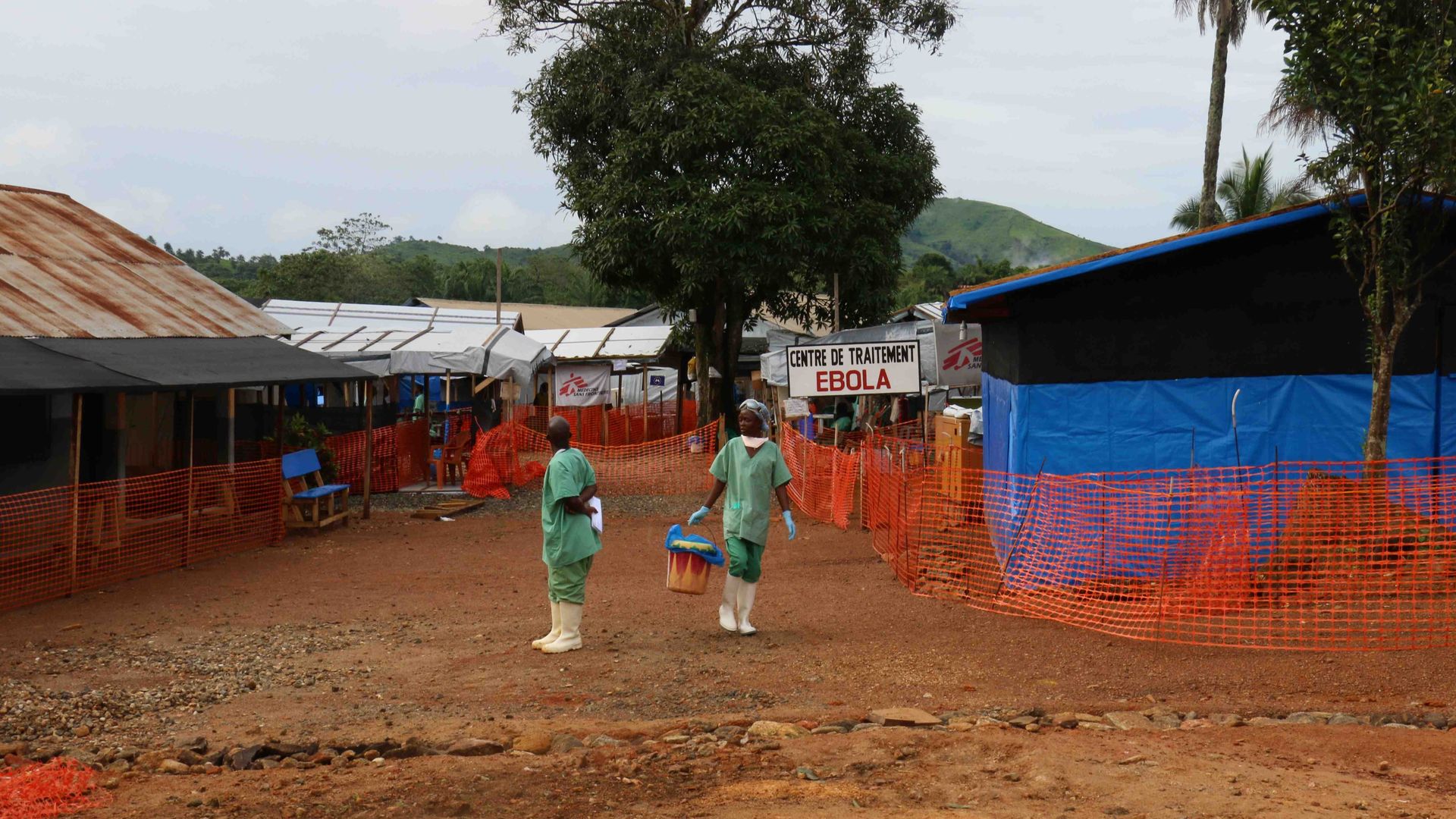
Guinea's Ministry of Health on Monday declared an Ebola epidemic after three people died from the virus and four others became infected in the West African country.
Why it matters: West Africa is still struggling with COVID-19 cases. Guinea's Ebola epidemic follows fresh cases of the disease in the Democratic Republic of Congo, three months after the DRC's last outbreak was declared eradicated, per the New York Times.
Prime Minister Jacinda Ardern said Monday it was "absolutely right" for New Zealand's most populous city to lock down, after genome sequencing linked a COVID-19 outbreak in an Auckland family to a more virulent strain.
Why it matters: It's the first time the B.1.1.7 variant first detected in the U.K. has been found in NZ. Auckland locked down late Sunday for three days over the three community cases amid concern it might be a more contagious strain.
President Biden's chief medical adviser, Dr. Anthony Fauci, expressed sympathy for single people trying to enjoy Valentine's Day during the pandemic in an interview with "Axios on HBO," saying it would be stressful and frustrating to date while social distancing and trying to stay safe.
Fauci said he and his wife planned a quiet Valentine's Day dinner at home alone, but he empathized: "It would be really frustrating to essentially semi-isolate yourself at a time when you're trying to explore social interactions with people. That leads to a considerable amount of stress and maybe even depression on the part of some people."
Vice President Harris told mein a backstage conversation for "Axios on HBO" that the Trump administration had "no stockpile" of vaccines upon leaving office.
The big picture: "There was no national strategy or plan for vaccinations, we were leaving it to the states and local leaders to try and figure it out," Harris told me at the White House after leading a virtual COVID event with African-American mayors.
A recent study by Israel’s largest healthcare provider found that after both doses of the Pfizer vaccine, people are 94% less likely to have symptomatic COVID-19 infections and 92% fewer cases of severe illness due to the virus, Reuters reports.
Why it matters: Israel has been rapidly vaccinating its population, and the new study underscores how effective the vaccine is, as the data nearly matches Pfizer's Phase three clinical trial that showed the vaccine to be 95% effective.
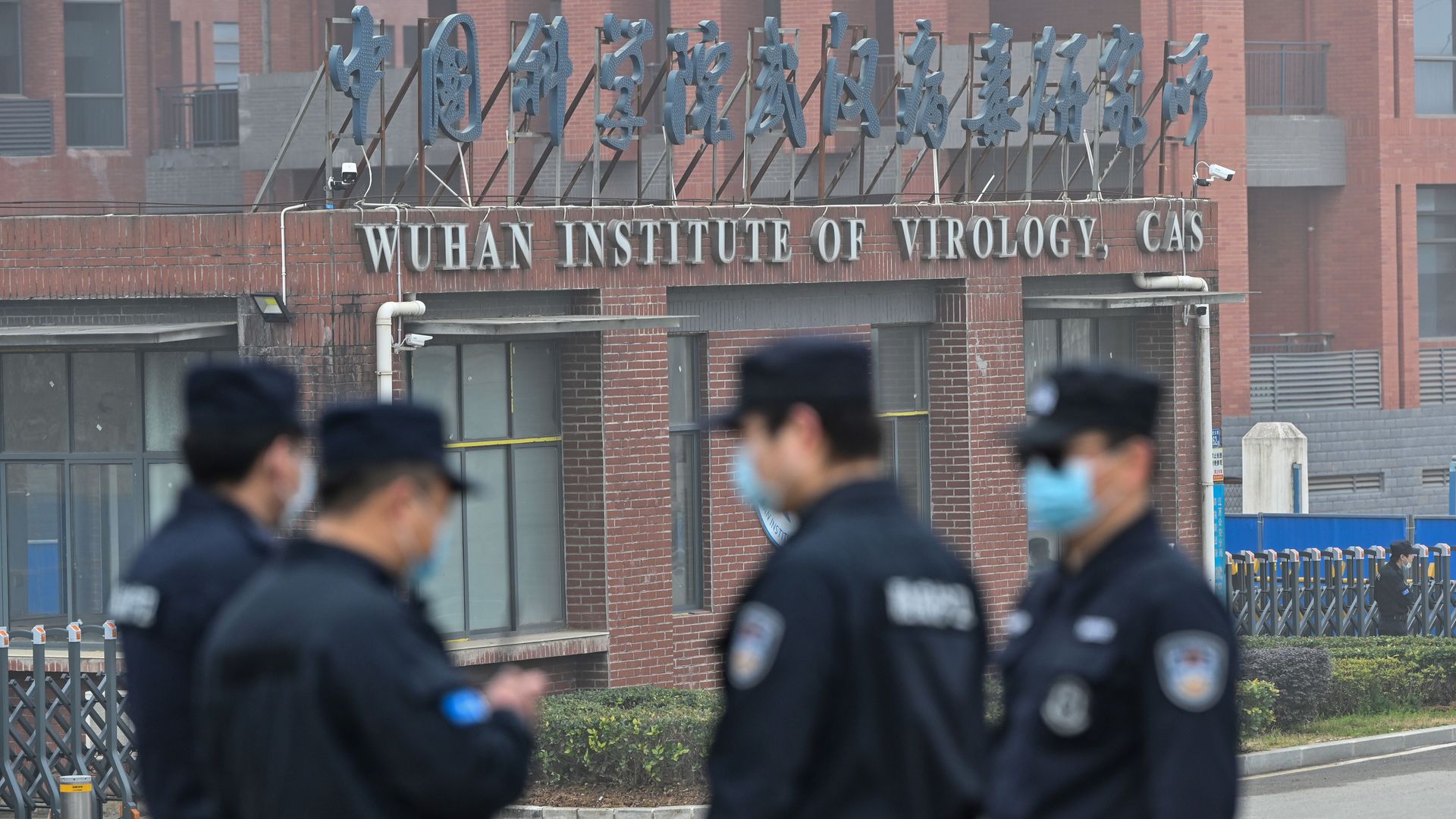
There were 13 different strains of the coronavirus in Wuhan, China in December 2019, World Health Organization scientist Peter Ben Embarek told CNN in an exclusive interview.
Why it matters: Data gathered during the WHO scientists' first trip to investigate the origins of COVID-19 could point to an outbreak that was more widespread than previously understood.
On the next episode of “Axios on HBO”, Axios managing editor Margaret Talev interviews NIAID director Anthony Fauci about vaccine distribution and the federal response to the virus.
Catch the full interview and much more on Sunday, February 14 at 6 p.m. ET/PT on all HBO platforms.
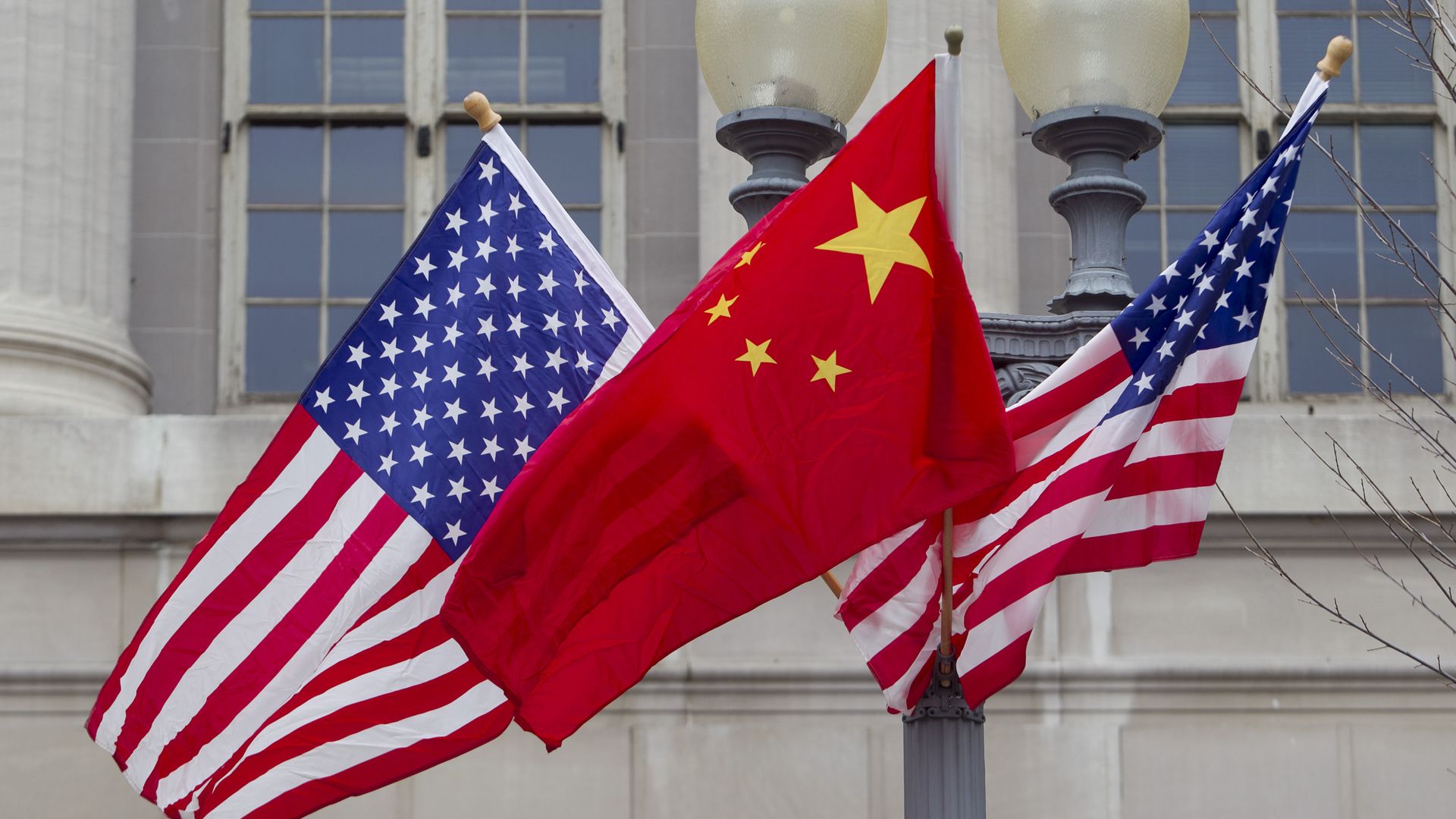
China on Sunday accused the U.S. of "pointing fingers," following a statement from the Biden administration alleging that Beijing may have meddled into the World Health Organization's probe into the origins of the COVID-19 pandemic.
What they're saying: "What the U.S. has done in recent years has severely undermined multilateral institutions, including the WHO," China wrote in a statement from its embassy in D.C. It added that the U.S. has "gravely damaged international cooperation on COVID-19."
Open-source the vaccines. That's the message being sent by the People's Vaccine Alliance, a coalition that includes Amnesty International, Oxfam, and UNAIDS.
Why it matters: Manufacturing capacity needs to be scaled up dramatically — and cutting out the need for laborious, expensive and secretive negotiations with vaccine patent holders could help.