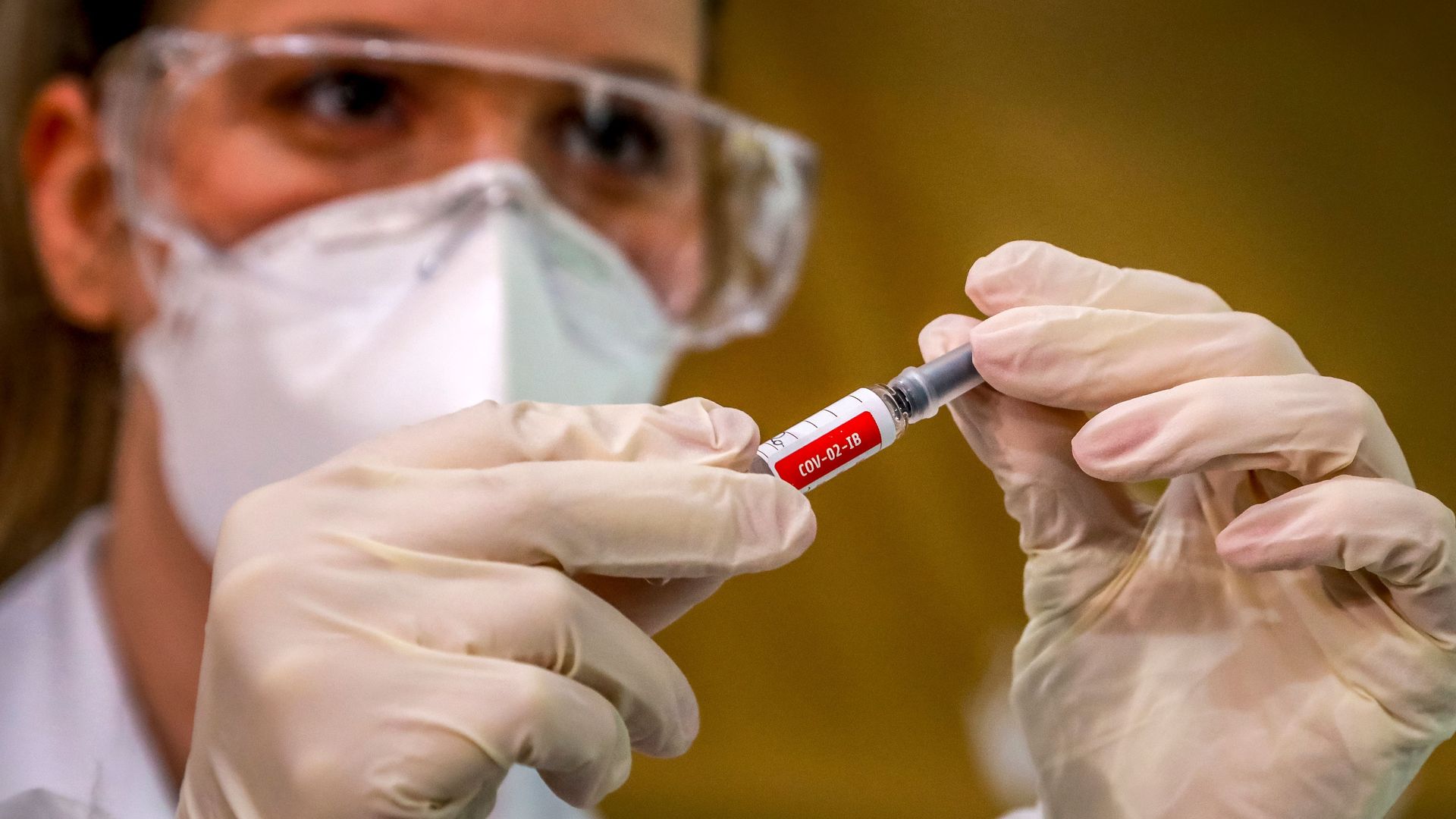
35% of Americans say they would refuse a coronavirus vaccine, even if it was free, approved by the Food and Drug Administration and available immediately, according to a Gallup poll released Friday.
The big picture: Health experts believe a vaccine — coupled with recommended public health measures — will be the path back to societal normalcy. But that outcome relies on a critical mass getting the vaccine so that the population can achieve herd immunity.
Thousands of motorcyclists have gathered in Sturgis, South Dakota, this week to celebrate the 80th Motorcycle Rally despite the coronavirus pandemic, AP reports.
Why it matters: Local residents fear the crowds could create a “super-spreader” event because the state government has not implemented limits on indoor crowds or mask mandates, and Gov. Kristi Noem (R) has encouraged people from around the U.S. to travel to the state. Organizers reportedly expect 250,000 people to rumble into town during the 10-day affair.
A growing body of research has made it clear that airborne transmission of the coronavirus is possible.
Why it matters: That fact means indoor spaces can become hot spots. Those spaces also happen to be where most business and schooling takes place, so any hope for a return to normality will require better ways of filtering indoor air.
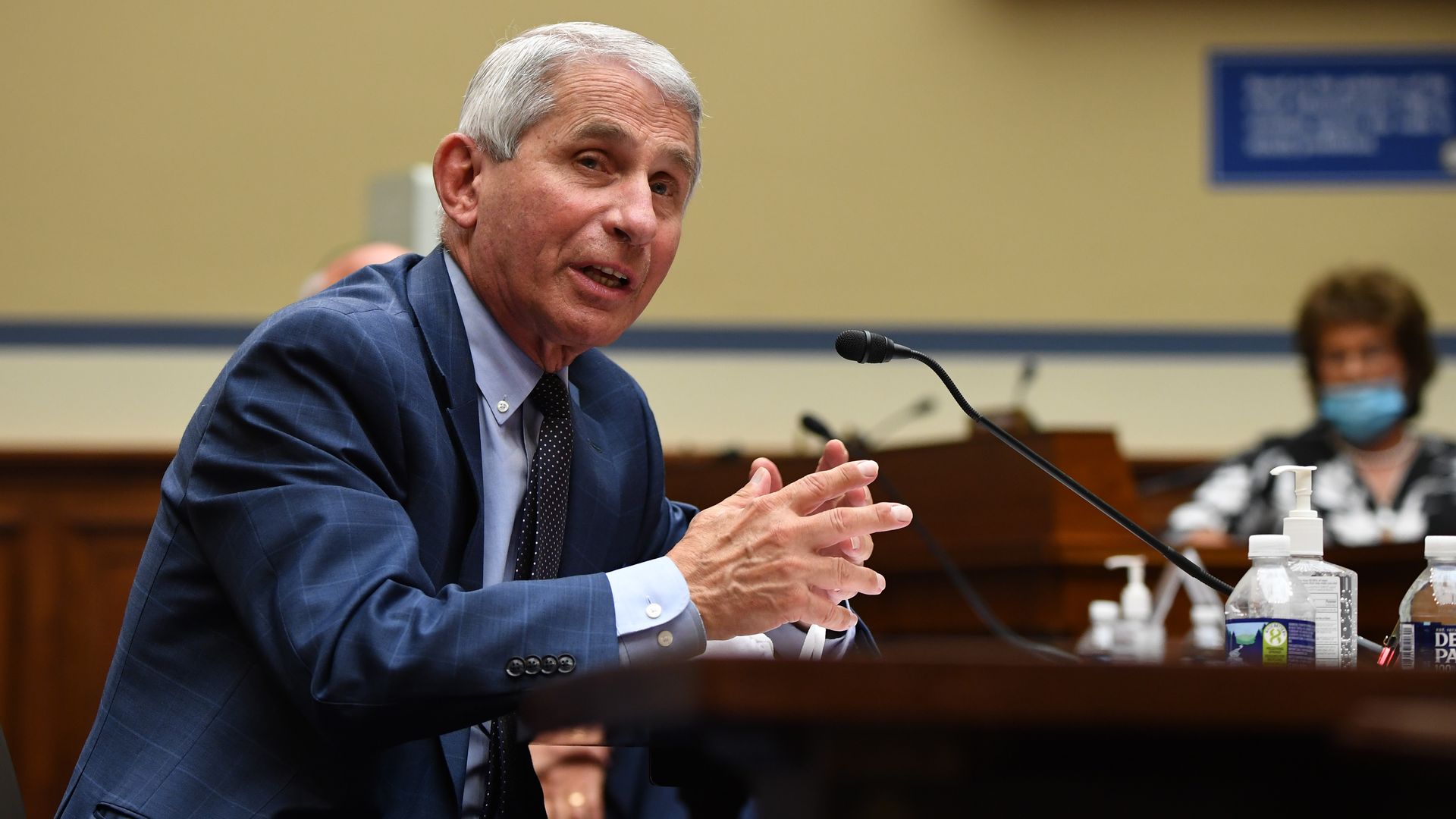
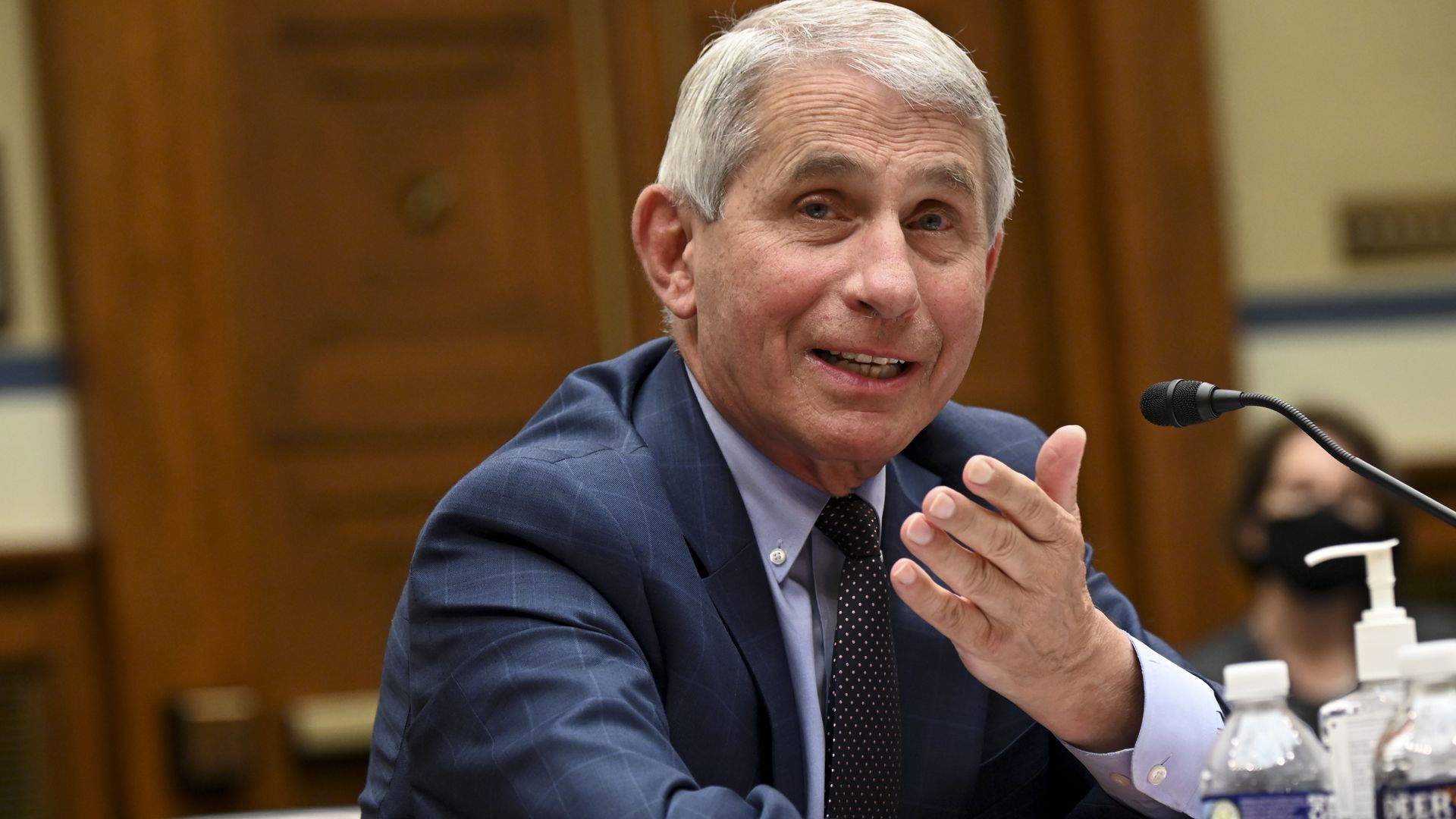
Anthony Fauci, director of the National Institute of Allergy and Infectious Diseases, said Friday that the chances of a coronavirus vaccine having 98% or more guaranteed protection are "not great," per CNBC.
Yes, but: The Food and Drug Administration says it's prepared to authorize a coronavirus vaccine so long as it's safe and reduces a person’s risk of a COVID-19 infection by 50%.
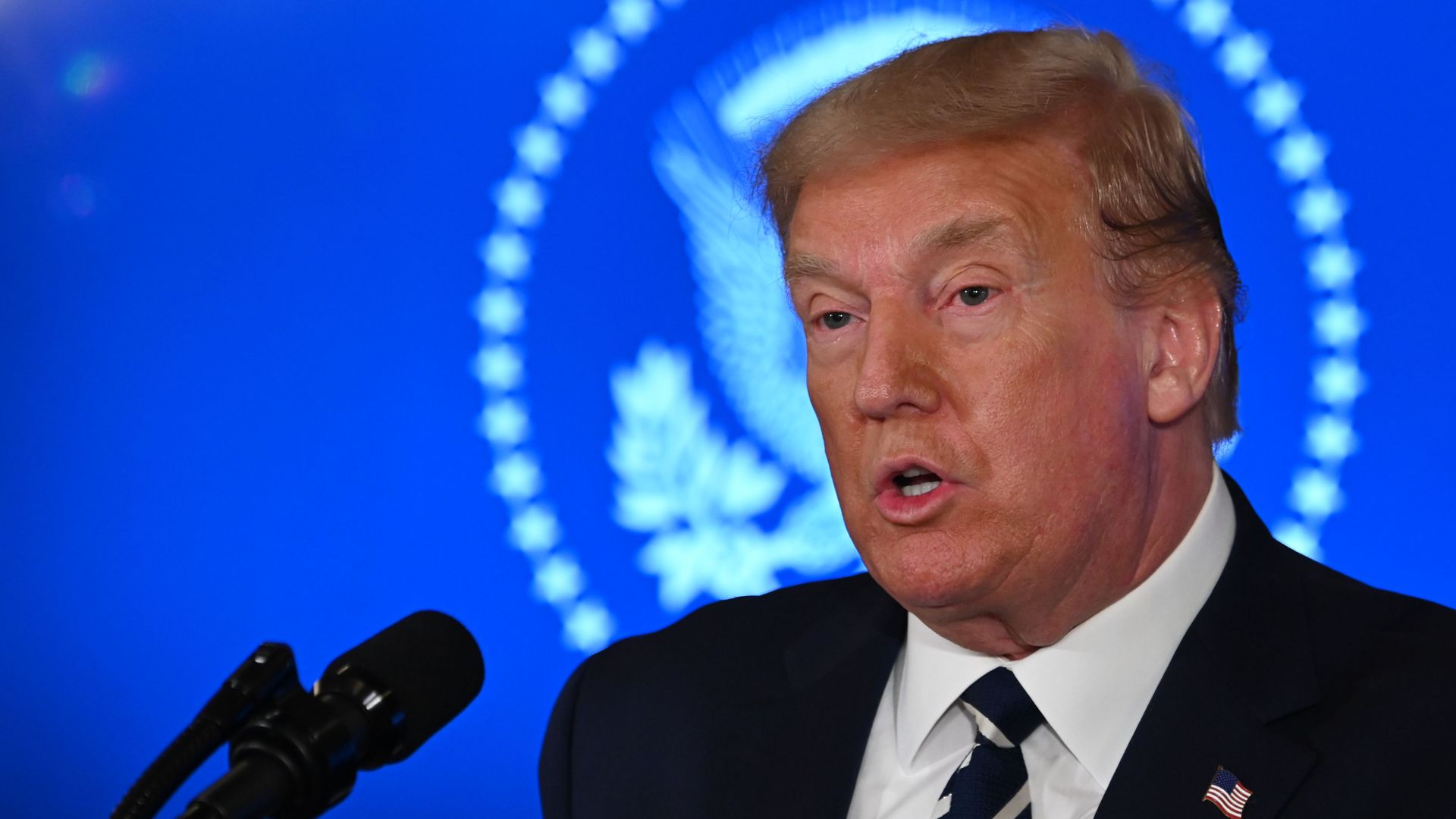
President Trump announced on Friday he will pursue an executive order requiring insurance companies to cover pre-existing conditions, something that is already law.
Why it matters: The Affordable Care Act already requires insurers to cover pre-existing conditions. The Trump administration is currently arguing in a case before the Supreme Court to strike down that very law — including its pre-existing condition protections.
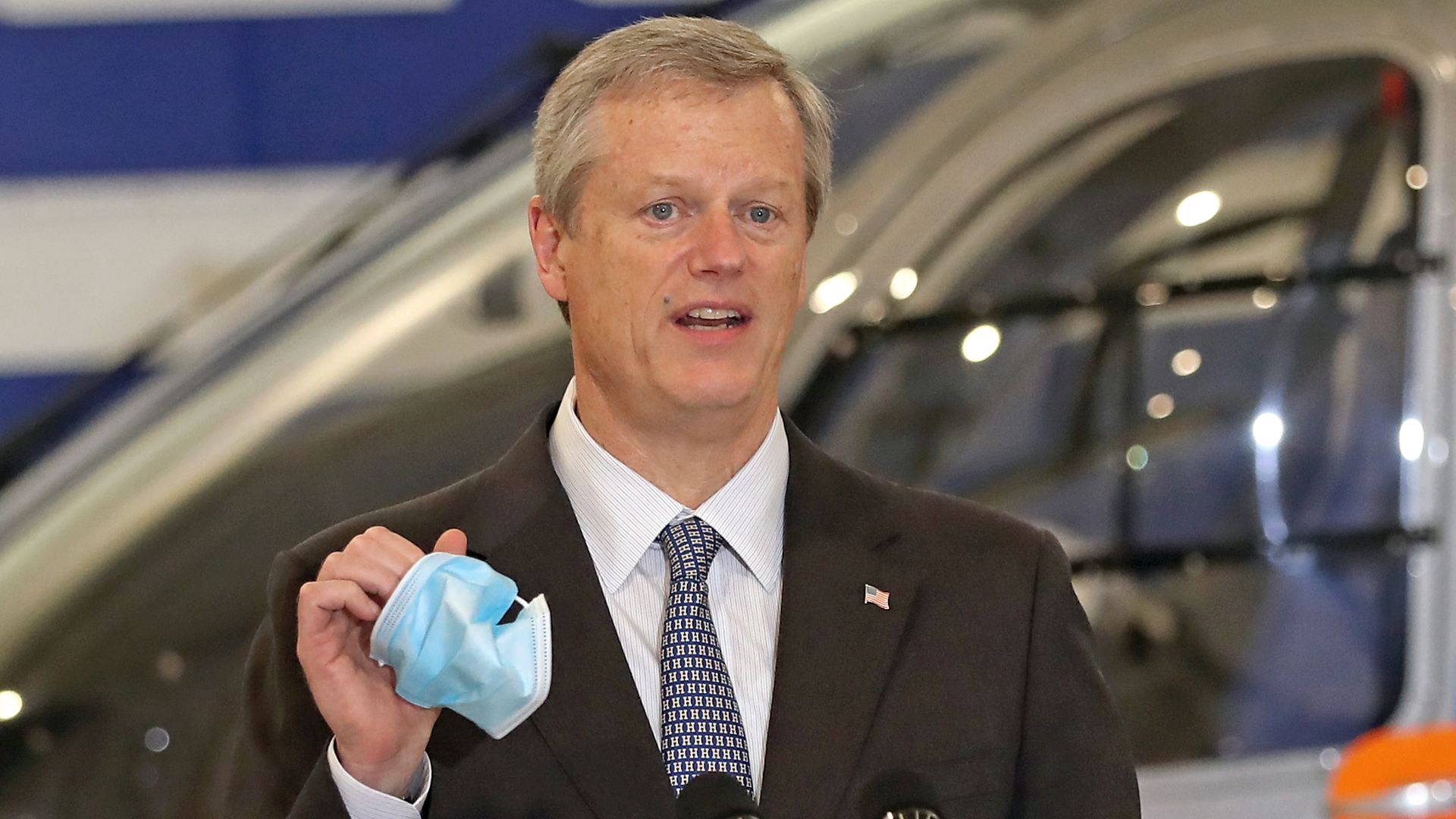
Massachusetts Gov. Charlie Baker announced Friday that the state's second phase of reopening is "postponed indefinitely" in response to a modest increase in coronavirus cases.
The big picture: The state is reporting more COVID-19 deaths than most others across the U.S. outside of domestic epicenters like California, or previous hotspots including New Jersey and New York, per a New York Times database.
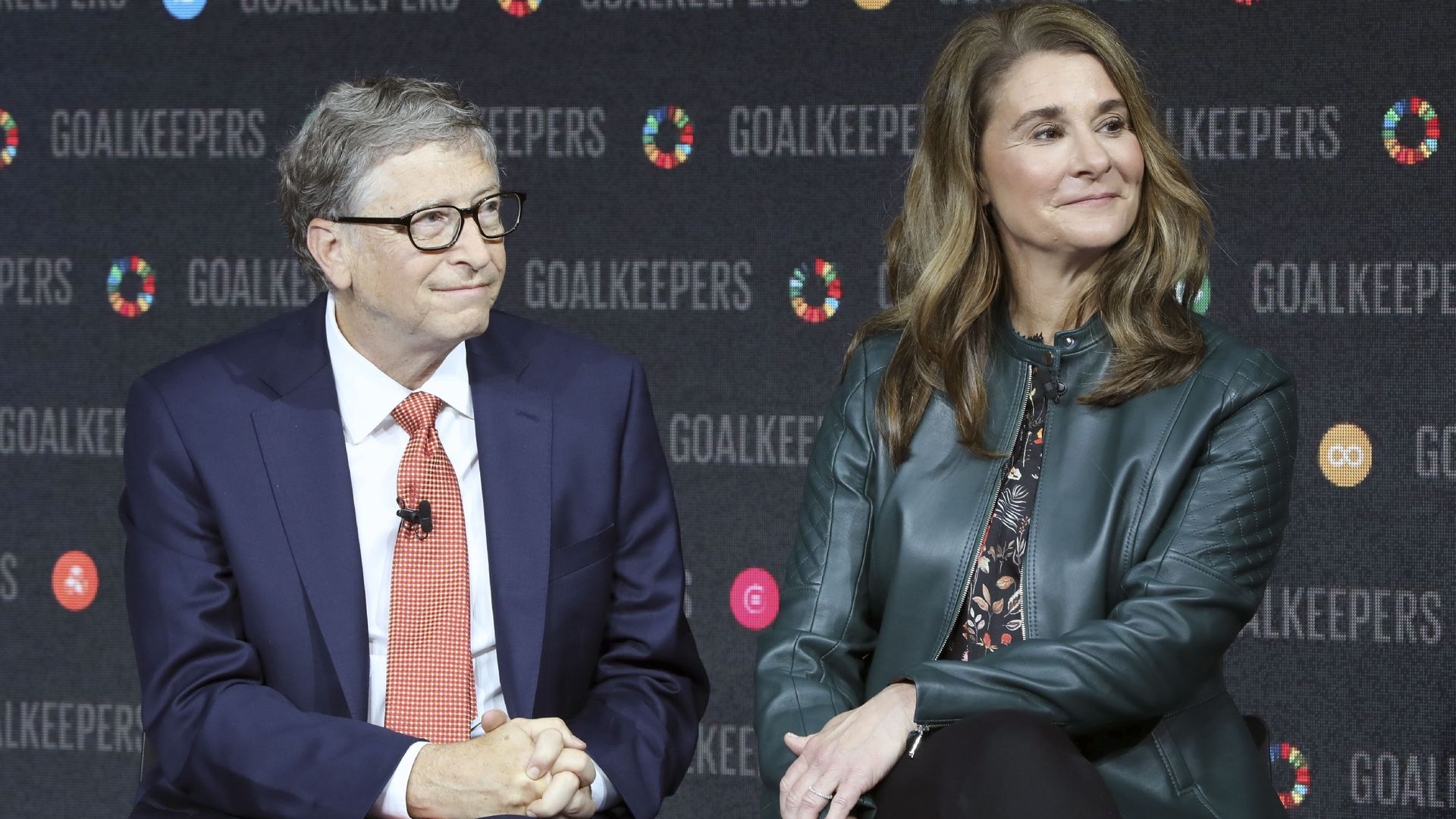
The Bill and Melinda Gates Foundation is putting $150 million into an effort to distribute coronavirus vaccines to low-income countries in 2021, global vaccination alliance Gavi announced on Friday.
Why it matters: Poorer countries have been most affected by the pandemic's disruption for noncommunicable diseases, the World Health Organization reports. Even in wealthy countries like the U.S., low-income people are among the most likely to become seriously ill if infected with the virus, along with minority populations.
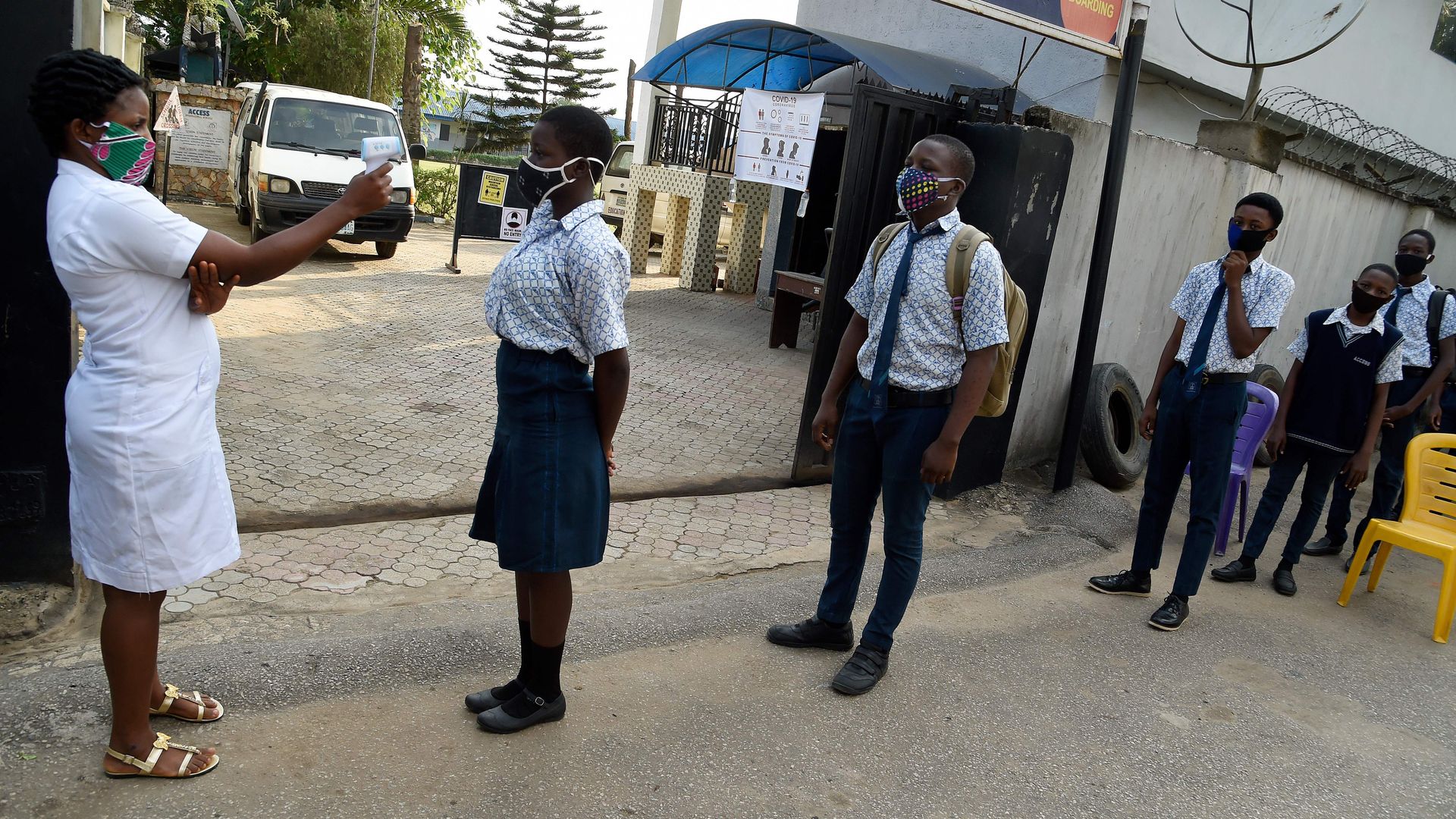
African countries collectively surpassed 1 million confirmed coronavirus cases this week, according to Johns Hopkins University data.
Why it matters: Some health experts believe that the true number of COVID-19 cases among African countries is higher than that figure due to a lack of testing, and fear that undetected cases could overload some of the world’s weakest health systems, according to AP.
U.S. Surgeon General Jerome Adams on Friday stressed the importance of Americans getting flu vaccines for the next influenza season, noting that the country has "been backsliding in terms of vaccine confidence over the last several years."
Why it matters: A bad flu season could put even more strain on the country's health system resources, which are especially limited in domestic coronavirus epicenters like Florida and California.
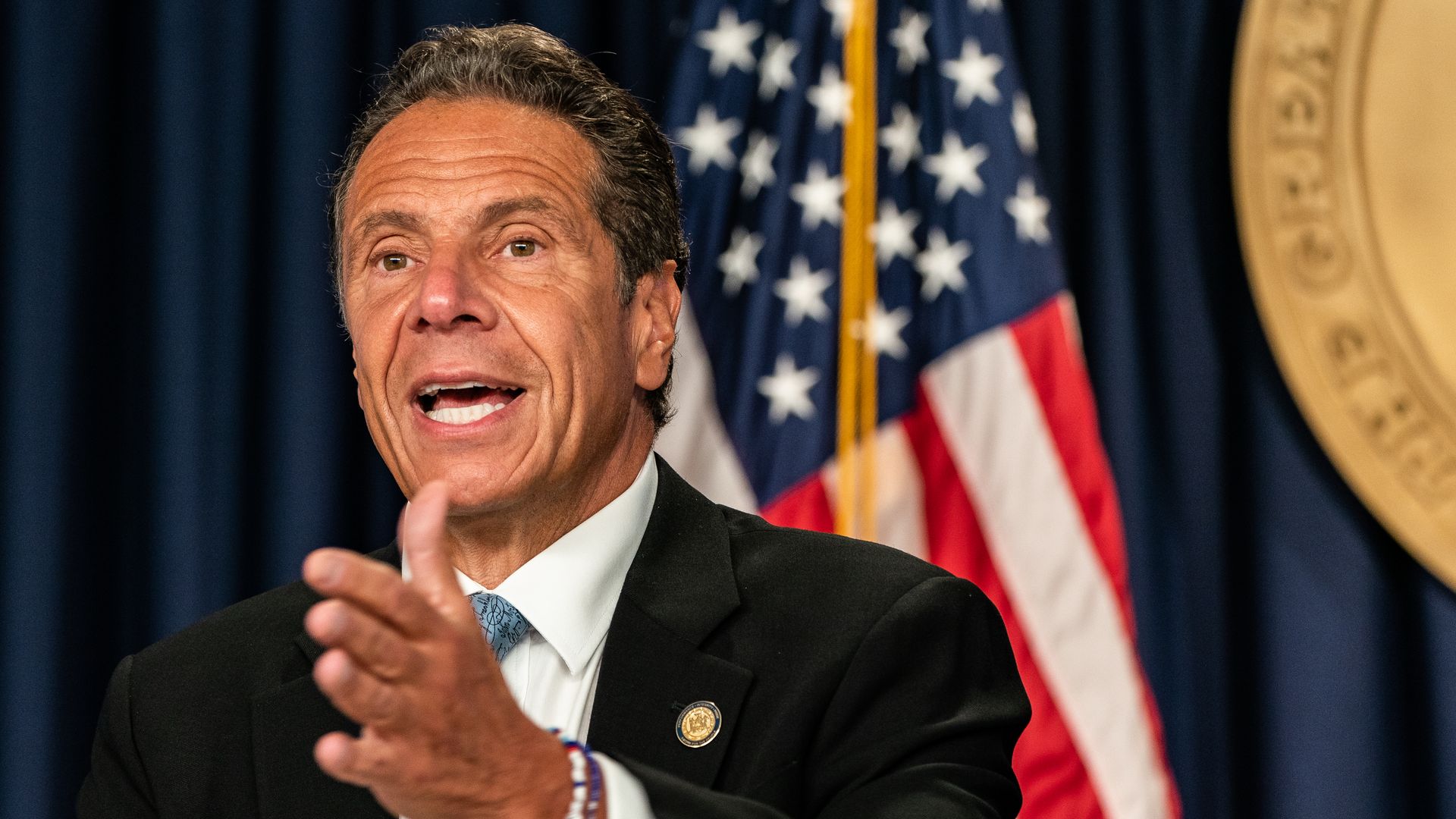
New York Gov. Andrew Cuomo announced Friday that all school districts across the state can choose to reopen for in-person learning because it has so far maintained low enough coronavirus transmission rates.
Why it matters: It’s another sign that the state, once the global epicenter of the pandemic, has — at least for now — successfully curbed the spread of the virus even as infections have surged elsewhere around the country.
Anthony Fauci declined to tell the Washington Post on Friday if mail-in voting should be used as a public health measure amid the coronavirus pandemic, saying his statement would "almost certainly ... be used as a soundbite."
Why it matters: Fauci said he didn't want the media to set up another confrontation between him and President Trump, but it highlights how government medical experts have often found themselves in politically contentious situations when dealing with issues like reopening schools, mask mandates or the upcoming election.
President Trump signed an executive order Thursday that would require the federal government to buy "essential medicines" and certain medical supplies from American manufacturing plants.
The big picture: Similar to Trump's recent executive orders that target drug prices, it's unclear how much this policy would change the drug and device supply chain, and there are several loopholes.
A cluster of states in the Midwest are seeing more of their coronavirus tests coming back positive — potentially an early indicator of a growing outbreak.
The state of play: A high positive rate means that a higher share of those getting tested are sick. That could be because there are more sick people, or because a state isn't doing enough testing.
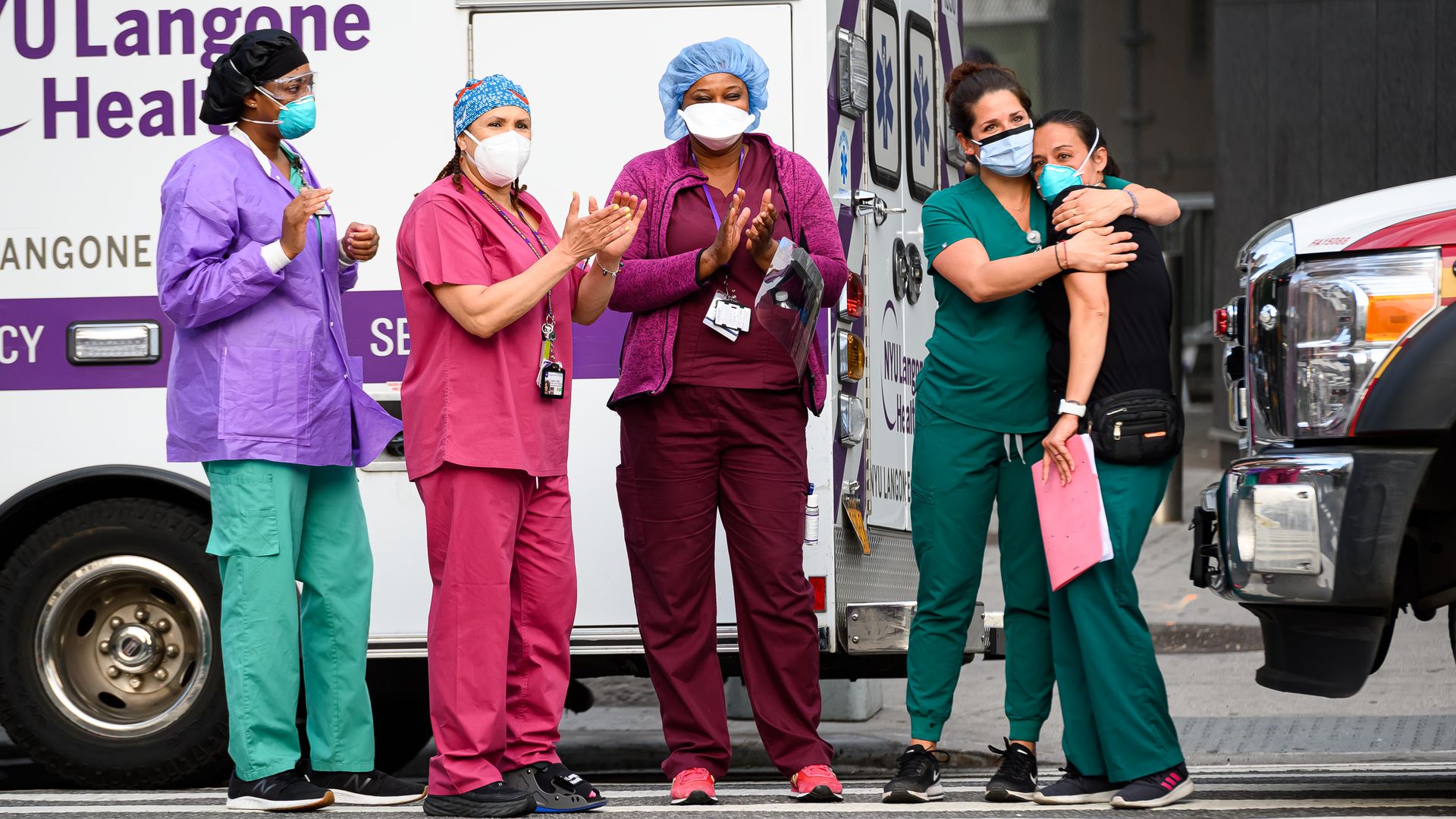
More than 13% of health care workers in the greater New York City area tested positive for coronavirus antibodies, according to a newly published study.
Why it matters: The rate at which health care professionals tested positive for antibodies is consistent with the rate of COVID-19 antibodies found among randomly tested adults in the state of New York. The data released Thursday "is important so [health care workers] can protect themselves, their patients, their colleagues, and their families," per JAMA researchers.