Senate Majority Leader Mitch McConnell today will take to social media to push his bipartisan bill — which he released Monday and called one of his "highest priorities" — to raise the minimum age for buying tobacco products from 18 to 21.
The big picture: A YouTube video highlights the measure, which was co-sponsored by Sen. Tim Kaine (D-Va.), whose state has also been a major tobacco producer.
The Trump administration's proposal to change how the federal poverty level is calculated would cut millions of people's health benefits, according to a new analysis by the left-leaning Center on Budget and Policy Priorities.
What's happening: The Office of Management and Budget proposal would adopt a lower rate of inflation to determine poverty — meaning the poverty limit would rise more slowly, and fewer people would qualify for assistance.
The first FDA approval of a multi-million dollar drug is expected any day now, sparking a new national debate over what we're willing to pay for medical breakthroughs.
Why it matters: The future of medicine is in personalized and scientifically advanced drugs, meaning that Zolgensma's imminent approval is just the beginning of the seven-digit price tag era. While drug companies say the drugs' effectiveness justifies their costs, some experts are pushing back.
Mallinckrodt is suing the Centers for Medicare & Medicaid Services and the Department of Health and Human Services for changing the way Medicaid rebates are calculated for its pricey H.P. Acthar Gel medication, a move that would require Mallinckrodt to pay back large sums of money to the federal government.
Why it matters: The drug company expects the change will eliminate 10% of its Acthar sales, and that it will have to pay up to $600 million in retroactive rebates — news that sent the company's stock plunging by 24% Tuesday to a record-low $9.87 per share.
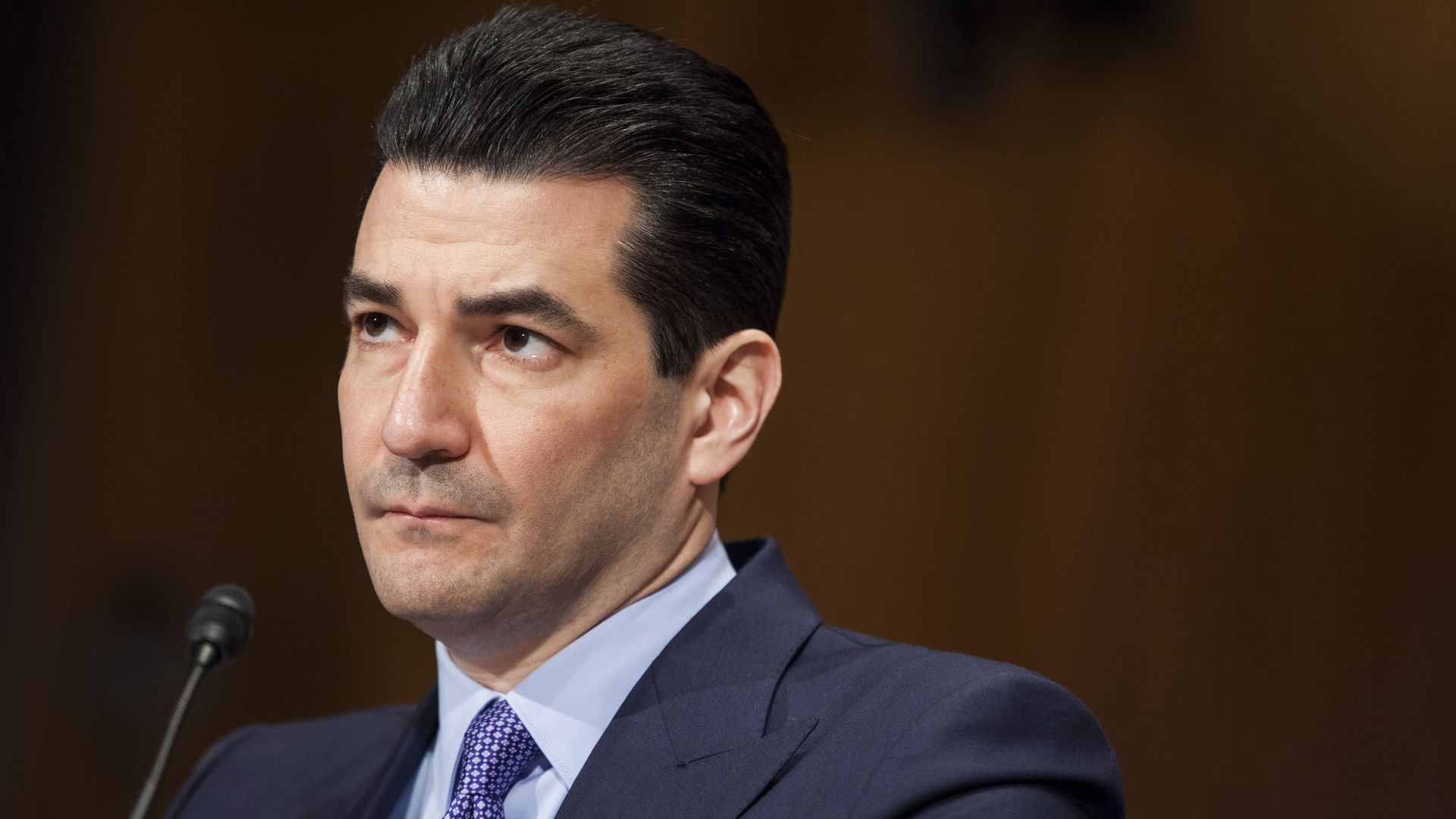
Gene therapies and other new treatments that have the potential to cure debilitating diseases could also end up widening the gap between the rich and the poor, former FDA Commissioner Scott Gottlieb writes for CNBC.
The bottom line: That's because the expected price tag for some of these new medicines are expected to be in the millions. Insurers — which are used to pay for treatment over time — are struggling to figure out how to pay this kind of sum all at once.
Of the 2.1 million people who reported using heroin or abusing painkillers in 2017, only 680,000 sought treatment at reporting treatment facilities, according to a new USAFacts report.
Where it stands: That translates to only about 32% receiving treatment.
Here is how fast America is changing: By the time today’s teenagers hit their 30s, there will be — for the first time ever — more minorities than whites, more old people than children, and more people practicing Islam than Judaism.
The big picture: The slow demographic shifts we've watched over decades will finally reach a tipping point in the 2040s. They'll transform what America looks like, where we live and what we fear.
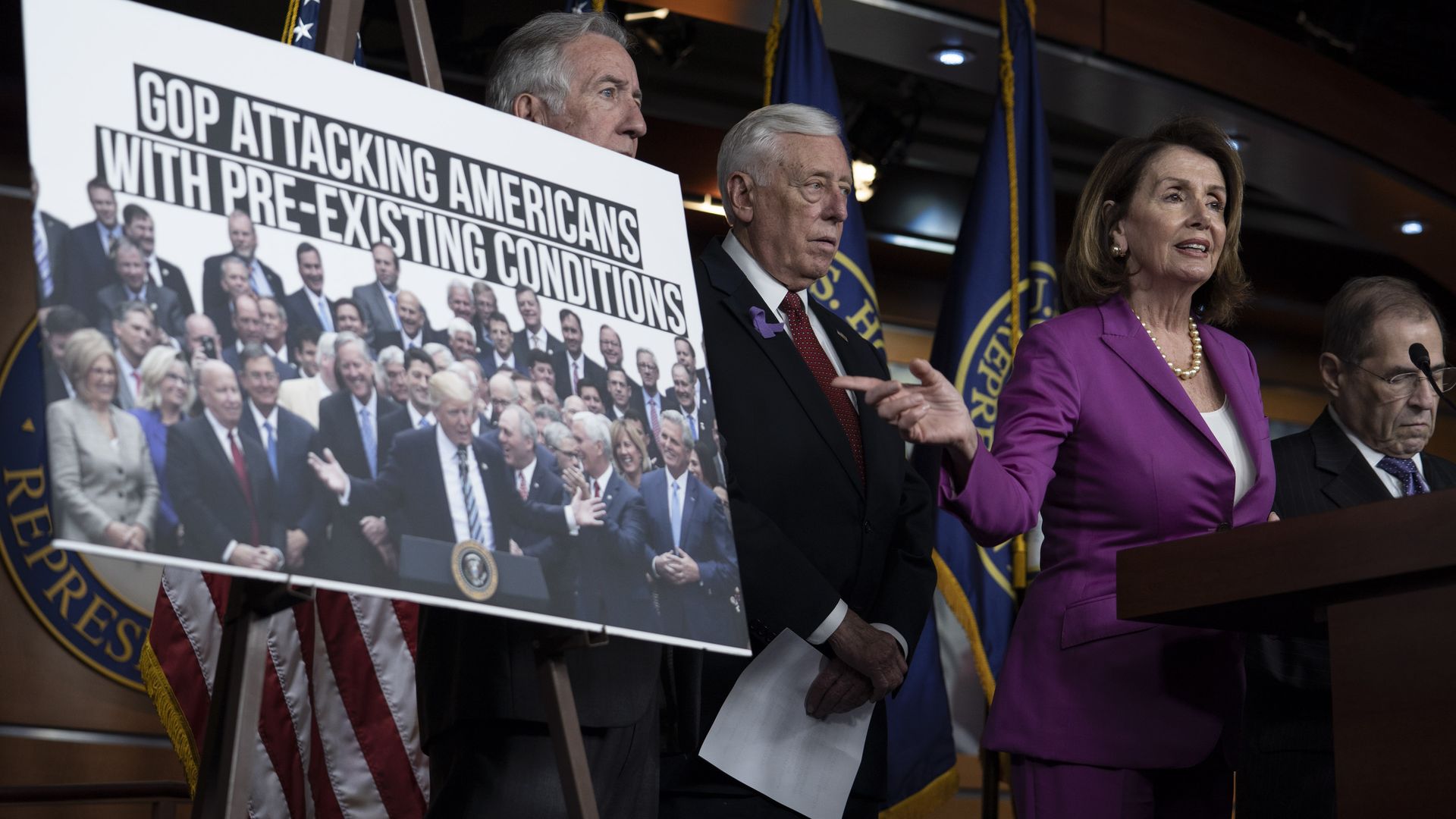
Amid the hullabaloo over purported immigrant hordes, alleged Chinese perfidy on trade and a Green New Deal, Americans — crossing lines of age, party and gender — are united in what they really care about, according to a new poll: Health care.
Details: Eighteen months before the presidential election, the finding suggests potential peril for President Trump should he be seen as insensitive on the issue, says John Della Volpe, polling director for RealClear Opinion Research, which conducted the survey.